

Victorian Silver Jewellery
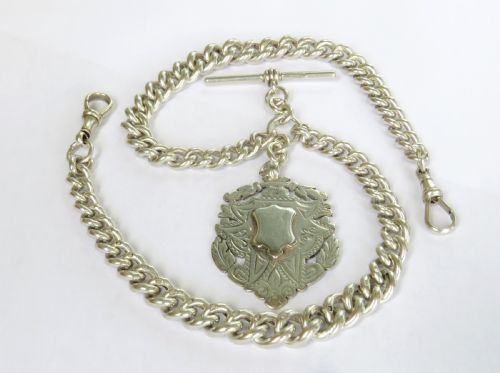
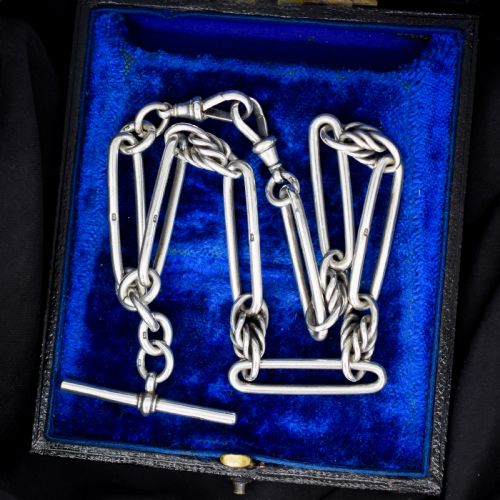
Victorian silver jewellery spans heavy cast trinket boxes, articulated watch chains, and gem-set brooches intended for everyday nineteenth-century wear.
Victorian Silver Jewellery
When exploring victorian silver jewellery, buyers encounter a diverse range of objects intended for personal adornment and domestic storage. The selection includes functional items such as double pocket watch chains, chatelaines, and dress rings alongside hinged trinket and jewellery boxes lined in velvet or silk.
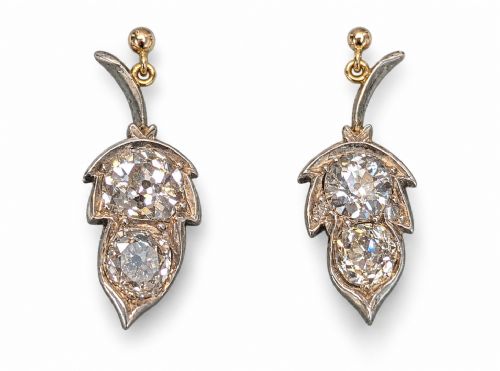
The material record draws heavily from nineteenth-century British production centres, featuring sterling silver hallmarks from assay offices in London, Birmingham, and Chester. Alongside wearable pieces like drop earrings and lockets, larger vanity sets and card cases reflect the breadth of nineteenth-century silversmithing.
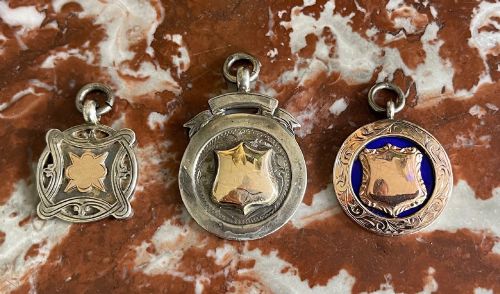
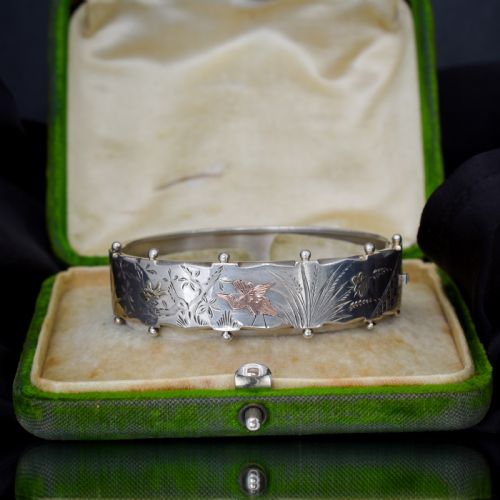
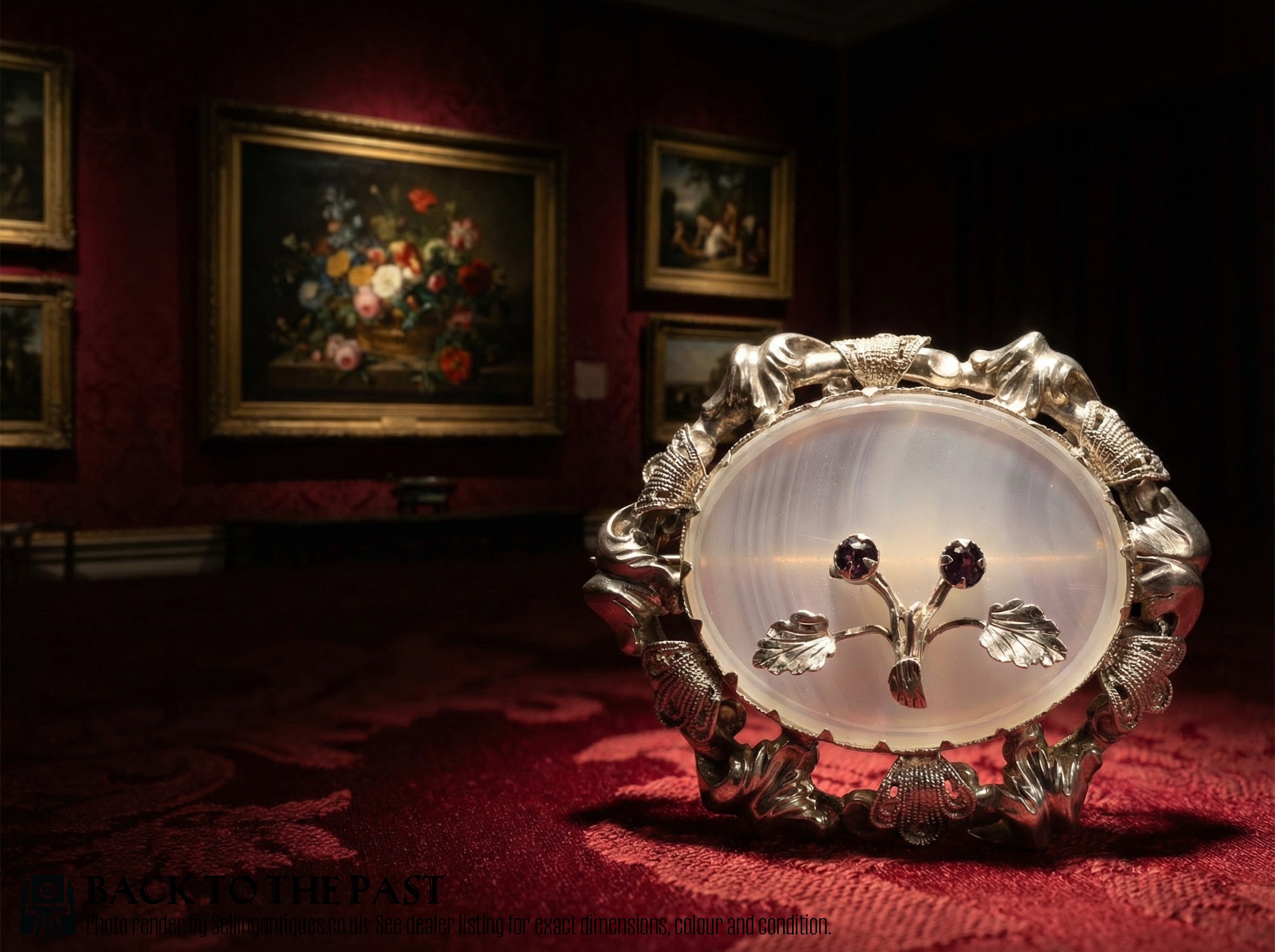
Stylistic influences span from naturalistic floral motifs to Revivalist movements, including Scottish pebble jewellery incorporating agate and jasper. Pieces frequently merge silver with gold accents, paste glass, enamel, or tortoiseshell to create layered surface textures.

Materials and Technique
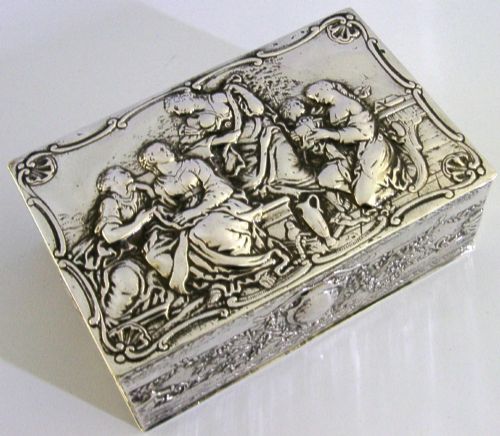
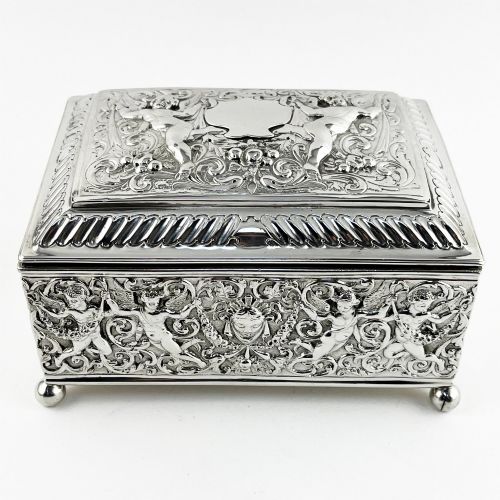
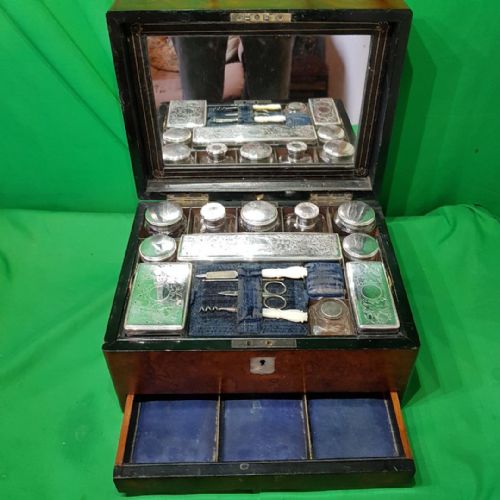
Manufacturing methods rely on traditional silversmithing techniques such as stamping, piercing, repoussé, and chasing. Boxes and caskets often feature embossed floral and scrollwork lids applied to solid sterling silver foundations or wooden carcasses.
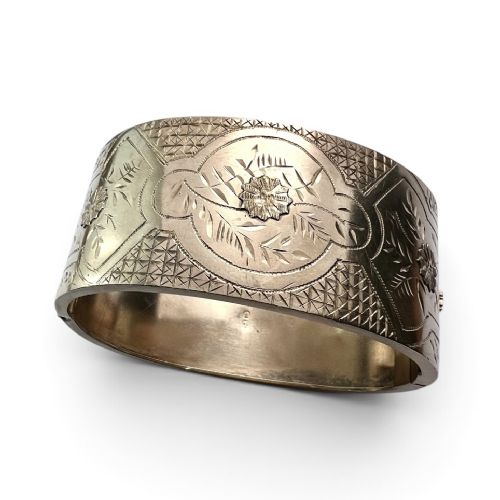
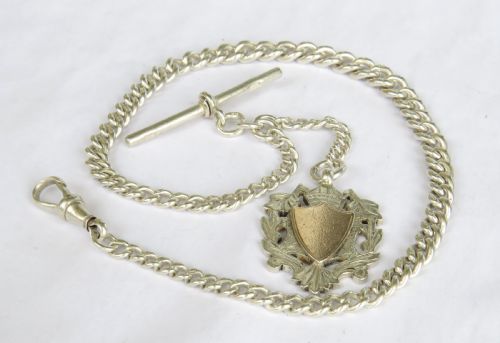
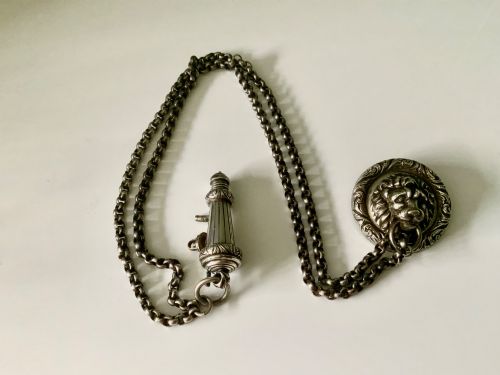
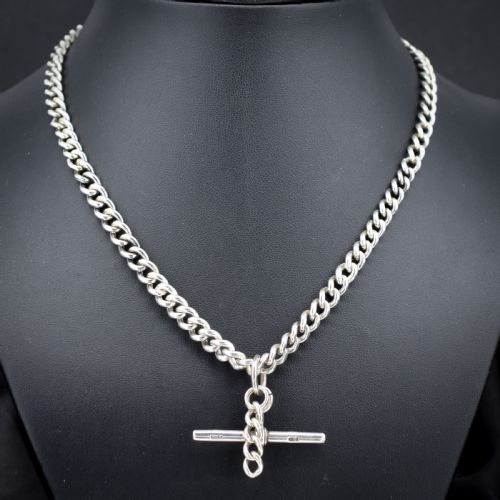
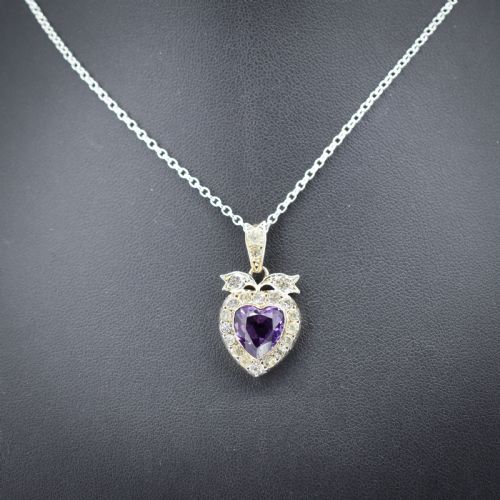
Wearable items utilise hollow stampings, curb links, and intricate wirework for watch chains and bracelets, frequently finished with functional dog clips and T-bars. Gemstones and paste glass are secured via collet or bezel settings, sometimes enhanced with gold foil backs or gilt washes known as silver gilt.
Organic elements like tortoiseshell, mother-of-pearl, and hardstone agates are integrated directly into silver mounts using pins, adhesives, or silver pique wire inlays. Structural integrity relies on internal linings of wood, velvet, or leather within larger caskets and vanity boxes.
Victorian Silver Jewellery Retail Price Guide 2026
Typical asking prices for victorian silver jewellery among the pieces listed under this phrase on Sellingantiques today, from the lower quarter to the upper quarter. They describe what is for sale here now, not the wider market.
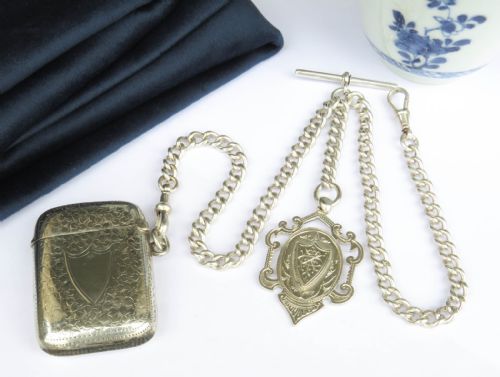
Nineteenth-century silversmiths transformed mundane safety matches into luxury items by housing them in intricately chased silver vesta cases.
Craftsmanship and Weight
The calibre of victorian silver jewellery depends significantly on the weight of the metal and the crispness of the decorative relief. Thicker gauge silver resists denting and maintains structural definition across chased scrollwork and repoussé panels.
Execution of detail separates standard production from superior examples, particularly in hand-engraved monograms, pierced fretwork, and the precision of stone-setting. Maker marks from established silversmiths often correlate with higher standards of internal construction and finishing.
Preservation of original components, such as matching links on watch chains, intact glass liners in vanity pots, and uncompromised structural linings, dictates the overall integrity of surviving pieces.
William Comyns·Charles Boyton·H H Curtis
The Victorian Silver Jewellery Glossary
- Albert chain
- A pocket watch chain designed to be secured across a waistcoat, named after Prince Albert. These pieces feature substantial curb links, T-bars, and swivel dog clips.
- Repoussé
- A metalworking technique where the design is hammered into relief from the reverse side. This method creates dimensional floral and scroll motifs on box lids and mirror backs.
- Pique
- The decorative technique of inlaying tiny pins of gold or silver into tortoiseshell or ivory. It appears frequently on nineteenth-century boxes and small personal accessories.
- Paste
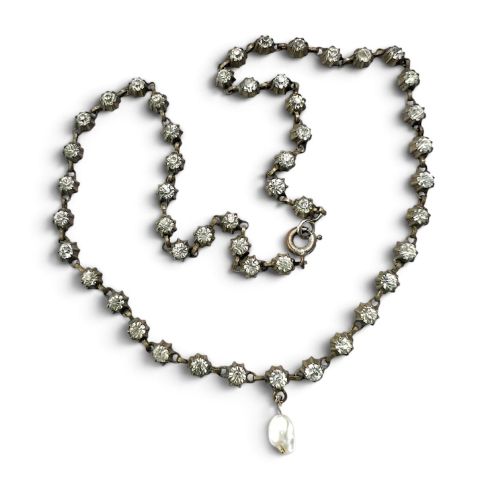
- Hand-cut and polished lead glass used to simulate gemstones. Victorian paste jewellery often mimics diamonds, amethysts, and emeralds with high optical clarity.
- Vesta case
- A small portable box designed to hold matches, typically fitted with a striker on the base. These match safes were frequently made in sterling silver to match watch chains.
Victorian Silver Jewellery: Frequently Asked Questions
What is a watch chain used for today?
Antique watch chains function primarily as heavy necklaces or statement bracelets when fitted around the wrist or neck. Their substantial links and secure dog clips make them versatile for modern wear.
Collectors also repurpose individual T-bars and fob attachments as pendants or charms, preserving the original nineteenth-century hardware while adapting the length for contemporary styling.
How do I care for silver trinket boxes?
Maintenance requires gentle cleaning with a soft microfibre cloth to remove dust from embossed crevices without damaging the underlying patina. Chemical dips should be avoided on boxes with velvet linings or tortoiseshell panels.
Storage in dry environments prevents moisture accumulation that can warp internal wooden frames or degrade silk and paper linings inside nineteenth-century caskets.
How do I identify Scottish pebble jewellery?
Scottish pebble pieces incorporate native hardstones such as jasper, bloodstone, and agate cut into geometric or floral shapes. These stones are set into engraved silver mounts associated with the Victorian Scottish Revival.
Origin is often confirmed by the use of local Scottish agates combined with traditional Celtic revival motifs, sword pins, and pinned box hinges typical of mid-nineteenth-century production.
Are silver boxes lined with wood?
Many nineteenth-century jewellery caskets feature internal cedar, mahogany, or rosewood linings designed to protect stored items from friction and moisture. These wooden cores also provide structural rigidity to thinner silver stampings.
Pieces lacking wooden cores are typically smaller pocket trinket boxes or sovereign holders formed entirely from solid stamped or cast sterling silver components.