



Victorian Silver Bracelet
These nineteenth-century wrist ornaments range from hinged cuffs to linked chains, carrying the unmistakable weight of the Victorian silver bracelet.
Victorian Silver Bracelet
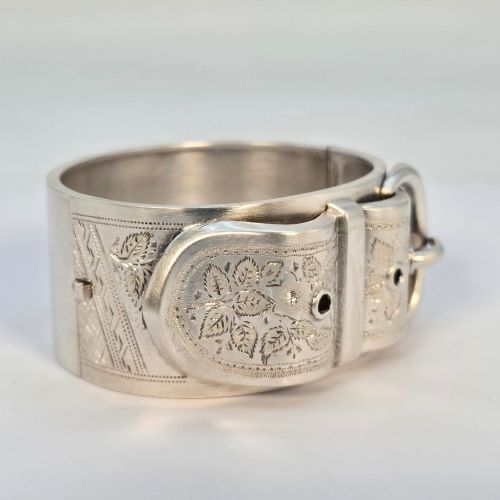
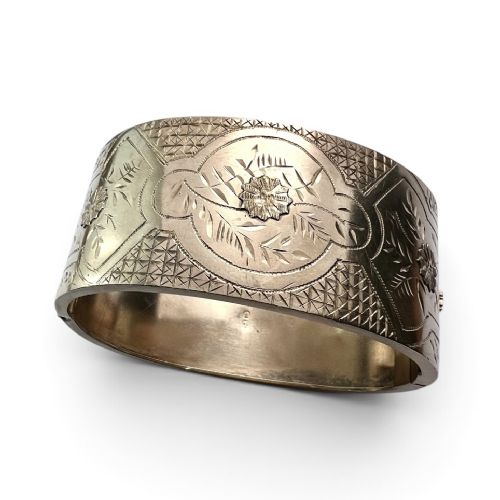
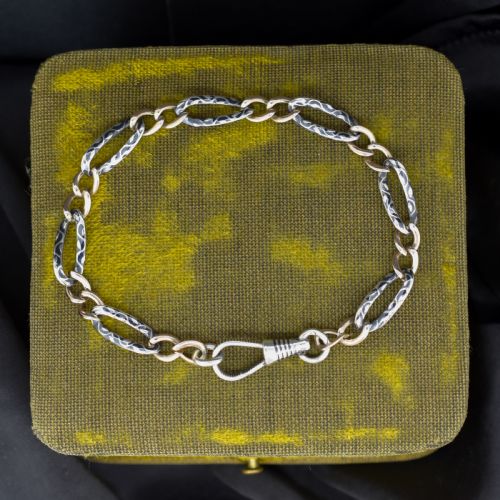
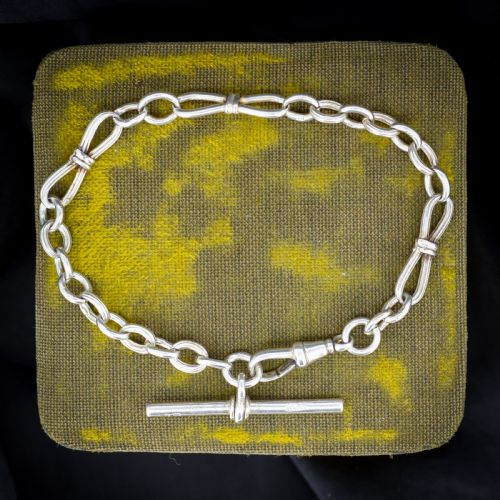
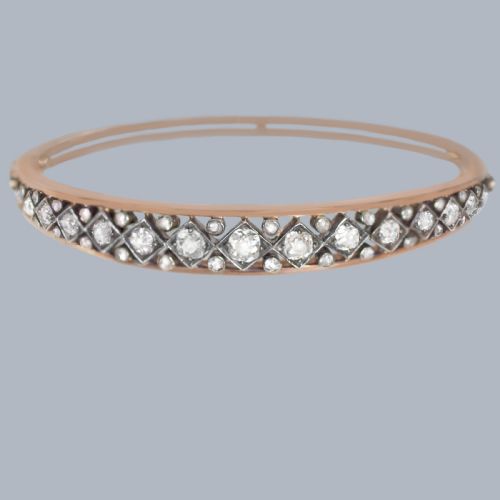
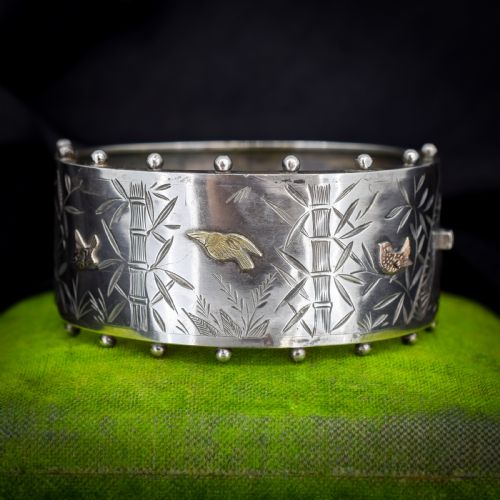
When you search for a victorian silver bracelet, you encounter a diverse array of forms originating primarily from the nineteenth century, with occasional pieces stretching into the Edwardian era. The most common manifestations on this page are wide hinged cuff bangles and substantial link chains secured with dog clips or padlocks.
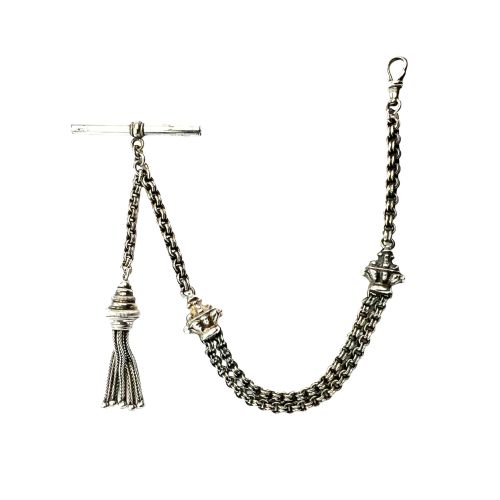
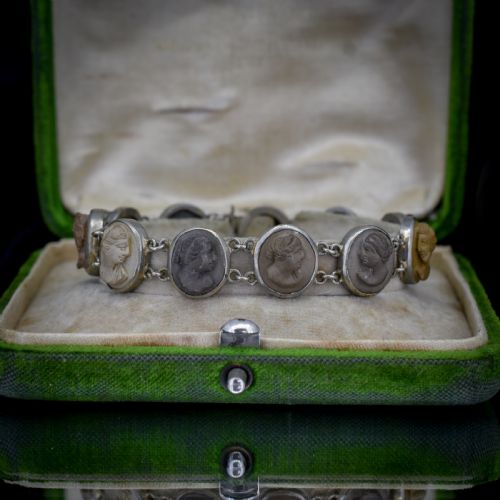
Beyond solid cuffs and link chains, the inventory includes intricate charm bracelets adorned with coins, pendants, and micro-mosaics, alongside specialised formats like Albertina watch chains adapted for the wrist. Scottish pebble jewellery set with hardstones and regional agates also forms a distinct category within these offerings.
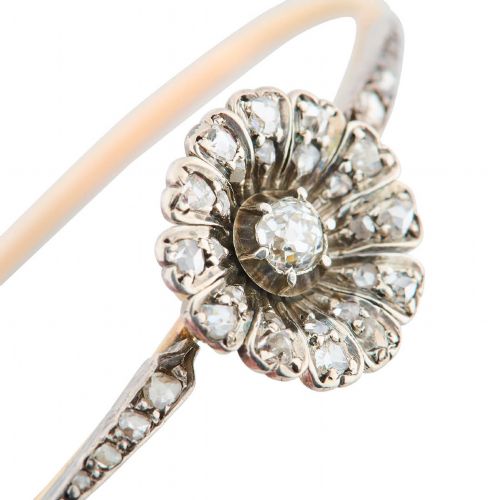
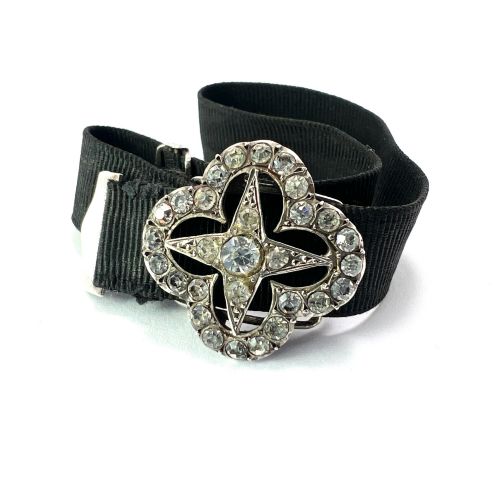
Stylistic influences span from classic Victorian floral engravings and Aesthetic Movement motifs to Austro-Hungarian enamelwork and grand tour souvenirs. Buyers find pieces executed purely in sterling silver as well as those integrating gold accents, niello inlay, and diamond or gemstone settings.
How they were made
Makers utilised sterling silver and various grades of gold, occasionally applying gold gilt or rose gold highlights to create two-tone effects on cuffs and links. Gemstones such as diamonds, emeralds, citrines, and hardstone agates were hand-set into the metalwork, complemented by specialised techniques like niello inlay and enamel.
Construction methods rely heavily on manual hand-engraving, repoussé, and chasing for surface ornamentation, particularly on wide cuffs and buckle bangles. Hinged mechanisms, secure box clasps, and specialised closures like dog clips and heart padlocks demonstrate advanced nineteenth-century metalworking proficiency.
Victorian Silver Bracelet Retail Price Guide 2026
Typical asking prices for victorian silver bracelet among the pieces listed under this phrase on Sellingantiques today, from the lower quarter to the upper quarter. They describe what is for sale here now, not the wider market.
Design forms range from Victorian Aesthetic cuffs and buckle bangles to Albertina watch chains and charm bracelets.
What varies in quality
The distinction between standard examples and superior specimens rests on the depth and crispness of the hand-engraving and the complexity of applied ornamentation, such as integrated gold bird motifs or floral studding. Heavier gauge silver provides a more substantial feel and structural integrity, whereas thinner metals bend under pressure.
The presence of intact original components, including matching safety chains, original padlocks, and uncompromised stone settings, elevates the standing of a piece. Precision in the articulation of hinged cuffs and the tightness of link closures indicate the original maker's standard of execution.
The Victorian Silver Bracelet Glossary
- Dog clip
- A spring-loaded swivel clasp commonly used on watch chains and bracelets to secure a pendant or attach to a jump ring.
- Niello
- A black metallic alloy of sulphur, silver, lead, and copper used as an inlay on engraved metal surfaces.
- Albertina
- A scaled-down version of the traditional Albert pocket watch chain, frequently worn as a delicate bracelet featuring tassels or slides.
- Repoussé
- A metalworking technique where the artisan hammers the metal from the reverse side to form a raised design in relief.
- Hardstone
- Opaque or semi-opaque polished gemstones, such as agate, jasper, and bloodstone, favoured in nineteenth-century Scottish jewellery.
Victorian Silver Bracelet: Frequently Asked Questions
How do I wear a antique cuff safely?
Hinged bangles require careful handling around the pin joint and clasp mechanism to avoid straining the metal over time. Fasten the safety chain whenever you wear the piece to prevent accidental loss.
Ensure the bracelet fits comfortably without pressing tightly against the wrist bone, as rigid cuffs lack the flexibility of linked chains.
What is a padlock clasp used for?
Padlocks on nineteenth-century wristwear served both a decorative function and a practical purpose as secure fasteners for heavy curb chains. Many designs incorporate working miniature locks or decorative spring mechanisms.
These padlocks often match the metal and engraving style of the main chain, occasionally acting as the focal point of the composition.
Can I date a piece without hallmarks?
Stylistic clues such as Aesthetic Movement motifs, specific clasp types, and construction methods help narrow down the period of manufacture. Engraved dates or monograms inscribed by original owners also provide reliable chronological markers.
Comparing the link construction and stone-setting techniques with fully hallmarked examples offers further verification of the era.
How do I clean antique silver safely?
Gentle washing with warm water and mild soap removes daily dirt without stripping the natural patina accumulated over the decades. Avoid abrasive dips or harsh chemical polishes that can damage delicate niello work, enamel, or soft gemstones.
Soft cotton cloths provide adequate shine while preserving the subtle recesses of hand-engraved patterns.