



Antique Gold Pencil
An antique gold pencil combines practical writing utility with the refined craftsmanship of past centuries.
Antique Gold Pencil
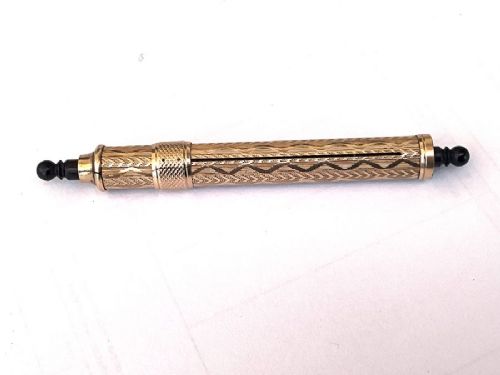
When you search for an antique gold pencil, you encounter small writing instruments and charms fashioned from precious metal. These pieces serve both as functional implements and wearable fob pendants, frequently taking telescopic or propelling forms.
The selections span the nineteenth century and the early twentieth century, including Victorian and Edwardian examples. Many of these items incorporate enamel work or turquoise settings alongside the gold structure.
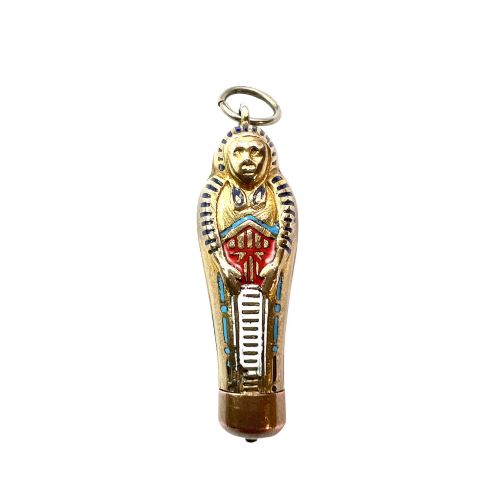
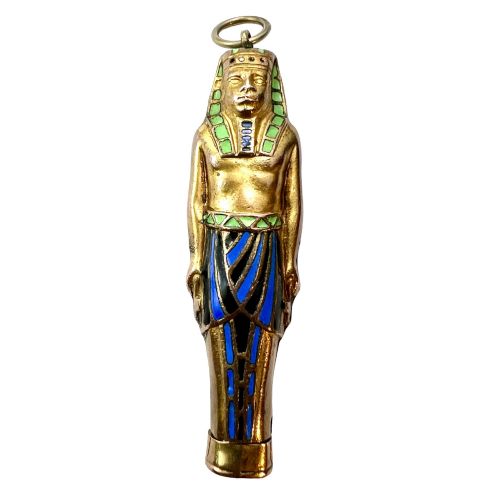
Beyond standard writing tools, the evidence shows novelty pendants shaped like Egyptian sarcophagi and miniature notebooks fitted with tiny pencils. These smaller formats demonstrate how goldsmiths combined mechanics with ornamental design.
What varies in quality
The sophistication of the mechanical propelling action separates standard pieces from more advanced examples. Telescopic designs and complex miniature forms require precise metalwork to function smoothly.
The presence of supplementary materials like enamel and turquoise alters the character of an item. Intricate hand-painted enamel or carefully fitted gemstones indicate higher levels of decorative finish.
Listings for antique gold pencils span the Victorian, Edwardian, and nineteen-twenties periods, often incorporating enamel and turquoise.
EDWARD TODD & CO NEW YORK
The Antique Gold Pencil Glossary
- Propelling pencil
- A mechanical writing instrument that advances the graphite core through the tip via an internal screw or twist mechanism. This design removes the need for sharpening.
- Fob pendant
- A small decorative ornament hung from a pocket watch chain or neck chain. In this context, the pendant doubles as a functional writing tool.
- Telescopic
- A barrel construction that collapses into a shorter length and extends for use. This feature allowed Victorians to carry full-sized writing implements in small pockets.
- Guilloche
- A decorative technique where a precise, intricate pattern is mechanically engraved into a metal surface. Translucent enamel is often applied over this engraving to create depth.
Antique Gold Pencil: Frequently Asked Questions
How do I operate a propelling pencil?
Most antique propelling pencils operate by twisting the upper portion of the barrel or pulling the end section to advance the graphite core. The internal mechanism pushes the lead forward.
Care should be taken not to force the twist action if the lead jams, as the vintage internal components require gentle handling.
Were these pencils meant for daily writing?
Many nineteenth and twentieth-century models served as pocket accessories or chatelaine attachments for daily notes. Their compact size made them portable companions for the literate traveller.
While functional, modern replacement leads of the correct diameter must be sourced carefully to avoid damaging historical mechanisms.
Can I wear a pencil pendant on a chain?
Several examples are fitted with loops or rings specifically designed to attach to a fob chain or neck chain. These novelty pendants function both as jewellery and practical tools.
Checking the security of the suspension loop ensures the piece remains safe during wear.
How do I identify the gold purity?
Makers and assay offices often stamped numerical purity marks, such as nine carat or fourteen carat, directly onto the metal casing. These hallmarks provide clues regarding the geographic origin and date of manufacture.
Examining the surface with a magnifier helps locate these small stamps without causing harm to the gold.