


Rose Gold Charm Pendant
A rose gold charm pendant brings a warm coppery glow to the neckline, combining small-scale sculptural detail with precious metal.
Rose Gold Charm Pendant
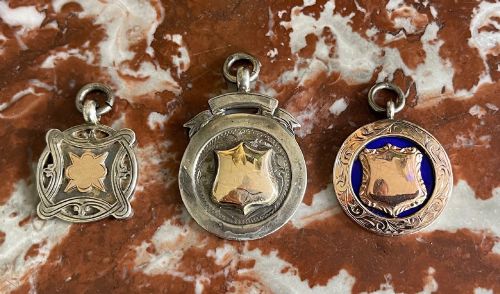
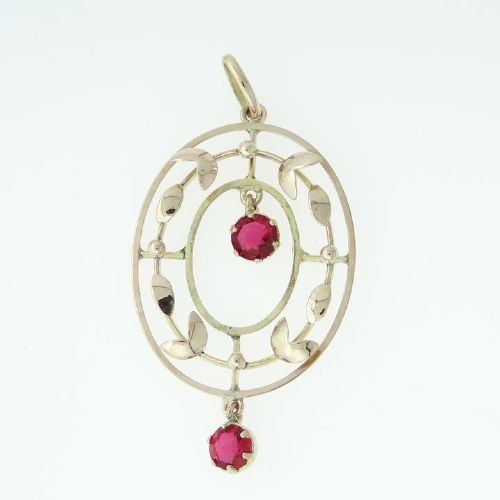
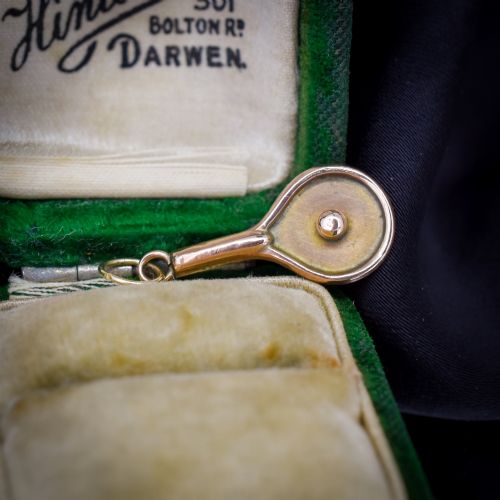
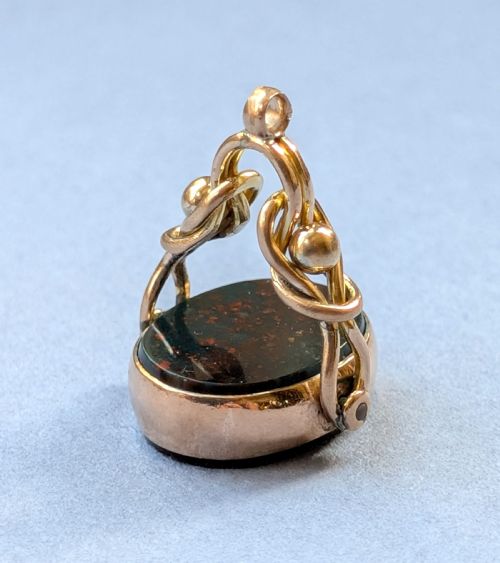
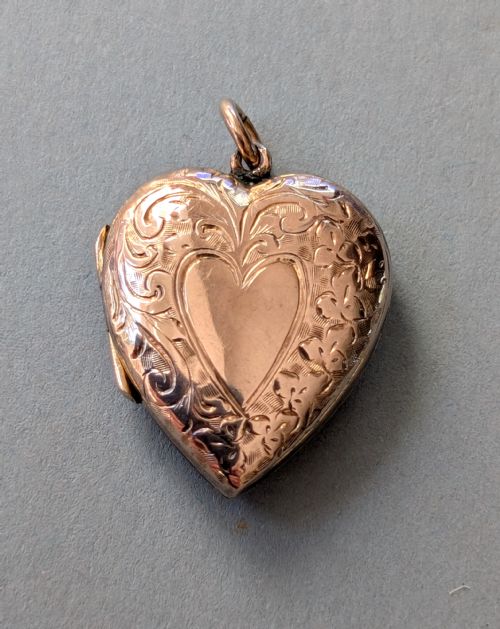
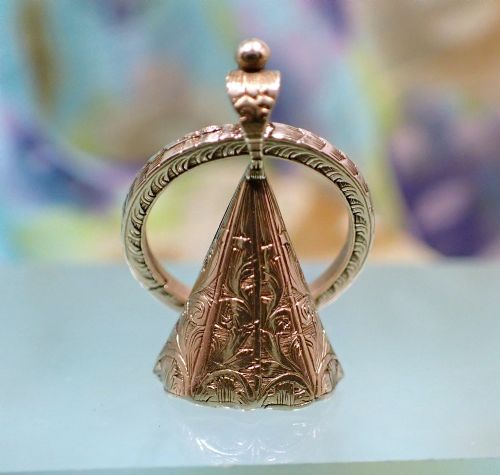
When you search for a rose gold charm pendant, you are looking at small suspended ornaments and lockets shaped as hearts, padlocks, tennis rackets, seals, and religious medals. These pieces span the Victorian, Edwardian, and mid-century periods, alongside French antique designs.
The version you are most likely to meet on this page is a 9ct or 18K rose gold piece, often originating from British workshops or French makers. They frequently incorporate small diamonds, seed pearls, turquoise, garnet, or enamel details within compact forms designed to hang from a chain or charm holder.
Materials and Making
These items rely on 9ct, 15ct, and 18K gold alloys blended to produce a distinct pink or rose hue, frequently paired with yellow gold, silver settings, and occasionally white gold accents. Goldsmiths shaped the metal through stamping, casting, and hand engraving to build hollow lockets, solid seals, and hinged mechanisms.
Gemstones including rose cut diamonds, opals, garnets, bloodstone, and turquoise were flush set, bezel set, or mounted in silver-topped gold alongside blue or guilloche enamel and translucent plique-à-jour enamel work.
Listings feature items spanning the Victorian, Edwardian, and mid-century eras, with French medals and British padlocks appearing frequently.
Factors of Quality
Quality rests in the crispness of the hand engraving and the structural integrity of hinges, springs, and jump rings on padlocks and spinning fobs. Pieces with deep, unsoftened chasing and well-preserved maker marks demonstrate superior original workmanship.
The finesse of the miniature work separates standard items from finer examples, visible in the precision of closed-back diamond settings, undamaged enamel panels, and substantial gold weight rather than thin, easily dented shell construction.
The Rose Gold Charm Pendant Glossary
- Rose Gold
- A gold and copper alloy creating a pinkish or reddish metallic lustre used extensively in Victorian and Edwardian jewellery. It gained popularity for its warm tone which complements gemstones and skin alike.
- Plique-à-jour
- An enamelling technique where enamel is applied in cells without a backing, resembling miniature stained glass. It allows light to pass directly through the translucent coloured glass.
- Guilloche
- A decorative technique where a precise repeating pattern or design is mechanical etched into a metal surface. Enamel is frequently layered over this engraved metal to create shimmering depth.
- Watch Fob
- A short chain or ornament attached to a pocket watch, frequently adapted into pendants or worn as charms. Many feature swivel connectors and hardstone seals.
- Rose Cut
- An antique gemstone cutting style featuring a flat base and a domed crown composed of triangular facets arranged in a star shape. This cut appeared frequently in the eighteenth and nineteenth centuries.
Rose Gold Charm Pendant: Frequently Asked Questions
How do I date a rose gold charm pendant?
Dating relies on stylistic clues, gold hallmarks, and the type of construction used in the piece. Victorian and Edwardian examples often feature specific clasp mechanisms and chased motifs characteristic of the late nineteenth and early twentieth centuries.
French pieces frequently bear specific control marks such as eagle heads on the jump rings or mounts. Comparing these marks with period styles helps narrow the decade of manufacture.
What is the difference between a charm and a pendant?
A pendant is generally designed specifically to hang centrally from a necklace chain as the main decorative focus. A charm is traditionally smaller and was originally intended to hang from a charm bracelet.
In practice, many pieces serve both purposes and are described interchangeably in antique inventories. Their suspension loops accommodate various chains and connectors.
How should I wear an antique locket pendant?
Antique lockets and charm pendants suit standard necklace chains or heavier antique watch chains depending on their scale. Secure spring rings and robust jump rings ensure safe daily attachment.
Opening mechanisms on heart padlocks and lockets should be handled with care to preserve internal hinges and glass photo compartments.