


Victorian Heart Pendant
A victorian heart pendant carries sentiment across the decades, combining precious metals and gems into an enduring symbol of devotion.
Defining the victorian heart pendant
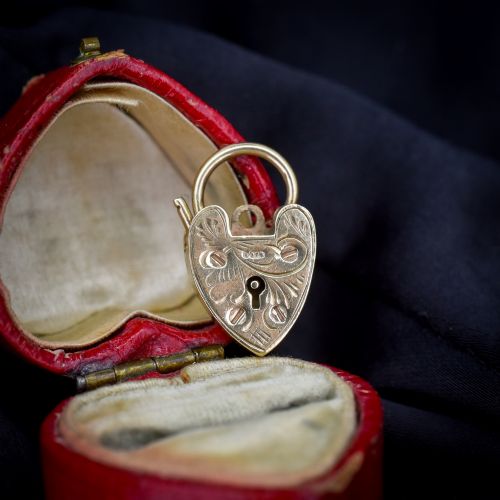
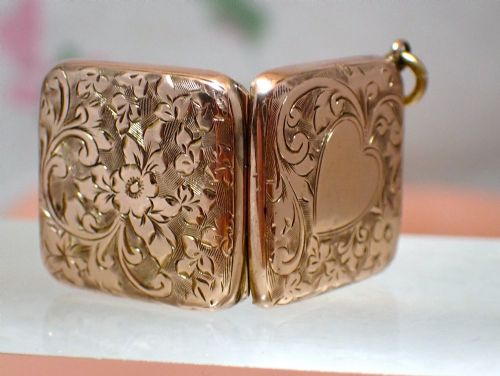
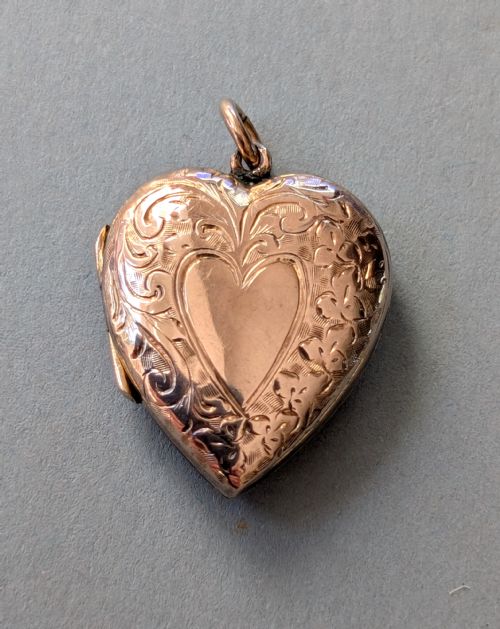
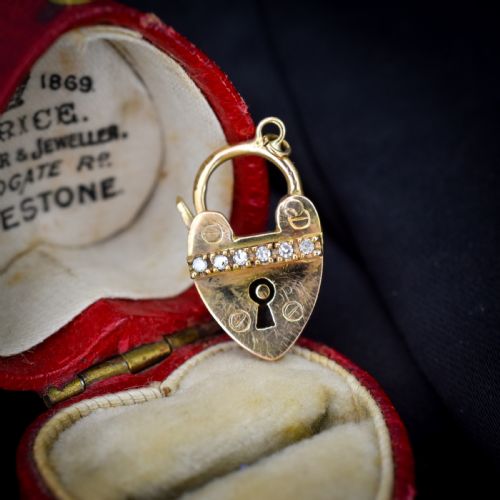
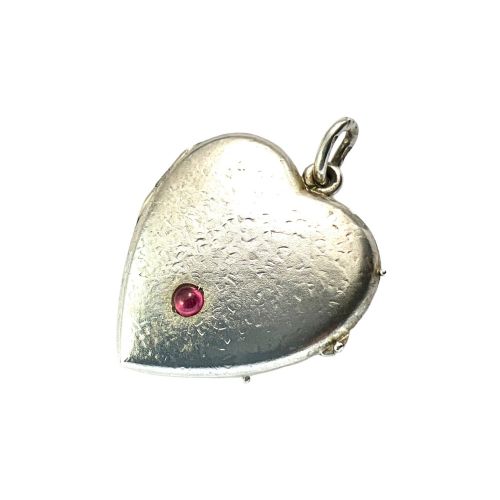
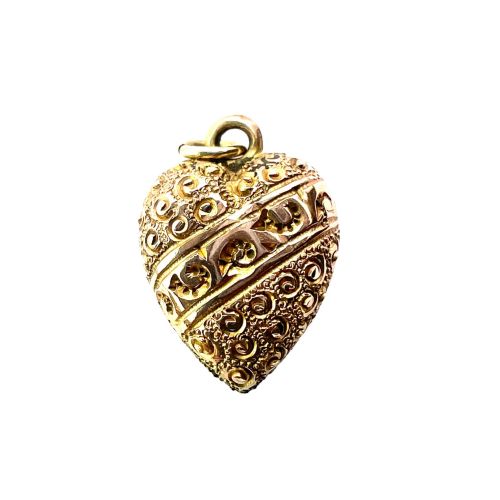
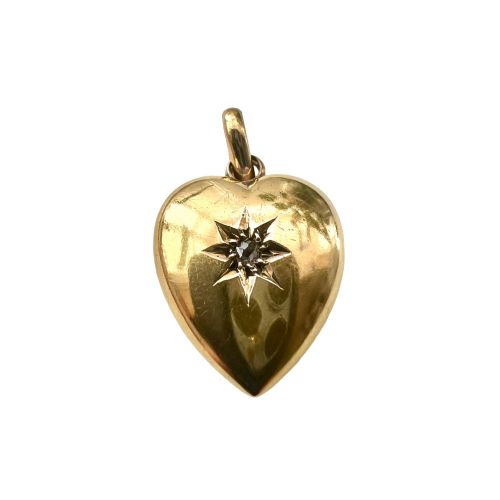
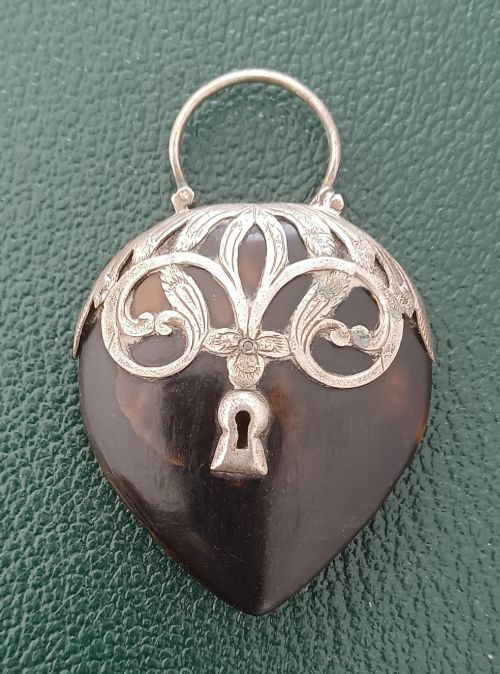
A victorian heart pendant takes the form of lockets, puff pendants, and charm pendants produced during the nineteenth and early twentieth centuries. These pieces span Victorian, Edwardian, and Belle Epoque styles, reflecting changing aesthetic tastes across the eras.
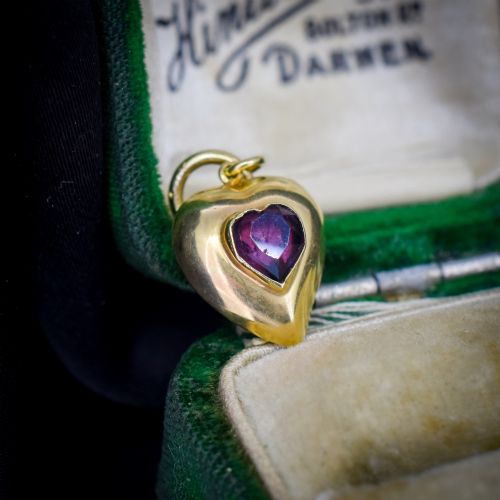
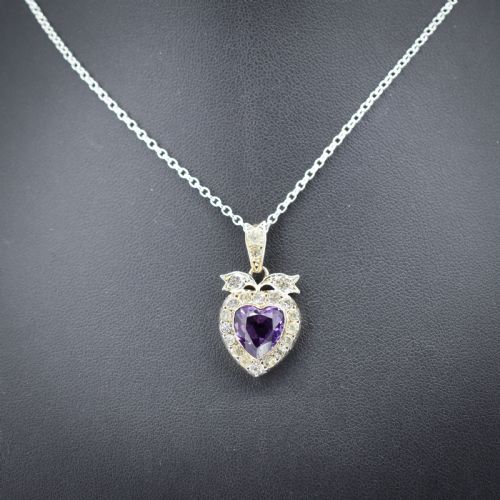
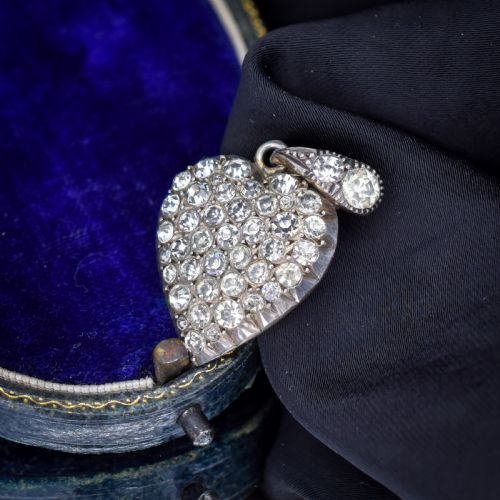
The most frequent examples encountered on this page include 9ct gold, 15ct yellow gold, and silver pieces often set with stones such as amethyst, turquoise, pearl, and diamond. Many function as hinged lockets or memorial pieces designed to hold small mementos or hair.
Makers such as B & F contribute to the variety, alongside French pieces from the Edwardian and Belle Epoque periods featuring sapphire, ruby, and natural diamond.
Distinctions in craftsmanship
Quality separates simple stamped metal shells from substantial high carat gold puff pendants featuring hand chased details and complex enamel work. The choice of stones marks a clear division, moving from paste glass and small seed pearls to substantial natural sapphires, emeralds, and old cut diamonds.
The integrity of hinged opening mechanisms, original chains, and intact interior bezel frames for photographs influence the standing of individual pieces. Survival of original components, such as velvet cases or intact glass compartments, distinguishes preserved examples.
Retail Price Guide 2026
Typical UK retail prices for victorian heart pendant, calculated from the Sellingantiques database of over a million retail prices indexed since 2003. This retail price guide relies exclusively on Sellingantiques data; no external sources or auction records are used, so the figures do not describe the wider market.
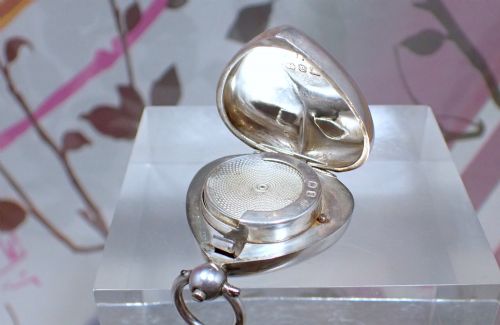
A tiny pillbox tucked inside a silver heart shape proves that victorian sentimentality occasionally doubled as a discreet place for lozenges.
B & F
The Victorian Heart Pendant Glossary
- Puff pendant
- A hollow, three-dimensional heart formed from two convex plates of gold joined at a central seam. This construction allowed makers to create visually substantial pieces without excessive weight.
- Guilloche enamel
- Decorative metalwork covered in translucent enamel over an engine-turned geometric pattern. It creates a rippling play of light beneath the coloured glass surface.
- Seed pearl
- Very small, naturally occurring pearls often drilled and sewn onto gold wire or set en masse. They form delicate floral and border motifs on sentimental jewellery.
- Old cut diamond
- A hand-faceted diamond shape predating modern brilliant cuts, characterised by a smaller table, higher crown, and open culet. These stones catch candlelight with a softer, broader scintillation.
- Witches heart
- A heart pendant with a twisted tail curving to one side, traditionally given as a betrothal gift in European folklore. The asymmetric silhouette distinguishes it from standard symmetrical designs.
Frequently Asked Questions
What is a puffy heart pendant?
A puffy heart is a hollow three-dimensional pendant fashioned from two convex metal halves soldered together. They were produced in various gold carats and silver.
Many contain hollow interiors designed to hold photographs, locks of hair, or fabric mementos beneath hinged covers.
How do I date a heart pendant?
Dating relies on hallmarks, metal carats, and stylistic markers such as enamel colours and gemstone cuts. Victorian pieces frequently utilise 15ct gold and high carat settings.
Edwardian and Belle Epoque examples often incorporate platinum accents, French control marks, and lighter openwork configurations.
Can I put a photo inside?
Many listings include hinged lockets or photo pendants equipped with interior bezel frames and clear covers. These compartments were specifically engineered to hold miniature portraits.
Solid puff pendants and charm versions without hinges do not open and cannot hold photographs.
What do the different gemstones signify?
Gemstones in nineteenth-century jewellery often carried sentimental meanings, such as turquoise for fidelity and pearls for tears or purity. Amethysts, garnets, and rubies added vibrant colour to memorial and romantic tokens.
Combinations of stones frequently spelled out acrostic messages or simply enhanced the visual richness of the piece.