


Edwardian Paste Jewellery
Edwardian paste jewellery brings the refined brilliance of high-society stones into accessible silver and gold settings.
Edwardian Paste Jewellery
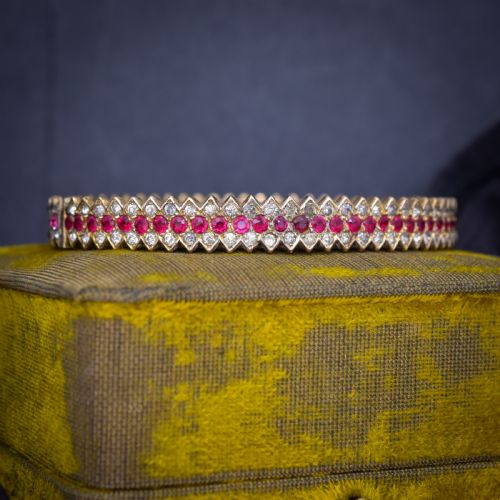
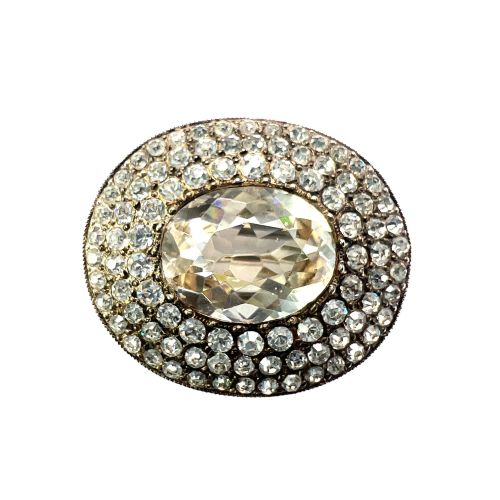
Edwardian paste jewellery encompasses wearable pieces designed to catch the light with hand-cut glass stones set in precious metals. When searching for edwardian paste jewellery, you encounter everything from delicate drop necklaces to substantial statement bracelets spanning the late nineteenth century through the art deco period.
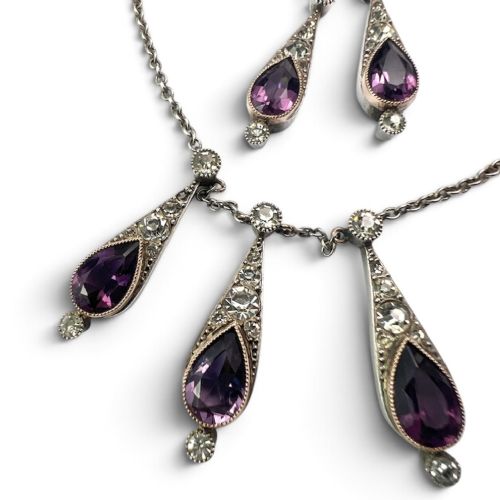
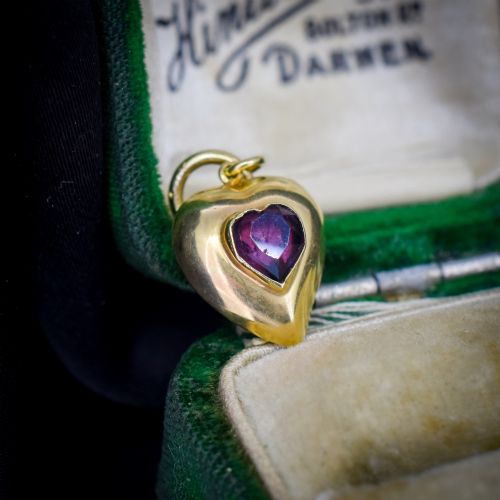
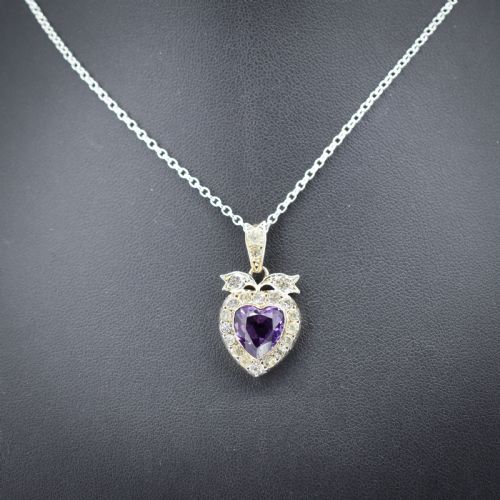
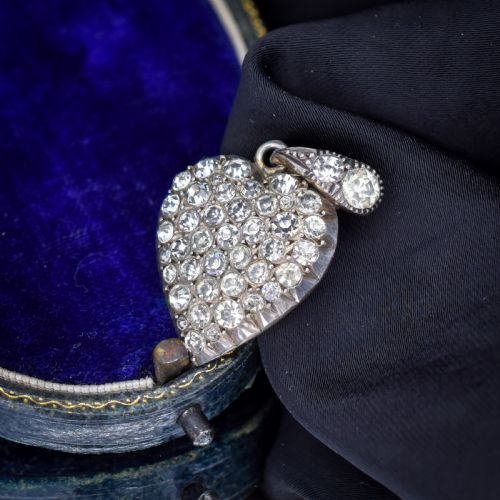
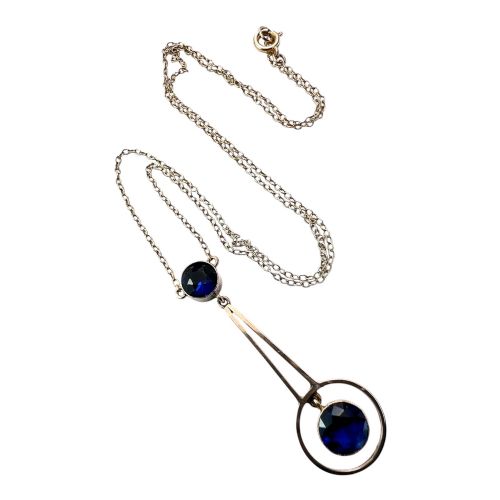
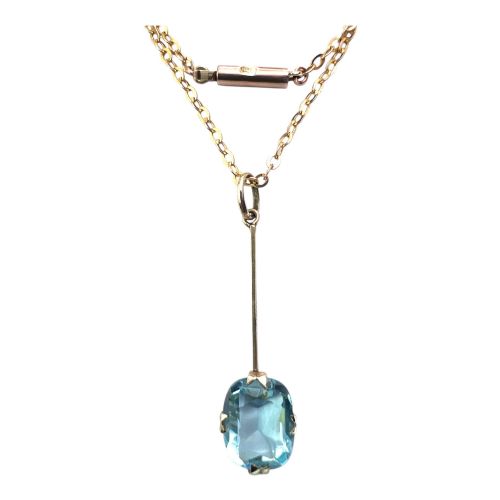
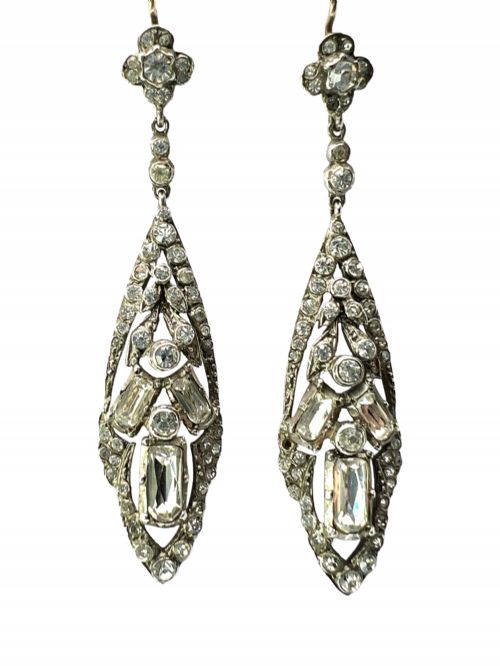
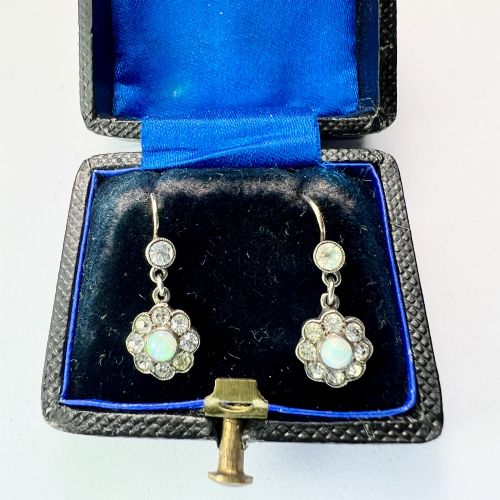
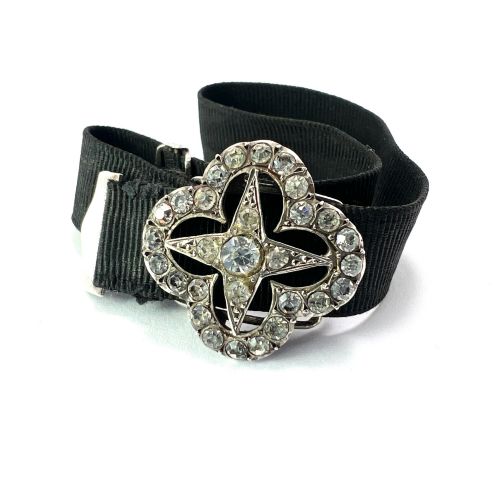
The assortment on this page highlights specific forms such as puffy heart pendants, riviere necklaces, and drop earrings. Silver and gold dominate the settings, frequently paired with paste glass configured to mimic amethyst, aquamarine, emerald, and diamond.
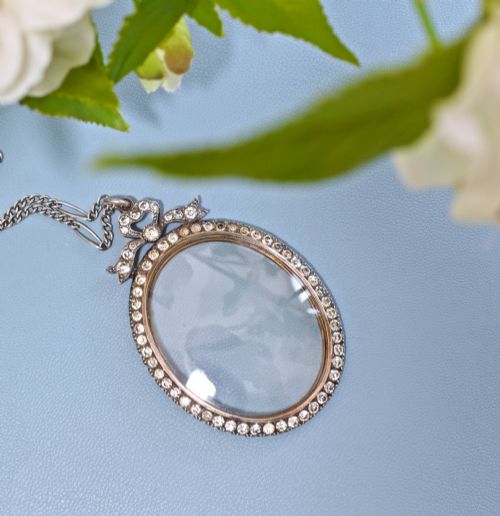
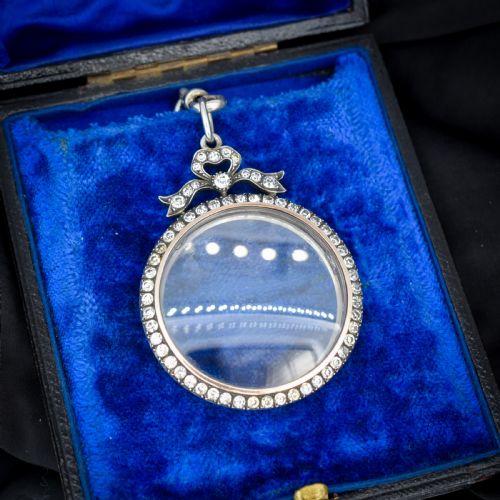
While true Edwardian examples anchor the selection, Victorian and 1920s pieces appear regularly. These items range from dainty screwback earrings to elaborate lockets and multi-piece jewellery sets.
How they were made
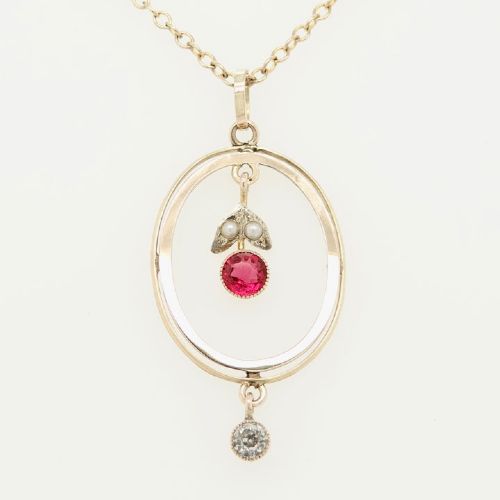
Maker's workshops built these items using sterling silver, 9ct gold, 18ct gold, and gold gilt, often combining silver and gold in a single mounting to enhance the sparkle of the stones. Metalwork techniques include filigree, delicate wirework, and pin fittings.
The stones themselves are cut glass, termed paste, shaped into old cuts, baguettes, and cushion cuts. These glass gems are held securely in settings alongside seed pearls, enamel, and occasionally natural stones like opal or citrine.
Edwardian Paste Jewellery Retail Price Guide 2026
Typical asking prices for edwardian paste jewellery among the pieces listed under this phrase on Sellingantiques today, from the lower quarter to the upper quarter. They describe what is for sale here now, not the wider market.
Listings feature silver, sterling silver, gold, and 9ct gold, demonstrating the varied metal choices used by period makers.
What varies in quality
Quality in edwardian paste jewellery depends heavily on the precision of the stone cutting and the integrity of the metal setting. Hand-cut glass with crisp facets reflects light far better than mass-produced moulded alternatives.
The intricacy of the mounting also dictates worth, distinguishing simple stamped components from detailed filigree work and combined gold-and-silver construction. Preservation of the original stones and secure setting prongs separate everyday items from superior examples.
Knoll and Pregizer·Charles Horner
The Edwardian Paste Jewellery Glossary
- Paste
- Hand-cut and polished lead glass designed to imitate precious gemstones. It has a high refractive index which gives it a bright sparkle.
- Riviere necklace
- A continuous line of similarly cut gemstones or paste stones linked closely together. They sit flat against the collarbone.
- Old cut
- A historic diamond-cutting style with a small table and high crown, adapted here for glass stones to capture candlelight.
- Filigree
- Delicate ornamental work of fine silver or gold wire twisted into intricate open patterns. It requires skilled manual labour to execute.
- Locket
- A small hinged pendant designed to hold a portrait or keepsake. Edwardian versions frequently feature paste borders.
Edwardian Paste Jewellery: Frequently Asked Questions
What is paste jewellery?
Paste jewellery uses hand-cut lead glass instead of mined gems to achieve brilliance. Artisans set these glass stones into silver or gold just like genuine diamonds and coloured stones.
This tradition dates back centuries, reaching a peak of elegance during the Edwardian era when makers prioritized delicate, light-catching designs.
How do I clean silver paste items?
Clean silver settings gently with a soft cloth designed for precious metals. Avoid submerging antique paste pieces in liquid cleaner because moisture can seep behind the stones and discolour the foil backing.
Keep the items away from harsh chemicals and perfumes to protect both the metal and the glass.
How can I date paste jewellery?
Dating relies on a combination of metal types, stone cuts, and construction styles. Edwardian pieces often feature lighter silver mounts and intricate floral or bow motifs, whereas 1920s examples lean towards geometric art deco lines.
Hallmarks and specific clasp types also help narrow down the decade of production.