



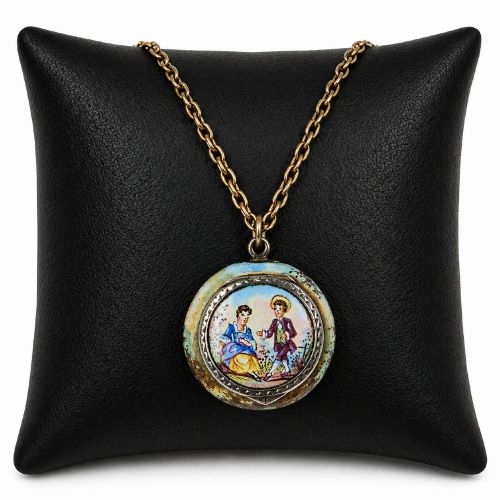


Georgian Gold Locket
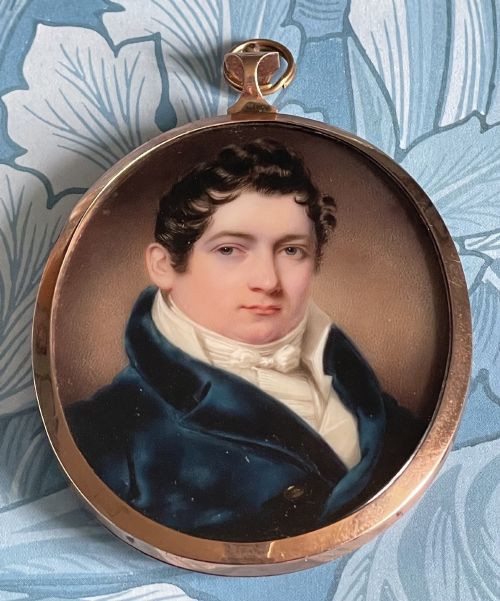
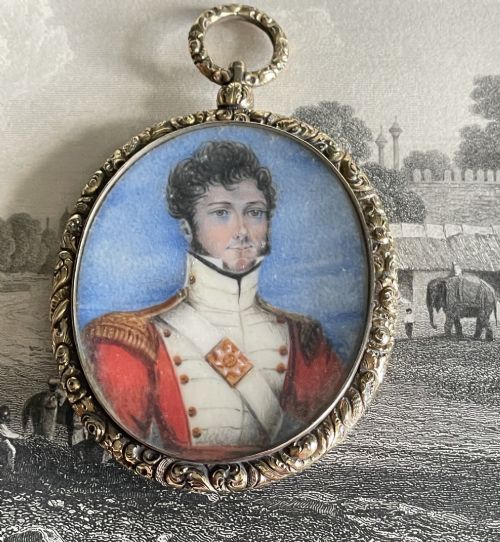
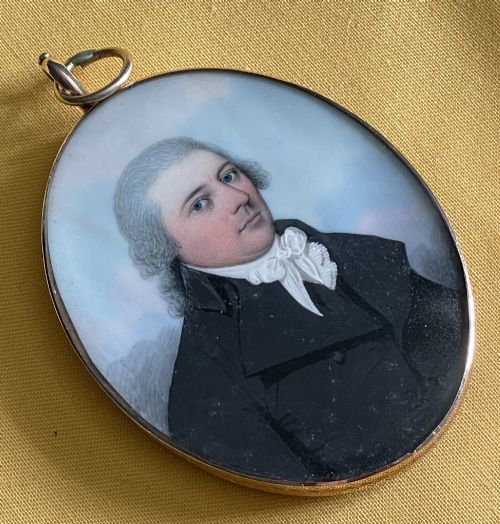
A georgian gold locket holds hand-painted portrait miniatures, braided hair, and memorial watercolours behind glass within precious metal frames.
Georgian Gold Locket
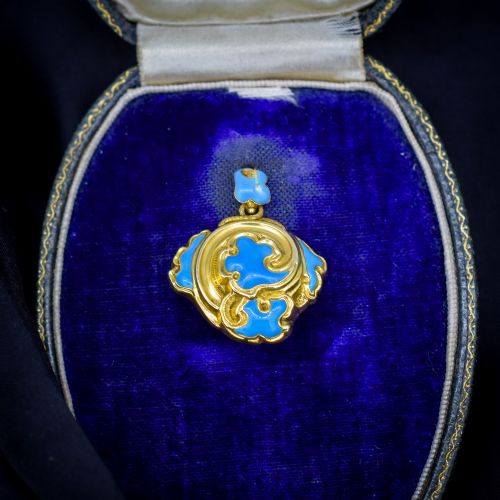
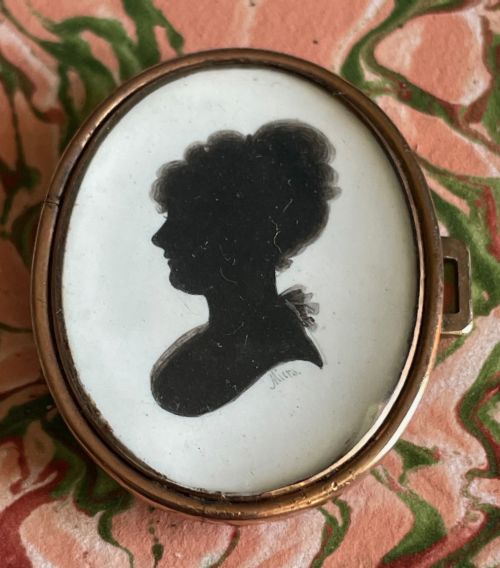
A georgian gold locket combines miniature painting, silhouette work, or mourning hair art housed in gold, gilt metal, and enamel casings. These pieces span the eighteenth and nineteenth centuries, originating from Georgian, Regency, and early Victorian periods.
Buyers searching for a georgian gold locket most commonly encounter pendant lockets, portrait miniature frames, and mourning pieces rendered in 9ct, 14ct, and 18ct gold. Many examples incorporate glass panels on both sides to reveal delicate watercolours, sepia paintings, or woven hair.
Materials and construction
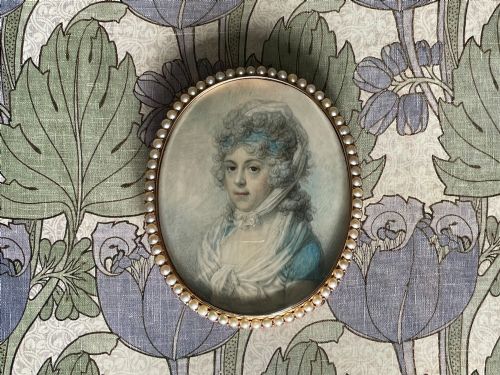
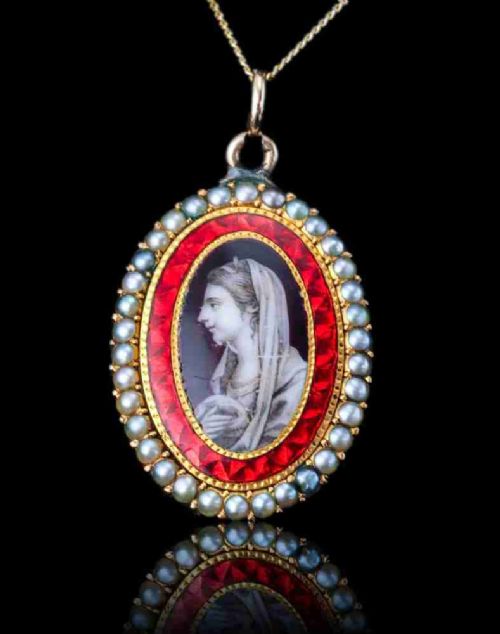
Makers fashioned these pendants using gold frames, often set with pearls, turquoise, paste stones, or blue enamel details. The miniature artworks themselves utilise watercolour on ivory, vellum, or agate panels, sealed securely beneath protective glass covers.
Metalwork techniques include engine-turned surface patterns, intricate bezels, and swivel mounts designed to display double-sided portraits or hair memorials.
Georgian Gold Locket Retail Price Guide 2026
Typical asking prices for georgian gold locket among the pieces listed under this phrase on Sellingantiques today, from the lower quarter to the upper quarter. They describe what is for sale here now, not the wider market.
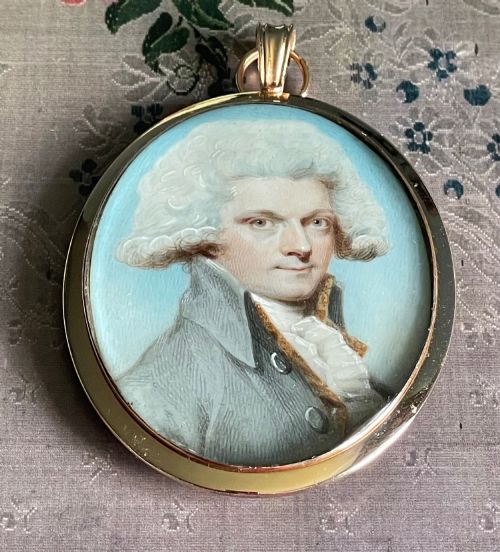
Naval officers and country gentlemen gaze out from miniature frames, frozen in time with remarkably powdered wigs and waistcoats.
Factors of quality
Quality rests principally upon the finesse of the miniature painting and the integrity of the gold or enamel housing. Skilled portraiture by documented hands commands greater appreciation than standard workshop output.
The preservation of the glass, the crispness of engine-turned chasing on the gold casing, and the original pairing of the artwork with its frame define the hierarchy of these survivals.
Henry Bone ARA·Charles Shirreff·Richard Cosway·John Miers·John C D Engleheart·Frederick Buck·William Wood·Charles Hayter·Christian Friedrich Zincke·Jacob Amyand·George Engleheart·James Ferguson·Emma Kendrick·William Grimaldi·Henry Jacob Burch·Isaac Wane Slater·Edward Pugh·Samuel Cotes·John Inigo Wright·AE Chalon
The Georgian Gold Locket Glossary
- Portrait miniature
- A small, highly detailed painting executed on ivory, vellum, or card, usually intended to be worn close to the heart.
- Mourning locket
- A piece of jewellery containing human hair, a sepia painting, or initials to commemorate a deceased person.
- Paste
- Faceted glass or lead crystal cut to imitate precious gemstones like rubies, emeralds, or diamonds within period settings.
- Engine-turned
- A geometric decorative pattern mechanically engraved into metal surfaces using a rose engine lathe.
- Vinaigrette
- A small ornamental box or pendant featuring a pierced inner grille, originally holding a sponge soaked in aromatic vinegar.
Georgian Gold Locket: Frequently Asked Questions
What is inside a georgian gold locket?
These pieces typically enclose hand-painted portrait miniatures on ivory or vellum, silhouette profiles, or elaborate arrangements of human hair created for remembrance. Some examples feature double-sided glass compartments displaying artwork on one side and woven hair on the reverse.
Precious mementos and tiny watercolours were sealed carefully to protect the delicate pigments from moisture and handling over the centuries.
How do I date a georgian gold locket?
Dating relies upon the costume and hairstyle depicted in the miniature, the construction methods of the gold frame, and hallmarks where present. Georgian pieces often display specific bezel settings and backings characteristic of the late eighteenth and early nineteenth centuries.
Stylistic shifts from eighteenth-century powdered wigs to Regency neoclassical dress provide clear chronological markers for the artwork contained within.
Can you wear a georgian gold locket daily?
Due to their age and the delicate nature of materials like ivory, watercolour, and enamel, these lockets require careful handling. Wearing them occasionally on a secure chain preserves the fragile glass and precious metalwork from knocks.
Direct contact with water, perfumes, and cosmetics should be avoided entirely to prevent staining the internal paintings or hairwork.
What distinguishes a mourning locket from standard jewellery?
Mourning jewellery incorporates specific memorial elements such as braided human hair, sepia ink painting, or inscriptions naming a deceased individual. These pieces served as personal tokens of grief and remembrance popular during the Georgian and Victorian eras.
Standard portrait pieces celebrated living family members, whereas mourning variants carried explicit symbols like weeping figures, urns, or dark enamel borders.