





Miniature Painting Pendant
These miniature painting pendant examples span the eighteenth and nineteenth centuries, offering portable portraits set in gold, silver, and enamel frames for personal wear.
Miniature Painting Pendant
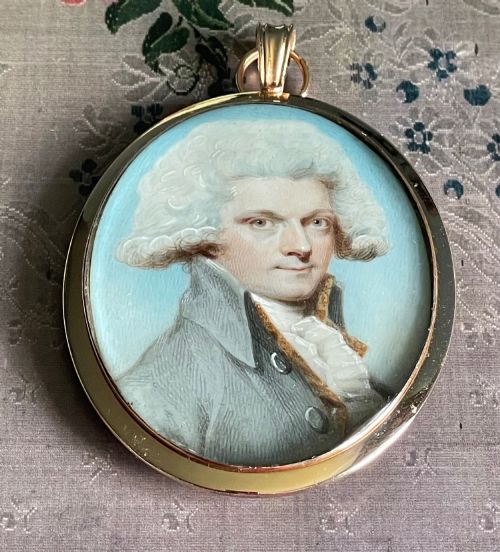
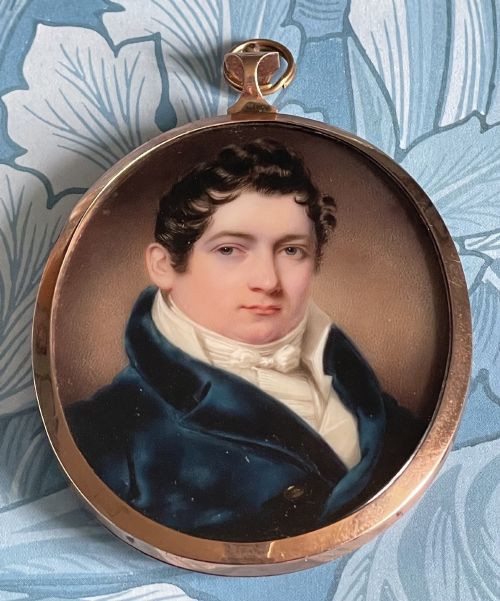
A miniature painting pendant brings together fine portraiture and personal jewellery, taking the form of a small-scale likeness designed to be worn around the neck or pinned to clothing. These pieces span periods from the early eighteenth century through the Victorian era and into the early twentieth century, reflecting shifting tastes in portraiture and framing. Buyers searching for a miniature painting pendant encounter diverse formats, from simple gilt metal mountings to elaborate gold frames set with pearls.
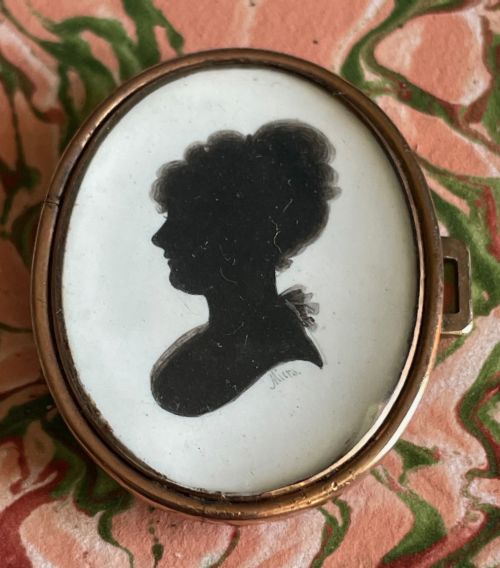
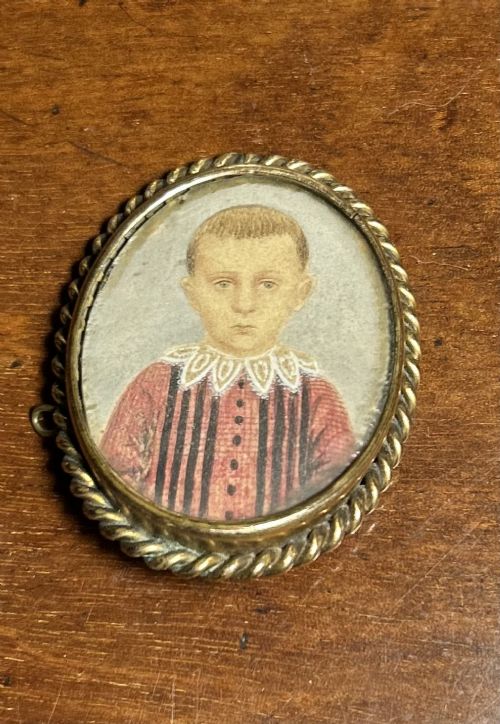
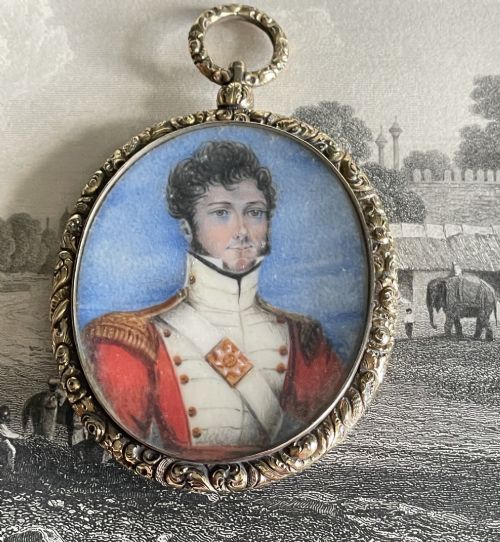
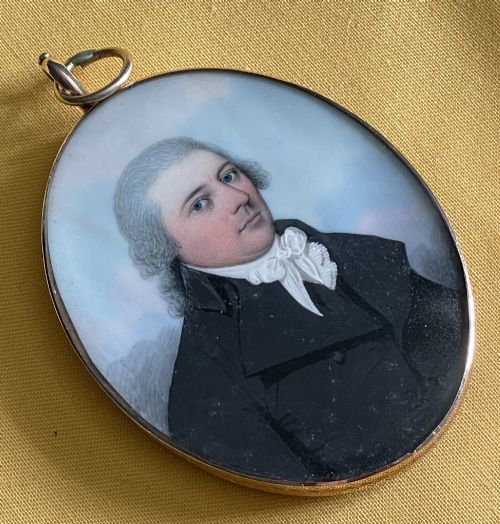
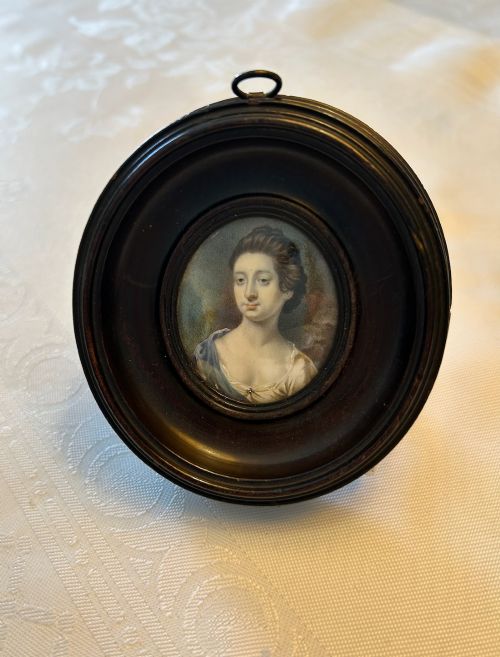
The subjects depicted on this page include named gentlemen, military officers, ladies in lace, and children, executed by various British and European artists. Many items function as both brooches and pendants, allowing versatile wear. The forms range from oval ivory plaques and vellum sheets to enamel panels and glass silhouettes.
Most pieces date from the Georgian and Victorian periods, showcasing artistic styles from Neoclassical restraint to elaborate Baroque and Regency framing. The materials of the primary works encompass watercolour, pigment, and enamel, housed within protective glass fronts and precious metal backs.
Materials and construction
Artists created these small portraits using watercolour, enamel, or pigment applied to delicate supports such as ivory, vellum, glass, and agate panels. The reliance on fine watercolours required steady brushwork and precision to achieve facial detail on a tiny scale, while enamel versions involved fusing powdered glass pigments to metal under high heat.
Listings feature works spanning the eighteenth and nineteenth centuries, incorporating materials such as ivory, gold, enamel, and glass.
Evaluating craftsmanship and survival
The quality of the enclosing metalwork also dictates value, with heavy gold mountings, pearls, and intact enamel work representing higher tiers of production. The overall state of preservation, including the clarity of the underlying ivory or vellum and the tightness of the frame, separates exceptional survivals from damaged items.
Henry Bone ARA·Charles Shirreff·John Miers·John C D Engleheart·Frederick Buck·Charles Hayter·Christian Friedrich Zincke·William Naish·James Ferguson·George Engleheart·William Grimaldi·John Inigo Wright·Samuel Cotes·AE Chalon·John Barry
The Miniature Painting Pendant Glossary
- Portrait miniature
- A small-scale painting, typically executed in watercolour on ivory, vellum, or card during the eighteenth and nineteenth centuries. These portable likenesses were frequently commissioned to commemorate family members or public figures.
- Enamel
- A durable substance made by fusing powdered glass to a metal substrate at high temperatures. In these listings, enamel appears both as the medium for the portrait and as decorative border framing.
- Silhouette
- A solid dark profile portrait, usually cut from paper or painted on glass or card. This technique offered a direct and popular alternative to detailed polychrome painting during the Georgian and Regency eras.
- Vellum
- A fine parchment prepared from calfskin, used as a stable drawing surface for delicate watercolour miniatures before the widespread adoption of ivory.
Miniature Painting Pendant: Frequently Asked Questions
How were these pendants worn?
Owners typically wore these items suspended from ribbons or chains around the neck, keeping the likeness of a loved one close to the heart. Many examples also feature integrated pin fittings on the reverse, allowing them to function interchangeably as brooches.
This dual functionality made them versatile accessories for formal or everyday attire throughout the Georgian and Victorian periods.
How can I date a piece?
Dating relies on a combination of costume styles, hair fashions, painting techniques, and the construction methods of the metal frame. Georgian pieces often display powdered wigs and high-waisted attire, while Victorian examples feature distinct dress codes and heavier gold mountings.
Signatures, inscriptions on the reverse, and known working dates of the artists listed on the frame also provide precise chronological markers.
Are these paintings executed on ivory?
Many eighteenth and nineteenth-century portraits utilise thin slices of ivory as a luminous base for watercolour pigments. Other pieces employ alternative supports such as vellum, enamel, glass, or agate panels.
The choice of material often depends on the period and the specific technique favoured by the individual artist.