




Georgian Painted Pendant
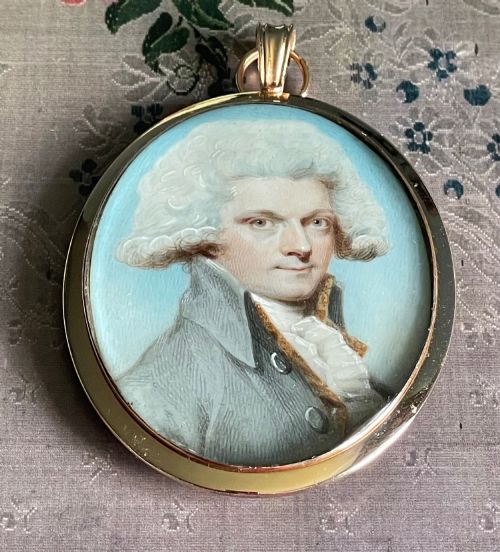
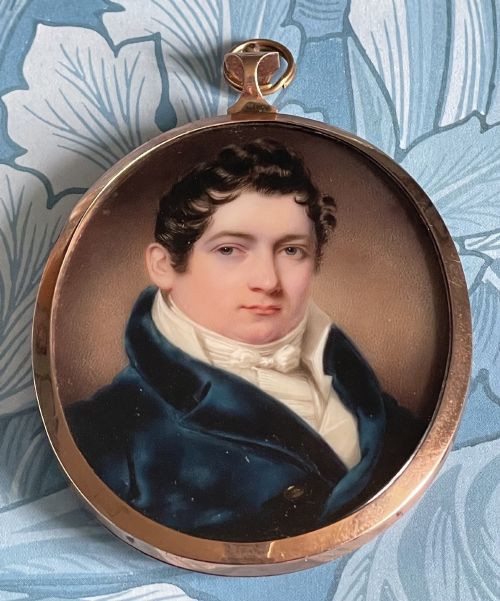
A georgian painted pendant combines miniature portraiture and wearable art, offering a portable likeness rendered in pigment, enamel, or glass.
Georgian Painted Pendant
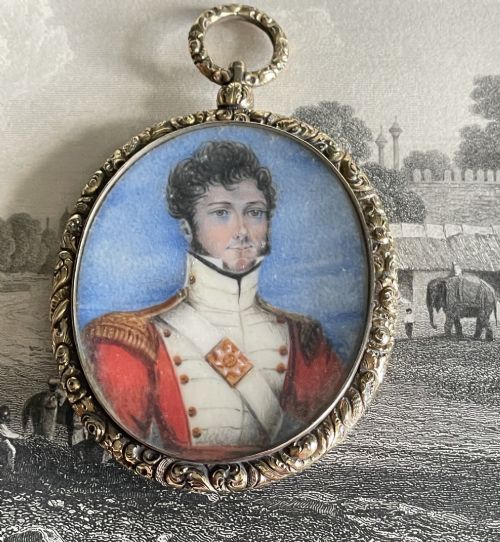
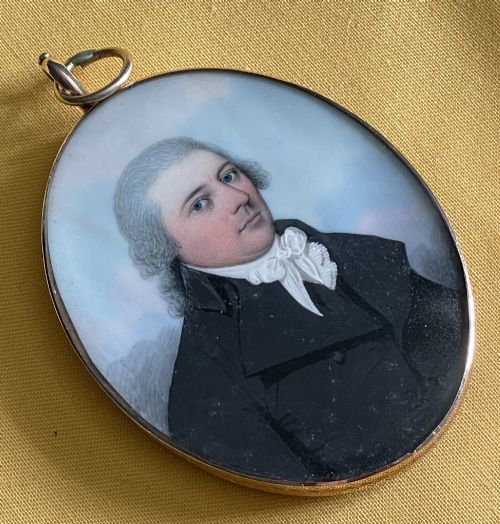
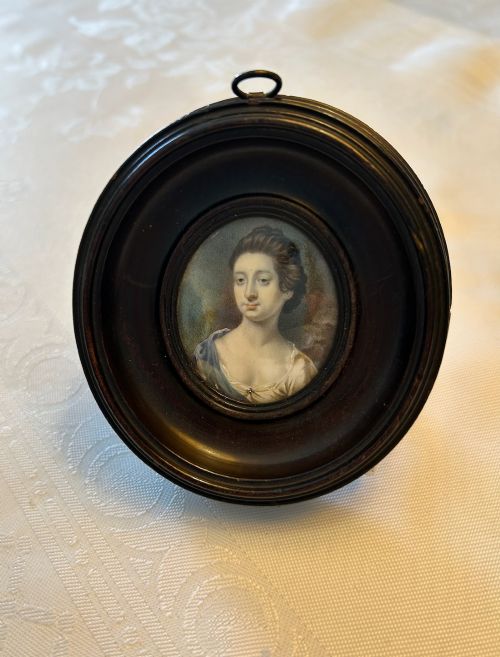
A georgian painted pendant typically takes the form of a portrait miniature, capturing the likeness of a gentleman, lady, or naval officer in delicate detail. These works serve primarily as jewellery, designed to be worn close to the heart or displayed as fine art.
Most examples encountered here date from the eighteenth and nineteenth centuries, spanning the Georgian and Regency periods. They often appear framed in gold, gilt metal, or ebonised surrounds, sometimes configured as double-sided lockets.
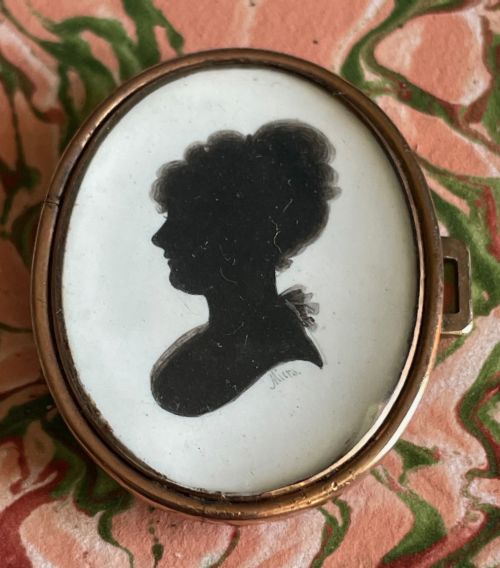
Beyond standard portrait miniatures, the category includes silhouette jewellery pieces on glass and specific works by notable artists of the era. Buyers will also find related forms such as brooches and pendant locket housings.
Materials and Techniques
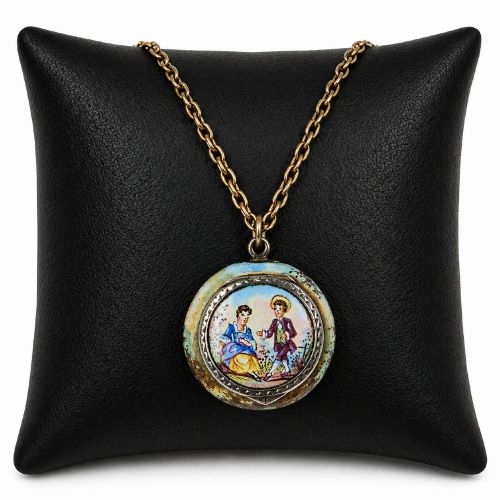
Artists painted these miniature portraits using watercolour and pigment on delicate surfaces such as ivory, vellum, and agate panels. Some works utilise enamel techniques fused to metal to achieve lasting brilliance.
Mountings relied on precious metals, predominantly gold frames, occasionally enhanced with pearls or set within gilt metal and ebonised wood. Glass protected the fragile painted surfaces from environmental wear.
One persistent naval officer continues to watch over proceedings from his eighteen-karat gold frame.
Assessing Quality
Quality rests principally on the precision of the brushwork and the psychological depth of the portraiture. Master miniaturists captured fine details in lace, hair, and facial expression that lesser hands missed.
The sophistication of the mounting further distinguishes the work, with heavy gold frames and pearl settings elevating the overall object. The preservation of the underlying pigment and the clarity of the protective glass also shape the standing of each piece.
Henry Bone ARA·Charles Shirreff·John Miers·John C D Engleheart·Frederick Buck·Charles Hayter·Christian Friedrich Zincke·William Naish·George Engleheart·James Ferguson·William Grimaldi·John Inigo Wright·Samuel Cotes·AE Chalon·John Barry
The Georgian Painted Pendant Glossary
- Portrait miniature
- A small, highly detailed painting, usually executed on ivory, vellum, or card during the eighteenth and nineteenth centuries.
- Silhouette
- A profile portrait filled in with a solid dark pigment, often painted on glass or cut from paper.
- Enamel
- A glassy substance fused to a metal substrate through firing, providing a durable and vibrant surface for portraiture.
- Locket
- A small ornamental case worn on a chain around the neck, designed to hold a miniature painting or lock of hair.
- Vellum
- A fine parchment made from prepared calfskin, used as a stable painting surface for miniatures.
Georgian Painted Pendant: Frequently Asked Questions
What is a georgian painted pendant?
A georgian painted pendant is a small wearable portrait miniature created during the eighteenth or early nineteenth century. These objects function as both personal mementoes and pieces of fine jewellery.
They typically feature hand-painted likenesses set into gold or gilt metal frames designed to hang from a chain.
How were these pendants worn?
Owners wore these pendants suspended from ribbons or gold chains around the neck. They served as intimate keepsakes to remember family members, spouses, or respected figures.
Some designs incorporated locket backs to hold hair or secondary portraits.
How can I tell the period?
Dating relies on the costume, wig styles, and hair arrangement depicted in the portrait. The construction of the metal frame and the materials used also provide clear chronological markers.
Signed works or identifiable artist attributions help anchor the date more precisely.