


British Portrait Miniature
A british portrait miniature captures a likeness on a tiny scale, offering an intimate glimpse into past centuries through delicate brushwork.
British Portrait Miniature
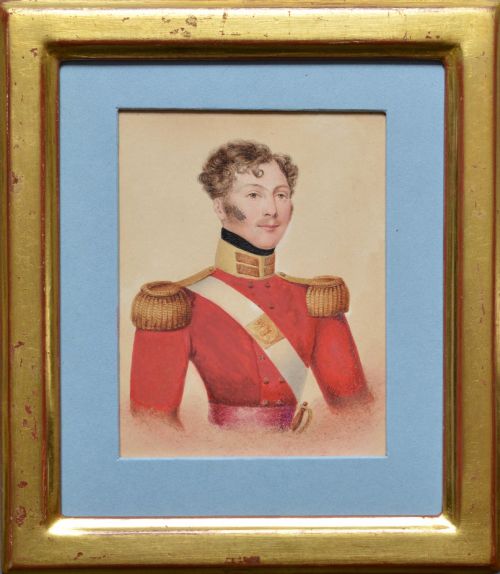
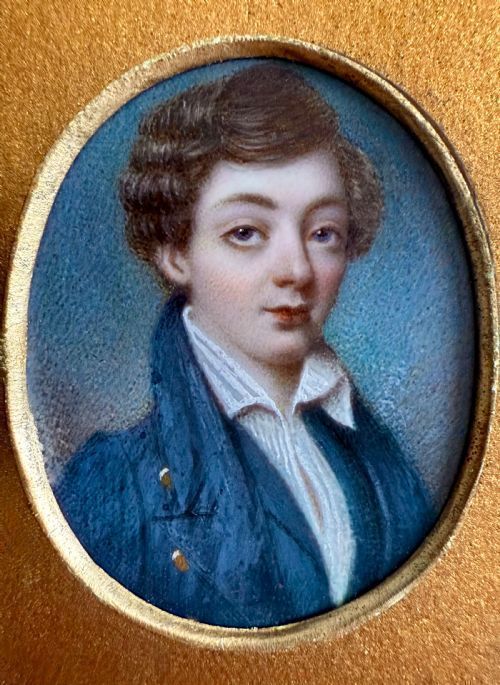
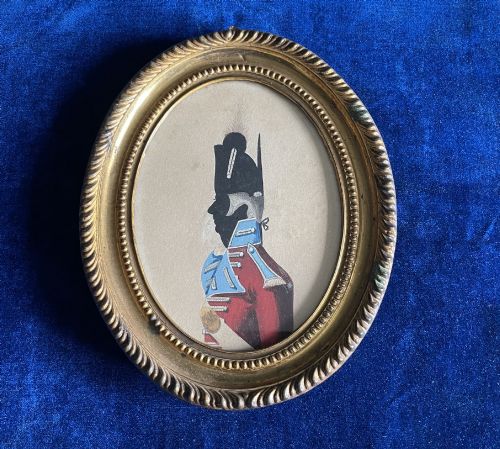
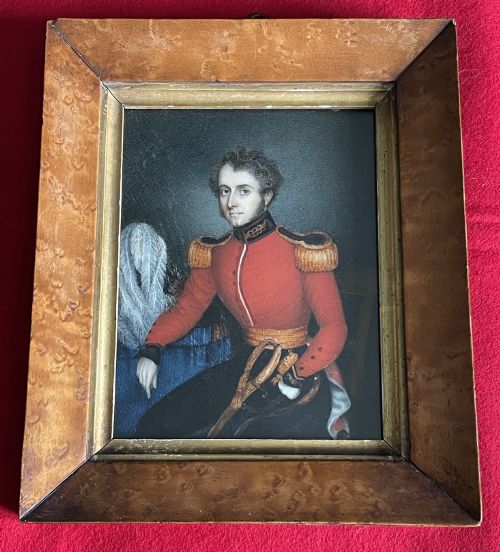
When searching for a british portrait miniature, collectors examine small-scale paintings depicting officers, nobility, and ordinary citizens from various historical eras. These pieces serve as portable records of personal identity, often commissioned to commemorate military service, marriage, or family lineage.
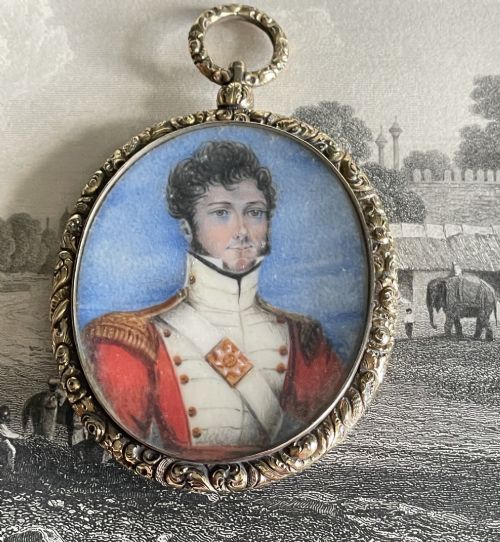
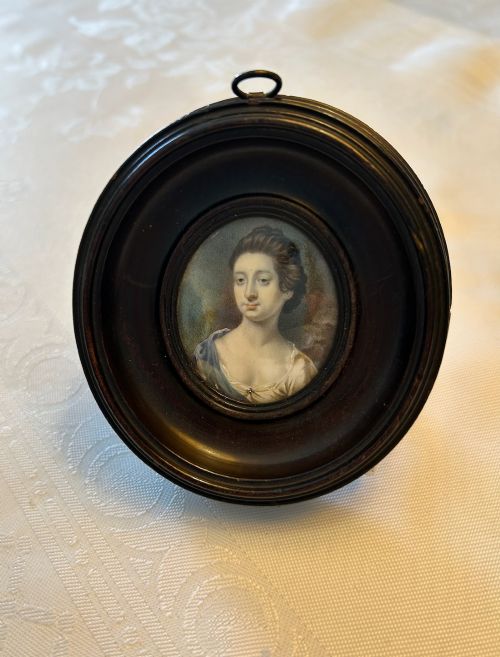
The most common examples on this page date from the eighteenth and nineteenth centuries, spanning the Georgian, Regency, and Victorian periods. Subjects range from named military figures such as officers of the Staffordshire regiment to unidentified ladies in ebonised frames.
Makers and schools vary widely, including works by named artists like Henry Bone and Emma Kendrick, alongside pieces attributed to the broader British School. Forms extend from simple oval paper and watercolour studies to elaborate works housed in gilt metal and gold leaf frames.
Materials and Techniques
Finishing touches often involved protective glass covers and bespoke framing in giltwood, ebonised wood, or precious metals such as gold. Some examples incorporate pearls or coral beads directly into the frame design to enhance the visual presentation.
Listings feature works spanning the seventeenth to the nineteenth centuries, incorporating mediums from oil on copper to watercolour on vellum.
Judging Quality and Execution
The success of a british portrait miniature rests on the finesse of the brushwork and the psychological depth captured in the sitter's expression. Superior examples display meticulous control in rendering skin tones, hair textures, and uniform regalia without losing the naturalism of the face.
The quality of the housing also distinguishes pieces, with original frames in gold or specialised metals indicating higher status commissions. Condition plays a role, as works retaining vibrant pigments and undamaged glass or vellum command greater interest.
Richard Cosway·Henry Bone ARA·James Ferguson·Emma Kendrick·Henry Jacob Burch·Sir Peter Lely·George Hamilton Barrable·Sir William John Newton·Henry Edridge ARA·Leslie Moore·Alexander Melville
The British Portrait Miniature Glossary
- Watercolour
- A paint consisting of pigment suspended in a water-based solution. It forms the primary medium for many eighteenth and nineteenth-century miniatures.
- Vellum
- A fine parchment made from calfskin, stretched to create a smooth surface for painting. It provides a luminous base that reflects light through translucent watercolours.
- Gouache
- An opaque watercolour paint containing a white pigment filler. Artists use it to add highlights and solid areas of colour to miniature paintings.
- Enamel
- A material made by fusing powdered glass to a metallic substrate through firing. Enamel miniatures offer exceptional durability and lasting colour brilliance.
- Ebonised
- Wood treated to imitate ebony, producing a deep black finish. This treatment appears frequently on nineteenth-century portrait frames.
British Portrait Miniature: Frequently Asked Questions
How were portrait miniatures worn?
Many early pieces functioned as personal jewels, designed to be worn close to the heart as pendants or integrated into bracelets. Owners also carried them in pockets or kept them displayed on desks.
Over time, changing fashions moved these portraits from wearable personal tokens into domestic wall art displayed in parlours and studies.
How do I identify the period of a miniature?
Clothing styles, hairstyles, and framing materials offer the clearest clues to dating a piece. Military uniforms and civilian dress styles follow strict historical fashions that help narrow down the decade of creation.
Examining the reverse of the frame often reveals inscriptions, signatures, or biographical details about the sitter and artist.
Are these pieces always painted on paper?
While paper and vellum appear frequently, artists also utilised alternative surfaces. Surviving examples employ copper, agate panels, and ivory supports depending on the preferred technique.
The choice of material often reflects the period and the specific school of miniature painting to which the artist belonged.
How should I care for a miniature painting?
These works require protection from direct sunlight to prevent the fading of delicate watercolours and gouache pigments. Keeping them in stable humidity environments safeguards the fragile vellum, paper, or ivory supports.
Original glass covers should remain sealed to protect the painted surface from dust and atmospheric pollutants.