

Regency Gold Portrait
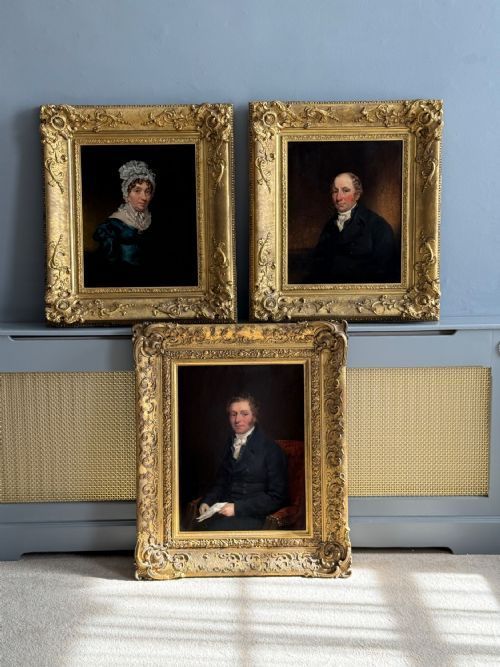
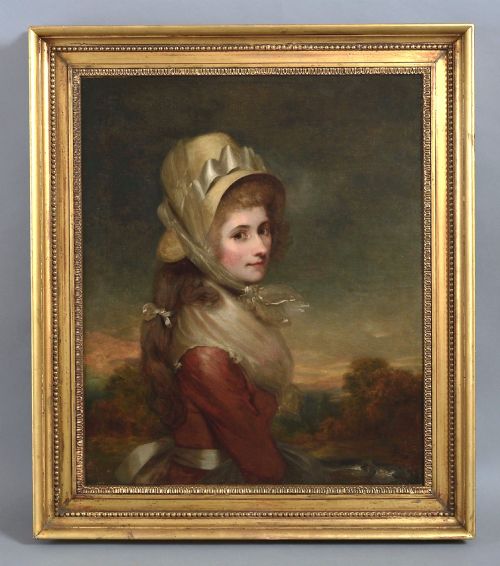
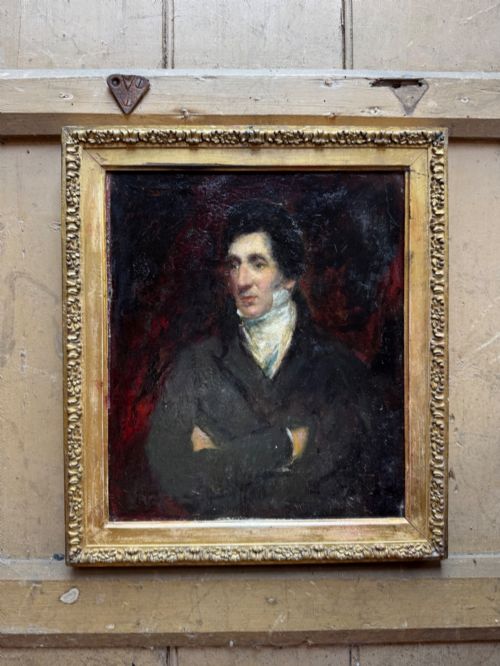
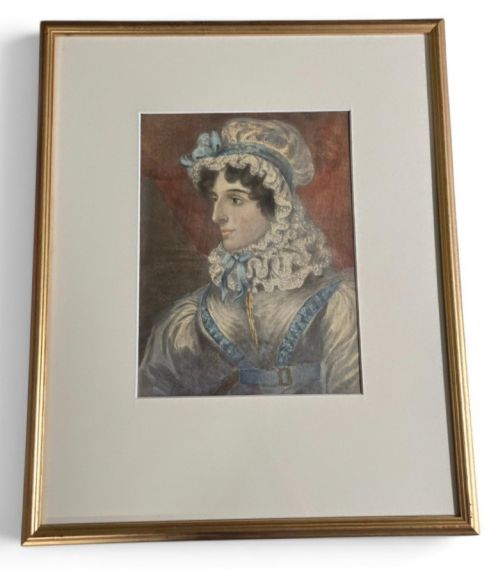
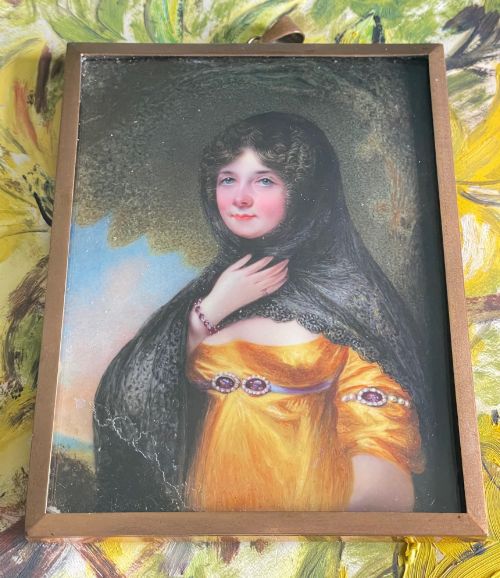
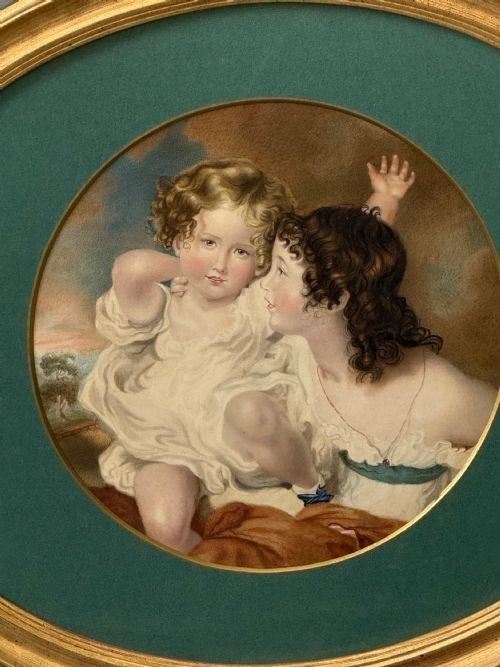
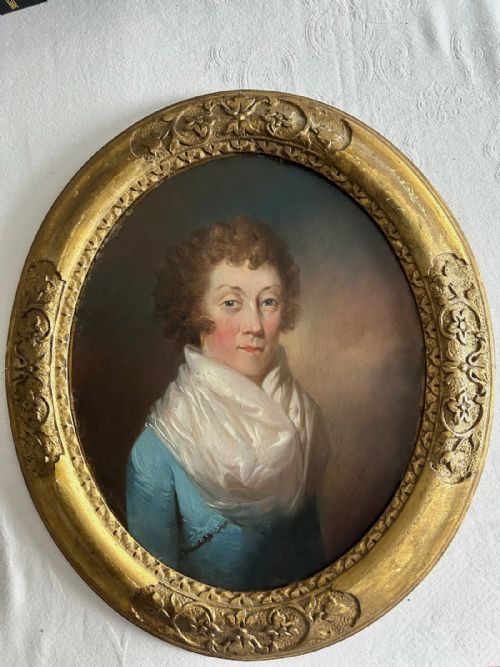
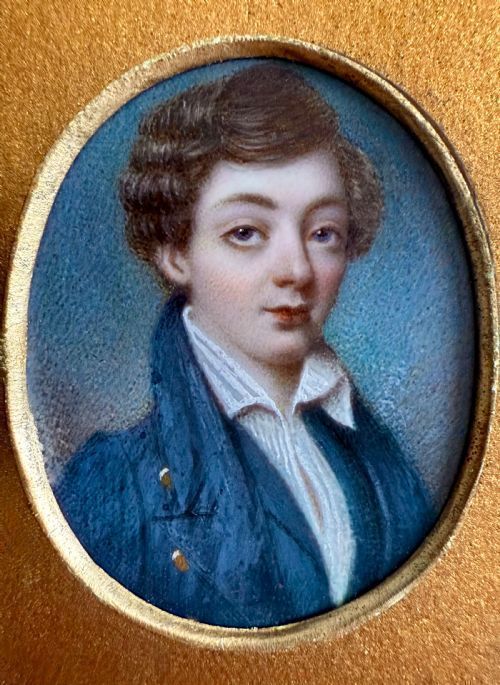
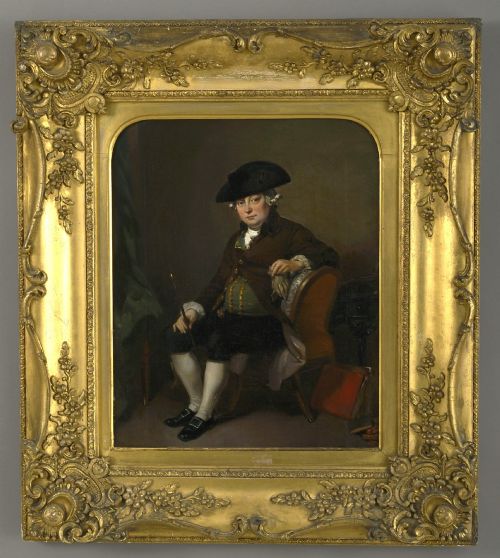
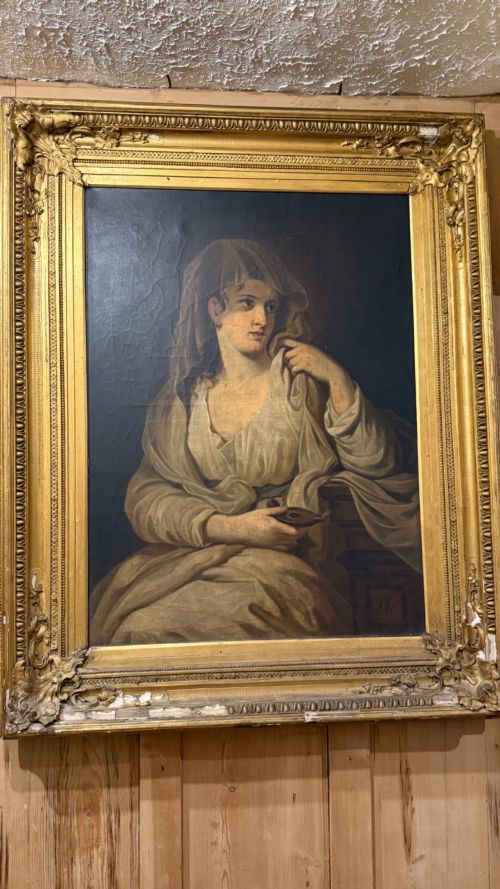
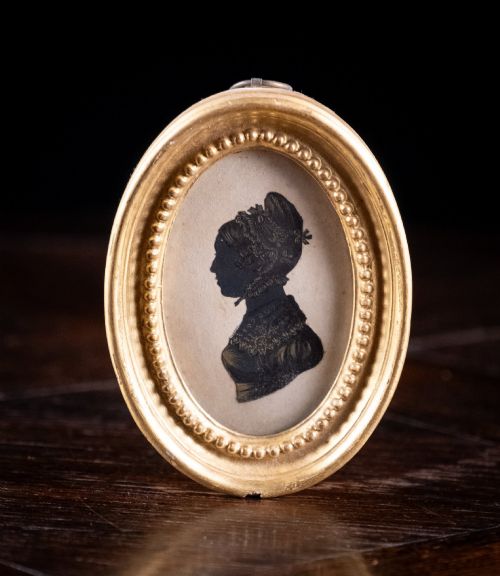
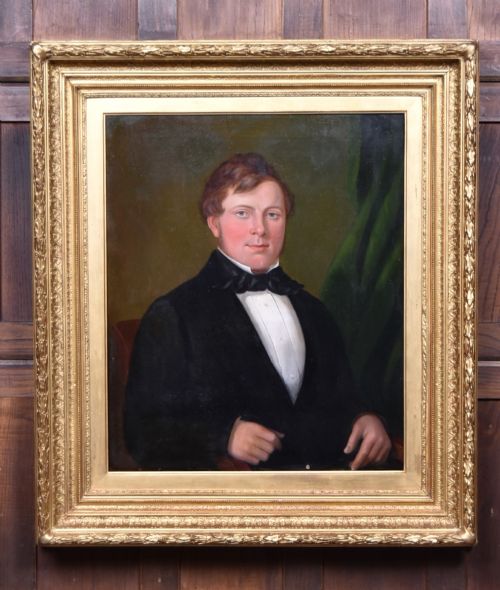
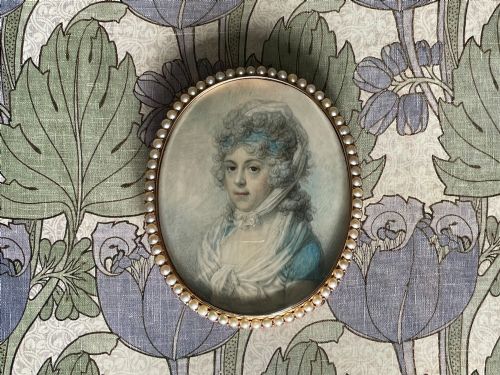
A regency gold portrait captures the refined likeness of the period, offering an intimate connection to sitters through delicate miniatures, oils and watercolours framed in precious metal.
Regency Gold Portrait
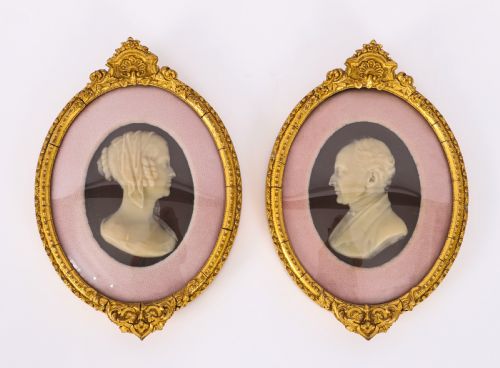
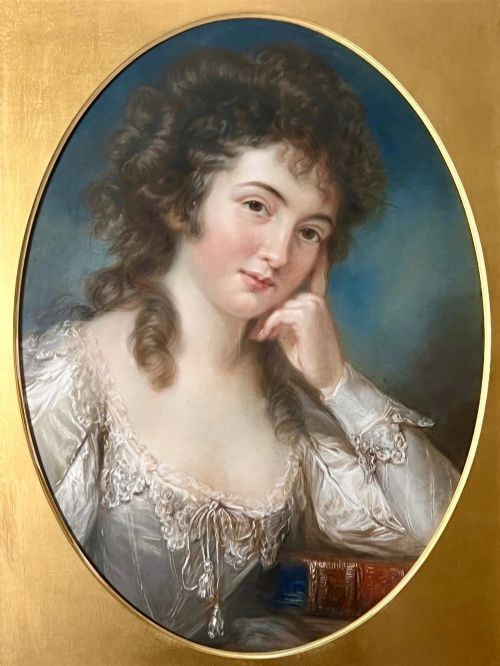
When you search for a regency gold portrait, you encounter works spanning the Georgian, Regency and 19th Century periods, encompassing oil paintings, portrait miniatures and framed prints. These portrayals range from formal oil canvases and watercolours to delicate enamel works and wax reliefs.
The version you are most likely to meet on this page is the intimate portrait miniature or framed oil painting, frequently housed in gold or gilded surrounds. Subjects include notable gentlemen, ladies, children and theatrical figures captured with neoclassical elegance.
Makers and artists represented across the selection include established painters and miniaturists such as Joseph Clover, James Sharples, Henry Bone, Richard Cosway and John Opie. Their works reflect the artistic conventions of portraiture from the late 18th and early 19th centuries.
Materials and construction
Makers built these pieces using oil on canvas or panel, delicate watercolour and bodycolour on paper, or enamel applied to copper. Portrait miniatures frequently incorporated gold leaf or solid gold frames to protect the delicate painted surface under glass.
Wood supports, giltwood mouldings, and occasionally rosewood or treen provided structural framing for canvases, prints and silhouettes. Pigments and varnishes varied according to the medium, with enamels fired to achieve lasting luminosity and watercolours preserved beneath protective glazing.
A painted gentleman once watched over snuff consumption from inside a lacquered treen box.
Distinctions in quality
The finest examples display meticulous brushwork, anatomical precision and psychological depth in the sitter's expression, particularly in works by named artists or their immediate circles. Weaker pieces often rely on formulaic execution or later derivations after established painters.
The execution of the surrounding frame, whether solid gold, giltwood or lacquered treen, significantly influences the overall character of the piece. Superior items retain their original mounting, glazing and untouched surfaces without heavy restoration.
Joseph Clover·James Sharples·Henry Bone·Richard Cosway·John Opie·George Watson·John Ferneley Senior
The Regency Gold Portrait Glossary
- Portrait Miniature
- A small, highly detailed painting on ivory, vellum, card or enamel, designed for personal carriage or intimate display. These works often utilised fine stippling and cross-hatching.
- Enamel
- A glassy substance fused to a metal support, such as copper or gold, through firing in a kiln. This technique provided vibrant, permanent colour unaffected by fading.
- Giltwood
- Wood carved and coated with a thin layer of gold leaf or gesso preparation. It provided ornate, reflective framing for paintings and mirrors during the Regency period.
- Mezzotint Engraving
- A printmaking process where the copper plate is roughened to produce rich tonal gradations and dark backgrounds. It allowed faithful translation of oil paintings into print form.
- Treen
- Small handmade wooden domestic objects and boxes. In this context, it refers to items such as snuff boxes incorporating portrait panels.
Regency Gold Portrait: Frequently Asked Questions
What is a regency gold portrait?
A regency gold portrait is a painted or printed likeness from the early nineteenth century, typically featuring oil, watercolour or enamel mediums set within a gold or gilded frame.
These works record the appearance of sitters from the Georgian and Regency eras, ranging from grand oil canvases to intimate personal miniatures.
How were portrait miniatures worn or displayed?
Portrait miniatures were frequently mounted in gold lockets, pendant necklaces or integrated into decorative snuff boxes so the owner could keep them close.
They served as tokens of affection, remembrance or social status, designed to be carried on the person or kept on a dressing table.
How do I care for antique watercolours and miniatures?
Protect these delicate works from direct sunlight to prevent the fading of watercolours, pigments and paper supports.
Keep them in stable environmental conditions away from excessive moisture and heat to preserve the paper, ivory and gold framing.
How can I distinguish between an original and a later copy?
Examine the materials, framing techniques and handling of the pigment under magnification to assess the period characteristics.
Original works from the Regency period display the distinct ageing of pigments, paper and substrates consistent with early nineteenth-century production.