



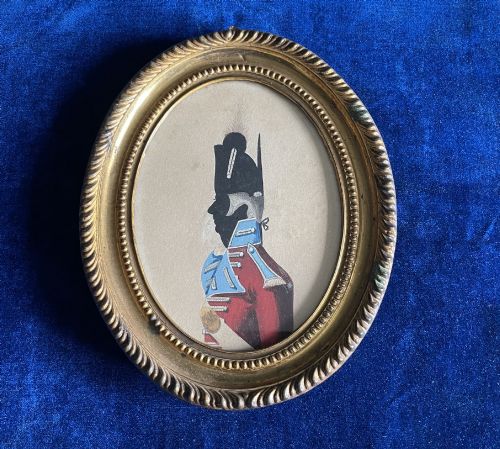
Gold Portrait Miniature
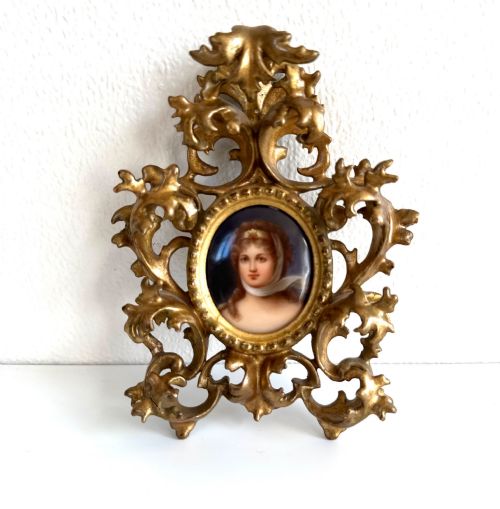
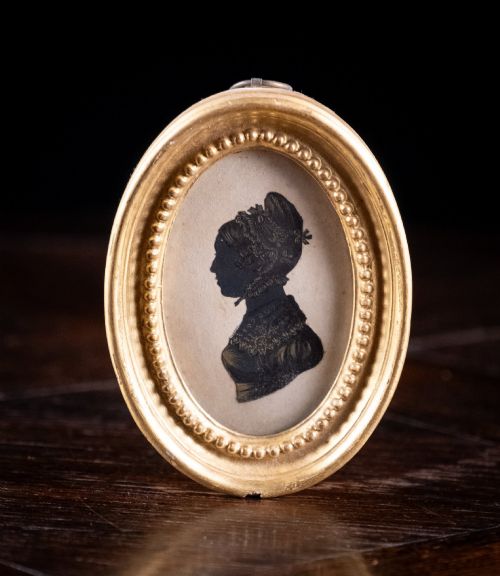
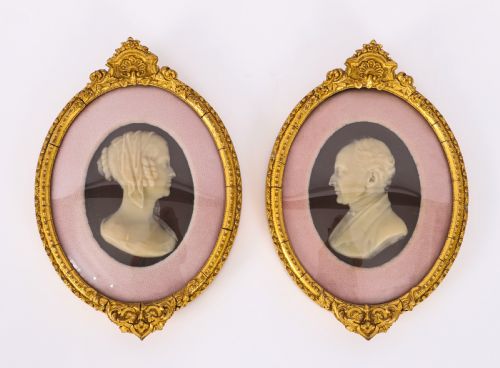
A gold portrait miniature brings intimate likenesses into your hand, offering a tangible link to 18th-century and 19th-century sitters.
Understanding gold portrait miniatures
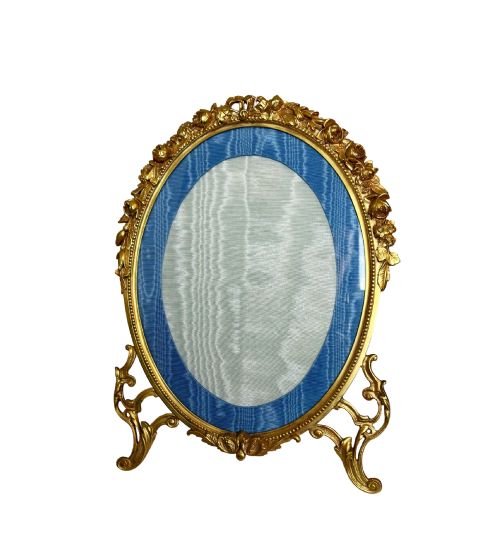
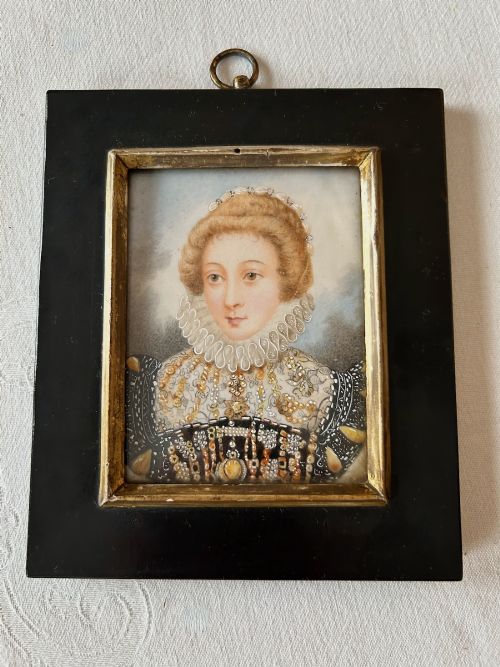
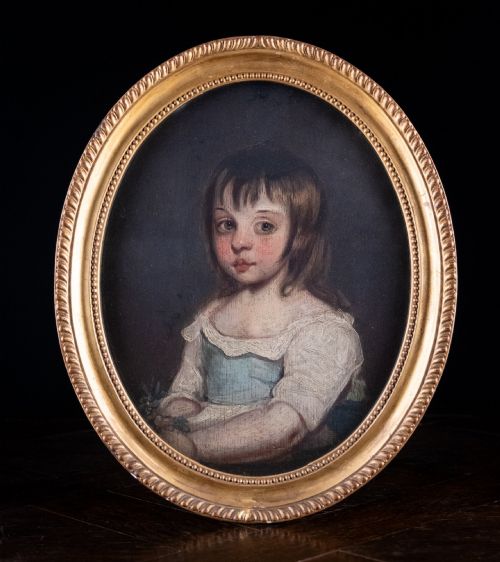
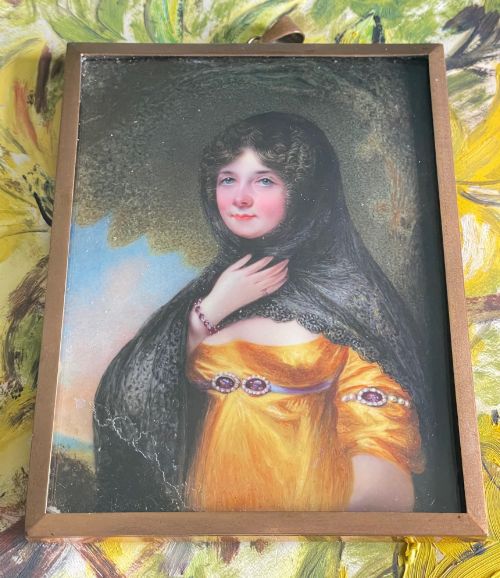
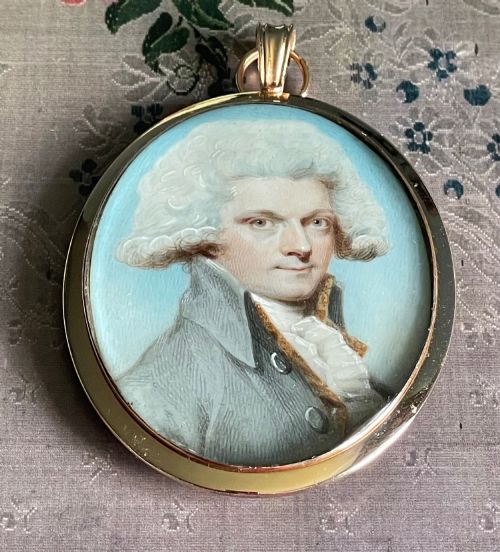
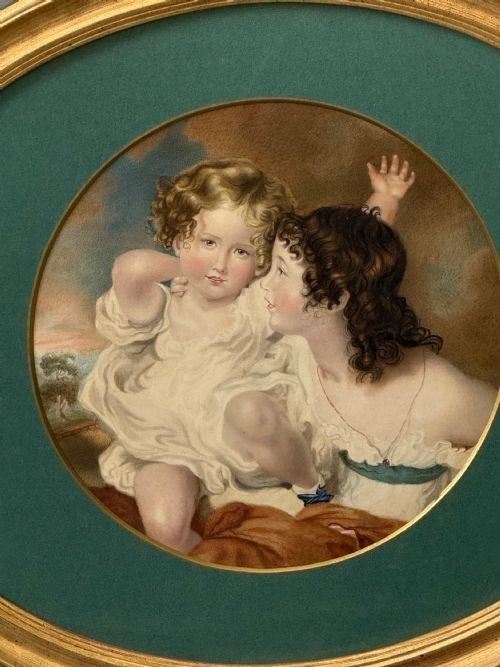
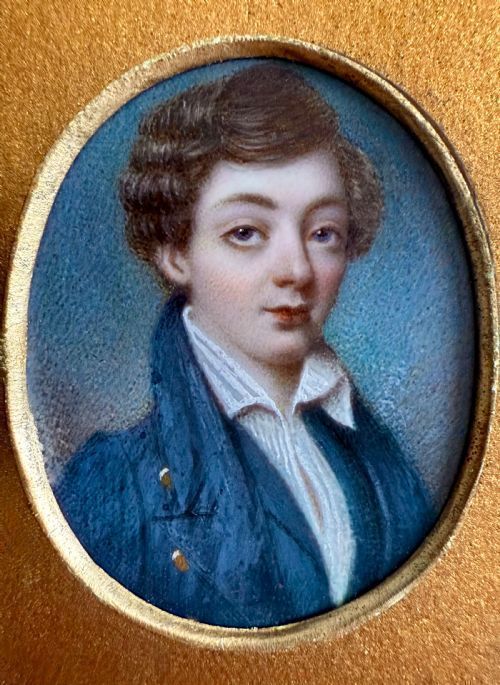
A gold portrait miniature presents a painted likeness of an individual set within a precious metal frame, capturing personal history from the Georgian and Regency eras. These portable artworks record naval officers, military figures, and named gentlemen with distinct individual character.
The objects span the eighteenth century and the nineteenth century, reflecting evolving portraiture conventions across British and Anglo-Indian contexts. You will encounter both pendant frames and ring mounts designed to keep the subject close.
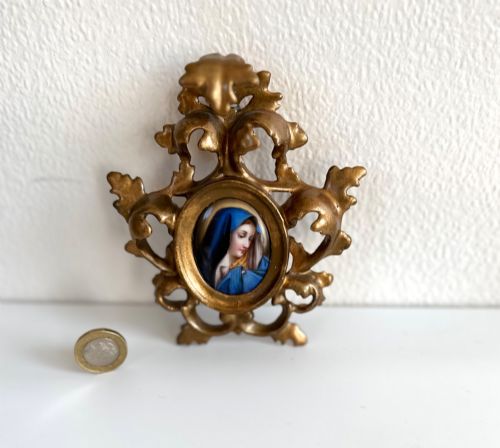
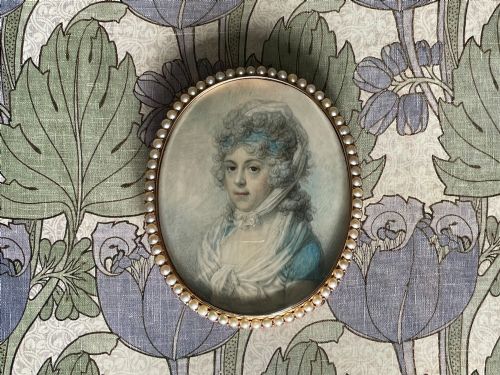
Forms range from simple rectangular or oval gold frames to pearl-set borders, housing watercolours, enamels, and paintings on agate panels. Each piece records a specific sitter whose identity often survives in the historic record.
Materials and construction methods
Makers set watercolour paintings behind protective glass or painted directly onto delicate ivory, enamel, and agate panels. These image surfaces demand precise brushwork on a miniature scale.
Frames utilise high-purity gold, including 18k gold and 9ct gold, alongside gilt metal components for structural backing. Pearls occasionally provide decorative borders around the central window.
Retail Price Guide 2026
Typical UK retail prices for gold portrait miniature, calculated from the Sellingantiques database of over a million retail prices indexed since 2003. This retail price guide relies exclusively on Sellingantiques data; no external sources or auction records are used, so the figures do not describe the wider market.
Markers of fine workmanship
Quality rests upon the fineness of the painted detail and the structural integrity of the gold frame. Finer examples display meticulous control of expression in the subject's face.
The choice of substrate influences the character of the piece, with agate panels and high-carat gold housings representing superior manufacture.
Frederick Buck·George Engleheart·John Inigo Wright
The Gold Portrait Miniature Glossary
- Agate panel
- A polished stone substrate used for painting miniatures directly onto the mineral surface. This durable material provides a smooth ground for detailed portraits.
- Enamel
- A fused glass powder coating applied to metal and fired at high temperatures. It creates a glossy, permanent image surface that resists fading.
- Ivory
- A thin slice of organic material harvested from elephant tusks, serving as the traditional painting ground for portrait miniatures. Its translucent quality imparts a lifelike glow to skin tones.
- Regency
- An early nineteenth-century British stylistic period spanning the formal Regency era and the reign of George IV. Pieces from this time show distinct neoclassical design traits.
- Watercolour
- A water-based pigment paint applied in fine washes on paper or ivory. It demands steady execution due to the small scale of the work.
Frequently Asked Questions
What are portrait miniatures?
Portrait miniatures are small-scale painted likenesses created during the eighteenth and nineteenth centuries to commemorate family members, military officers, and public figures.
They served as portable tokens of affection and remembrance, often worn on the body or kept in fitted travel cases.
How were gold portrait miniatures worn?
Owners wore these pieces as pendants suspended from ribbons or chains around the neck, or mounted them into heavy finger rings.
The secure gold and gilt metal settings protected the delicate internal paintings from dust and handling during daily wear.
How do I date a gold portrait miniature?
Dating relies upon the costume and hairstyle of the sitter, the framing style, and the materials used in construction. Georgian and Regency examples exhibit specific tailoring conventions that help establish a timeframe.
Inscribed details on the reverse or accompanying documentation also provide direct chronological anchors for the piece.
What is the difference between ivory and enamel miniatures?
Ivory miniatures utilise watercolours painted onto a thin slice of organic material, offering a soft and warm representation of skin tones. Enamel miniatures involve glass powders fused to metal by heat, producing a harder and more light-reflective surface.
Both techniques required specialist miniaturists working under magnification.