


Gold Enamel Pendant
A gold enamel pendant brings together fine metalwork and coloured glass fused by heat, spanning Georgian mourning pieces to Art Deco charms.
Gold Enamel Pendant
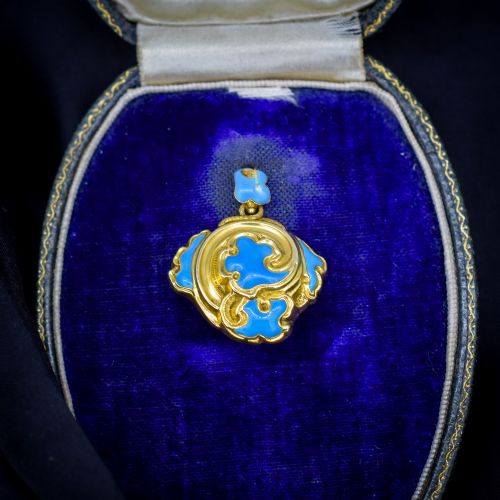
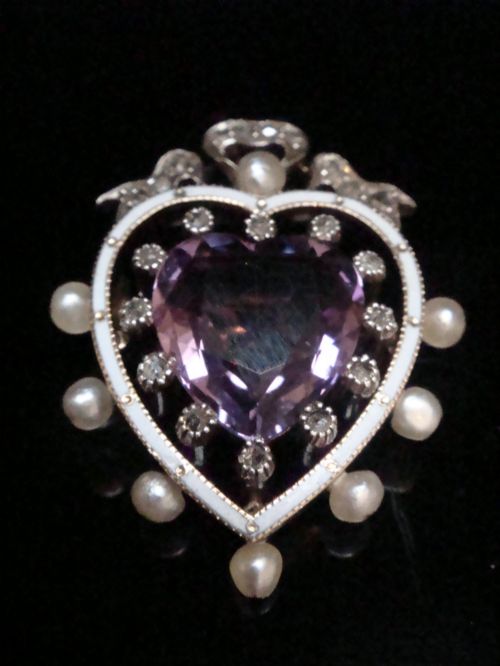
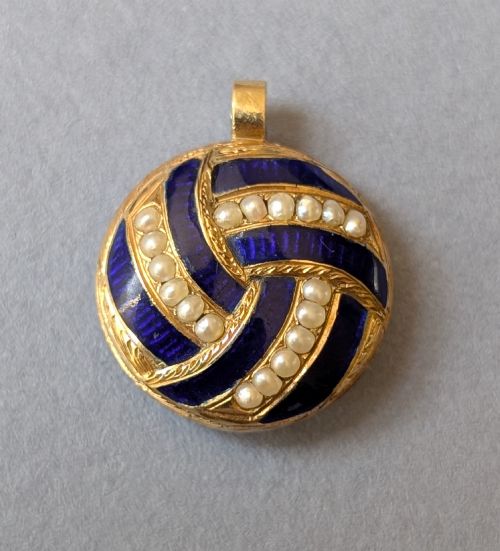
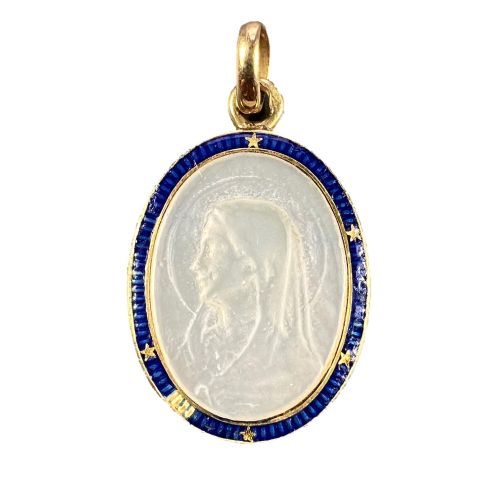
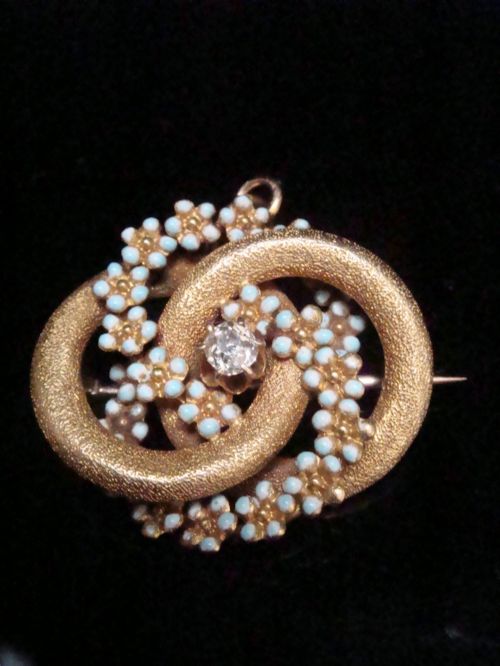
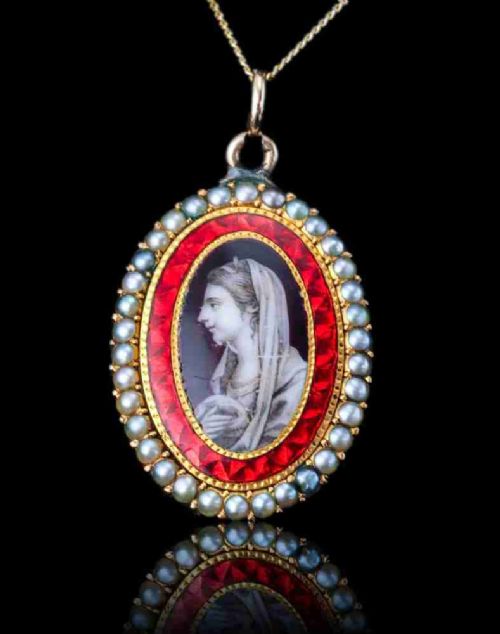
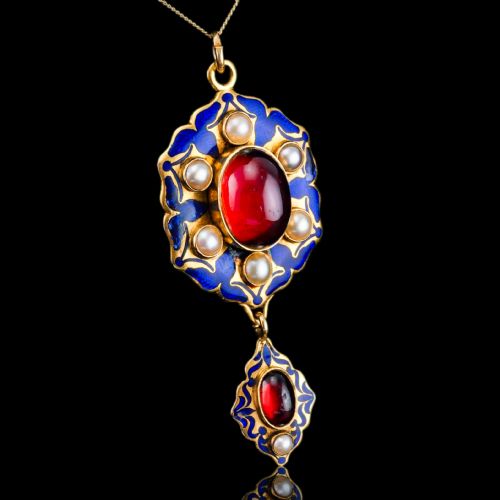
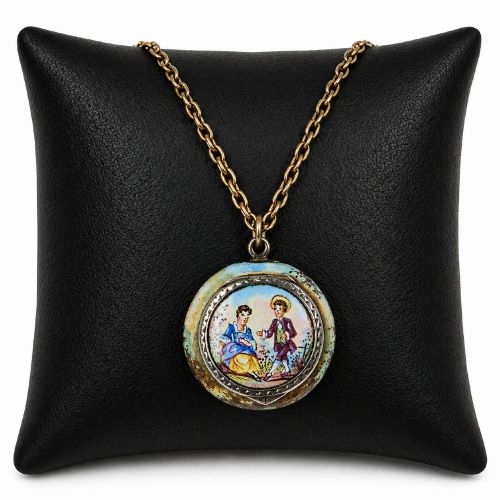
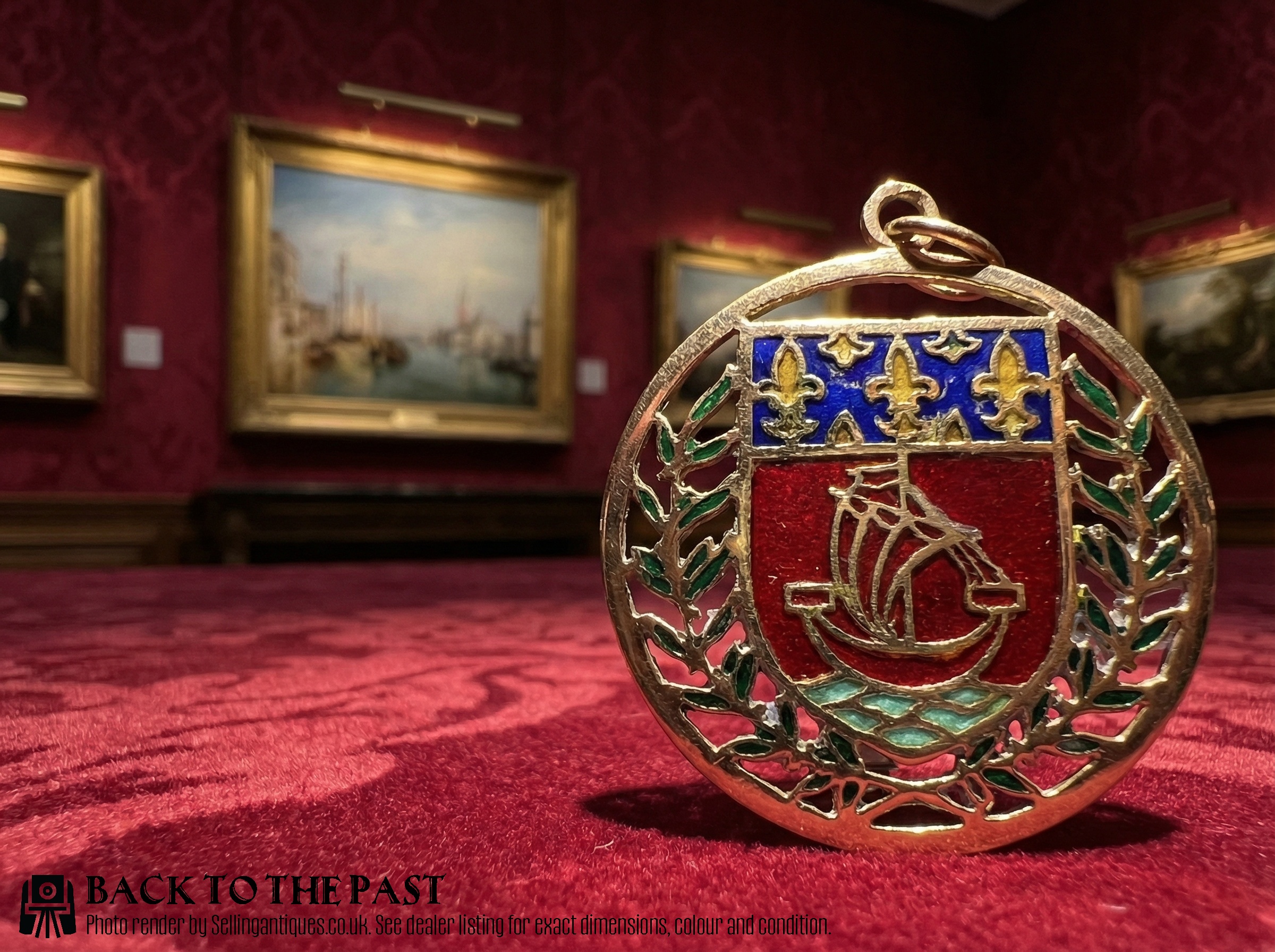
A gold enamel pendant encompasses a wide variety of historical forms, ranging from Georgian and Victorian lockets and mourning pieces to Edwardian floral designs and French devotional medals. These ornaments often combine precious metals with painted miniatures, seed pearls, or diamonds.
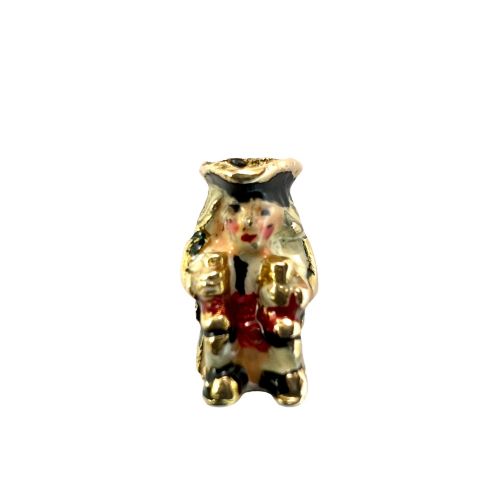
Originating from workshops across Britain, France, Austria, and Vienna, these items reflect the shifting decorative tastes of the eighteenth, nineteenth, and early twentieth centuries. Buyers encounter everything from solemn memorial jewels to vibrant figurative charms.

Materials and Technique
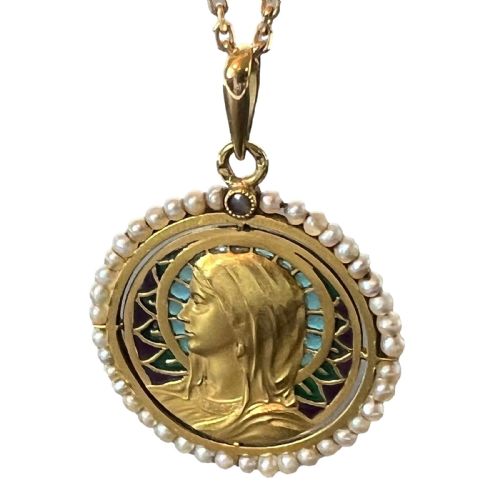
Craftsmen built these items using varying purities of gold, predominantly nine-carat, fourteen-carat, fifteen-carat, and eighteen-carat, sometimes pairing the precious metal with silver gilt. Enamelling techniques applied to these metal bases include translucent guilloche work, opaque coloured fields, and plique-a-jour, which resembles miniature stained glass.
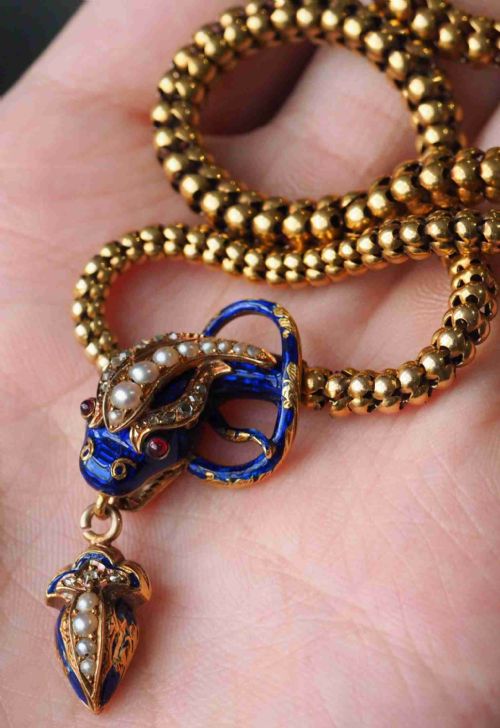
Gemstones such as diamonds, seed pearls, turquoise, garnets, and rubies are frequently flush-set or claw-set into the gold framework alongside hand-painted portrait miniatures. The fusion of powdered glass to metal required precise kiln firing, binding the vitreous decoration securely to the underlying gold surface.
Gold Enamel Pendant Retail Price Guide 2026
Typical asking prices for gold enamel pendant among the pieces listed under this phrase on Sellingantiques today, from the lower quarter to the upper quarter. They describe what is for sale here now, not the wider market.
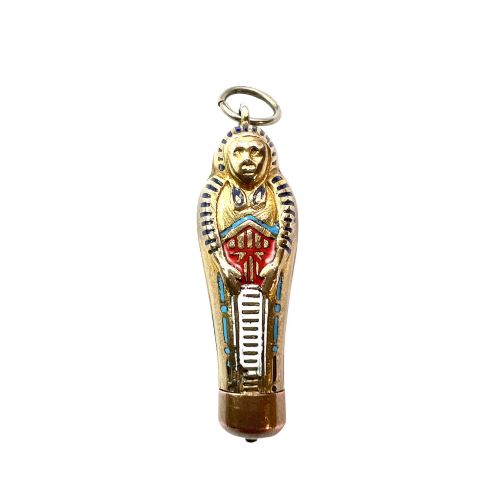
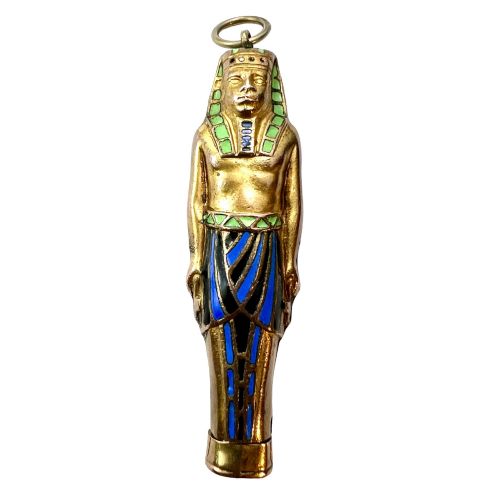
Several miniature propelling pencils shaped like Egyptian sarcophagi demonstrate that Victorian utility items could also double as whimsical pocket pendants.
Assessing Quality
The distinction between ordinary and exceptional pieces lies in the precision of the enamelling and the delicacy of the surrounding goldwork. Hand-painted portraits and complex translucent guilloche patterns demand high artistic skill, separating master works from simpler production pieces.
Structural integrity and the retention of the original glass paste significantly influence the standing of an item. Pieces featuring intact plique-a-jour cells or finely detailed multi-part gold construction demonstrate superior craftsmanship from their respective periods.
Henry Bone·Christian Friedrich Zincke·Marius Hammer·Sellier
The Gold Enamel Pendant Glossary
- Guilloche
- An intricate mechanical engraving technique etched into metal beneath translucent enamel. This method creates repeating geometric waves or sunburst patterns that catch the light.
- Plique-a-jour
- An enamelling technique where the vitreous paste is fired without a backing metal, creating a translucent, stained-glass effect. Light passes directly through the coloured enamel cells.
- Holbeinesque
- A nineteenth-century revival style inspired by Renaissance jewellery designs associated with Hans Holbein. These pieces often feature heavy enamelling, dangling pearls, and clustered gemstones.
- Locket
- A small hinged metal case designed to hold a miniature portrait, hair lock, or photograph. Many examples incorporate glass-backed compartments.
- Seed Pearl
- Tiny, naturally occurring pearls often stitched or set closely together in floral and star motifs. They are typical of Georgian, Victorian, and Edwardian decorative jewellery.
Gold Enamel Pendant: Frequently Asked Questions
How do I care for antique enamel jewellery?
Antique enamel jewellery requires careful handling because glass paste can chip or crack if struck hard against hard surfaces. Clean pieces gently using a soft, dry cloth rather than liquid chemical dips.
Store pendants individually in lined boxes to prevent gemstones from scratching the delicate enamelled areas.
What is plique-a-jour enamel?
Plique-a-jour is an intricate enamelling method that creates a stained-glass effect by omitting the solid backing plate. Light shines directly through the translucent coloured glass held within a gold or silver wire framework.
This technique appears frequently on French devotional medals and floral pendants from the early twentieth century.
How can I tell the period of a gold pendant?
Dating relies upon examining the combination of metal purity marks, fastener types, gemstone cuts, and enamelling styles. Georgian and early Victorian pieces often feature closed-back settings and hand-painted miniature portraits.
Later Victorian, Edwardian, and Art Deco examples introduce machine-engraved guilloche, different gold carat standards, and distinct symmetrical motifs.