




Victorian Enamel Pendant
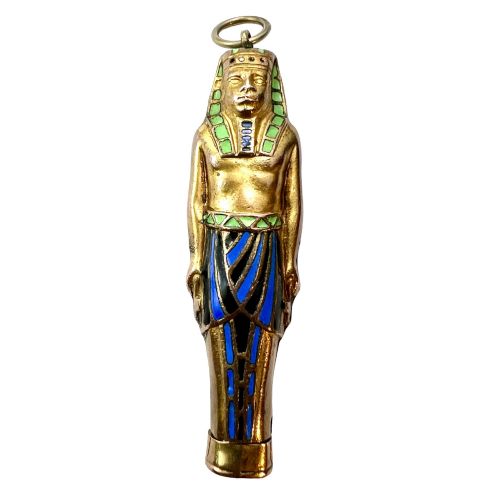
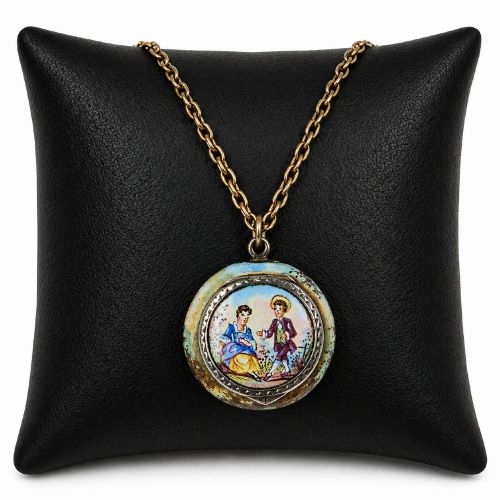
These victorian enamel pendant pieces range from puffy hearts to crosses, offering a glimpse into nineteenth-century goldsmithing.
What a victorian enamel pendant is
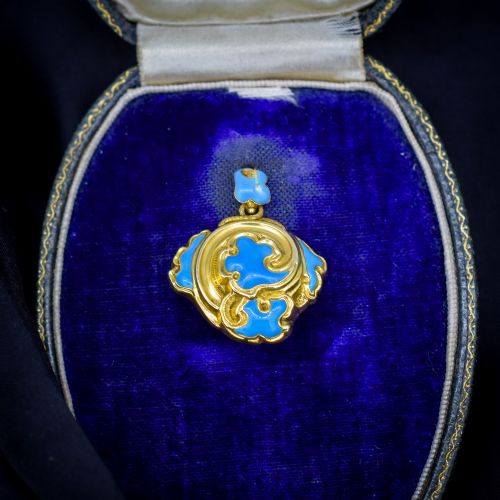
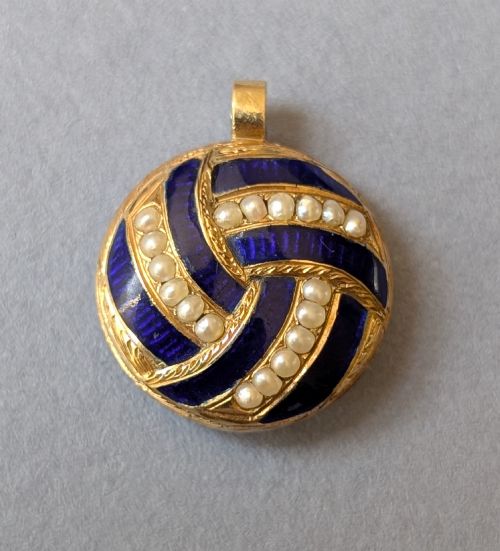
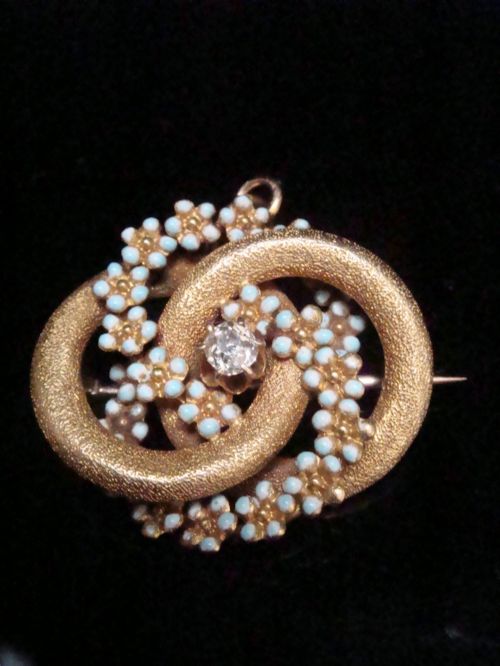
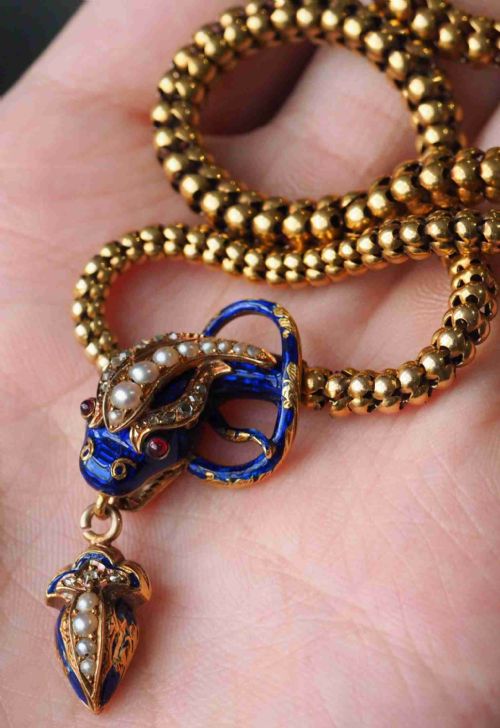
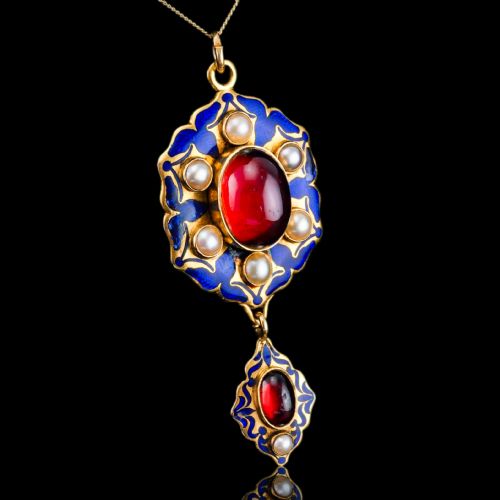
A victorian enamel pendant encompasses gold and silver items created across the nineteenth century, frequently incorporating blue or red guilloche enamel alongside gemstones. Buyers searching for a victorian enamel pendant most often encounter heart-shaped lockets, crosses, and drop necklaces featuring pearls and garnets.
How they were made
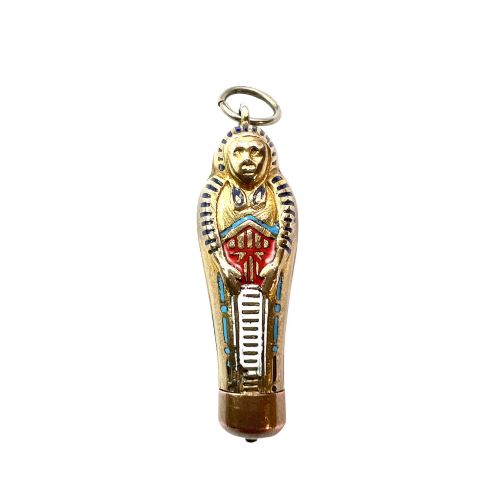
Goldsmiths utilised 9ct, 14ct, 15ct, 18ct, 22ct gold, and silver to form the structure of each pendant, often setting them with diamonds, rubies, sapphires, turquoise, and seed pearls. Enamel work was fused to the metal surface, sometimes creating translucent guilloche patterns over engine-turned backgrounds.
Pendants frequently incorporate glass-backed compartments for hair or portraits, hinged locket mechanisms, and detailed wirework characteristic of revivalist styles.
Retail Price Guide 2026
Typical UK retail prices for victorian enamel pendant, calculated from the Sellingantiques database of over a million retail prices indexed since 2003. This retail price guide relies exclusively on Sellingantiques data; no external sources or auction records are used, so the figures do not describe the wider market.
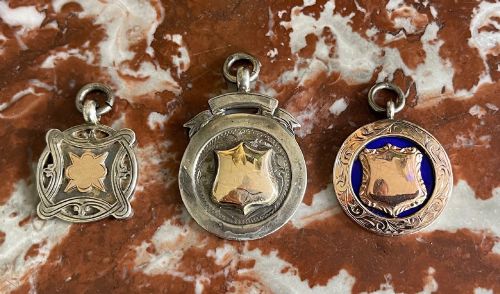
Listings feature items spanning the eighteenth century through to the Edwardian period, incorporating red, blue, and black enamel on gold and silver.
What varies in quality
The distinction between tiers rests upon the complexity of the goldsmithing and the integrity of the enamel work. Finer examples display flawless vitreous enamel free from chipping, coupled with high-carat gold mountings and well-matched natural pearls or faceted gemstones.
Design ambition also separates standard production from exceptional pieces, particularly where multi-part construction, reversible elements, or intricate Renaissance Revival and Holbeinesque motifs are executed with precision.
The Victorian Enamel Pendant Glossary
- Guilloche
- Enamel applied over a mechanically engraved metal surface. This technique produces a patterned, translucent effect that catches the light.
- Puffy heart
- A three-dimensional hollow heart pendant fashioned from two soldered convex plates. These pieces often contain enamel and gemstone settings.
- Etruscan revival
- A nineteenth-century design movement inspired by archaeological discoveries. It relies heavily on granulation and filigree work on gold.
- Rose cut
- An antique diamond cut featuring a flat base and a domed crown with triangular facets. This cut was favoured before the dominance of brilliant cuts.
Frequently Asked Questions
What is a puffy heart pendant?
A puffy heart is a hollow, inflated heart-shaped jewel constructed from two convex gold halves soldered together. They frequently feature blue or red enamel and seed pearl star motifs.
Victorian makers often inscribed these hearts with messages or dates, making them popular tokens of remembrance and affection.
How do I identify a locket?
Lockets contain a hinged compartment or a glass-backed section designed to hold miniature portraits, photographs, or locks of hair. They operate with small clasps or snap closures hidden within the pendant frame.
Many examples function as both brooches and pendants, allowing the wearer to attach them to chains or pin them to garments.
What is guilloche enamel?
Guilloche is a decorative technique where metal is engine-turned with precise geometric patterns before transparent enamel is applied over the top. The underlying engraving shows through the coloured glass layer.
This method was widely utilised across Victorian and later nineteenth-century pieces to create depth and shimmer on pendants and lockets.
Are these pieces made of solid gold?
The listings include items fashioned from various purities, ranging from 9ct and 14ct to 15ct, 18ct, and 22ct yellow and rose gold, alongside silver and gold combinations. Hallmarks and acid testing generally confirm the metal standard used by the workshop.
Lower carats offer greater durability for daily wear, while high-carat versions present a richer yellow tone characteristic of period items.