



Antique Portrait Medallion
These antique portrait medallions capture likenesses in bronze, agate, and enamel, offering intimate historical faces for modern walls and collections.
Identifying antique portrait medallion pieces
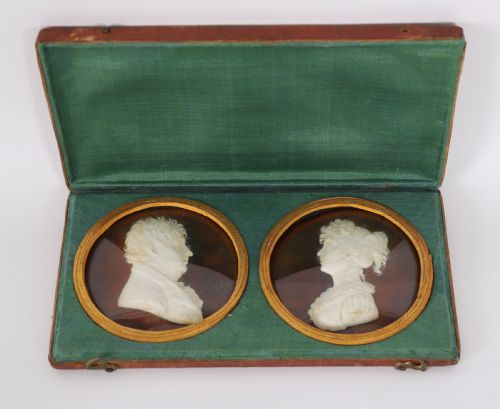
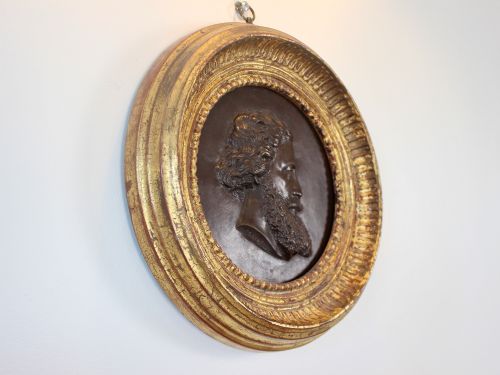
An antique portrait medallion presents a profile or bust of an individual in materials ranging from bronze and copper to delicate agate and enamel panels. Collectors seek these pieces to bring tangible human history and fine portraiture into their homes.
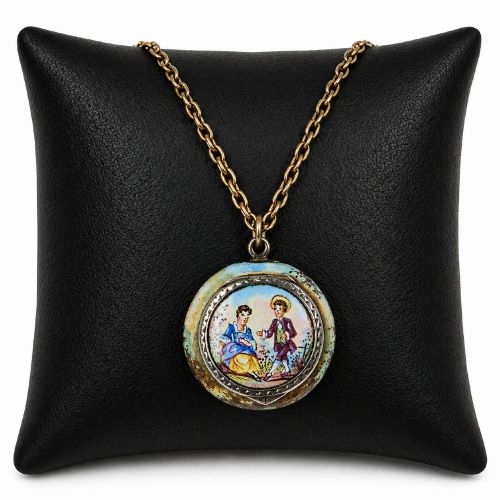
The selections available on this page span the eighteenth and nineteenth centuries, including the Victorian era. Pieces appear in various formats, functioning as wall plaques, hanging panels, and wearable pendants.
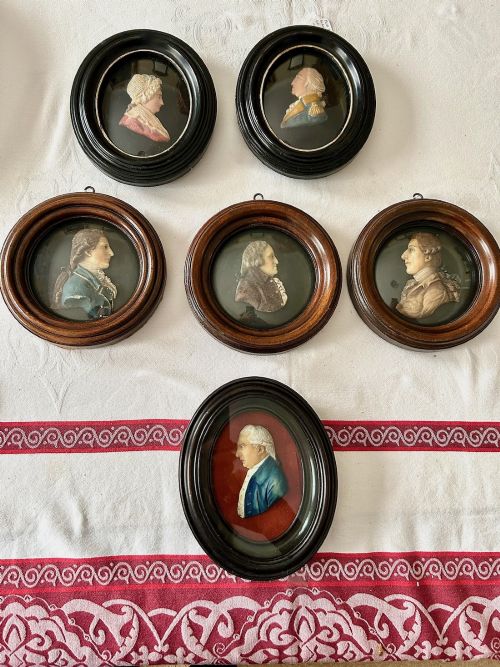
Makers and artists of these works include figures such as J Lavergne, alongside British and Florentine schools. Subjects range from naval officers and military captains to literary figures like Charles Dickens.
Materials and construction
Metals such as bronze and copper provide the substance for cast relief plaques and wall panels. Artisans also employed gold frames, including eighteen-carat and twenty-two-carat varieties, to enclose delicate miniature paintings.
Miniature portraits utilise specialised surfaces including agate panels, glass, and watercolour. Enamel work adds lasting colour and gloss to metal pendants, while carved ivory appears in broader miniature traditions.
Retail Price Guide 2026
Typical UK retail prices for portrait medallion, calculated from the Sellingantiques database of over a million retail prices indexed since 2003. This retail price guide relies exclusively on Sellingantiques data; no external sources or auction records are used, so the figures do not describe the wider market.
Charles Dickens makes an appearance in bronze, keeping a watchful, stern profile over twenty-first-century mantelpieces.
Assessing quality in portrait medallions
The refinement of the facial likeness and the crispness of the casting or brushwork determine the aesthetic standing of a piece. Finer works display meticulous attention to expression, costume, and fine detail.
The choice of surrounding materials elevates certain pieces, particularly those mounted in high-karat gold or fashioned from hardstone like agate. Well-documented subjects and signed works by identified sculptors or painters carry distinct historical weight.
J Lavergne
The Antique Portrait Medallion Glossary
- Medallion
- A large medal or medallion-like plaque, usually made for commemorative or decorative purposes rather than for currency. These often feature portrait reliefs in metal or stone.
- Plaque
- A flat ornamental plate, typically of bronze, metal, or ceramic, designed to be fixed to a wall or set into a surface. They frequently display profile portraits in relief.
- Miniature portrait
- A small, highly detailed painting on a panel, ivory, or agate, often executed with fine watercolours or enamels. These portable artworks capture the sitter's exact likeness.
- Agate
- A semi-precious quartz stone with natural banding, used as a smooth and durable panel for miniature paintings. Its subtle colour variations frame the painted subject.
- Relief
- A sculptural technique where the figures project from a background plane, commonly seen in bronze and copper portrait plaques. High relief offers strong three-dimensional presence.
Frequently Asked Questions
How were antique portrait medallions displayed?
Many metal and bronze examples were cast with provisions for wall mounting as decorative relief panels. Others were framed in gold or designed as pendants to be worn or kept in private collections.
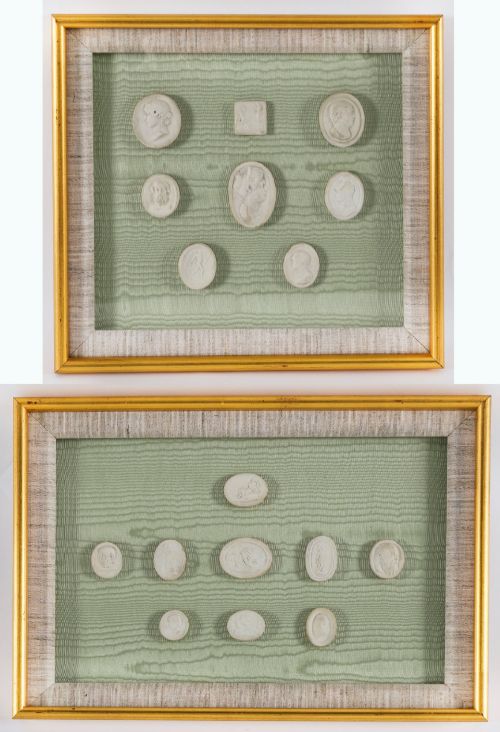
Portable miniature versions on agate or enamel allowed owners to carry likenesses of family members, military officers, or literary heroes. Grand Tour collections often grouped multiple portrait busts together on panels for study and display.
What materials are common in these medallions?
Metals form a large category, with bronze and copper dominating cast relief plaques. Gold mountings, ranging up to twenty-two-carat, frequently secure painted miniature portraits.
Other works utilise organic and mineral substances such as agate panels, glass, and watercolour. Enamel work also appears, providing vibrant and permanent colour to gold pendants.
How do I date a portrait medallion?
Stylistic clues within the portrait, such as the sitter's costume, doublet, or naval uniform, offer initial chronological markers. Eighteenth-century pieces often feature specific miniature painting techniques on agate or enamel.
Nineteenth-century and Victorian examples frequently employ distinct bronze casting styles and subject matter, such as civil war figures or well-known authors. Signatures and school attributions further help establish the period of creation.
Who are the typical subjects portrayed?
Portraits often depict notable historical figures, military officers, and literary icons such as Charles Dickens. Gentlemen in period attire, including black doublets or naval uniforms, appear frequently.
Grand Tour collections also preserve profile busts of classical or historical personages collected by travellers abroad. Unidentified sitters still offer insight into the clothing and hairstyles of their respective eras.