


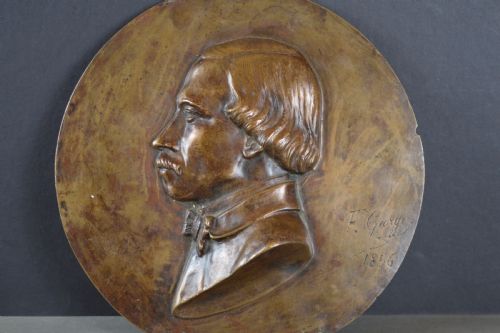

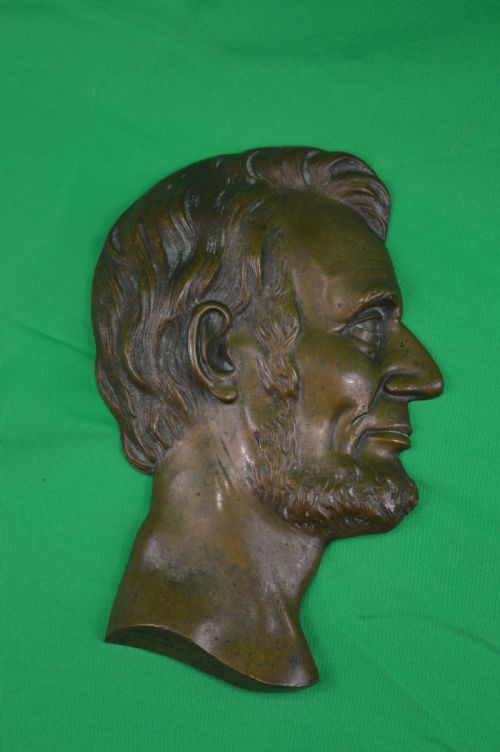


Bronze Portrait Plaque
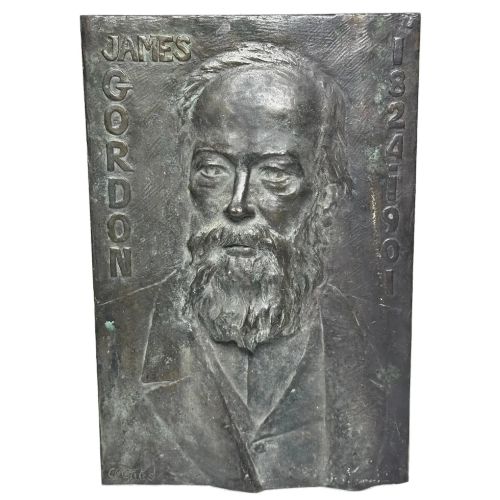
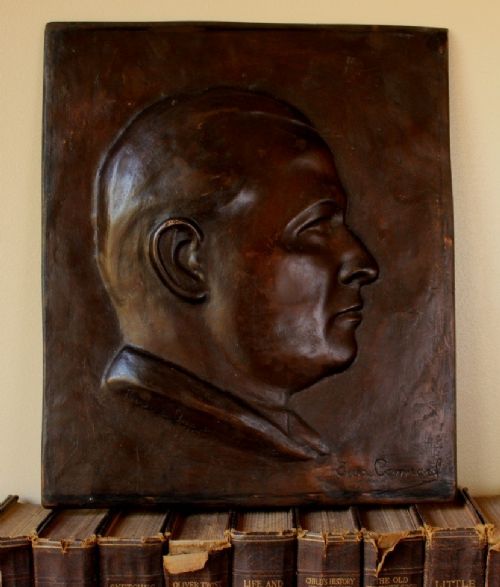
These bronze portrait plaque examples capture historical likenesses in enduring metal, offering tactile connections to past figures that collectors prize for their intimate scale and detailed relief work.
Bronze Portrait Plaque
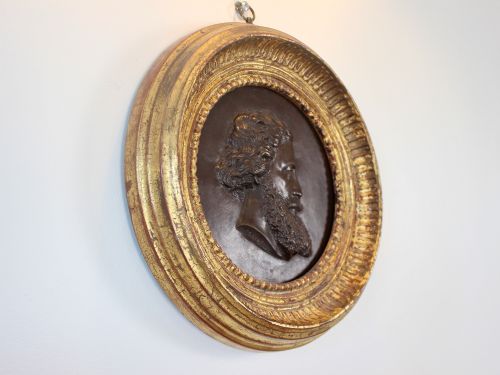
A bronze portrait plaque presents a likeness of a known figure, historic personality, or anonymous subject cast or worked in relief. Buyers searching for a bronze portrait plaque encounter wall-mounted pieces, framed roundels, and fitted decorative objects spanning the nineteenth century into the twentieth century.
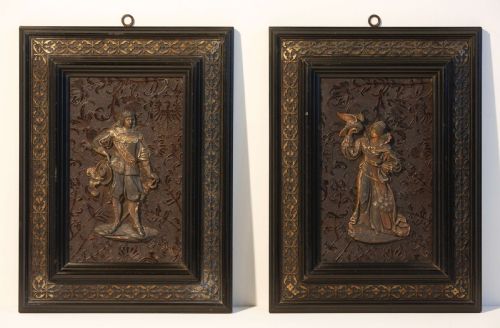
The selection ranges from early nineteenth century classical profiles and Victorian wall panels to Art Deco commemoratives and Edwardian character studies. Pieces frequently take circular or rectangular formats, occasionally set within wooden frames, brass mounts, or integrated into domestic items like mantel clocks and comports.
Materials and production methods
Foundries produced these works primarily through casting bronze, copper, brass, and gilded variants, capturing fine facial details and lettering in relief. Artisans also utilised secondary media such as white metal, cast lead, bronzed plaster, and turned mahogany frames to mount or support the metalwork.
Surface finish treatments varied from natural patination to gilding, ormolu, and contrasting enamel inserts such as Limoges panels. Makers employed signed relief techniques, sometimes attributing specific busts to known modellers or sculptors before mounting them for display.
Bronze Portrait Plaque Retail Price Guide 2026
Typical asking prices for bronze portrait plaque among the pieces listed under this phrase on Sellingantiques today, from the lower quarter to the upper quarter. They describe what is for sale here now, not the wider market.
Listings feature works created in materials including bronze, copper, glass, brass, wood, mahogany, gilt bronze, and enamel.
Factors of quality and execution
Quality rests in the crispness of the casting and the sensitivity of the sculptural modelling, where sharper relief and subtle facial contours elevate an individual work. Superior examples display careful hand-chasing after the cast emerged from the mould, bringing out hair, expression, and drapery.
Eugene Canneel·Gustav Grohe·J Lavergne
The Bronze Portrait Plaque Glossary
- Relief
- A sculptural technique where figures project from a flat background. High relief stands out sharply, while low relief remains flatter.
- Roundel
- A circular panel or plaque used for decorative wall display or framing. These often depict individual profiles.
- Ormolu
- Gilded bronze used widely in decorative arts during the eighteenth and nineteenth centuries. The technique involves applying a gold-mercury amalgam to the bronze base.
- Patina
- The surface sheen or coloration developed through age and chemical exposure on metal. A stable patina indicates authentic oxidation over decades.
- Comport
- A decorative tabletop dish or bowl raised on a stand. Some examples incorporate portrait plaques into their design.
Bronze Portrait Plaque: Frequently Asked Questions
How do I hang a bronze portrait plaque safely?
Most wall-mounted examples feature integrated hanging loops, rear brackets, or fitted wooden frames designed to support the weight of the metal. Ensure your wall fixings match the specific load of the piece before mounting.
Avoid hanging heavy plaques in areas subject to vibration or direct moisture, as this can destabilise older fixings and affect the surrounding material.
Were these plaques meant for walls or desks?
Plaques appear in multiple formats, including dedicated wall panels, framed roundels, and inset components on clocks, mirrors, and comports. Wall plaques typically include hanging hardware, while others formed part of larger decorative desk items.
Review the reverse of the object or any mounting frames to determine its original intended method of display.
How do I date a nineteenth century bronze plaque?
Examine the style of the clothing, the facial hair, and any lettering or signatures stamped into the bronze or backing. Nineteenth century pieces often reflect classical revival, Victorian, or Regency aesthetics in their borders and lettering styles.
Maker signatures, foundry marks, and the construction methods of associated wooden frames or backing panels provide further clues for dating.