

Antique Metal Wall Art
Antique metal wall art brings together beaten copper, cast bronze and enamelled plates designed to hang, holding the eye through texture and period design.
Antique Metal Wall Art
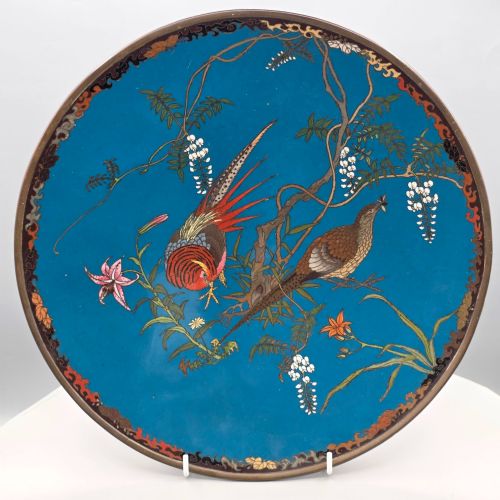
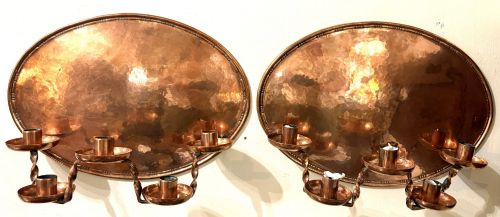
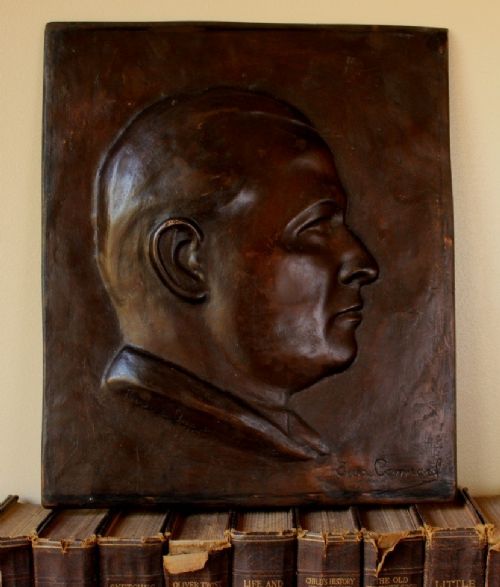
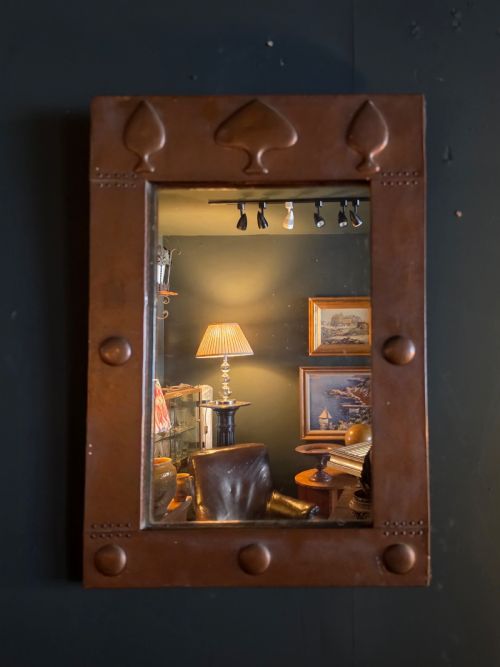
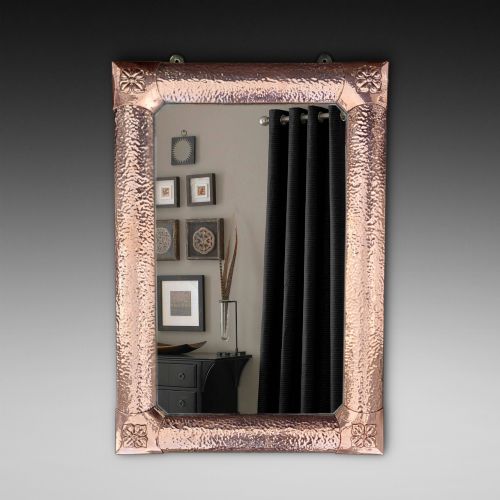
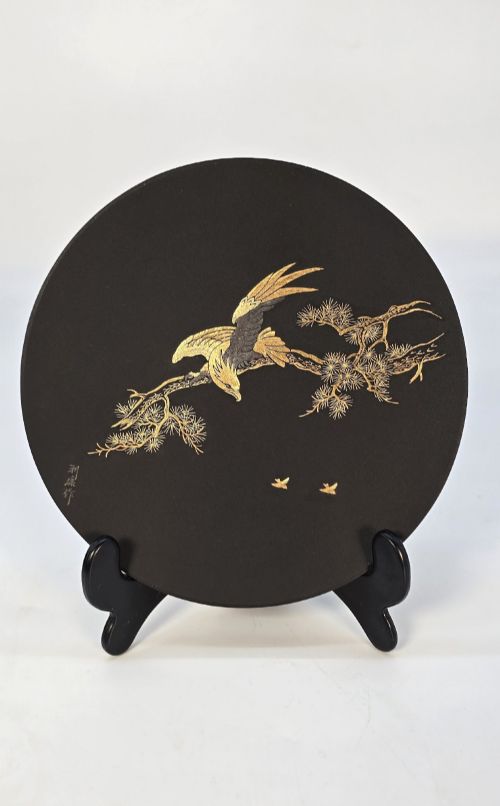
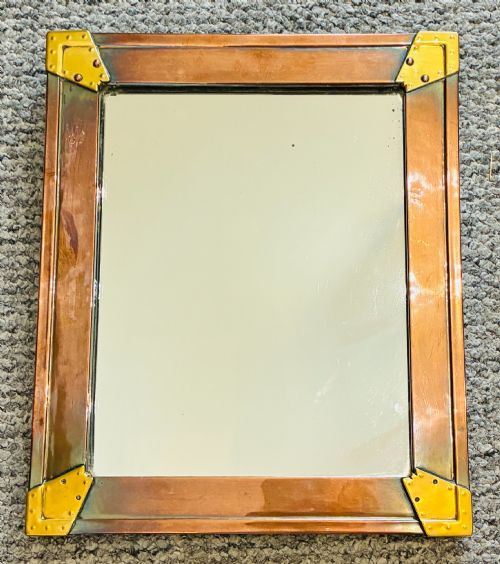
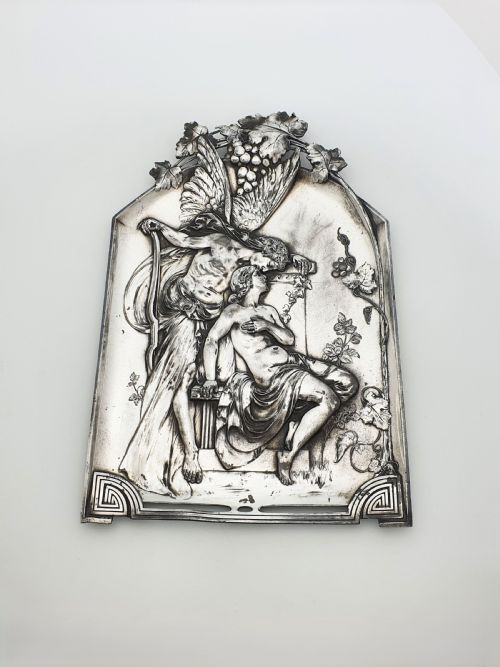
When you search for antique metal wall art, you encounter a varied group of hanging pieces intended for domestic and architectural display. The selection on this page leans heavily toward Arts and Crafts mirrors, beaten copper chargers, Japanese cloisonné plates and cast bronze relief plaques from the late nineteenth and early twentieth centuries.
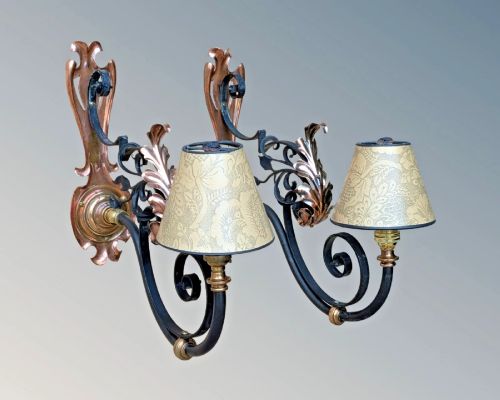
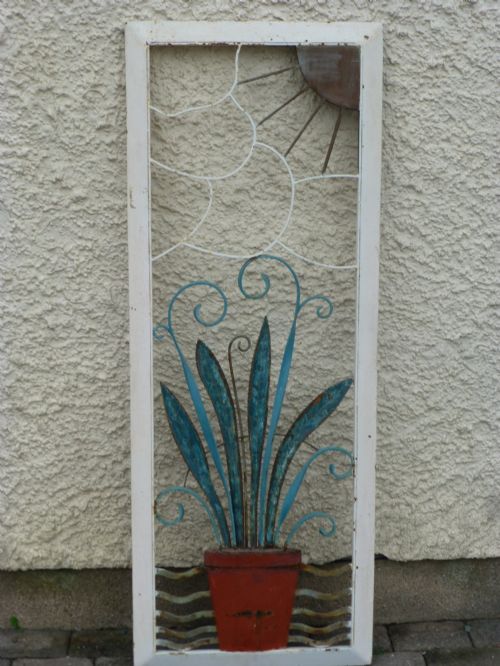
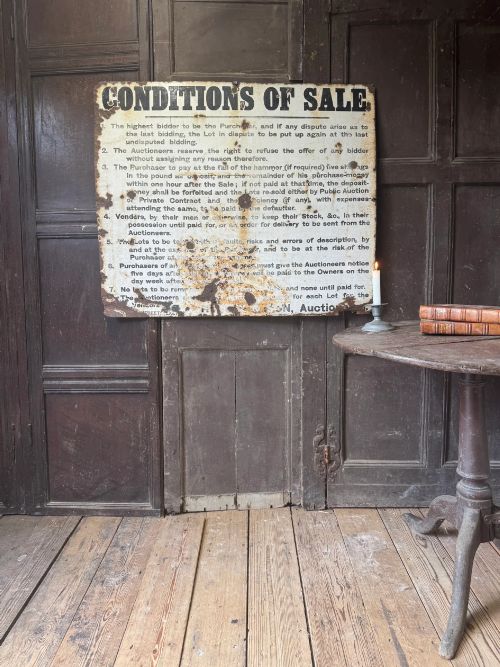
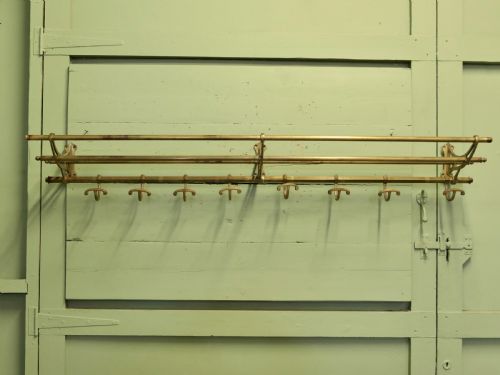
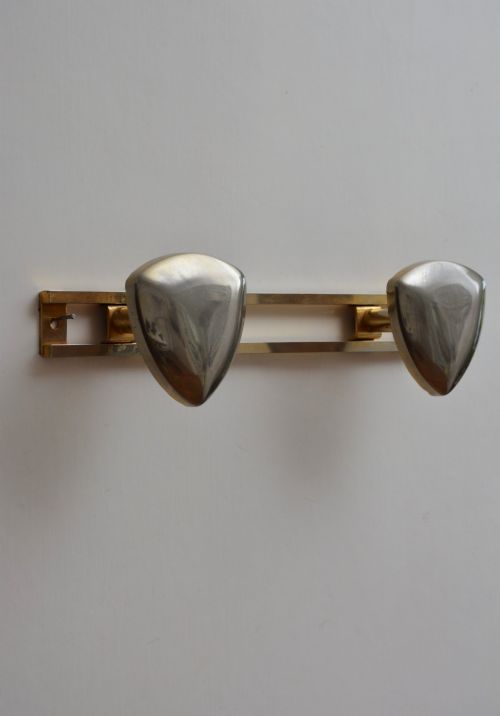
The forms range from utilitarian signs and coat racks to decorative sconces, framed mirrors and pictorial wall plaques. These pieces utilise metals such as copper, brass, bronze, iron and white metal, often combined with wood, glass, enamel or ceramic cabochons to create surface contrast and depth upon a wall.
How these pieces were made
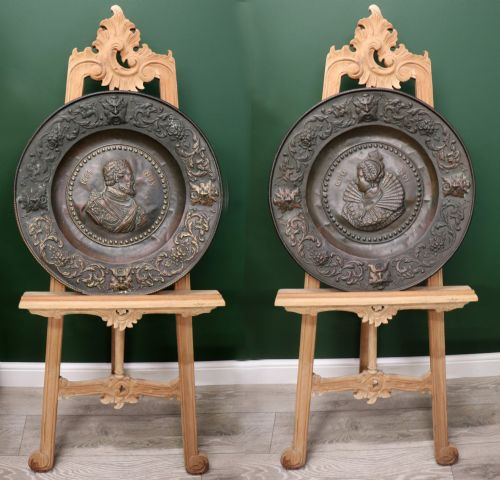
Makers shaped these objects through hand-working techniques like repoussé and hammering, pushing sheet copper and brass from the reverse to create raised motifs of foliage, fruit and portraits. Wrought iron elements were heated and forged into structural brackets, frames and scrolling sconces.
Casting provided heavier forms, utilising bronze, brass and iron poured into moulds to achieve crisp relief portraits and architectural plaques. Surface treatments included silver plating, patination, gilding, and the application of vitreous enamel in cloisonné cells to introduce colour.
Materials recur across distinct movements, uniting Arts and Crafts beaten copper with Art Nouveau silver-plated bronze.
What varies in quality
The distinction between standard production and superior work lies in the depth and control of the hand-finishing. Sharply defined repoussé work with undercut details and crisp chasing demonstrates greater skill than shallow, machine-pressed imitations.
The integration of materials also defines the grade of a piece, such as the precision of cloisonné wirework or the inclusion of bespoke ceramic cabochons and enamel work. Original patination and the integrity of the structural metal frame separate accomplished studio pieces from ordinary items.
Raymond Subes·Eugene Canneel·Liberty and Company·WMF·Faulkner Bronze Company
The Antique Metal Wall Art Glossary
- Repoussé
- A metalworking technique where the artisan hammers sheet metal from the reverse side to form a raised design in relief on the front. This method creates tactile, three-dimensional decorative surfaces on copper and brass wall chargers and mirror frames.
- Cloisonné
- An enamelwork method where thin metal wires are soldered to a metal base to create compartments, which are then filled with vitreous enamel paste and fired. Japanese plates and chargers frequently employ this technique to depict birds, figures and auspicious symbols.
- Sconce
- A wall-mounted lighting fixture designed to hold candles or lamps, often backed by a reflective metal plate. In Arts and Crafts and Art Nouveau examples, these plates use beaten copper or brass to catch and diffuse light.
- Patination
- The natural or chemical alteration of a metal surface over time through oxidation, handling and age. Collectors value stable patination for the depth of tone and historic character it adds to bronze and copper plaques.
- Charger
- A large ornamental plate intended for display on a wall or sideboard rather than for dining. Antique examples frequently feature embossed portraits, heraldry or dense floral motifs executed in heavy gauge brass or copper.
Antique Metal Wall Art: Frequently Asked Questions
How do I hang heavy metal wall art safely?
Heavy cast bronze plaques and large copper mirrors require wall fixings suited to the specific wall type, such as solid masonry plugs or direct anchoring into wooden studs. Utilising strong picture wire or direct bracket mounts ensures the weight distributes evenly without straining the original frame.
Check that the hanging loops or integrated brackets on the reverse of the piece are secure before mounting. Regular inspection of the fixings prevents movement over time.
What is the difference between Art Nouveau and Arts and Crafts metalwork?
Arts and Crafts metalwork focuses on visible hand-hammered textures, honest construction and motifs drawn from nature like pomegranates, trees and foliage. The aesthetic celebrates the labour of the artisan and straightforward utility.
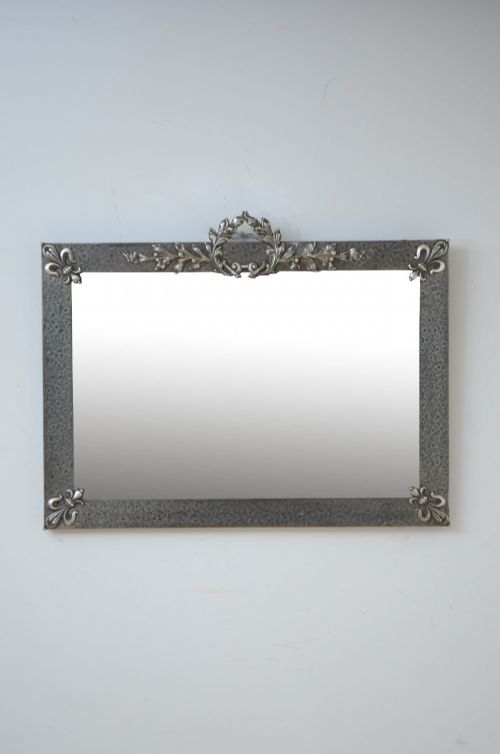
Art Nouveau pieces favor fluid, organic, whiplash lines and stylised feminine figures, often incorporating silver plating or mixed media like glass and enamel. The design language is more theatrical and focuses on sinuous curves.
Can I hang these pieces in a bathroom or kitchen?
High humidity and steam can accelerate corrosion on antique iron, unsealed copper and silver-plated surfaces. Placing delicate pieces like cloisonné plates or paper-backed mirrors in damp environments risks permanent degradation.
If displaying metal art in a kitchen or bathroom, ensure the room has adequate ventilation and keep the items away from direct moisture sources. Regularly check for signs of active oxidation.