



Early 20th Century Folk Art
Early 20th century folk art comprises handcrafted objects born from utilitarian roots, offering tactile character and direct connection to vernacular traditions.
Early 20th Century Folk Art
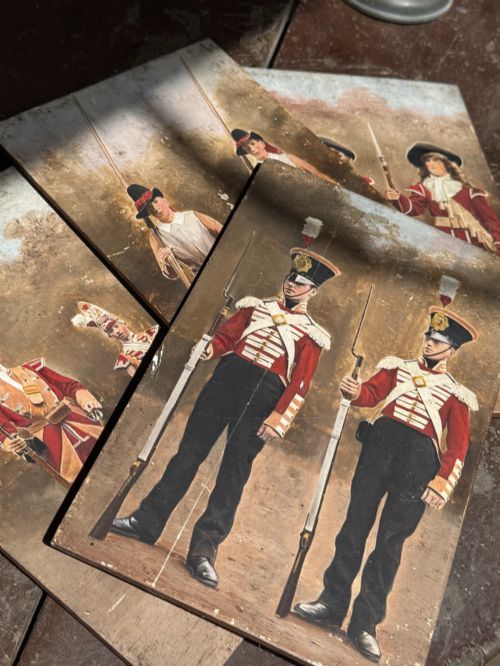
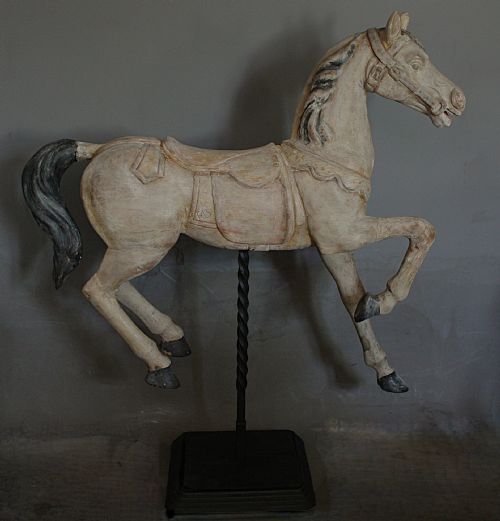
When searching for early 20th century folk art, buyers encounter a diverse array of utilitarian items, maritime pieces, and sculptural carvings that reflect regional traditions. The selections on this page bridge domestic craftsmanship and public entertainment, ranging from trade signs and carved decoys to carousel figures and scratch-built ship models.
Domestic items such as painted storage boxes, woven stands, and carved spoons sit alongside larger fairground fragments and wall art. English, Scandinavian, and American regional styles dominate the material, each bringing distinct local character to the category.
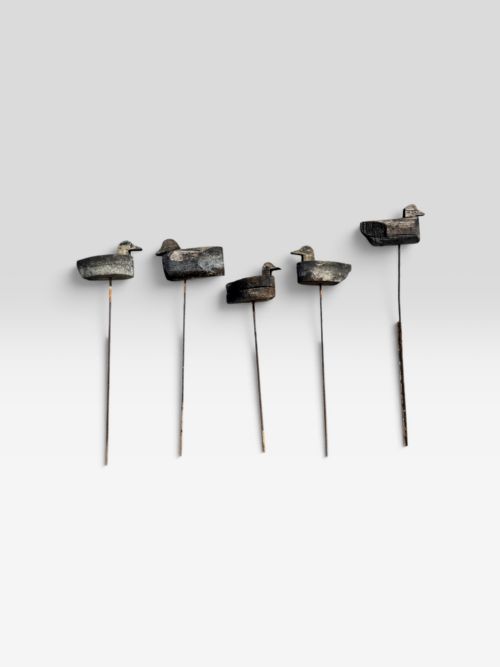
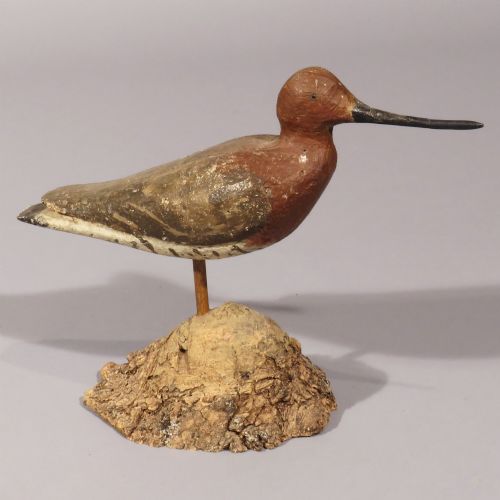
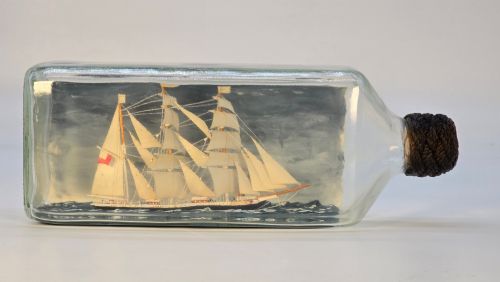
Sculptural objects and trade displays, including shop models of loaves and milliner's heads, provide a glimpse into commercial life a century ago. Maritime pieces like diorama ships in bottles and duck decoys represent coastal craftsmanship from the Edwardian era through the 1930s.
Materials and methods
Makers utilised timber, carved wood, and iron alongside applied layers of paint to produce everyday objects and decorative sculptures. The construction often relies on straightforward joinery, scratch-built assembly, and hand-carving techniques applied to pine, oak, and maple.
Surface treatments play a central role, with surviving layers of original paint, enamel, and weathered patination defining the visual weight of each piece. Sheet metal, copper, and glass appear in weather vanes, donation boxes, and maritime dioramas, showing the resourceful use of industrial materials.
Early 20th Century Folk Art Retail Price Guide 2026
Typical asking prices for early 20th century folk art among the pieces listed under this phrase on Sellingantiques today, from the lower quarter to the upper quarter. They describe what is for sale here now, not the wider market.
An anonymous maker fashioned a complete miniature saloon bar inside a bottle using prisoner art techniques.
Assessing quality and character
The strength of a piece rests in the expressive power of the carving and the integrity of its original surface paint. Stronger examples display confident tool marks and uncalculated asymmetry that elevate utilitarian items into compelling visual statements.
Originality of surface finish dictates much of the appeal, with untouched paint patination outranking later overpainting. The balance between naive charm and structural proportion separates standard workshop output from exceptional vernacular expression.
E H Windred
The Early 20th Century Folk Art Glossary
- Decoy
- A carved or moulded figure, often representing a duck or bird, originally placed to attract wildfowl. These items now serve as decorative sculptures valued for their surface paint.
- Whirligig
- A wind-powered kinetic toy or garden ornament with moving parts driven by the breeze. Makers constructed these dynamic objects from wood and metal using scrap components.
- Trade sign
- A board or sculptural object hung outside a shop to advertise goods or services. These items relied on bold imagery rather than text to communicate with the public.
- Allmoge
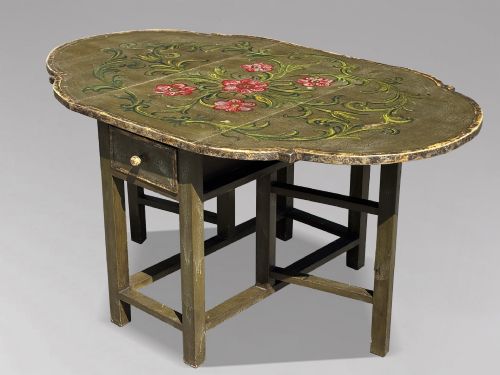
- A Scandinavian term describing traditional folk art and vernacular craft made for rural domestic life. The style encompasses painted wooden furniture and household implements.
- Jigger doll
- A jointed wooden figure designed to dance on a board when tapped by hand or vibrated. These mechanical toys display playful character through carved hats and tailored clothing.
Early 20th Century Folk Art: Frequently Asked Questions
What is early 20th century folk art?
These pieces are handmade decorative and utilitarian objects created outside formal academic art traditions between 1900 and 1930. They include carved decoys, fairground panels, trade signs, and maritime dioramas made by regional artisans.
Buyers are drawn to these items for their directness of expression and the tangible connection they provide to historical domestic and commercial life.
How were fairground panels used?
Carousel horses, game panels, and ride fragments served as vibrant decorations designed to attract crowds to amusement rides and carnival stalls. They were brightly painted to catch the eye in bustling public spaces.
Today, these architectural fragments function as large-scale wall art or sculptural installations in modern interiors.
How do I live with folk art?
Folk art works well when placed against neutral backdrops that allow weathered wood, iron, and original painted surfaces to stand out. Mixing utilitarian items like storage boxes and trays with contemporary furniture grounds a room with historical texture.
Keeping pieces away from direct heat sources helps preserve vulnerable painted finishes and natural timber surfaces.
How do I spot regional styles?
Scandinavian pieces often feature distinct painted patterns and carved household implements like spoons and wooden bags. American and British items frequently include trade signs, whirligigs, and maritime carvings that reflect local trade and coastal life.
Examining the underlying timber and painting technique helps connect an object to its likely country of origin.