
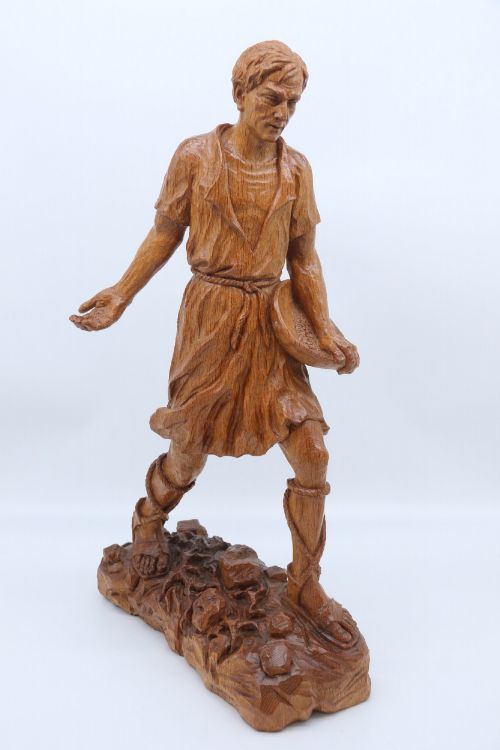


Edwardian Wooden Statue
These edwardian wooden statue pieces bring tactile animal and figure carving straight into a room, offering immediate character through rich timber grains.
Edwardian Wooden Statue
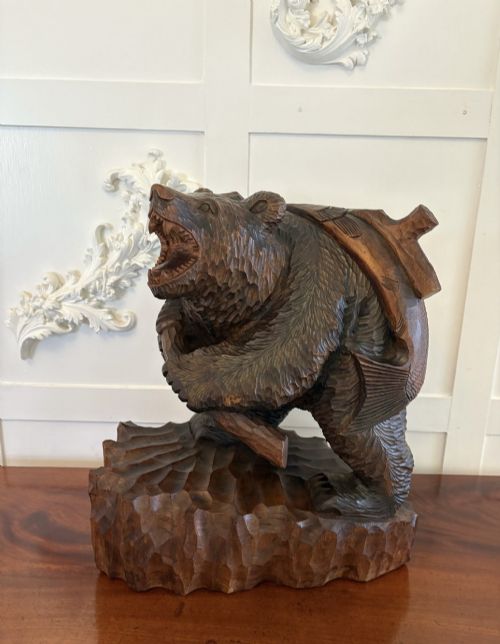
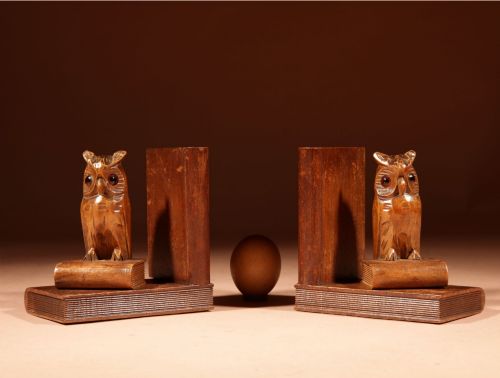
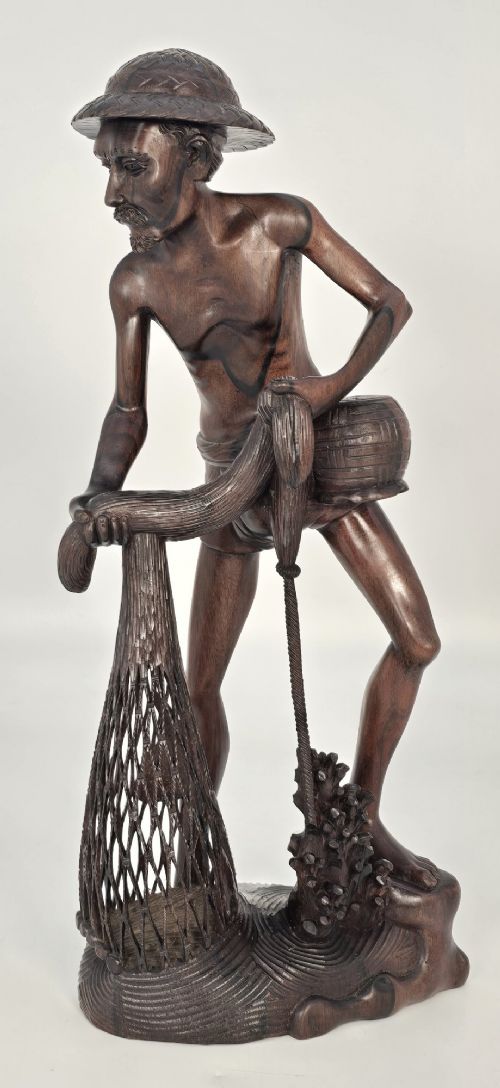
When you search for an edwardian wooden statue, you meet a distinct group of carved figures, animals and devotional pieces originating around nineteen hundred. The selection on this page ranges from functional bookends and life-size sports figures to detailed representations of bears and human subjects.
The objects span several aesthetic traditions including Black Forest animal carvings, Japanese folk art influences and Arts and Crafts figures. You encounter linden wood, oak and various hardwoods shaped with direct hand tools to create textured surface details.
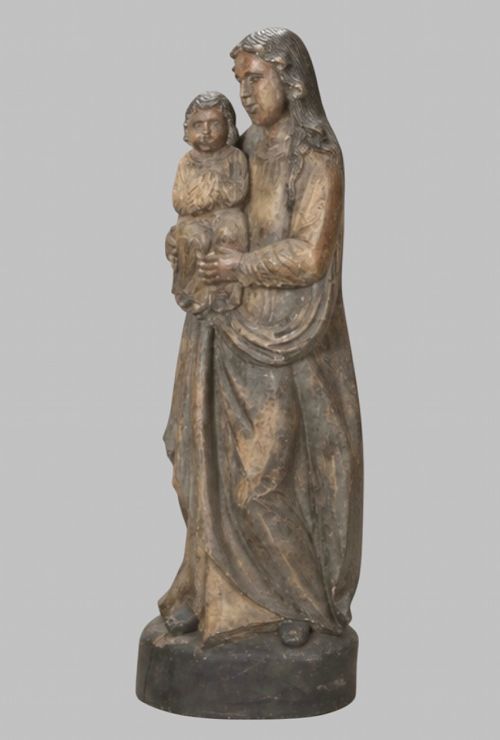
Forms vary from small decorative birds and devotional Madonna groups to imposing animal sculptures and bookends. Most examples rely on the natural warmth of the timber combined with subtle paint highlights or dark finishes.
How they were made
Carvers utilised solid blocks of linden wood, oak and assorted hardwoods, working directly with hand chisels and gouges to build up three-dimensional forms. The choice of linden wood allowed for intricate animal fur and feather detailing due to its fine, even grain.
Many items incorporate hand-painted elements, particularly on figures and animal eyes, to enhance expression and depth. The timber was typically finished with wax or light polish to protect the surface while preserving the natural texture of the wood.
Object forms span life-size figures, bookends, devotional statues, and decorative birds.
What varies in quality
The division between standard workshop output and superior work rests on the fluidity of the carving and the precision of anatomical detail. Master carvers captured movement and expression convincingly in subjects like bears, owls and human figures.
Proportion and scale also dictate distinction, particularly in larger pieces where maintaining anatomical balance requires advanced skill. Depth of relief and the crispness of tool marks separate mechanical production from expressive hand-finished artistry.
The Edwardian Wooden Statue Glossary
- Linden wood
- A pale, fine-grained timber favoured by carvers for its consistent density and lack of prominent grain interference. It permits exceptionally crisp detail in animal and figure work.
- Black Forest carving
- A style of wood sculpture originating from the Swiss and German border regions, famous for realistic depictions of bears, owls and woodland animals. These pieces often doubled as functional items like bookends and hall stands.
- Arts and Crafts
- A design movement valuing hand craftsmanship, simple forms and local materials over industrial mass production. It produced honest timber figures rooted in traditional working methods.
- Folk art
- Objects created by self-taught or traditional craftsmen outside academic fine art traditions. They exhibit charming directness and vernacular character.
Edwardian Wooden Statue: Frequently Asked Questions
What subjects do these statues show?
The selections feature a broad array of subjects including woodland animals, figurative representations of workers, and religious carvings.
Animals like bears and owls appear frequently alongside human figures such as fishermen and cricketers.
How were these wooden carvings used?
Many pieces served dual purposes as decorative sculptures and practical items for the home.
Examples include heavy animal bookends designed to hold volumes upright on desks as well as standalone decorative figures.
What woods appear most often?
Carvers relied heavily on linden wood for its cooperative grain and soft texture.
Oak and various dense hardwoods also feature across the period output, sometimes paired with hand-painted details.
How do you date an edwardian wooden statue?
Dating relies on stylistic markers, tool marks, and the specific aesthetic movements recorded in the evidence.
Characteristics from the Arts and Crafts and Black Forest traditions place these works near the turn of the twentieth century.