
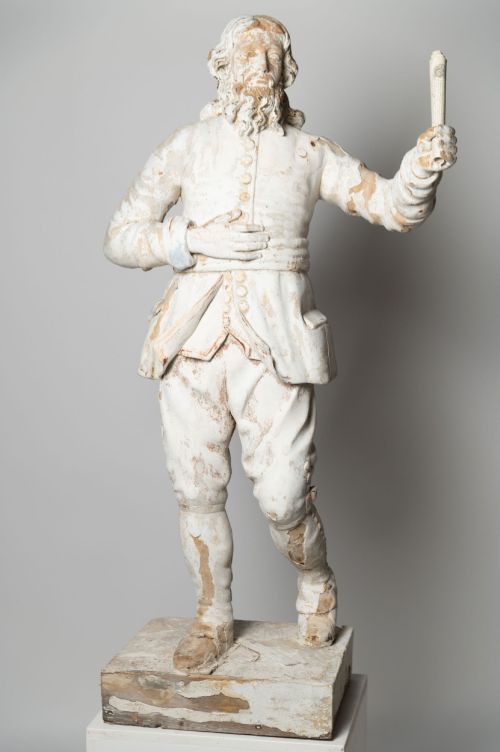
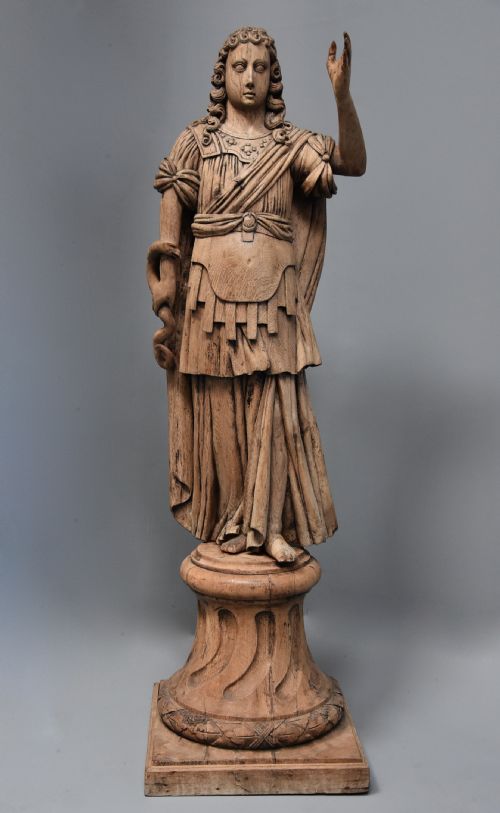
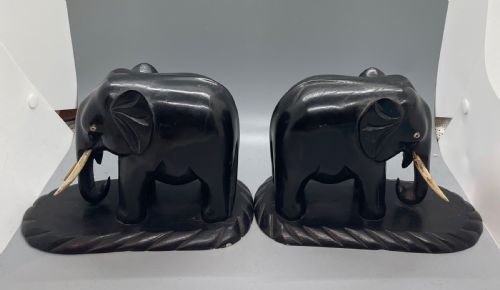
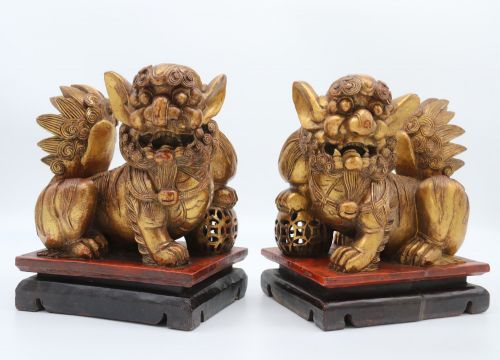

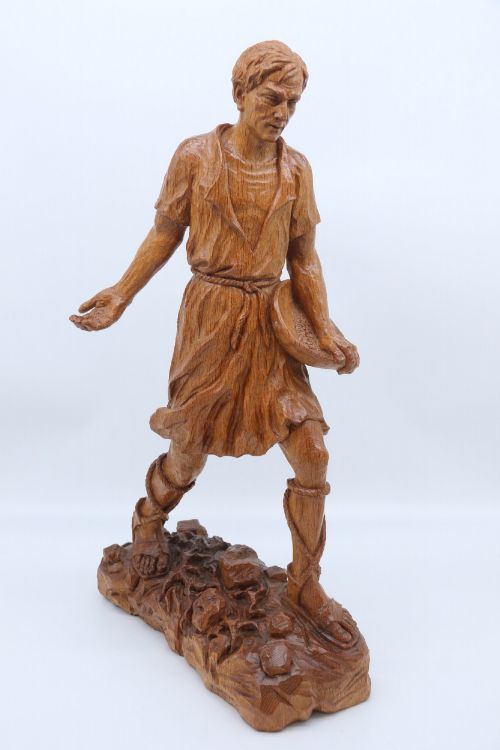

Decorative Wooden Figure
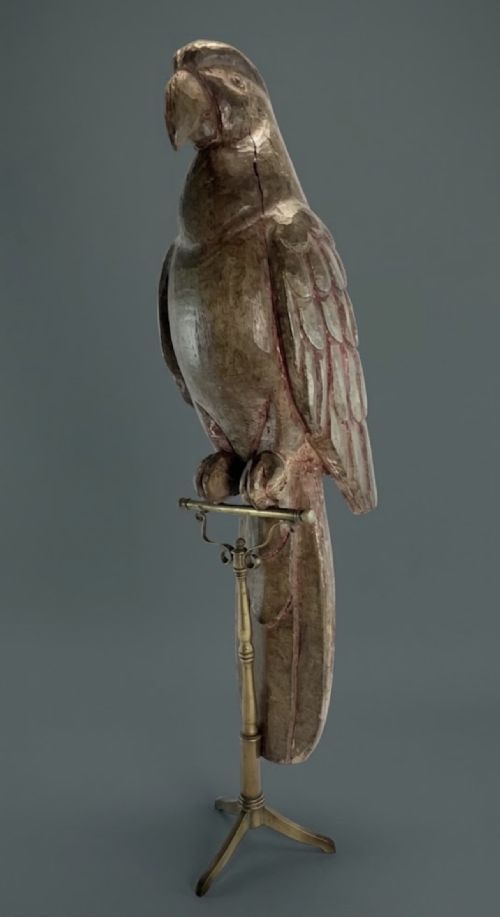
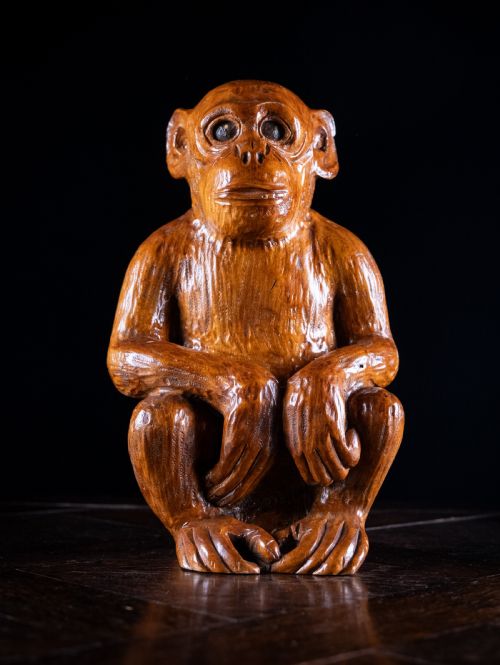
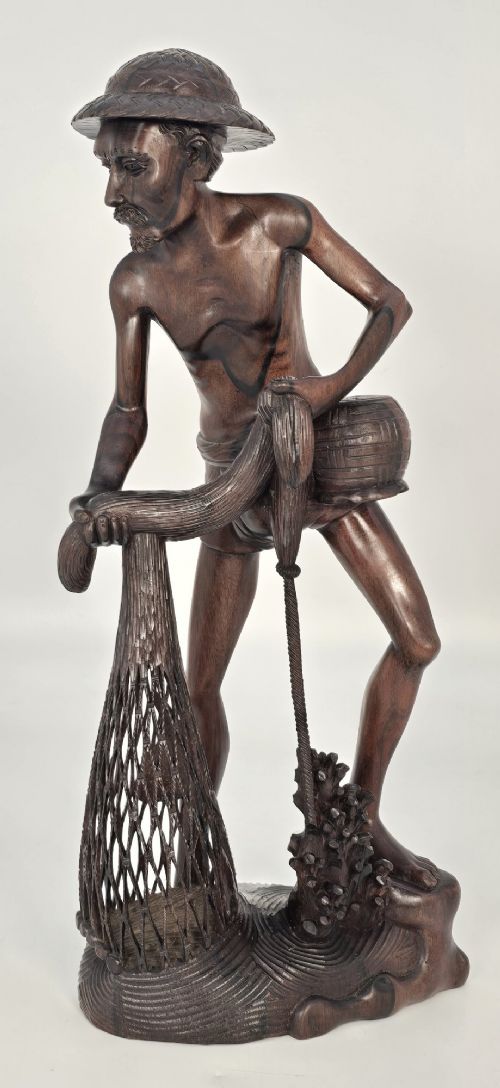
A decorative wooden figure brings warmth and character to a room, ranging from folk art animals to carved human forms.
Decorative Wooden Figure
A decorative wooden figure encompasses everything from carved animals and birds to full-size human sculptures and architectural fragments.
The pieces on this page span several centuries, with particular strength in nineteenth-century and early twentieth-century examples from European, Asian and Anglo-Indian makers.
Buyers frequently encounter animal studies, bookends and figures on stands, reflecting diverse domestic and decorative uses across different periods.
Materials and Techniques
Carved wood forms the foundation of these pieces, utilising various hardwoods, limewood and oak shaped by hand.
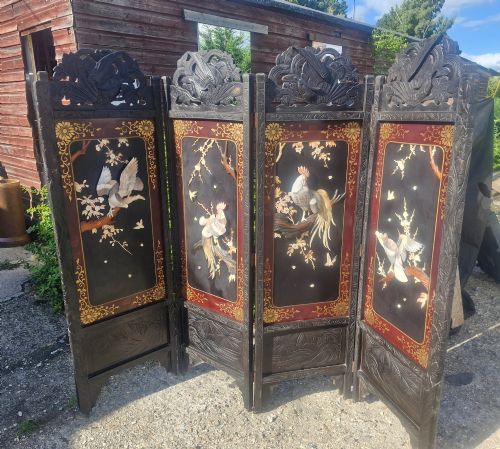
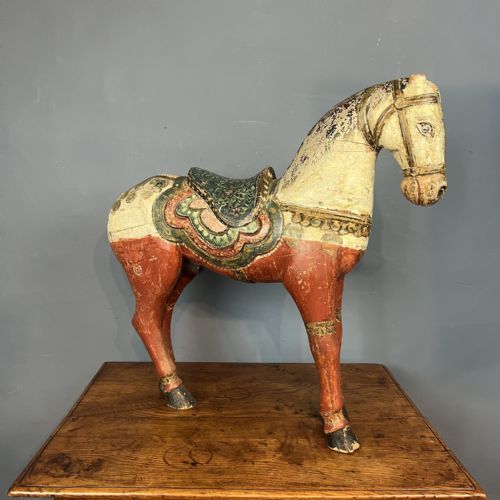
Many surfaces receive additional treatment through polychrome paint, gold leaf, lacquer or ebonisation to enhance the visual impact of the carving.
Listings feature items spanning from the sixteenth century to the mid-twentieth century, utilising oak, limewood, ebony and hardwood.
Assessing Quality
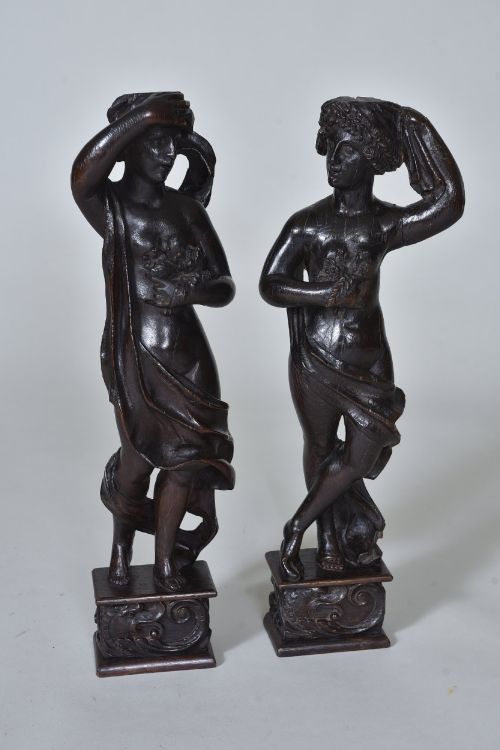
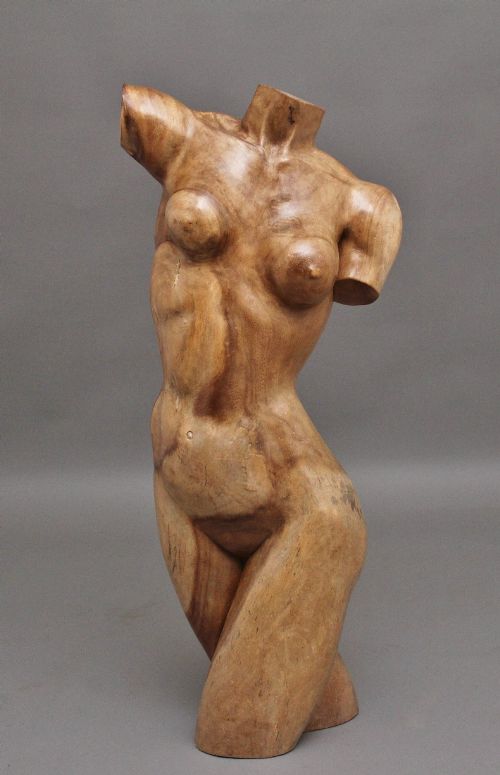
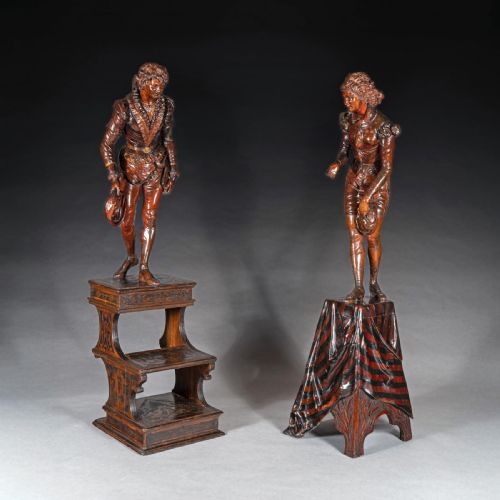
The depth and fluidity of the carving separate standard items from superior pieces, particularly in the rendering of anatomical detail or drapery.
Original surface treatments, such as early polychrome paint or gilt wood, hold greater appeal than later refinishing or overpainting.
The presence of an integrated stand or base often completes the composition of larger sculptural figures.
Valentino Besarel·Hans Müller
The Decorative Wooden Figure Glossary
- Polychrome paint
- Decoration utilising several colours on the surface of wood or other materials. This technique highlights carved details on figures and architectural elements.
- Gilt wood
- Wood that has been coated with gold leaf or metallic gilt. It creates a reflective, decorative finish seen on many Continental and Asian sculptures.
- Dummy board
- A flat painted wooden figure shaped to resemble a person or animal. These pieces were often placed in rooms to surprise visitors or act as silent companions.
- Ebonised
- Wood treated to resemble ebony through staining or painting. This dark finish appears frequently on Victorian decorative items and animal carvings.
- Foo dog
- A traditional Chinese guardian lion depicted in pairs. These mythical creatures are often carved from wood or stone to protect buildings.
Decorative Wooden Figure: Frequently Asked Questions
Where were decorative wooden figures placed?
These pieces served multiple functions within historic interiors, acting as mantelpiece ornaments, freestanding floor sculptures or decorative supports.
Smaller examples like bookends and animal carvings occupied desks and libraries, while larger figures stood on pedestals in reception rooms.
How do I identify different periods?
Dating relies on stylistic clues, tool marks and the condition of the surface finishes like paint or gilding.
Eighteenth-century examples often display deep Baroque or Continental carving, whereas twentieth-century pieces frequently adopt Art Deco or folk art characteristics.
Are painted wooden figures original?
Many sculptures retain their original polychrome paint or gilt surfaces, which developed natural patina and wear over time.
Inspect the surface under magnification to check whether the pigment matches the age of the underlying wood carving.
What is a dummy board figure?
A dummy board is a flat cut-out wooden panel painted to depict a person, animal or floral arrangement in realistic proportions.
They originated to create optical illusions in domestic interiors and remained popular from the seventeenth through the nineteenth century.