
Carved Timber Sculpture
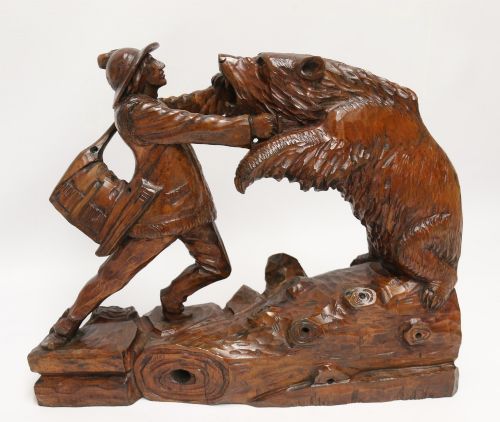
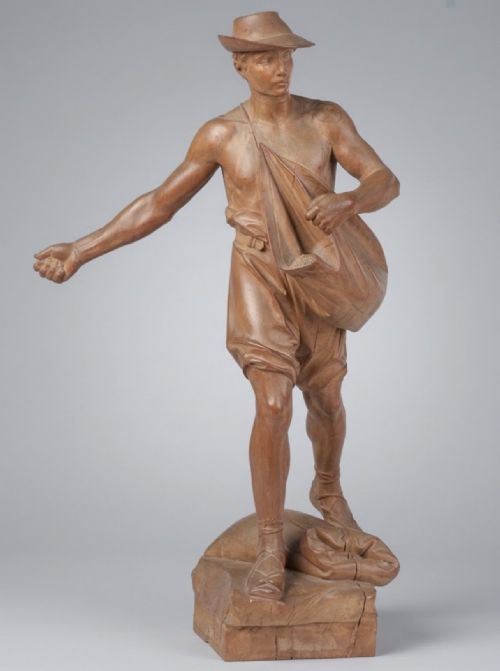
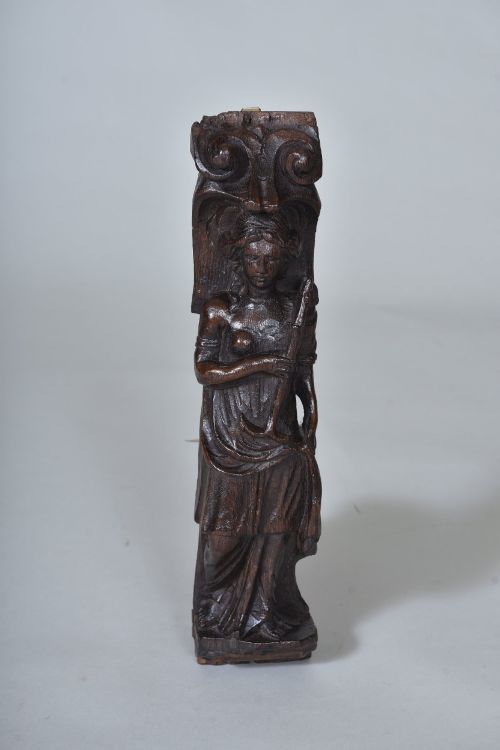
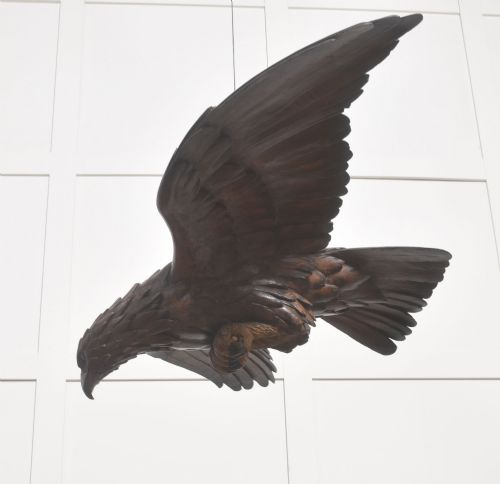
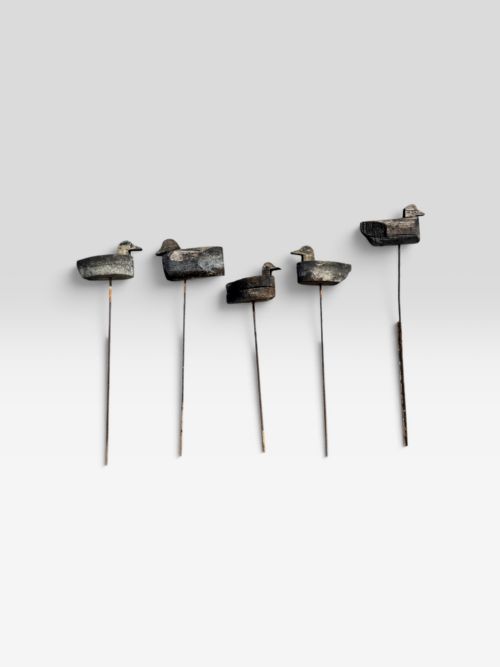
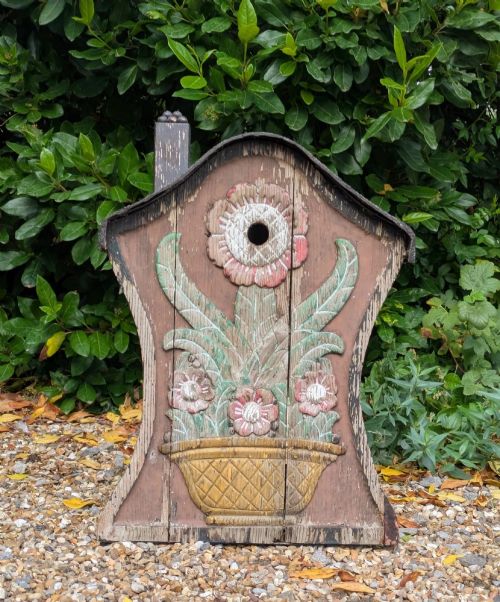
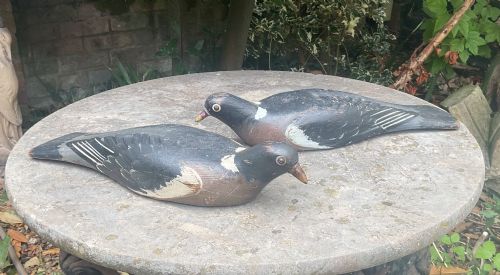
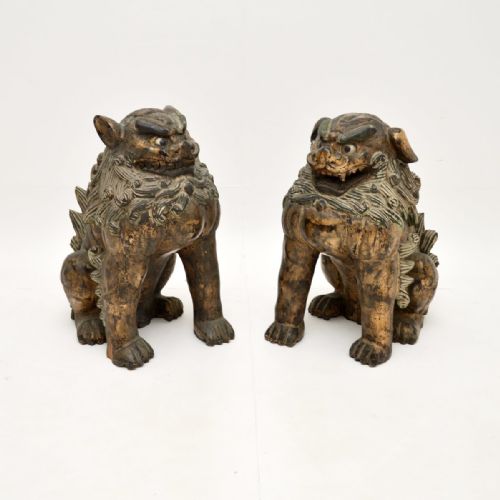
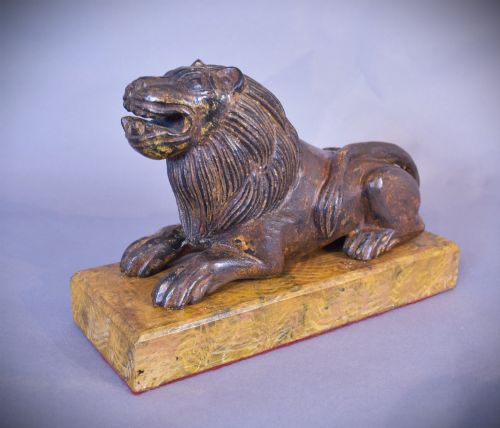
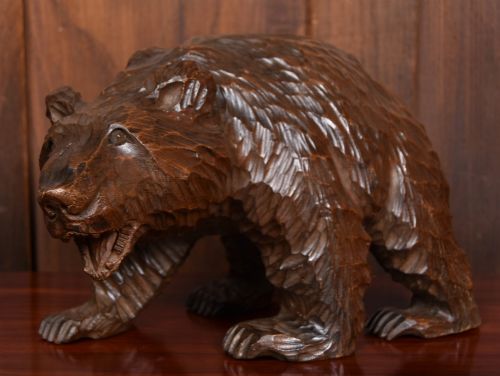
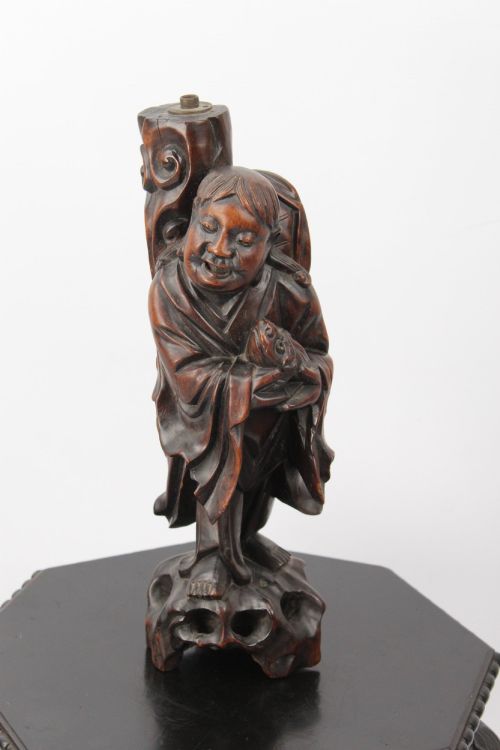
These pieces of carved timber sculpture range from seventeenth-century oak panels to twentieth-century folk art decoys, offering tangible history and character for any interior.
Carved Timber Sculpture
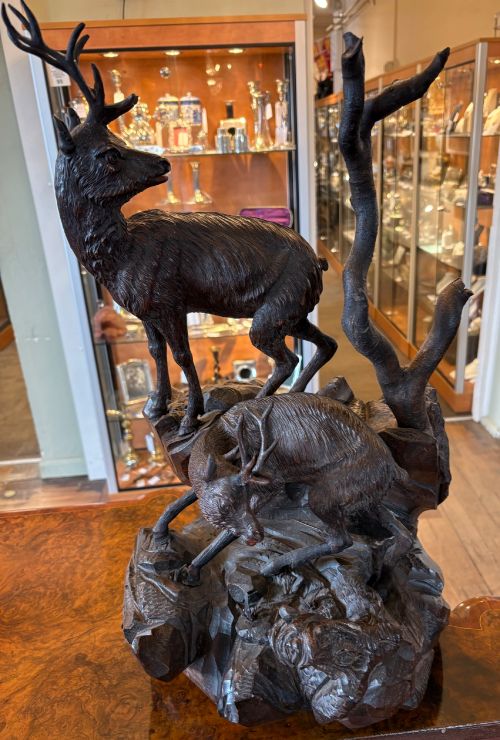
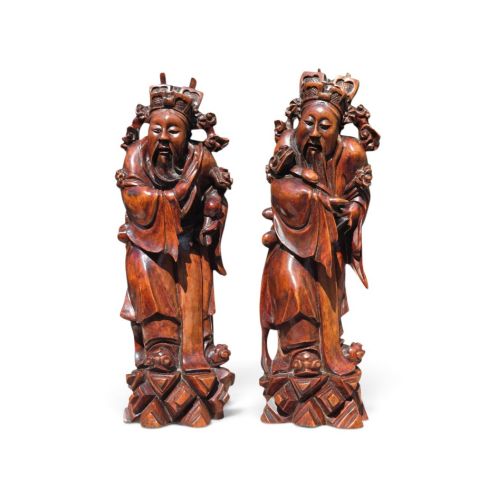
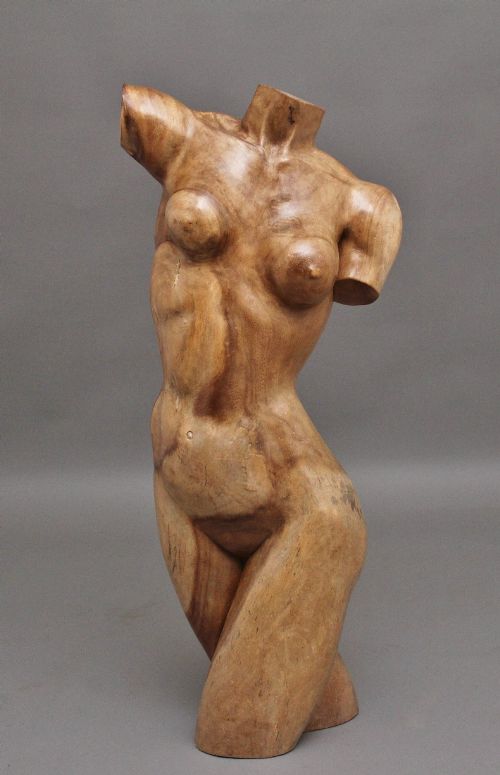
A carved timber sculpture encompasses three-dimensional figures, relief panels, animals, and architectural ornaments shaped from various woods across multiple centuries. Buyers searching for carved timber sculpture frequently encounter regional works such as Black Forest animal studies, Chinese hardwood figures, and European folk art decoys.
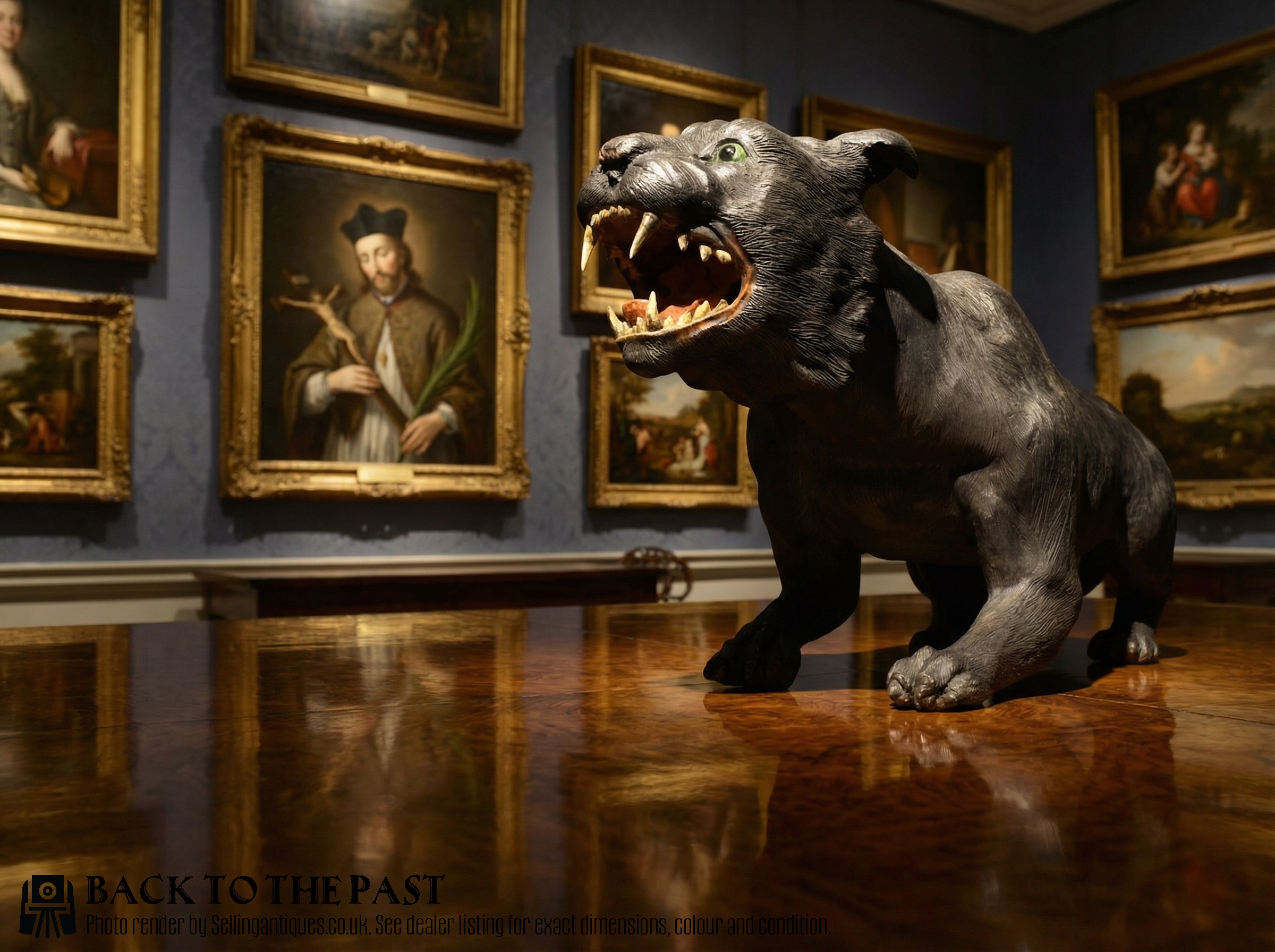
The objects span domestic decorative items, religious figures like saints and angels, and utilitarian carvings repurposed as display pieces. Animal representations, including bears, birds, and dogs, appear alongside human figures ranging from classical deities to noblemen and fishermen.
Origins stretch across European, Asian, and British workshops, dating from the sixteenth century through the early decades of the twentieth century. Oak, walnut, fruitwood, and pine form the primary substances of these varied historical artefacts.
Materials and methods of construction
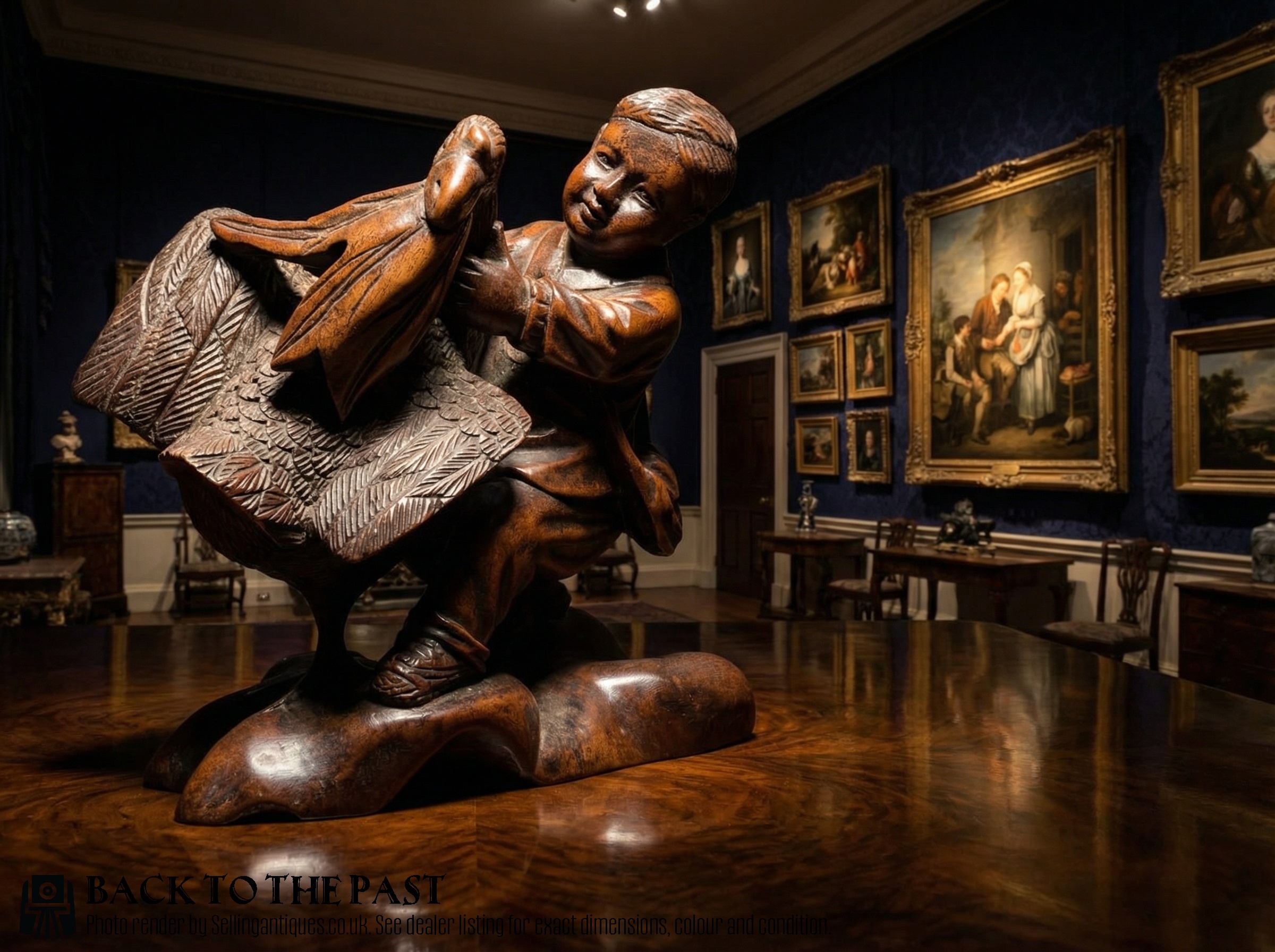
Carved timber sculpture relies on traditional hand tools such as gouges, chisels, and mallets applied to native and exotic woods. Craftsmen selected dense hardwoods like oak, walnut, and chestnut for architectural panels and monumental figures, while softer fruitwoods and limewood suited intricate, detailed animal studies and facial expressions.
Surfaces frequently received secondary treatments including polychrome paint, giltwood, or clear wax finishes to enhance visual depth and protect the organic material. Joinery techniques varied from single-block carving to multi-part construction pinned with timber dowels or reinforced with iron fixings.
Carved Timber Sculpture Retail Price Guide 2026
Typical asking prices for carved timber sculpture among the pieces listed under this phrase on Sellingantiques today, from the lower quarter to the upper quarter. They describe what is for sale here now, not the wider market.
The documented styles span Black Forest, Folk Art, Baroque, Japanese Folk Art, Gothic Revival, and Qing Dynasty traditions.
Distinctions in craftsmanship and condition
Surface preservation significantly influences the standing of a piece, distinguishing untouched original polychrome paint or patinated bare wood from later stripping or aggressive restoration. The crispness of surviving edges on sixteenth- and seventeenth-century panels indicates whether a carving retains its original definition or suffered softening through excessive cleaning.
Valentino Besarel·Jules Buste Labatut·G J Lines
The Carved Timber Sculpture Glossary
- Polychrome
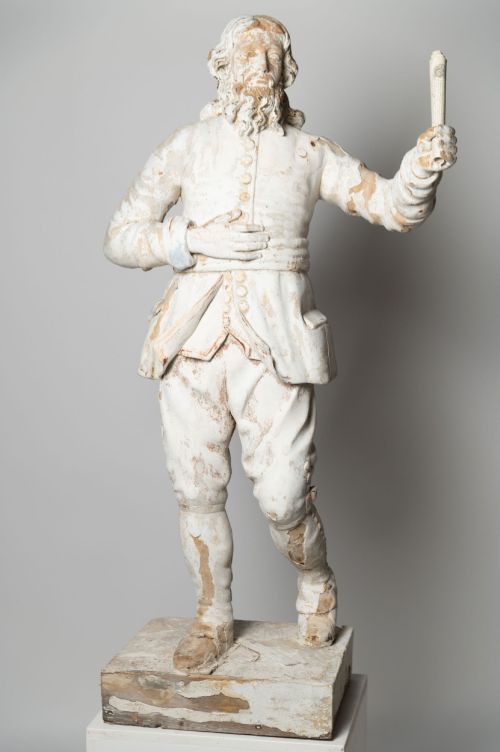
- Painted in several colours. This surface treatment appears frequently on medieval and continental religious figures to simulate lifelike appearance.
- Relief
- Sculptural elements attached to a solid background of the same material. Low relief projects slightly, whereas high relief stands out markedly from the plane.
- Decoy
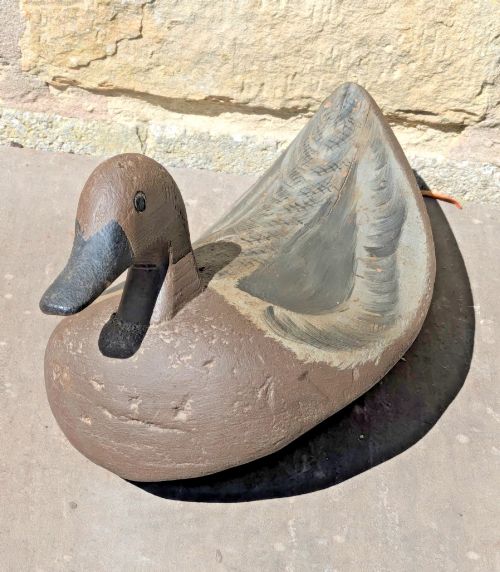
- A carved wooden bird or animal used historically to attract wildlife. Makers shaped these objects with simplified, functional silhouettes that now appeal to folk art collectors.
- Limewood
- A pale, fine-grained wood favoured by continental carvers. Its uniform texture allows intricate undercutting without splintering.
- Corpus Christi
- An image of Christ on the cross. These devotional objects appear in various woods across Spanish, Italian, and Northern European traditions.
Carved Timber Sculpture: Frequently Asked Questions
How do I date a carved timber sculpture?
Dating relies on tool marks, timber species, stylistic conventions of the period, and any surviving structural evidence such as pegging or panel shrinkage.
Examination of the wear patterns and the method of removal from larger structures also provides clues to the century of manufacture.
Were these sculptures originally painted?
Many European figures and architectural panels from the sixteenth to eighteenth centuries featured layered gesso and polychrome paintwork.
Over the centuries, numerous pieces lost their pigment through cleaning or fashion, leaving bare wood surfaces exposed.
How should I care for wooden sculptures at home?
Keep wooden sculptures away from direct heat sources, radiators, and rapid fluctuations in humidity to prevent timber splitting or warping.
Occasional light dusting with a dry, soft cloth suffices, avoiding modern liquid polishes that build up residue.
What is the difference between folk art and studio carvings?
Folk art sculptures, such as decoys and vernacular bird boxes, were created by self-taught makers for practical use or local community markets.
Studio carvings reflect academic training, identifiable workshops, and sophisticated stylistic movements like Baroque or Gothic Revival.