


18th Century Wood Carving
These pieces of 18th century wood carving bring tactile history into a room through centuries of hand-cut grain.
What these pieces are
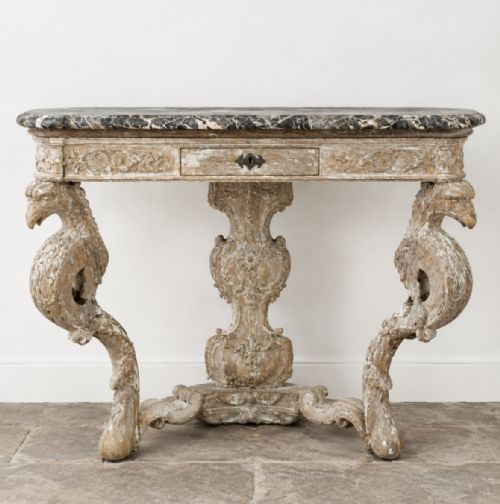
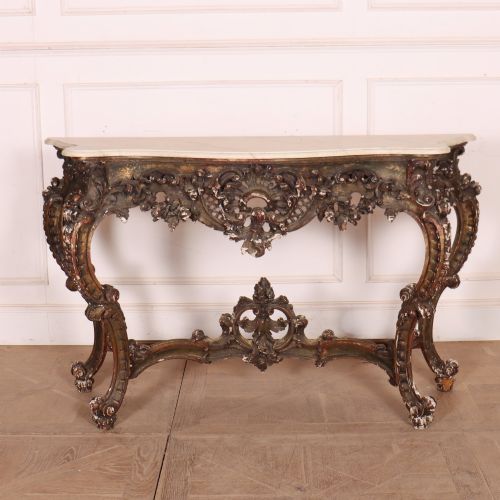
An 18th century wood carving represents a diverse group of sculptural objects, architectural salvage, and wall reliefs originating from various European and Asian traditions. Buyers searching this phrase encounter everything from architectural ceiling rose panels to figurative sculptures and wall plaques.
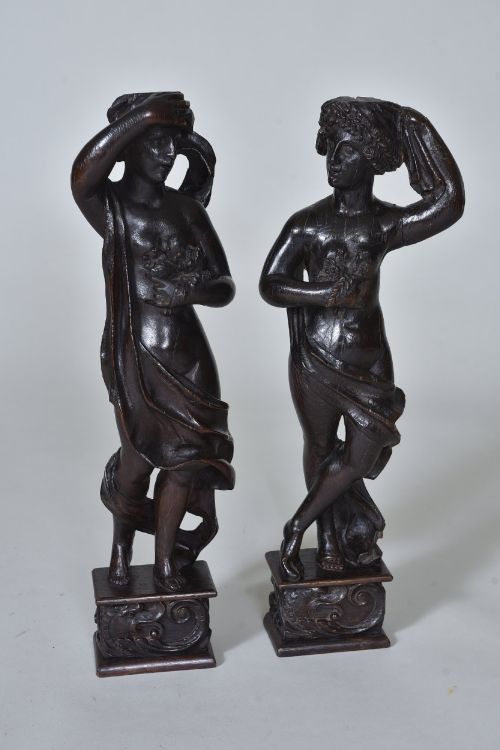
The pieces appearing on this page most commonly take the form of wall reliefs, decorative plaques, and sculptural figures. Subjects range from floral baskets and mythological figures like Neptune to animal heads and religious acolytes.
Origins span across Britain, Continental Europe, Russia, and China, incorporating regional styles such as Baroque, Neoclassical, and Georgian. Materials vary from indigenous oak and walnut to exotic rootwood and polychrome painted timbers.
How they were made
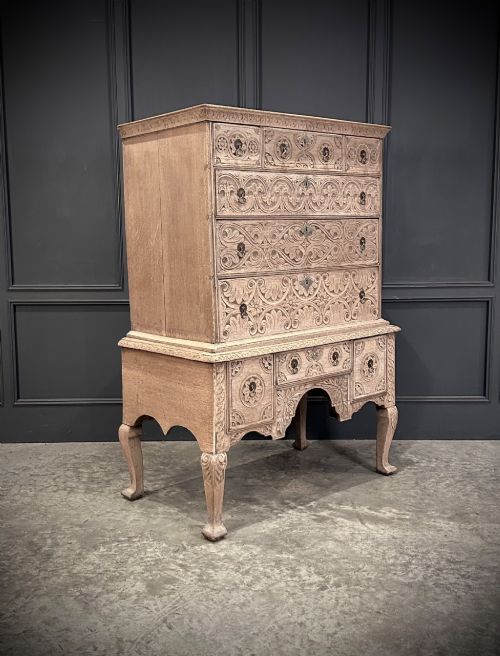
Carvers shaped these works using dense hardwoods such as oak and walnut, alongside specialist timbers like rootwood and timber prepared with polychrome paint or giltwood. Artisans utilised hand chisels and gouges to build relief depth and define intricate details across panels, figures, and architectural elements.
Surface finishes include natural polished timber grains, painted polychrome layers, and gilded surfaces applied directly to carved wood bases. Structural forms range from integrated ceiling rose panels to fully rounded sculptural figures and applied wall plaques.
Retail Price Guide 2026
Typical UK retail prices for 18th century wood carving, calculated from the Sellingantiques database of over a million retail prices indexed since 2003. This retail price guide relies exclusively on Sellingantiques data; no external sources or auction records are used, so the figures do not describe the wider market.
Listings feature oak, walnut, rootwood, and timber finished with polychrome paint or giltwood across multiple regions.
What varies in quality
The distinction between standard items and the top of the range rests entirely on the execution of the carving and the depth of anatomical or botanical detail. Master carvers achieved fluid motion and lifelike proportions in figures such as cherubs, noble ladies, and mythological subjects, whereas lesser pieces display rigid lines and shallow relief.
The sophistication of the design and the preservation of the original surface finish dictate the standing of a piece. Original polychrome paint, untouched giltwood, and crisp, uncompromised timber edges elevate the sculptural presence and historical integrity of the work.
The 18th Century Wood Carving Glossary
- Architectural salvage
- Building elements rescued from older structures for decorative reuse. These items often include carved panels or ceiling components removed during demolition or renovation.
- Wall relief
- Sculpture technique where figures or designs project from a flat background surface. This method creates depth while keeping the carving attached to a solid wall panel or backing.
- Polychrome paint
- The practice of decorating wooden surfaces with multiple colours. This historical finish adds vibrant visual layers directly onto the carved timber.
- Ceiling rose
- A decorative circular moulding fixed to a ceiling from which a chandelier or pendant light is hung. Wooden examples feature hand-cut floral or geometric motifs.
- Giltwood
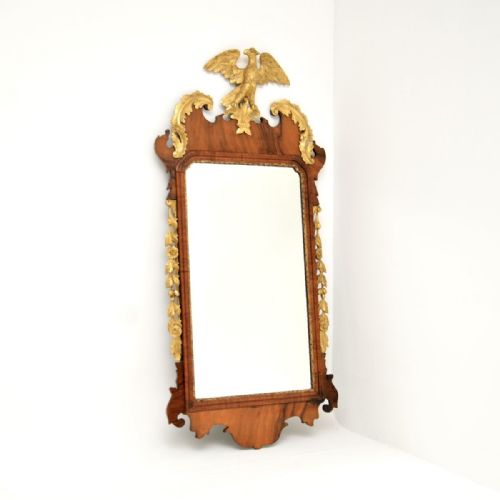
- Timber coated with a thin layer of gold leaf or gold paint. This finish provides a luminous metallic surface popular in Baroque interior decoration.
- Rootwood
- The dense, gnarled underground growth of a tree utilised by artisans for intricate sculptures. The natural grain patterns dictate the final organic form of the carved subject.
Frequently Asked Questions
How were these carvings used originally?
Many pieces served as permanent architectural decorations integrated into domestic interiors, churches, or public buildings. Items such as ceiling roses and wall panels adorned grand rooms and halls.
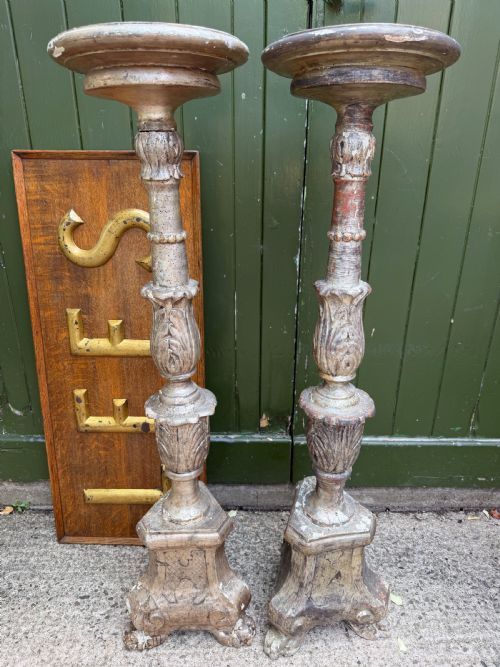
Other works functioned as standalone sculptures, devotional objects like acolyte candlesticks, or decorative reliefs designed to display wealth and artistic taste.
How do I live with wood carvings?
Displaying these pieces requires placement away from direct heat sources and sudden humidity changes to protect the historic timber. Wall reliefs need secure fixings suited to the weight of dense hardwoods like oak and walnut.
Pairing these sculptures with complementary period interiors or placing them as focal points in modern spaces highlights their texture and hand-carved details.
How do I tell periods and styles apart?
Identifying the style involves examining the decorative vocabulary, such as the exuberant curves of Baroque work or the classical symmetry of Neoclassical and Georgian pieces. Regional traits also offer clues, distinguishing European walnut carvings from Asian rootwood sculptures.
Material choices and surface treatments, including early polychrome paint or giltwood, help anchor the object within its specific century of production.