


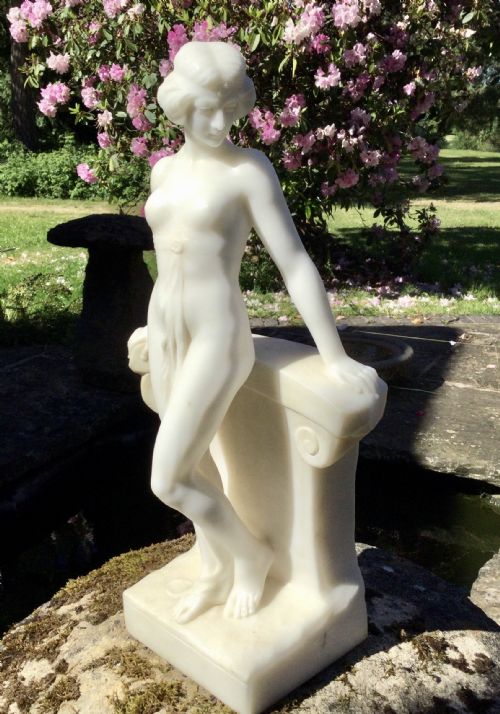
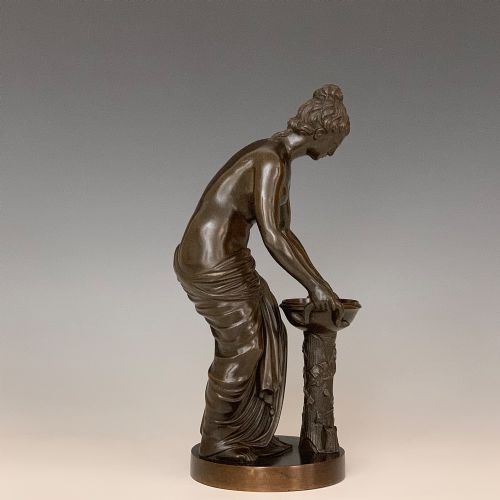


Classical Maiden Sculpture
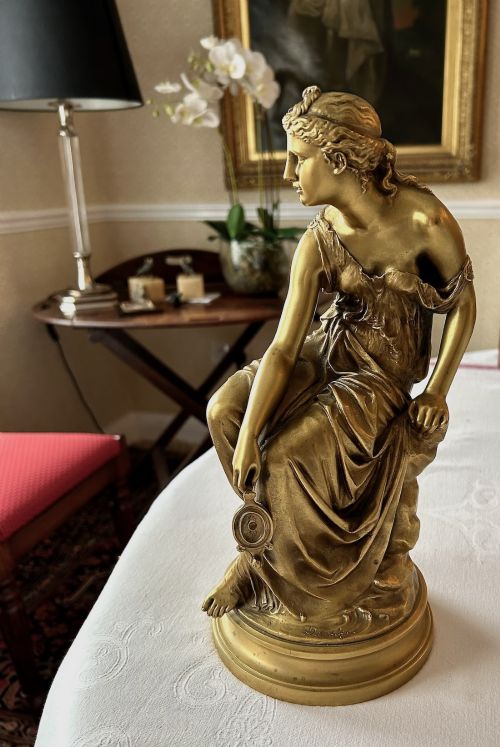
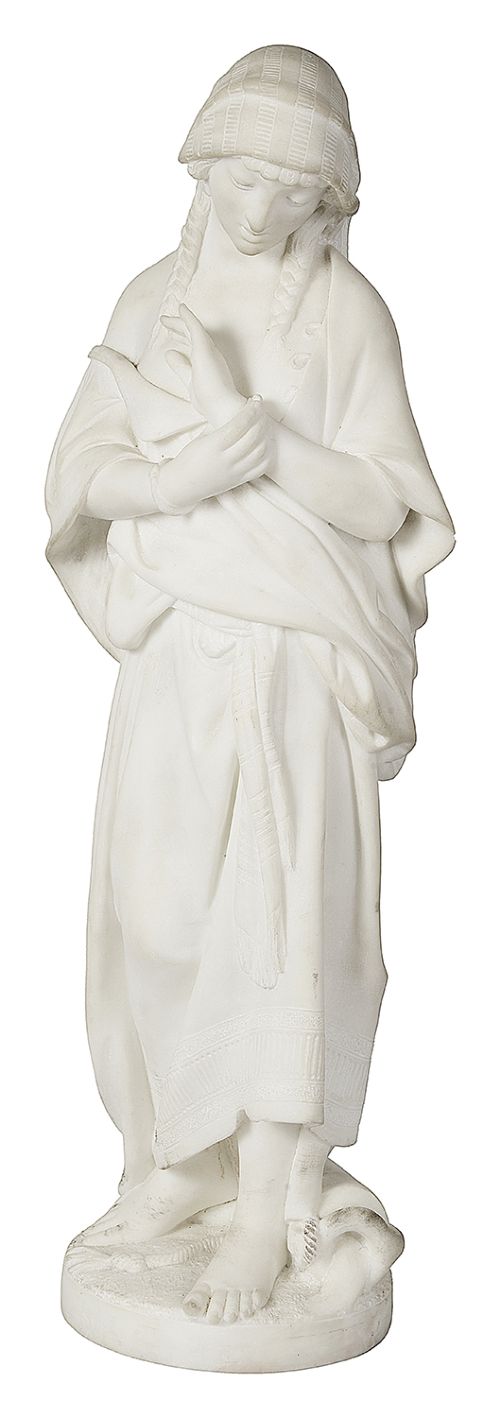
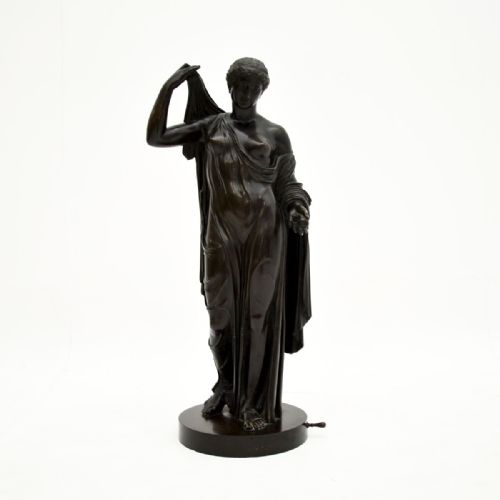
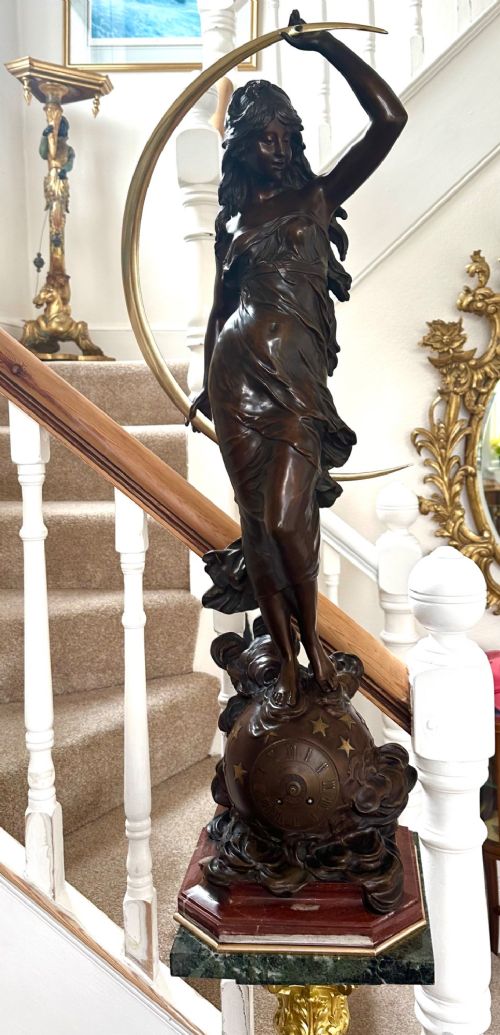
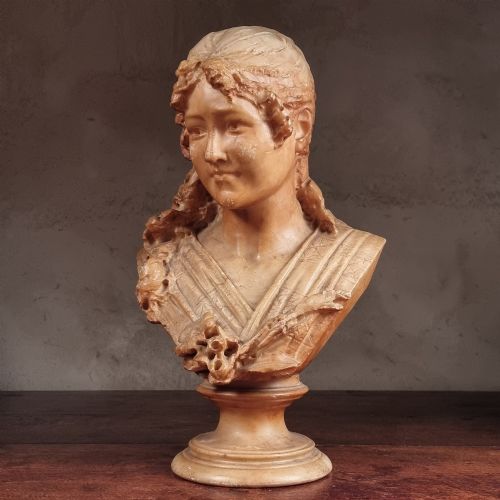
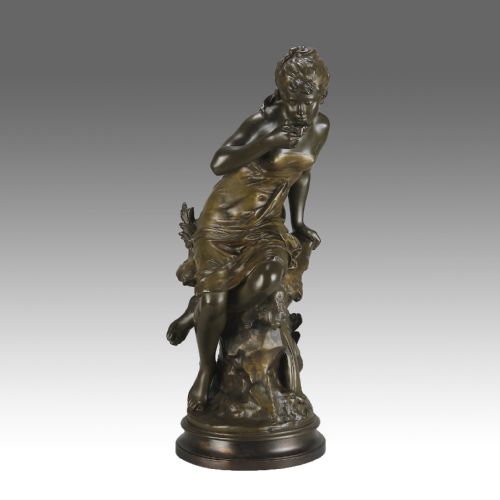
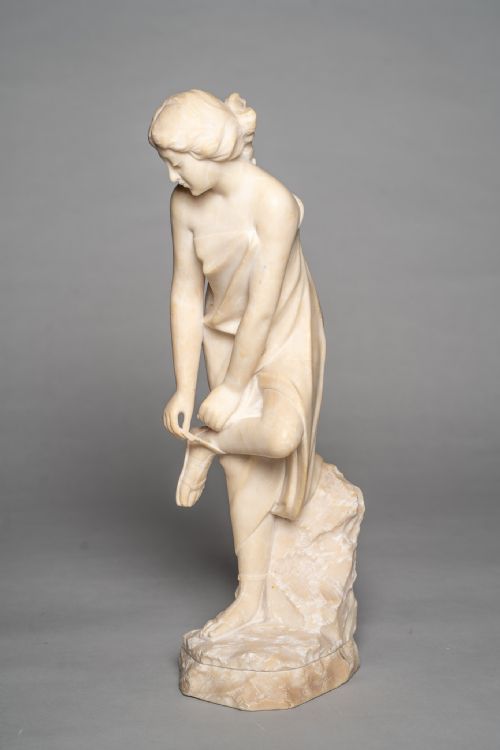
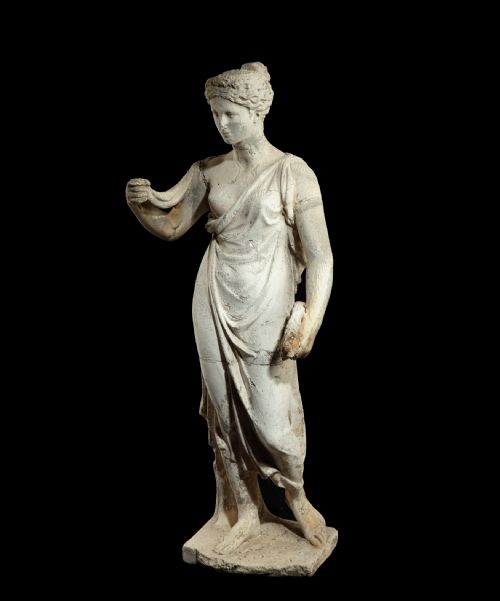
These pieces are classical maiden sculpture works, bringing enduring Neoclassical and Victorian elegance into modern rooms.
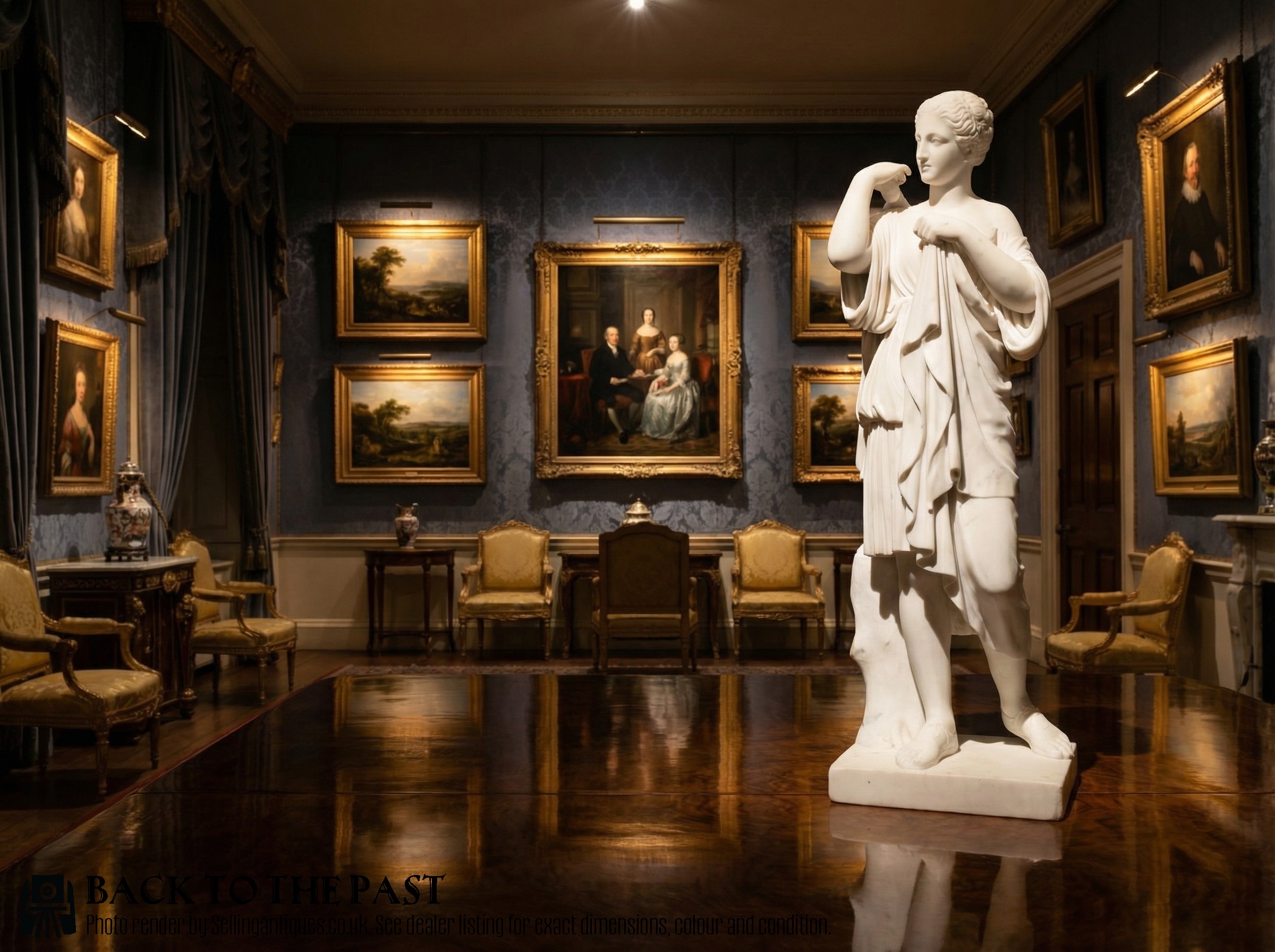
Classical Maiden Sculpture
A classical maiden sculpture represents female figures drawn from antiquity, mythology, and allegorical themes, appearing frequently across the nineteenth and early twentieth centuries. When searching for a classical maiden sculpture, collectors encounter a diverse array of interpretations ranging from grand bronze statues to delicate ceramic figurines.
The objects on this page span tabletop busts, monumental garden figures, and expressive mantel sculptures created in various European workshops. French and Italian foundries dominate the offerings, alongside notable British porcelain manufacturers producing sculptural figures.
Most examples date from the Victorian era up through the Art Nouveau and Art Deco periods, showing stylistic shifts from strict Neoclassicism to flowing organic lines. Buyers will find these works rendered in materials that suit both intimate interior displays and larger architectural spaces.
Materials and Techniques
Foundries utilised the lost-wax casting method for bronze pieces, allowing intricate details in drapery, hair, and facial expressions to emerge sharply from the metal. Gilt finishes and patination were applied by hand to enhance the depth of the bronze surfaces.
Carvers shaped white marble, alabaster, and Carrara marble directly from quarried blocks, employing chisels and rasps to achieve smooth flesh tones juxtaposed with textured garments. Stone and terracotta examples were often cast in moulds or modelled by hand before firing or curing.
Ceramic figures relied on specialised porcelain and parian ware pastes poured into complex multi-part moulds, then fired at high temperatures. Parian porcelain was prized for its unglazed finish that closely mimicked carved marble.
Classical Maiden Sculpture Retail Price Guide 2026
Typical asking prices for classical maiden sculpture among the pieces listed under this phrase on Sellingantiques today, from the lower quarter to the upper quarter. They describe what is for sale here now, not the wider market.
The listings on this site span materials from cold-cast terracotta to carved Carrara marble, originating primarily from French and Italian workshops.
Markers of Quality
The choice of medium significantly influences the character of the piece, with dense Italian marble and heavy cast bronze representing the upper tiers of sculptural ambition. Secondary materials like plaster or painted terracotta depend entirely on the precision of the initial mould and the subtlety of the subsequent hand-finishing.
Signatures from recognised sculptors or established foundries elevate a piece, though unsigned works of strong anatomical proportion and expressive grace frequently match them in visual impact. The integrity of the material, whether free from heavy structural repairs in marble or retaining an original rich patination on bronze, dictates the enduring standing of the object.
Etienne-Henri Dumaige·Barranti Florence·Moreau Family·August Moreau·Mathurin Moreau·A.Gamay·C J R Colinet·Hopper·S. Kinsburger·Hans Müller·Clodion·Maurice Bouval·Eduardo Giolli·H. Moreau·Cherc
The Classical Maiden Sculpture Glossary
- Parian porcelain
- A fine-grained, unglazed biscuit porcelain developed in the nineteenth century to imitate white marble. It captures delicate facial details and complex drapery folds with remarkable precision.
- Lost-wax casting
- A metalworking process where a molten metal is poured into a mould that has been created by means of a wax model. This technique permits intricate undercut details essential for realistic hair and flowing robes.
- Grand Tour
- The nineteenth-century practice where affluent travellers acquired smaller bronzes, marbles, and busts in Italy as souvenirs of their classical education. These reductions capture famous antiquities for domestic display.
- Patina
- The surface coloration and sheen acquired by bronze and other metals through age, chemical treatment, or handling. A rich patina adds visual depth and protects the underlying metal.
- Neoclassical
- An artistic movement drawing inspiration from the art and culture of classical antiquity. It emphasises restrained grandeur, anatomical accuracy, and classical drapery.
Classical Maiden Sculpture: Frequently Asked Questions
What materials were used for these sculptures?
These works utilise a wide variety of mediums depending on the period and intended setting. Bronze, marble, alabaster, and terracotta appear frequently alongside specialised ceramics like parian porcelain.
Heavier metals and stones were generally favoured for indoor display pieces and busts, while terracotta and durable stone suited larger garden statues.
How do I care for a marble bust?
Marble surfaces require gentle dusting with a soft, dry cloth to prevent airborne dirt from settling into the porous stone. Avoid harsh chemical cleaners, oils, and excessive water which can stain or degrade the material.
Alabaster requires particular caution because it is softer than marble and dissolves easily in moisture, meaning it should be kept strictly dry.
How can I tell the difference between bronze and bronzed terracotta?
Bronze is a heavy metal alloy that feels cool to the touch and rings slightly when tapped, whereas bronzed terracotta is a fired clay given a metallic surface coating. Terracotta is lighter in weight and will feel distinctly ceramic if any part of the base or interior remains unglazed.
A close inspection with a loupe near a base edge will usually reveal the underlying clay body if the metallic paint has worn.
Where were these classical maiden figures displayed?
Nineteenth-century interiors often featured smaller bronzes and marble busts on mantelpieces, desks, or specialised pedestals within libraries and drawing rooms. Larger marble statues and garden figures served as focal points in conservatories, halls, and formal gardens.
Their classical subject matter reflected the owner's appreciation for ancient history and refined artistic taste.