




Grand Tour Marble Sculpture
Grand tour marble sculpture brings classical antiquity into private interiors through finely carved souvenir reductions.
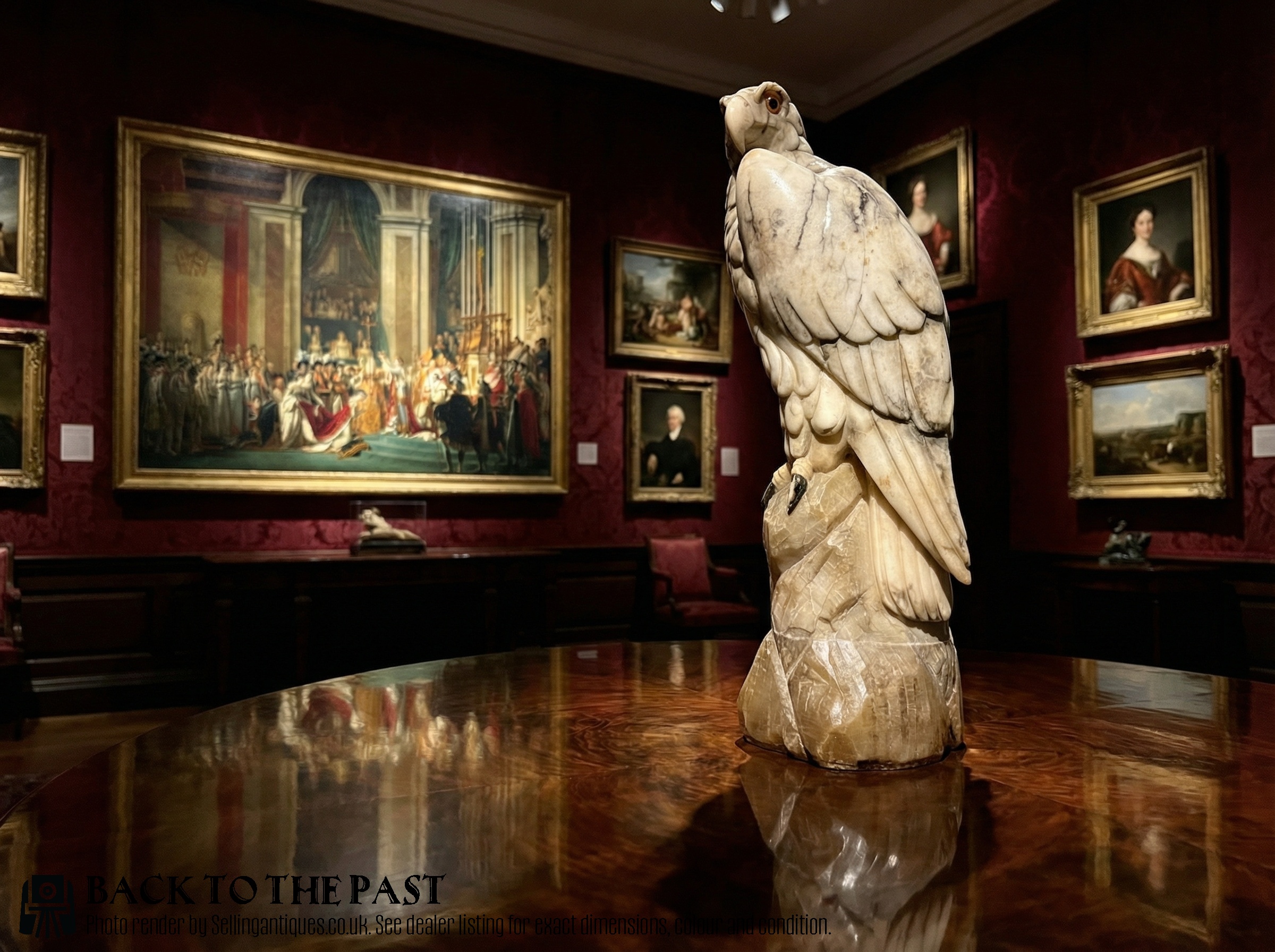
What grand tour marble sculpture pieces are
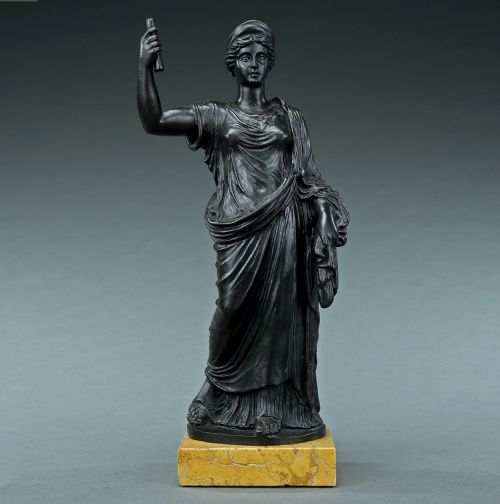
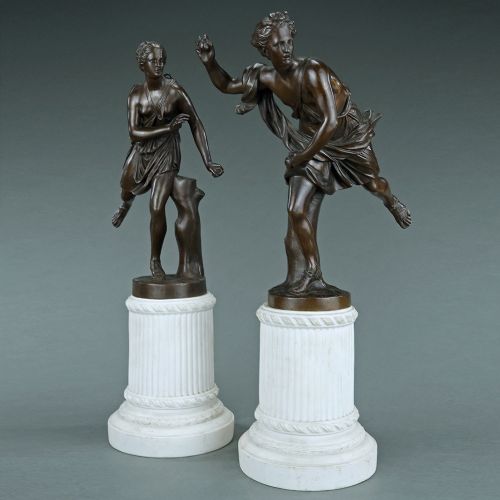
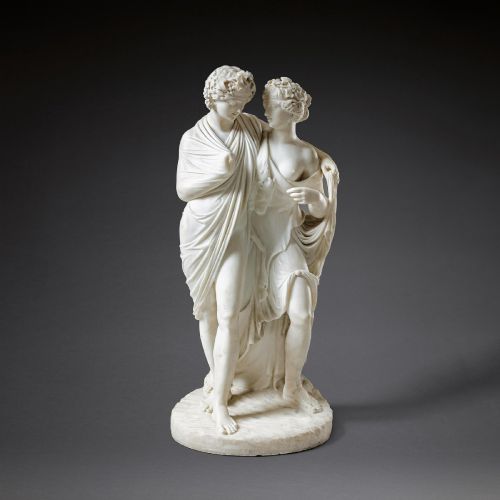
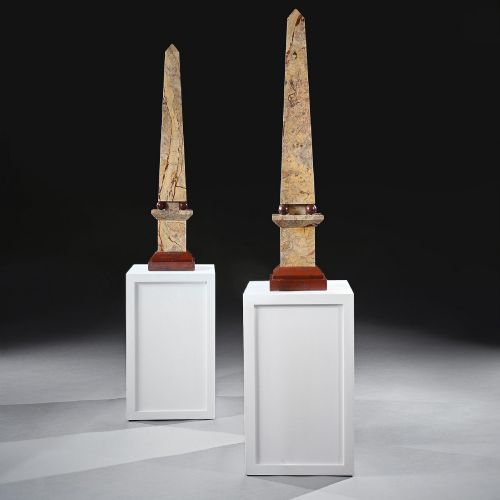
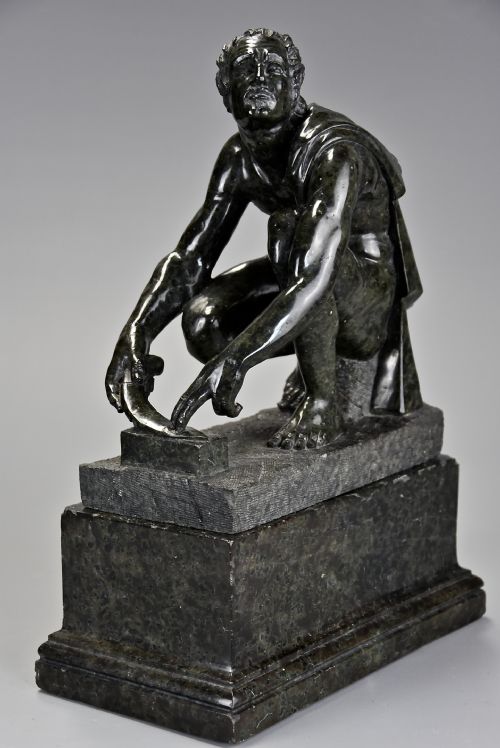
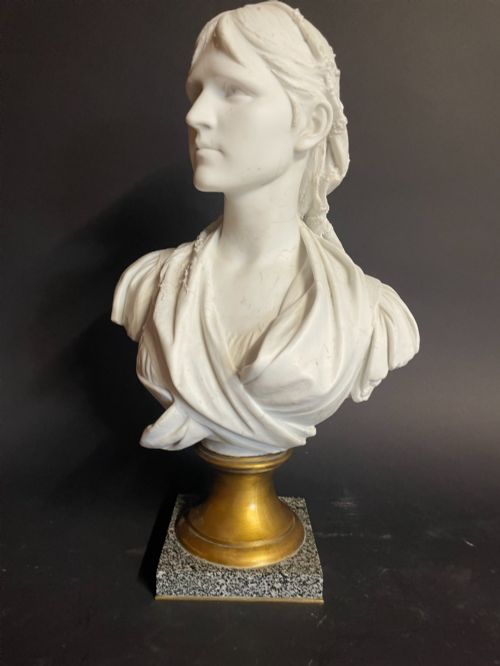
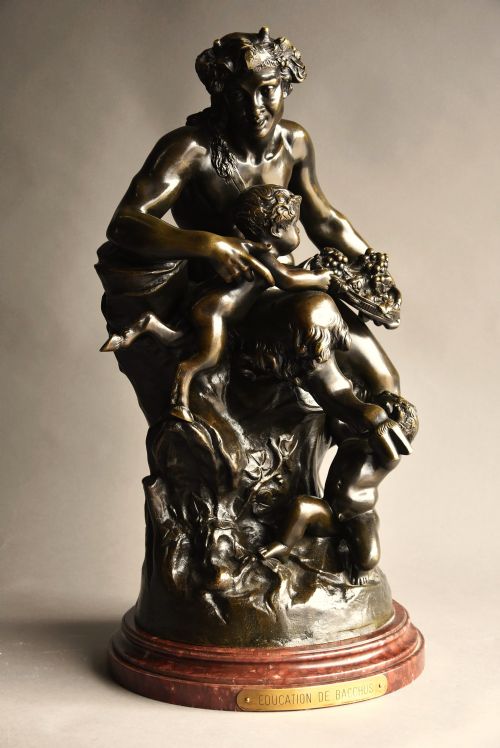
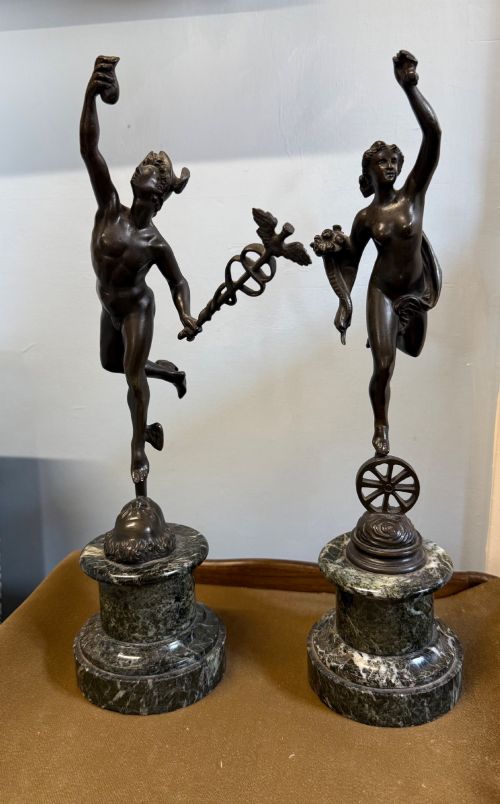
These items comprise grand tour marble sculpture works, which are primarily nineteenth-century Italian carved reductions and copies after ancient classical models. Buyers encounter subjects ranging from mythological figures and animals to architectural fragments and literary heroes.
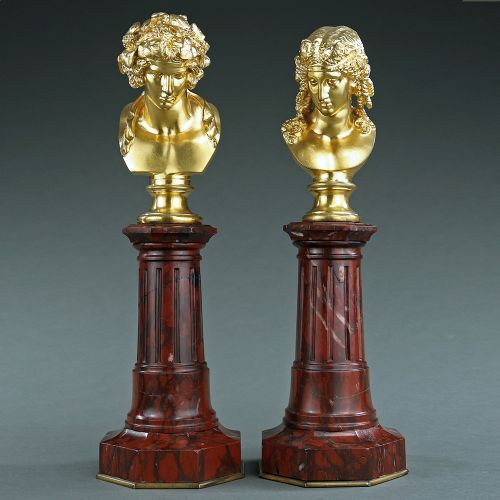
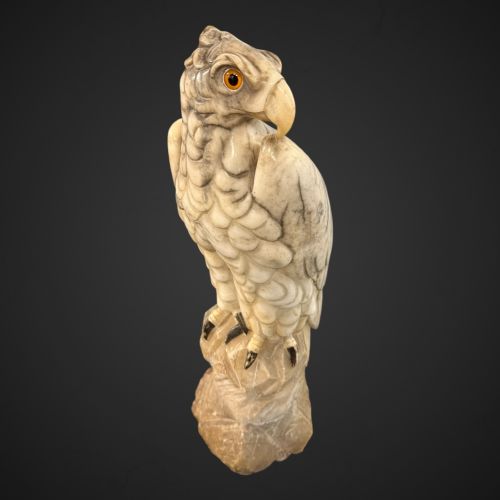
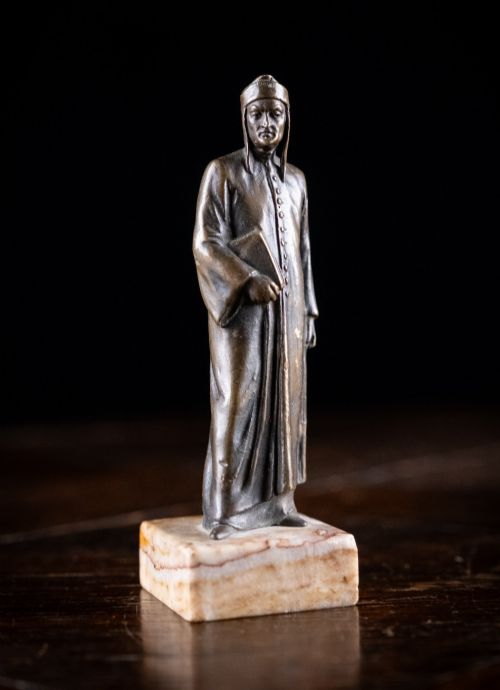
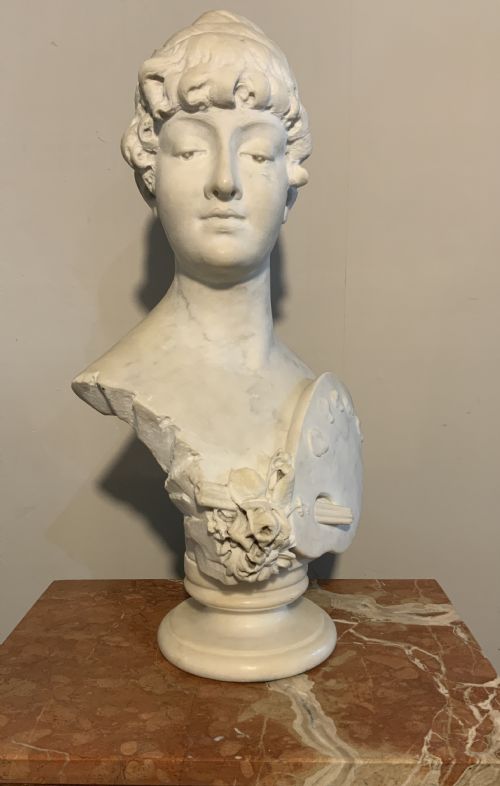
The selection on this page centres heavily on nineteenth-century pieces alongside occasional seventeenth-century examples. Common forms include busts, lions' paws, eagles, classical maidens, and figures such as Crouching Venus, Moses, and the Dying Gaul.
Materials and construction
Carvers shaped these objects from various stones including Carrara marble, white marble, variegated marble, alabaster, and prato verde serpentine marble. Some works incorporate complementary materials like glass, giltwood, and painted wood.
Artisans employed manual reduction techniques to scale down monumental classical antiquities into portable souvenir sculptures. The stone surfaces received detailed hand-chiselling and polishing to emulate excavated archaeological finds.
Retail Price Guide 2026
Typical UK retail prices for grand tour marble sculpture, calculated from the Sellingantiques database of over a million retail prices indexed since 2003. This retail price guide relies exclusively on Sellingantiques data; no external sources or auction records are used, so the figures do not describe the wider market.
Variations in quality
The distinction between ordinary and superior pieces rests on the precision of the carving and the fidelity to the ancient prototype. Finer reductions capture the muscular tension and facial expression of the original sculpture with greater anatomical nuance.
Choice of material also separates the tiers of production, with select pieces utilising high-grade statuary marble or richly veined serpentine. The depth of historical reference and the subtlety of the surface finish dictate the standing of each piece.
Michelangelo Buonarroti Simoni
The Grand Tour Marble Sculpture Glossary
- Grand Tour
- A traditional journey through Europe undertaken by upper-class young men to study classical art and culture. This travel culture generated a demand for miniature souvenir sculptures.
- Carrara Marble
- A type of white or blue-grey marble quarried in the city of Carrara in Tuscany. It is widely prized for its fine grain and suitability for detailed sculptural work.
- Reduction
- A smaller scale copy of a larger or monumental sculpture. These were produced so travellers could easily transport classical works home.
- Serpentine
- A group of green silicate minerals often used as a marble substitute in decorative carving. It frequently appears in Italian souvenir sculptures with distinct mottled green colouration.
- Neoclassical
- A Western cultural movement drawing inspiration from the art and culture of classical antiquity. This aesthetic heavily influences the subject matter and form of these sculptures.
Frequently Asked Questions
What is a grand tour sculpture?
These works are nineteenth-century carved stone reductions created in Italy as souvenirs for travellers visiting classical antiquities. They served to bring the aesthetic of ancient Rome and Greece into European homes.
Craftsmen modelled these pieces after famous statues found in museums and archaeological sites abroad. They remain tangible links to the history of elite travel and collecting.
How were these sculptures displayed?
Owners typically placed these marble and serpentine figures on library tables, mantelpieces, or dedicated pedestals within domestic interiors. Their scale made them suitable for study and close appreciation in private rooms.
By positioning them among books and other antiquities, collectors signalled their classical education and refined taste. They functioned as both decorative objects and scholarly conversation pieces.
Which materials are most common?
White statuary marble and variegated varieties dominate the production of these items alongside green serpentine stone. Alabaster also appears occasionally in specific sculptural reductions and decorative objects.
Some compositions incorporate secondary elements like giltwood bases or painted wooden supports to frame the stone carving. The natural grain and veining of the stone often dictate the visual character of each individual piece.
How do I distinguish periods?
Distinguishing the age of these items involves examining the tool marks, the weathering of the stone, and the specific style of the carving. Nineteenth-century interpretations often reflect Victorian tastes in their surface finish and mounting.
Earlier examples from the seventeenth century display different handling of the marble and distinct tool techniques. Comparing the subject matter to known classical prototypes helps clarify the historical context of the object.