

Carved Stone Figure
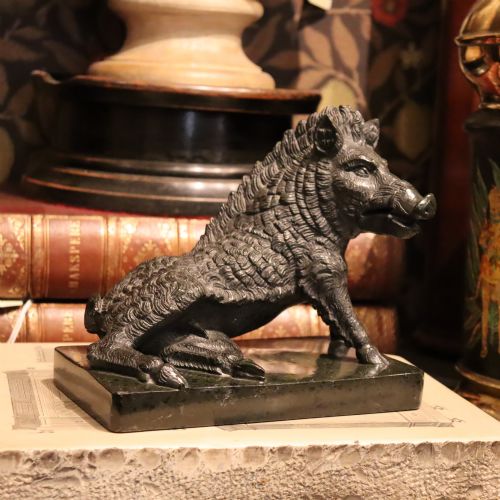
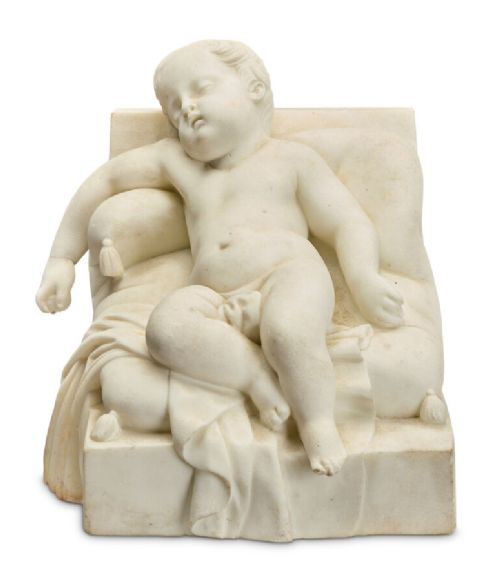
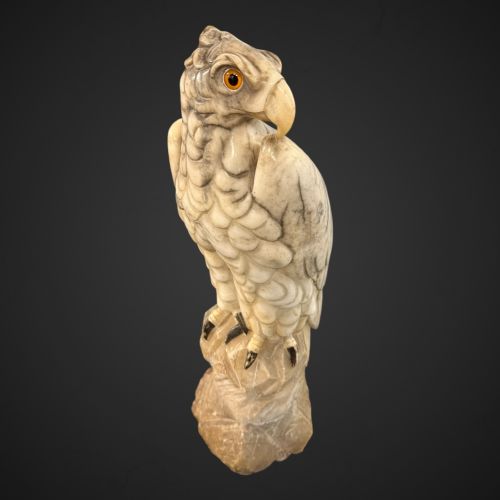
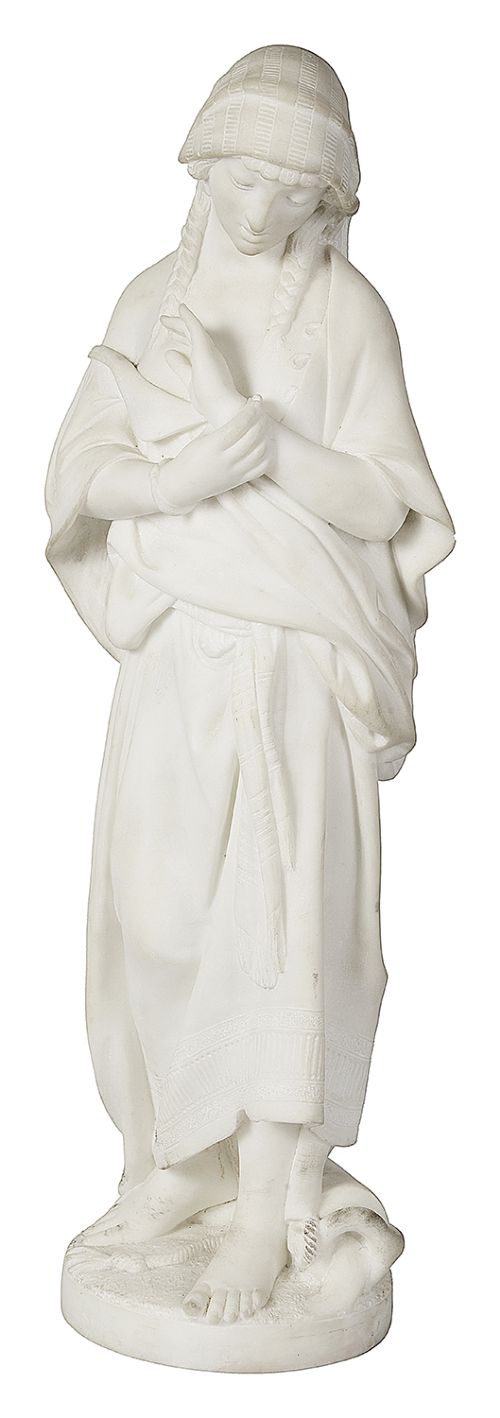
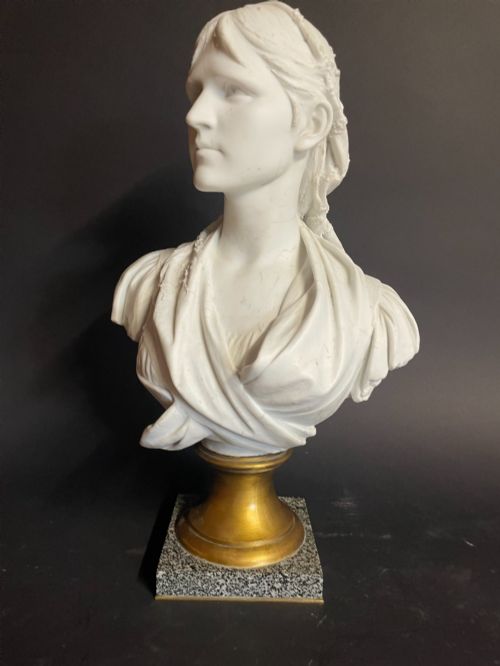
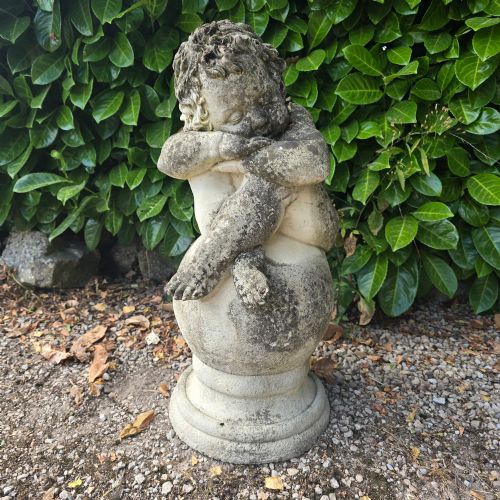
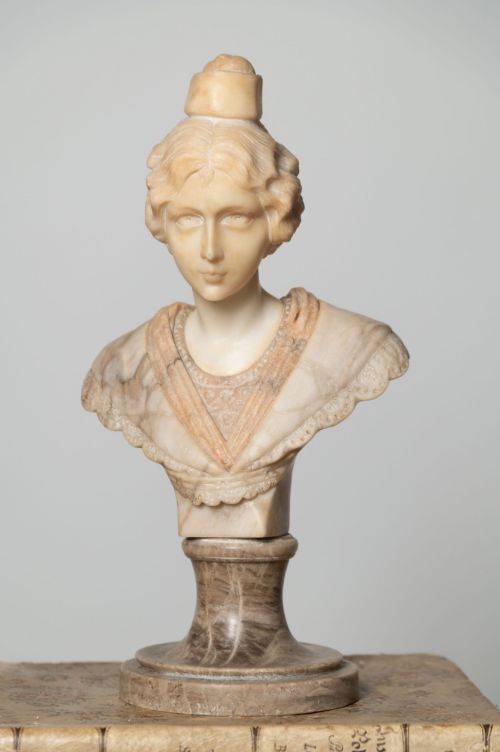
A carved stone figure brings classical myth, historic portraiture and animal studies into a room through the enduring weight of marble, alabaster and soapstone.
Carved Stone Figure
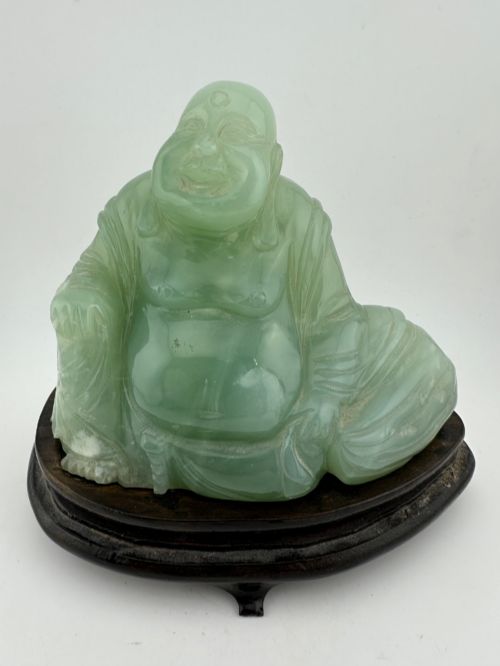
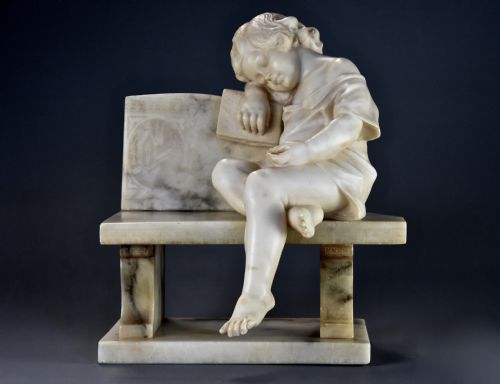
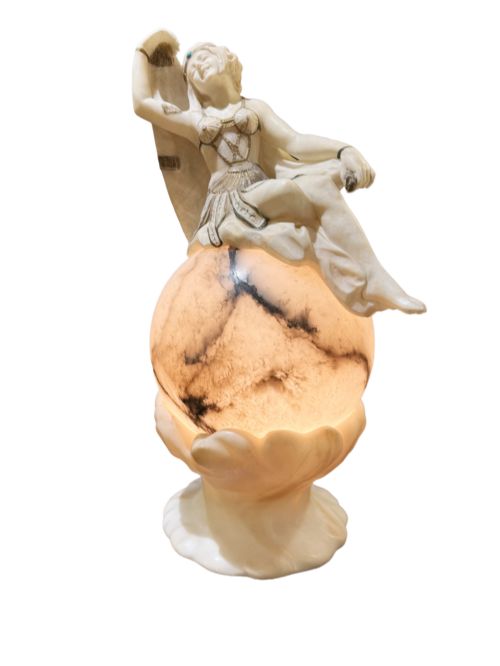
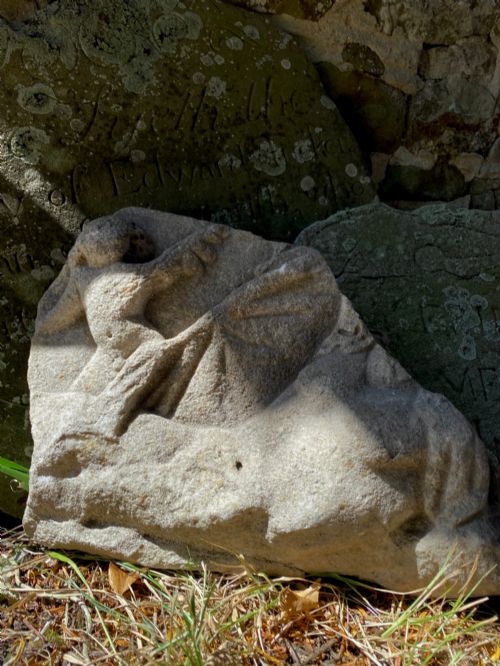
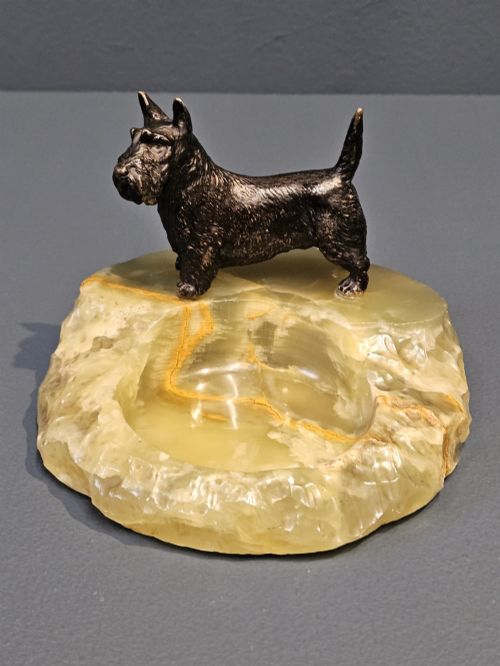
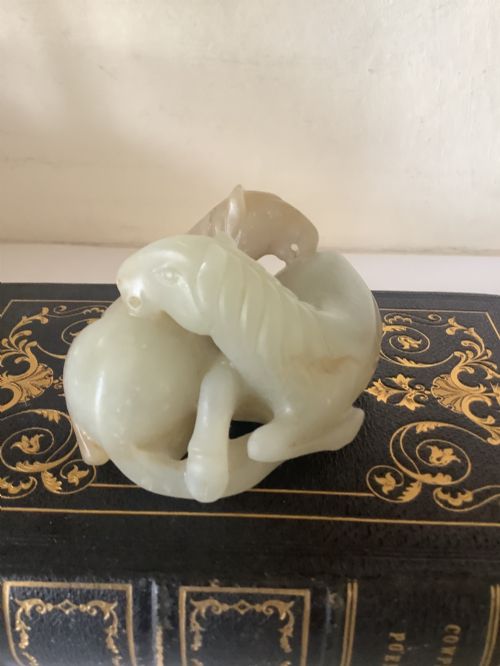
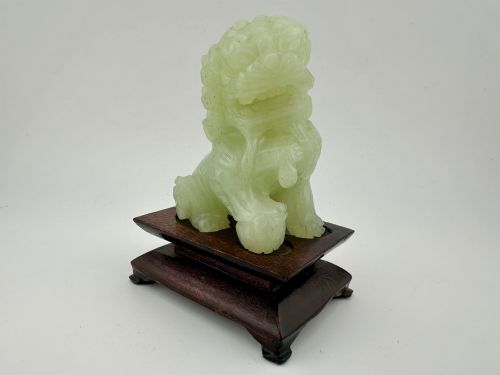
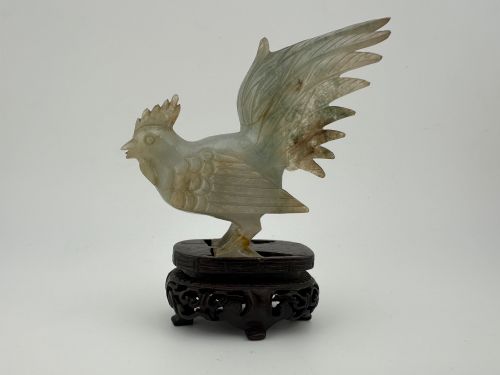
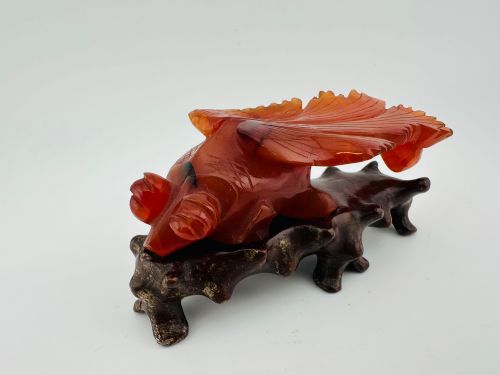
A carved stone figure encompasses classical Italian Grand Tour souvenirs, portrait busts of literary figures and deities, and traditional East Asian animal and deity carvings. The selection spans medieval limestone fragments, ornate nineteenth-century alabaster studies of women, and twentieth-century hardstone ornaments.
Buyers will most frequently encounter nineteenth-century European works, particularly Italian alabaster and Carrara marble sculptures after antique models, alongside Chinese soapstone and serpentine animal groups.
Materials and methods
Many European pieces originated as workshop reductions of classical statues for the Grand Tour market, while others emerged from specialised Chinese carving traditions utilising Bowenite, jadeite and Shoushan stone.
Carved Stone Figure Retail Price Guide 2026
Typical asking prices for carved stone figure among the pieces listed under this phrase on Sellingantiques today, from the lower quarter to the upper quarter. They describe what is for sale here now, not the wider market.
Listings feature works spanning from pre-sixteenth century medieval fragments to early twentieth-century library busts in marble, alabaster and hardstone.
Assessing quality
Quality rests in the sensitivity of the hand carving, where subtle transitions in musculature, facial expression and drapery separate masterworks from commercial souvenirs. The natural figure and coloration of the stone also dictate distinction, particularly in veined marbles and translucent alabasters where mineral inclusions enhance the sculptural form.
The precision of the finishing work, from polished surfaces to crisp undercut details, defines the level of craftsmanship achieved by the sculptor or regional workshop.
Barranti·Houdon·Eugene Aizelin·A.Gamay·Auguste Henri Carli·Carrier-Belleuse·Bright And Sons
The Carved Stone Figure Glossary
- Grand tour
- A cultural journey undertaken by wealthy young Europeans in the eighteenth and nineteenth centuries, collecting small-scale marble and alabaster copies of classical sculptures as souvenirs.
- Alabaster
- A fine-grained, soft mineral often used for nineteenth-century portrait busts and figures because of its translucency and ease of carving.
- Serpentine
- A group of green silicate minerals often polished to resemble jade, utilised for nineteenth-century animal figures and architectural models.
- Carrara marble
- A type of white or blue-grey marble quarried in the city of Carrara in Tuscany, prized for centuries by European sculptors.
- Shoushan stone
- A Chinese pyrophyllite stone traditionally used for intricate scholar’s carvings, figure groups and seals due to its varied natural colours.
Carved Stone Figure: Frequently Asked Questions
How do I clean a stone bust?
Dust alabaster and marble gently with a soft, dry brush to prevent dirt settling into porous surfaces. Avoid using water or chemical cleaners on softer stones like alabaster, which dissolves easily in moisture.
Heavier marble pieces tolerate a damp cloth followed immediately by a dry buffing, but unsealed porous stones require professional conservation if stained.
What is Grand Tour marble?
Grand Tour sculptures are miniature or reduced-scale copies of famous ancient statues, carved in Italy during the nineteenth century for foreign travellers.
These pieces typically utilise local stones such as serpentine, alabaster or Carrara marble to replicate museum antiquities for private home display.
How can I tell alabaster from marble?
Alabaster feels noticeably softer than marble and can often be scratched with a fingernail or metal edge, whereas marble resists scratching entirely.
Alabaster also possesses a distinct waxy translucency when held near a light source, while marble appears more opaque with crystalline grain structures.
Where should I place a stone figure?
Position heavier marble and stone sculptures on sturdy pedestals, heavy wooden sideboards or library shelves capable of supporting dense materials.
Keep delicate soapstone and alabaster figures away from direct sunlight, high humidity and sudden temperature shifts to prevent surface cracking or fading.