
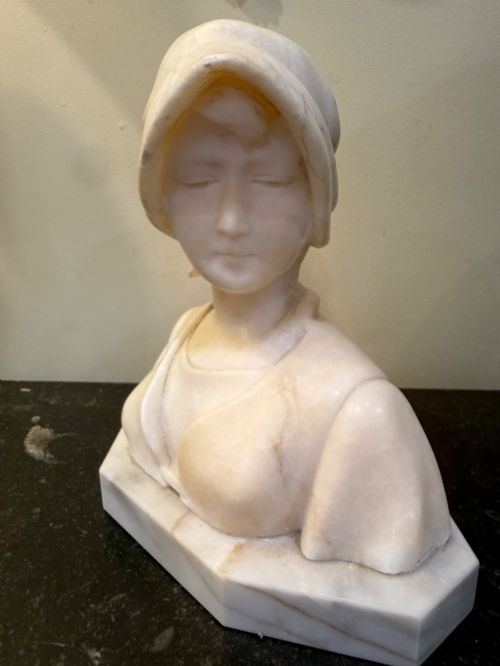

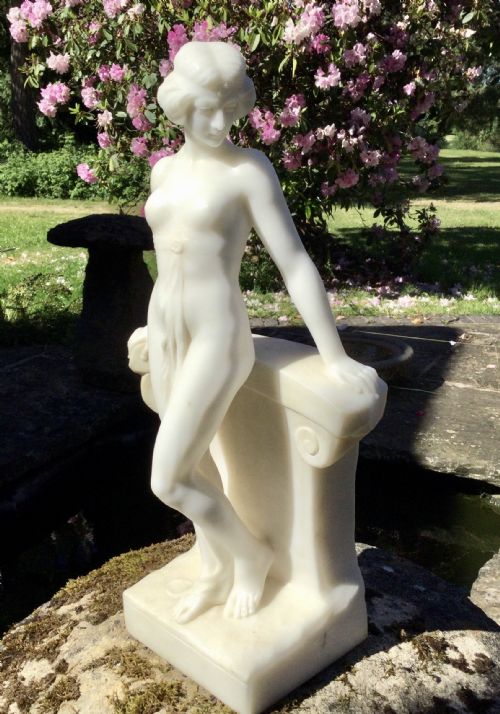
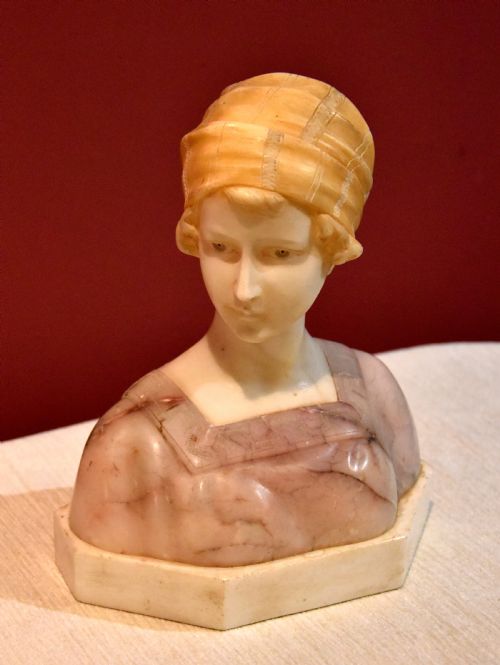
White Marble Figure
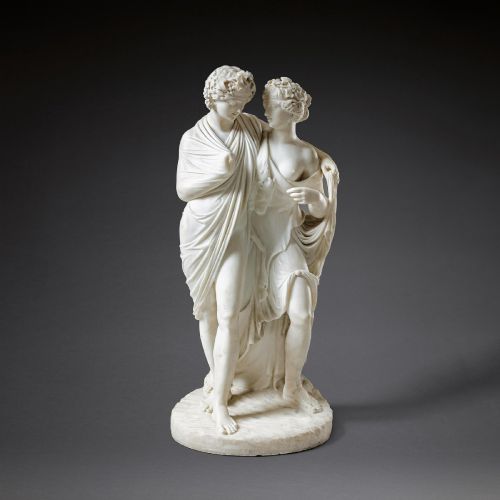
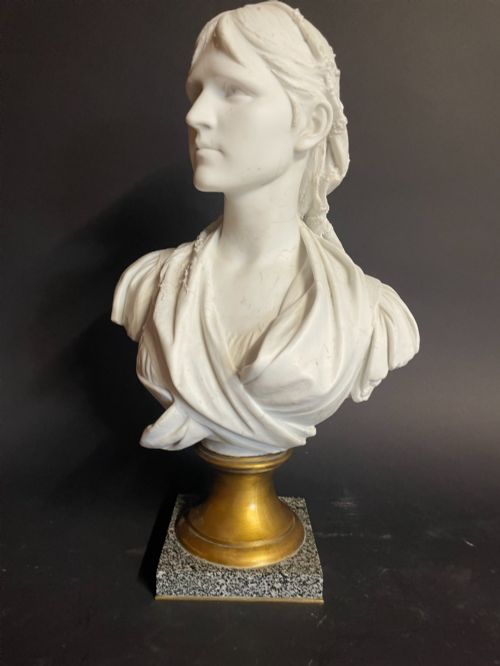
A white marble figure brings classical presence into a room, capturing mythological subjects, portrait busts, and allegorical forms carved with enduring skill.
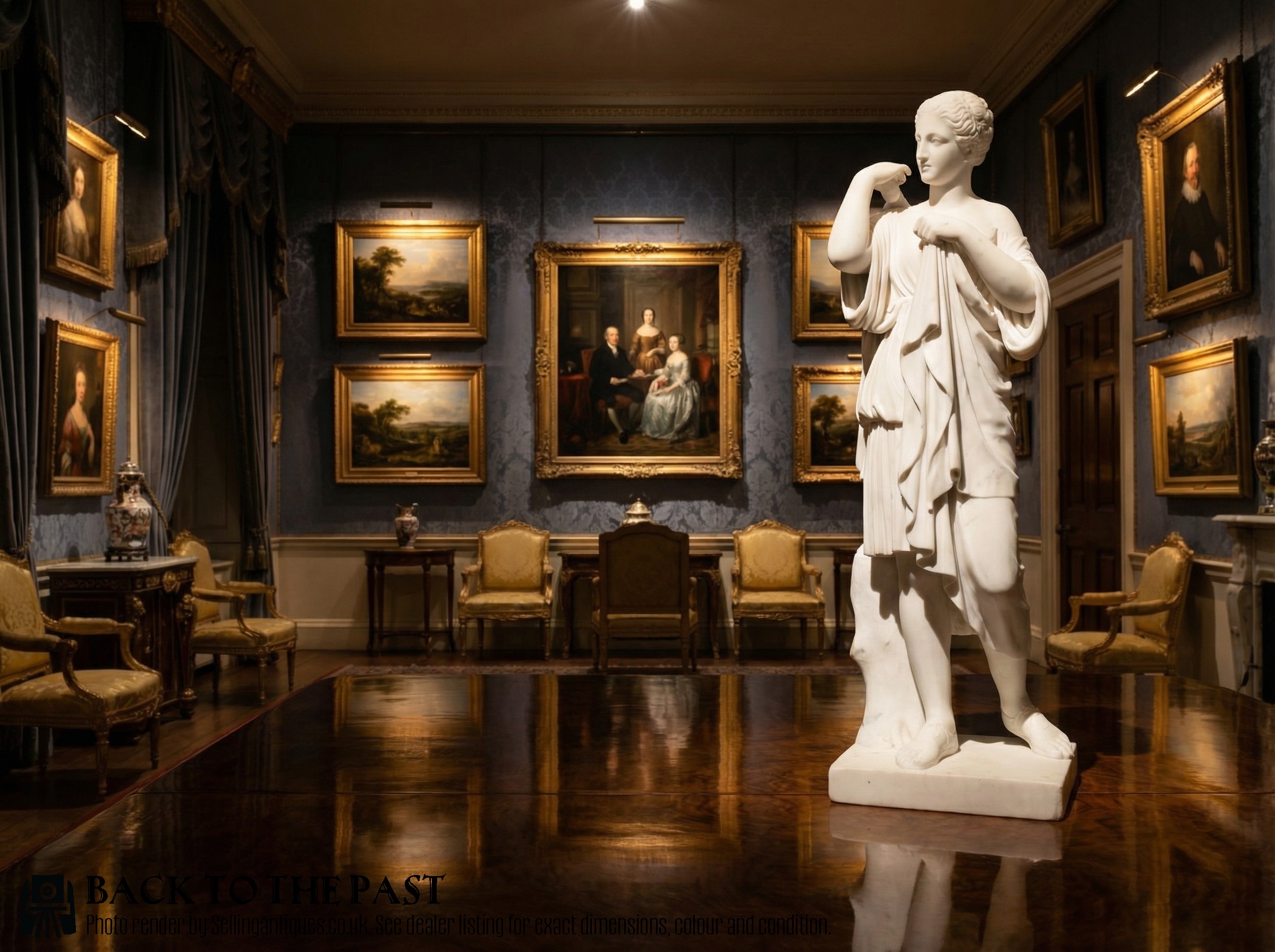
White Marble Figure
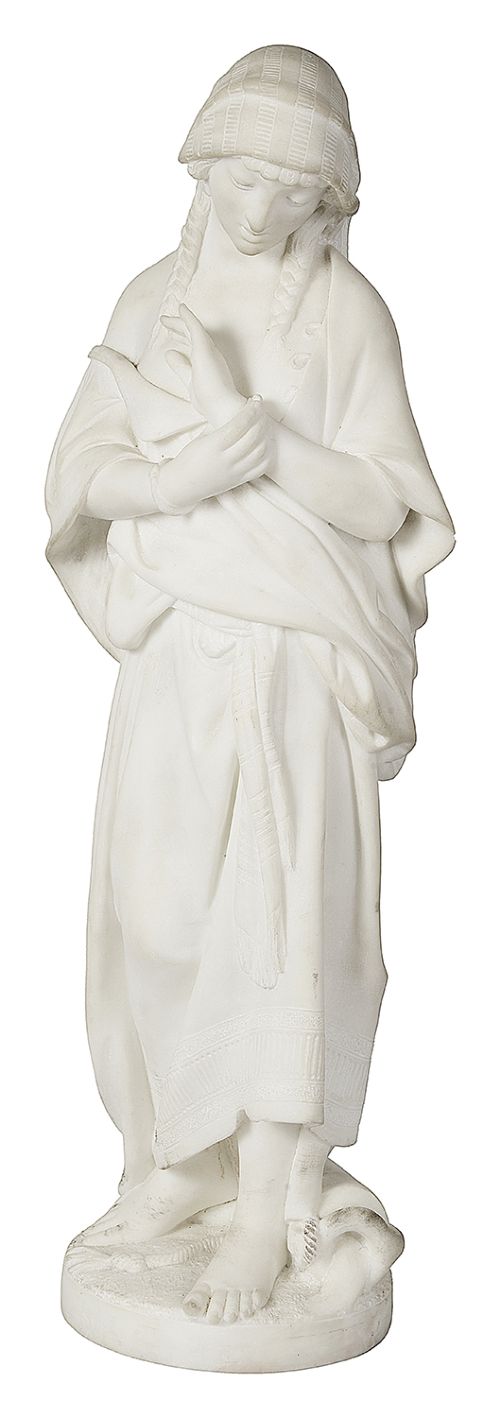
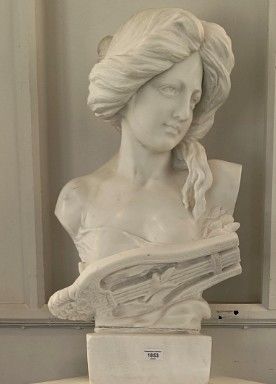
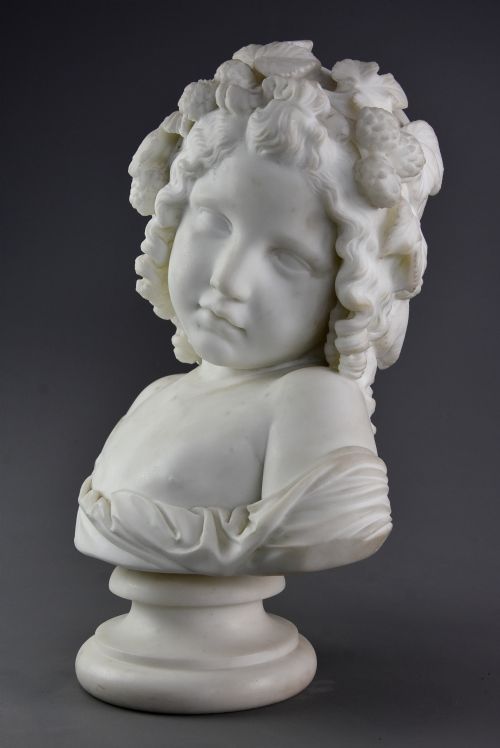
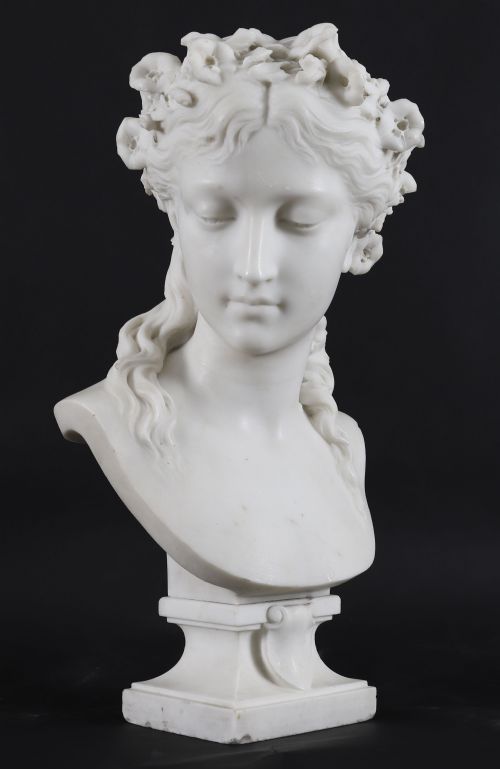
A white marble figure search reveals carved sculptures, library busts, and standing statues rooted in nineteenth-century traditions. These works range from grand Grand Tour souvenirs and Italian school carvings to depictions of mythological figures, literary heroines, and young women.
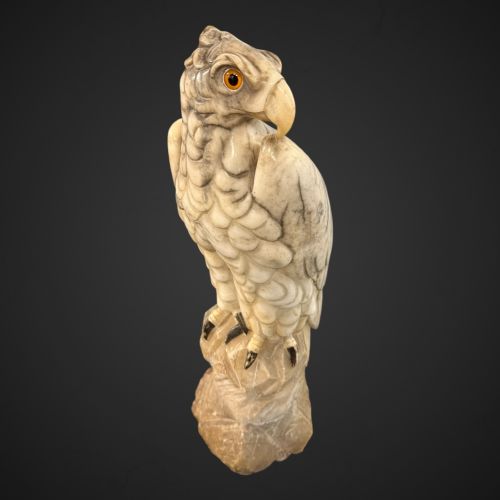
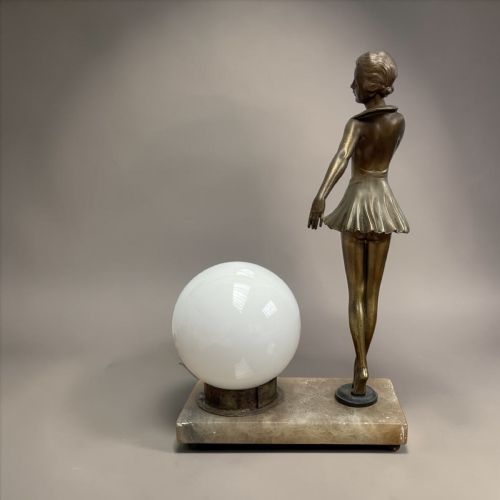
Collectors frequently encounter representations after classical antiquities alongside Victorian neoclassical portraits and later Art Deco interpretations. The materials span Carrara marble, alabaster, and related media like Parian porcelain, often mounted on plinths or integrated into mantel clocks and lamps.
How they were made
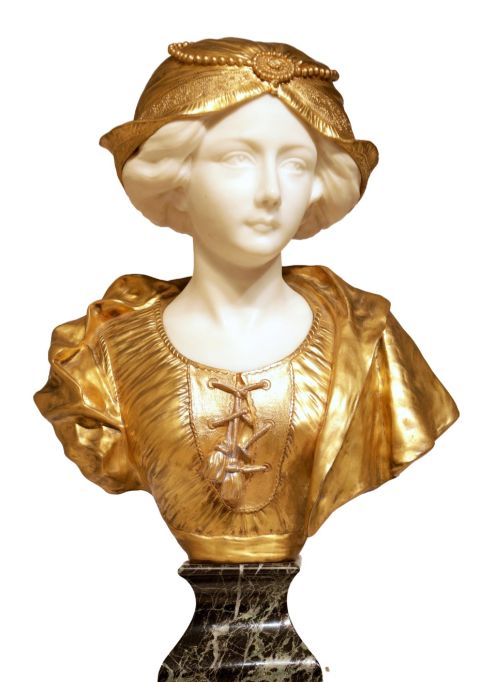
Makers shaped these pieces primarily from solid blocks of marble or alabaster, employing hand-chiselled detailing and polishing to achieve smooth drapery and lifelike skin textures. Selected works combine white marble with contrasting elements in gilt bronze, bronze, or glass.
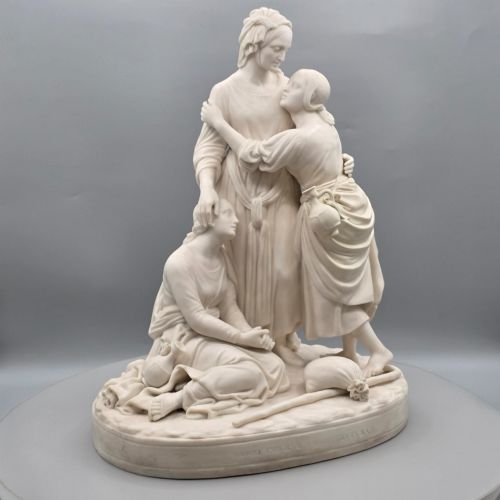
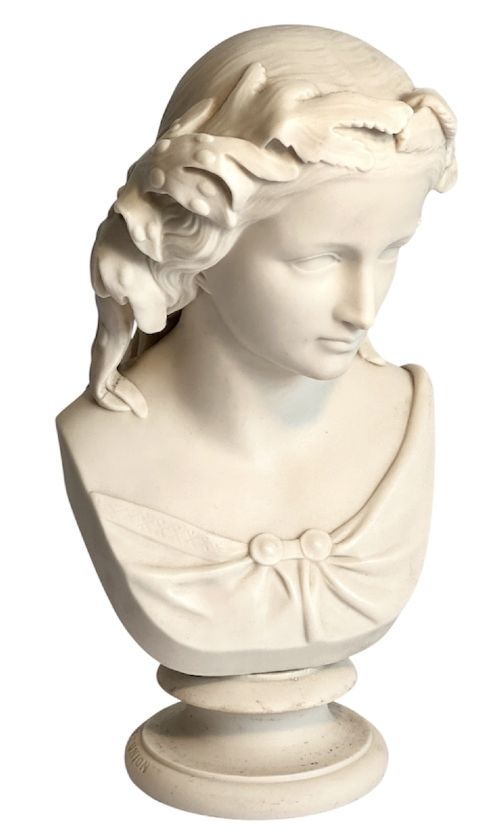
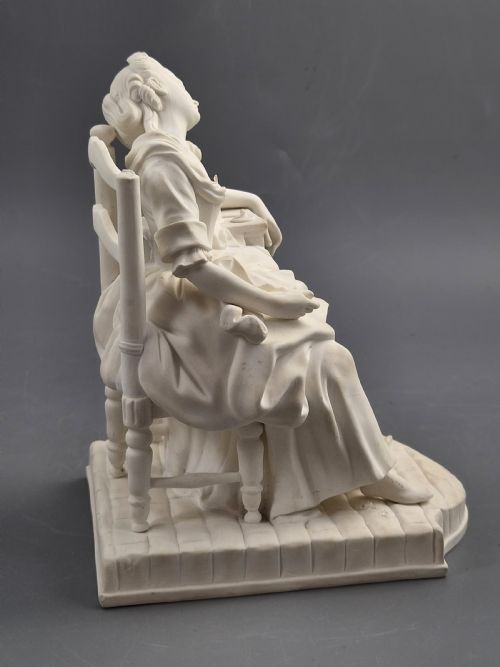
Certain smaller figures utilise Parian porcelain to emulate the matte appearance of carved marble through industrial ceramic moulding and firing processes.
White Marble Figure Retail Price Guide 2026
Typical asking prices for white marble figure among the pieces listed under this phrase on Sellingantiques today, from the lower quarter to the upper quarter. They describe what is for sale here now, not the wider market.
Listings demonstrate a strong presence of nineteenth-century Italian and French sculpture, featuring Carrara marble and alabaster alongside mixed media bronzes.
What varies in quality
Quality rests in the sensitivity of the carving, visible in the treatment of hair, hands, and facial expressions rather than sheer scale. Sculptures signed by known makers or originating from established Italian and French workshops display superior anatomical precision and cleaner detailing.
The choice of stone also defines the tier, with fine-grained statuary marble and veined Carrara offering greater translucency and depth than standard commercial grades.
Carlo Albacini·Barranti·Minton·Copeland·Michel Victor Acier·Eugene Aizelin·Auguste Henri Carli·Dante Alighieiri·Antonio Canova·Carrier Belleuse·Fritz Kochendorfer·Falconet·Pietro Bazzanti
The White Marble Figure Glossary
- Carrara marble
- A type of white or blue-grey marble quarried in the city of Carrara in Tuscany, widely utilised for classical sculpture.
- Alabaster
- A fine-grained mineral often used as an alternative to marble for nineteenth-century portrait busts and reclining figures.
- Parian porcelain
- A fine biscuit porcelain developed in Britain to imitate carved white marble, frequently cast into Victorian figures and busts.
- Grand Tour
- A cultural journey undertaken by nineteenth-century travellers who acquired small bronze and marble souvenirs in Italy.
- Animalier
- A nineteenth-century artistic style focusing on the realistic depiction of animals, often mounted on marble bases.
White Marble Figure: Frequently Asked Questions
How do I clean a marble sculpture?
Dust the surface regularly with a soft, dry cloth to prevent dirt accumulation in the carved crevices. Avoid using household detergents or water, which can penetrate porous stone and cause staining.
For stubborn marks, consult a professional conservator rather than attempting chemical cleaning at home. Natural oils from human hands can also etch unsealed marble over time.
Were these figures made as copies?
Many nineteenth-century carvers produced reductions or interpretations of famous antique sculptures for European and British collectors. These pieces served as both educational ornaments and decorative artworks for domestic libraries and drawing rooms.
Signatures or attribution marks often indicate the workshop or the specific ancient statue that inspired the composition.
What is the difference between marble and alabaster?
Marble is a metamorphic rock formed from recrystallised carbonate minerals, offering high durability and dense weight. Alabaster is a softer mineral composed of gypsum, which allows for translucent effects but scratches more easily.
Sculptors utilised alabaster frequently for portrait busts and intimate figures during the late nineteenth and early twentieth centuries.
How can I date a marble bust?
Stylistic clues such as hairstyle, clothing details, and the cut of the shoulders help narrow down the period of creation. Neoclassical works from the mid-nineteenth century often display rigorous adherence to Greek and Roman proportions.
Inscribed signatures, foundry stamps, or retailer plaques on the reverse or base provide further chronological markers.