

White Stone Sculpture
White stone sculpture encompasses carved marble figures, alabaster busts and classical plaster statues designed to bring enduring form into a room.
White Stone Sculpture
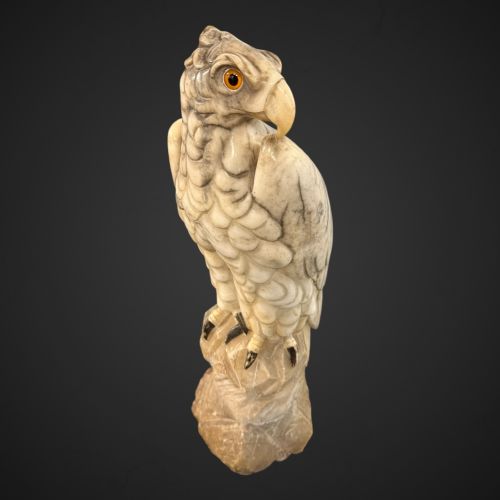
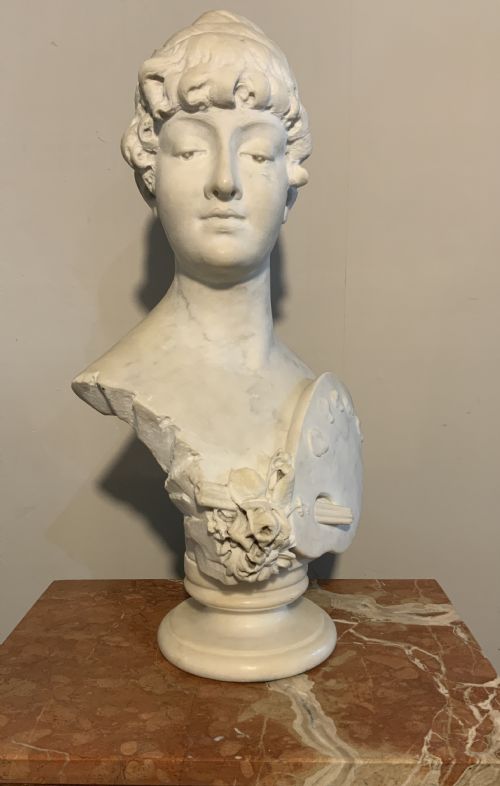
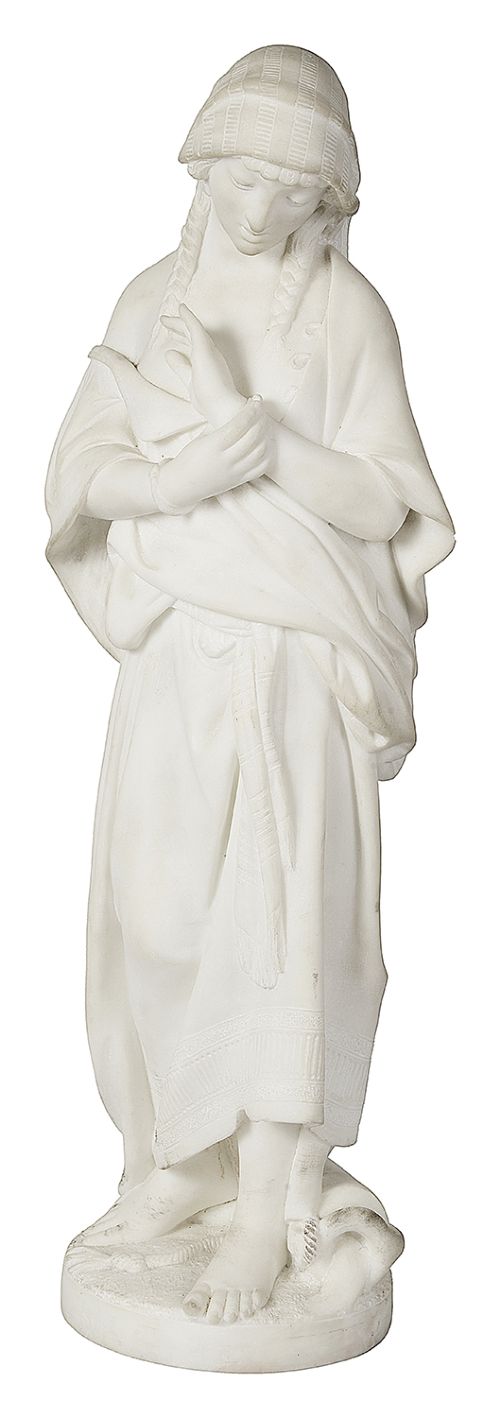
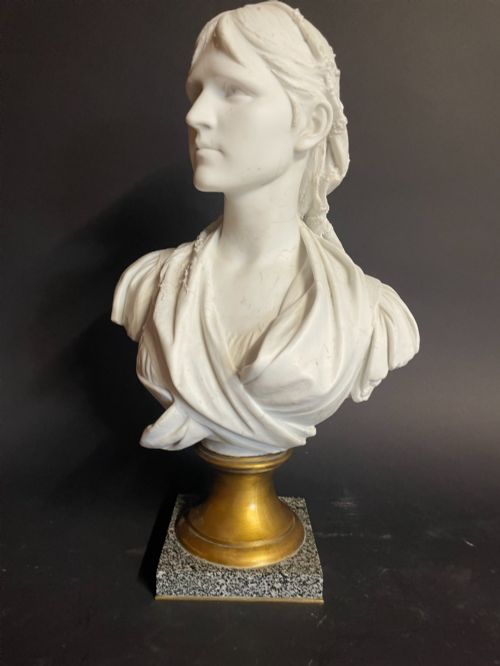
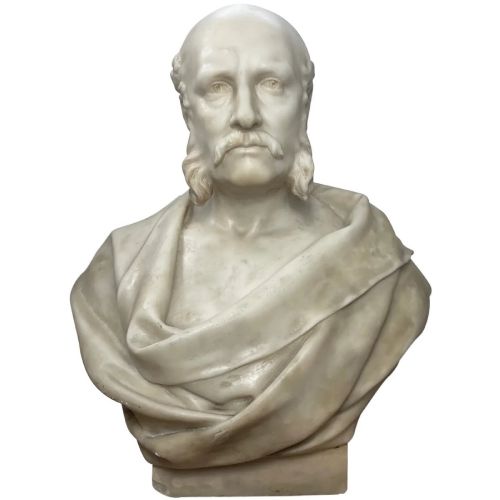
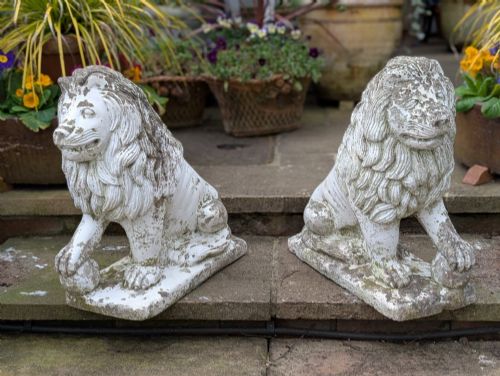
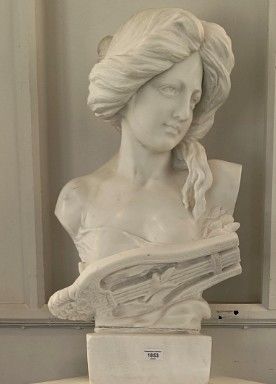
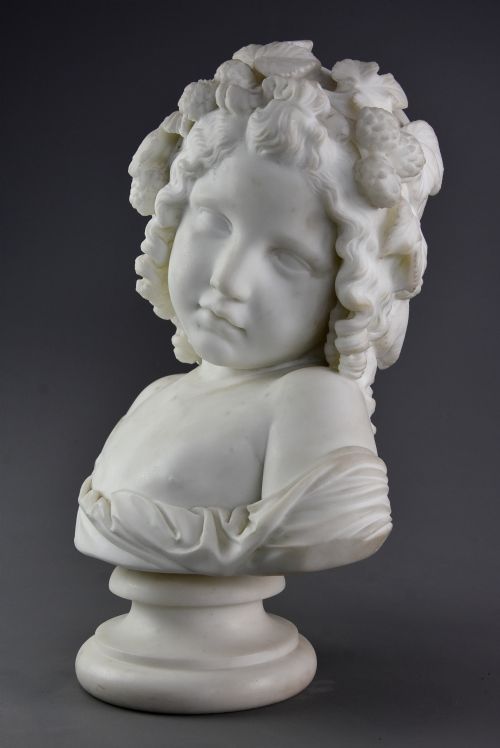
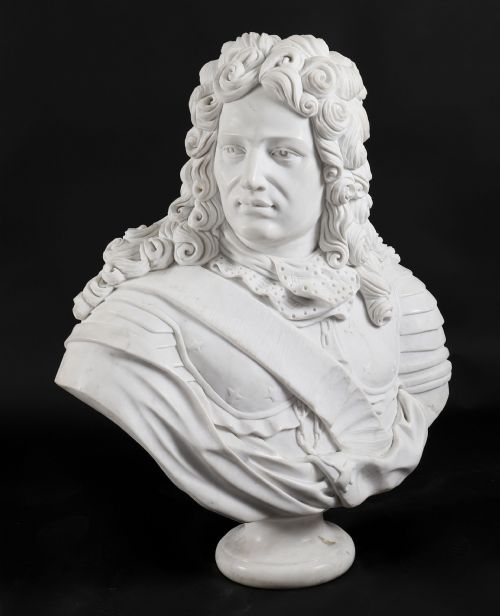
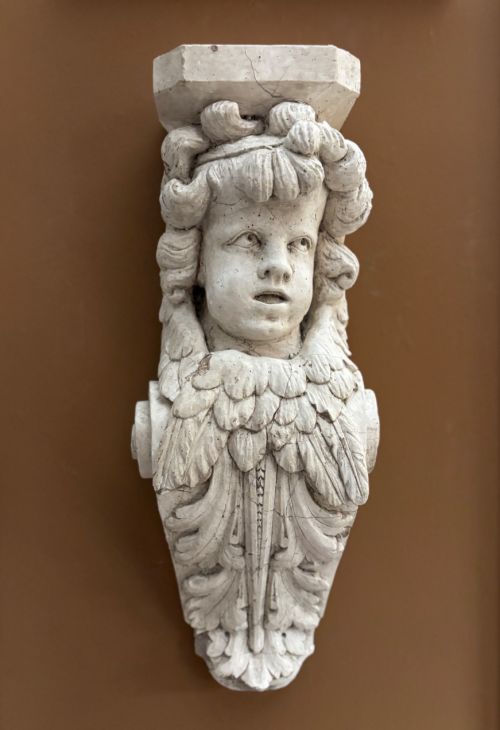
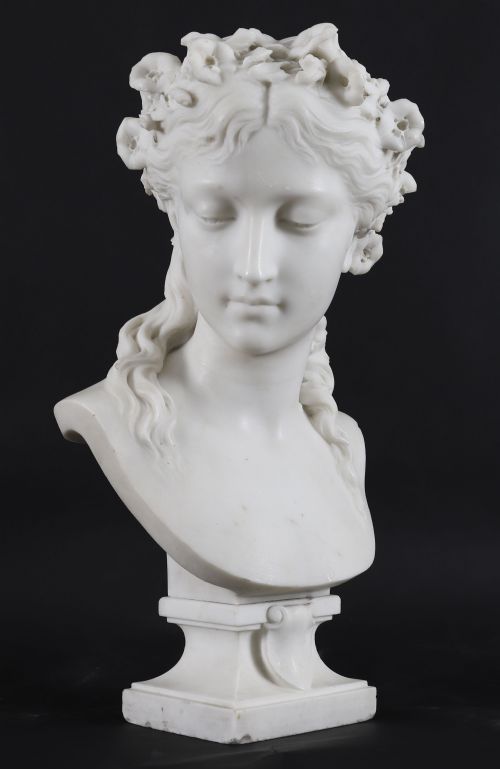
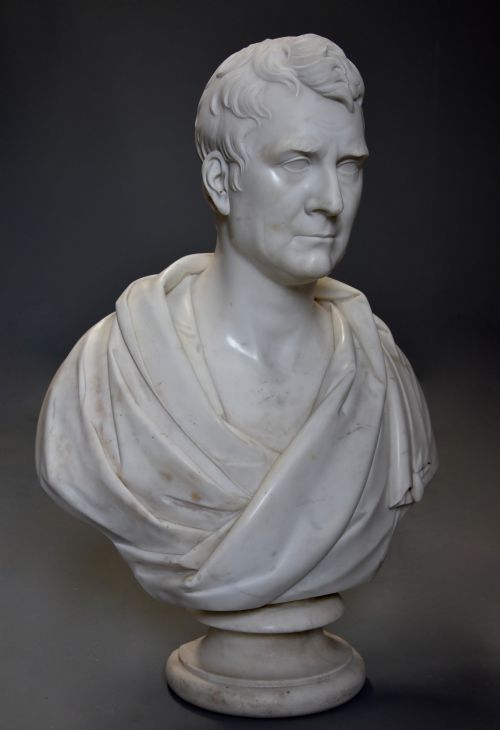
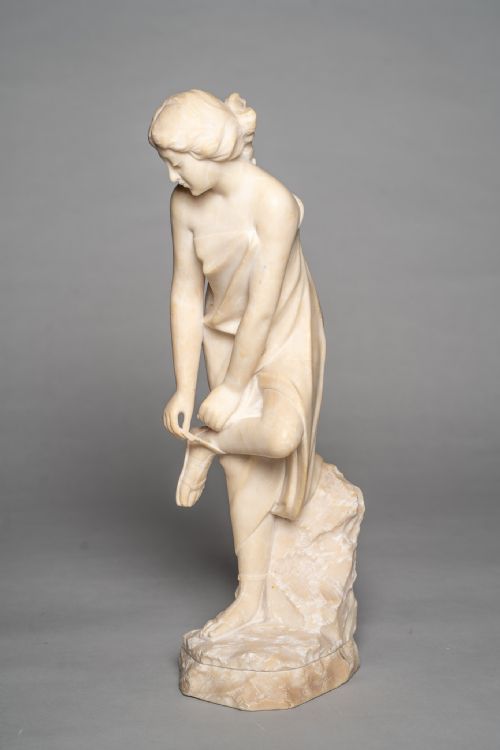
White stone sculpture covers a range of carved and cast works, from 19th-century Italian marble busts to French alabaster figures and plaster classical studies. These pieces take the form of portrait busts, mythological figures, garden statues, and architectural elements such as wall brackets. The selections found here lean heavily towards 19th-century Italian and French craftsmanship, often depicting literary figures, historical personages, and deities.
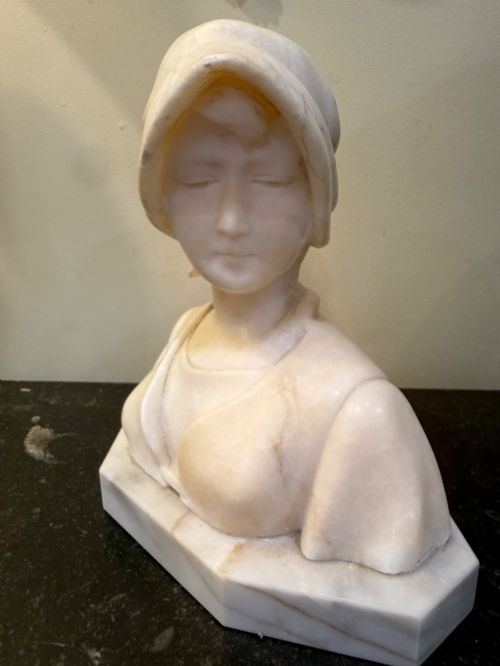
The materials span soft alabaster, dense Carrara marble, plaster, and cast stone, reflecting both studio practice and architectural ornament. Portraiture dominates the available range, alongside animals such as Medici lions and figures drawn from classical antiquity. Buyers encounter works produced in European workshops, carrying the distinct neoclassical and revival aesthetics of the Victorian era.
Materials and carving techniques
Sculptors utilised fine-grained stones like Carrara marble and translucent alabaster, shaping them with chisels, rasps, and drills to achieve lifelike drapery and skin textures. Plaster was also cast for studio models and library busts, capturing intricate detail through moulds taken from original works. These methods required considerable skill to navigate the natural fissures and varying densities of stone without fracturing the final piece.
Makers finished surfaces by polishing or leaving specific areas matte to create contrast between clothing and flesh, a technique visible across many 19th-century portraits. Signed works often display the individual hand of the carver or foundry marks, while architectural elements like corbels show the utilitarian side of stone shaping. The combination of geological choice and manual execution dictates the physical presence of each piece.
White Stone Sculpture Retail Price Guide 2026
Typical asking prices for white stone sculpture among the pieces listed under this phrase on Sellingantiques today, from the lower quarter to the upper quarter. They describe what is for sale here now, not the wider market.
Listings feature items shaped from plaster, stone, alabaster, and multiple varieties of marble.
Distinctions in execution
Signatures from recognised European studios or named sculptors separate individual artistic achievements from anonymous workshop output. The crispness of relief details on architectural elements and library busts indicates whether a carver worked with confident authority or rushed the finishing stages. Depth of relief and proportion determine how light interacts with the stone surfaces.
Barranti·Houdon·Eugene Aizelin·J Francis·Raffaelo Monti·Auguste Henri Carli·Antonio Canova·R. Mattei·Carrier-Belleuse·Fritz Kochendorfer
The White Stone Sculpture Glossary
- Carrara marble
- A type of white or blue-grey marble from the city of Carrara in Tuscany, widely utilised for classical statues and fine busts.
- Alabaster
- A fine-grained, translucent stone that is softer than marble, frequently chosen for intimate portrait busts and reclining figures.
- Neoclassical
- An artistic movement drawing inspiration from the art and culture of classical antiquity, prevalent in 19th-century sculpture.
- Putto
- A figure of a small chubby male child, often winged, appearing in architectural stone reliefs and corbels.
- Death mask
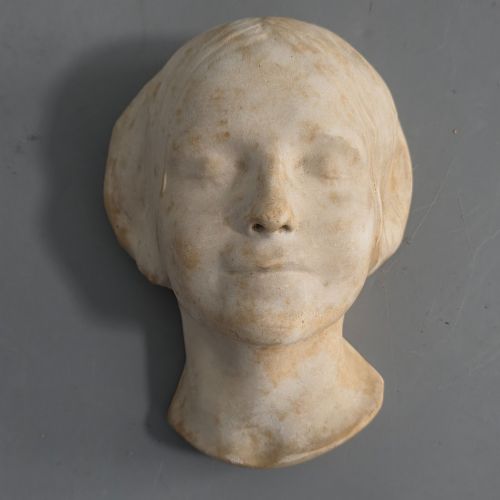
- A cast taken of a person's face following death, sometimes rendered in stone or plaster as a memorial object.
White Stone Sculpture: Frequently Asked Questions
How do I clean marble?
Dust surfaces gently with a soft dry cloth to prevent the accumulation of grit in carved crevices.
Avoid using water, chemical cleaners, or abrasive agents, as these substances can damage the polished finish of the stone.
Where should I place a bust?
Position heavier stone and marble busts on sturdy pedestals or low tables that can support their considerable weight.
Keep pieces away from direct heat sources and strong sunlight to protect the material from thermal stress and discolouration.
Are alabaster and marble the same?
Alabaster is significantly softer and more translucent than marble, allowing light to penetrate slightly beneath the surface.
Marble possesses a denser crystalline structure and greater durability, making it suitable for both indoor and outdoor placement.
How can I tell plaster from stone?
Plaster feels lighter in weight and is often cooler to the touch initially, whilst stone retains a heavier, denser mass.
Examining the underside or base usually reveals the powdery, homogenous texture characteristic of cast plaster compositions.