

Carved Marble Figure
A carved marble figure brings the quiet weight of classical antiquity and nineteenth-century European ateliers directly into domestic spaces.
Carved Marble Figure
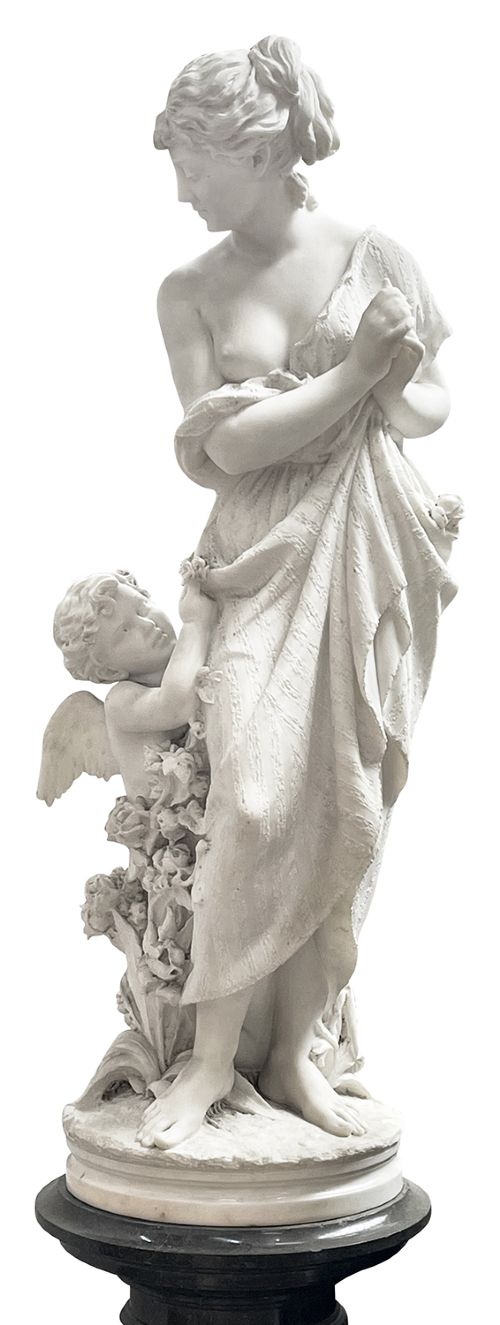
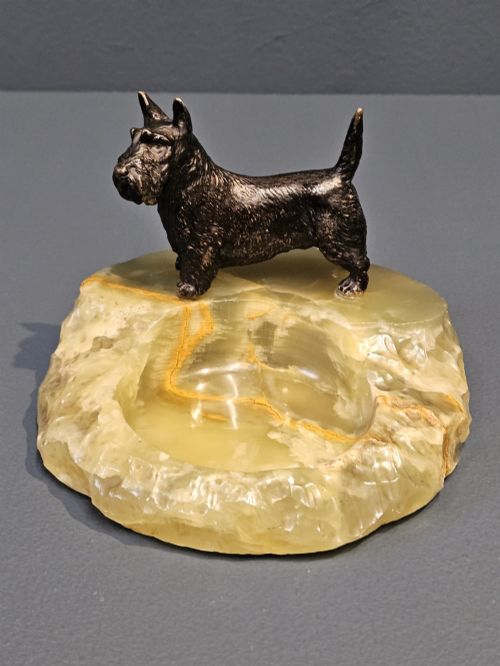
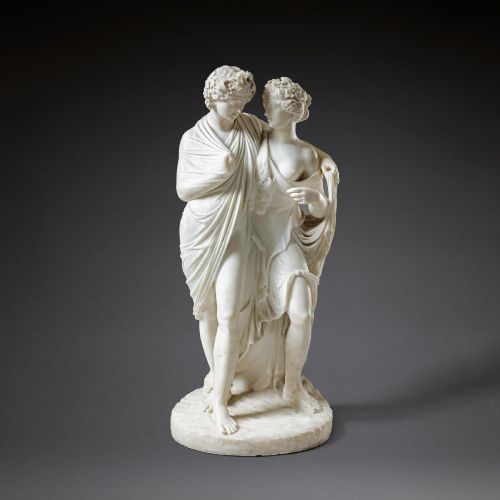
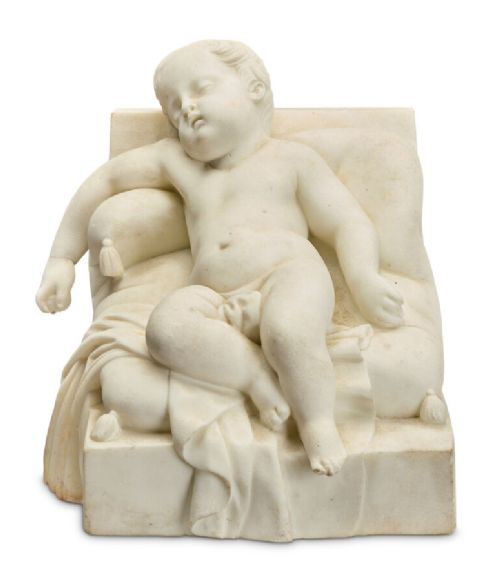
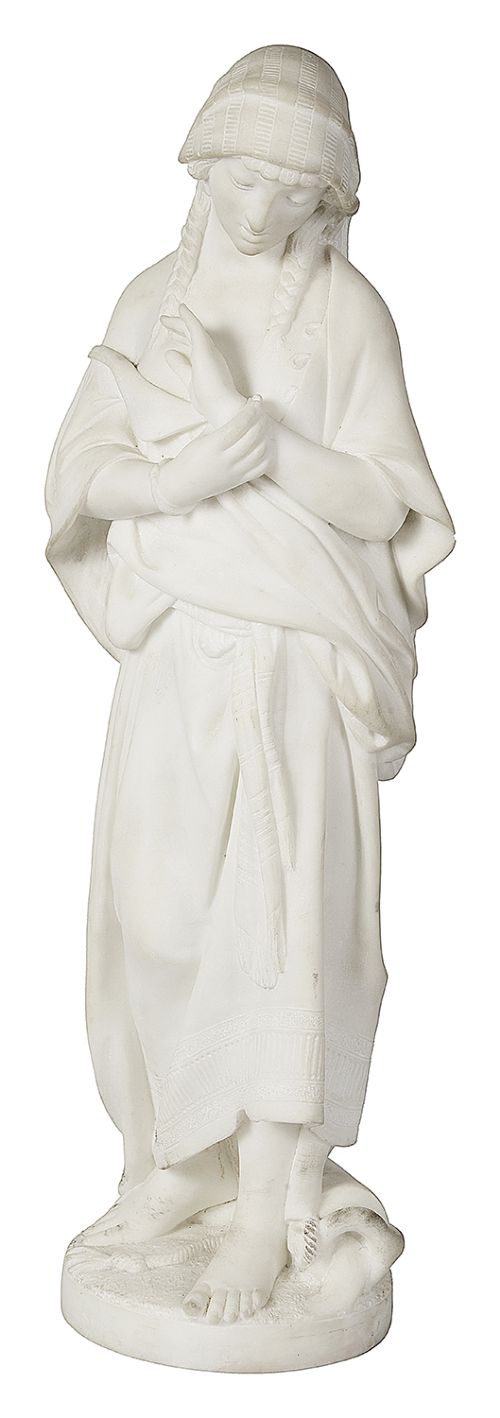
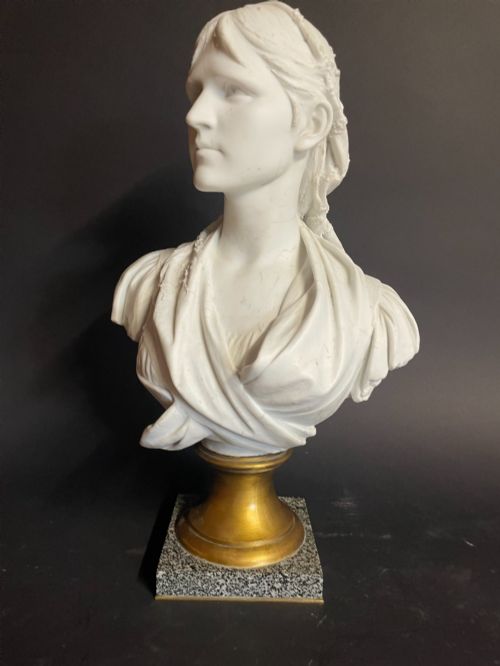
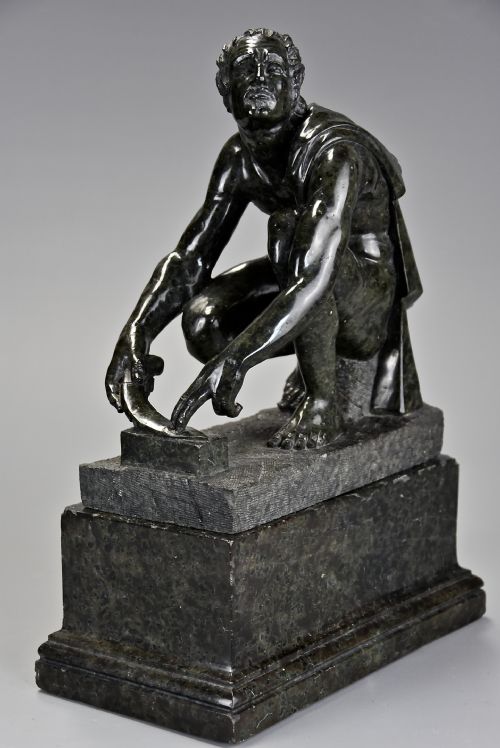
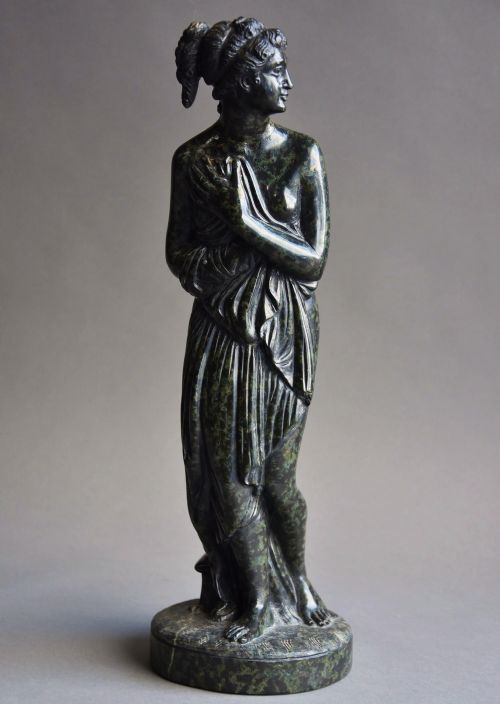
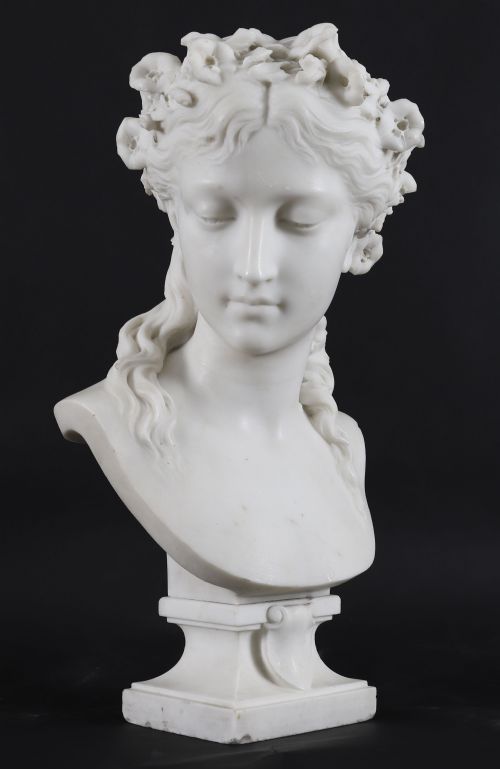
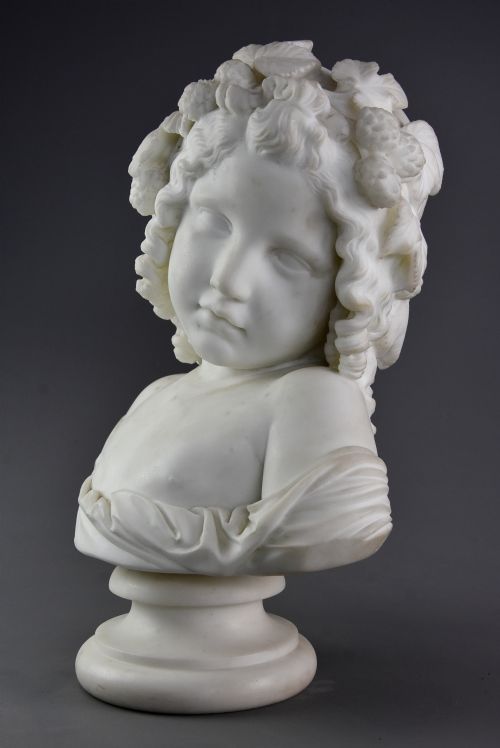
A carved marble figure encompasses standalone statues, portrait busts, animal models, and mythological subjects originating primarily from nineteenth-century European workshops. These pieces frequently draw inspiration from classical antiquity, often taking the form of Grand Tour souvenirs or reductions of famous museum sculptures.
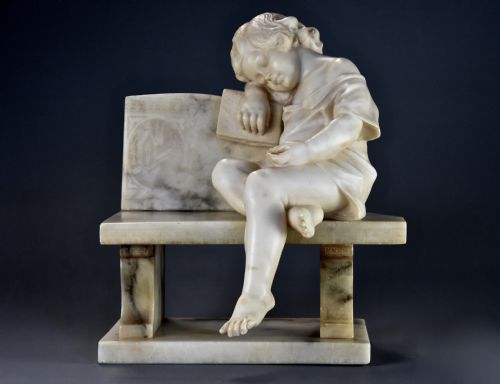
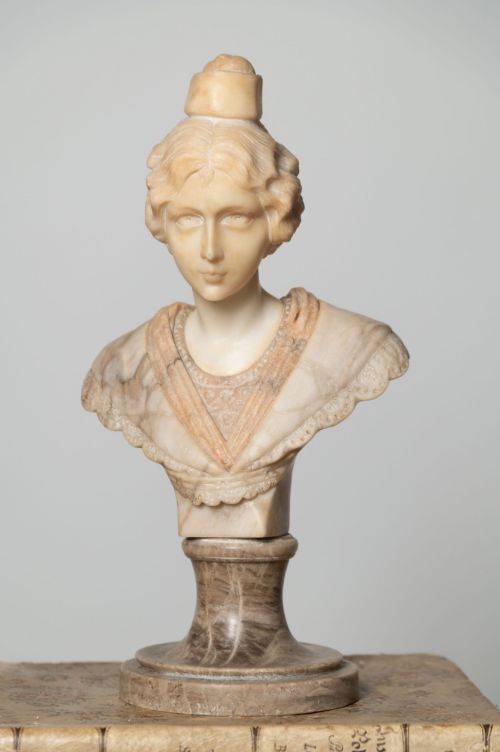
Collectors encounter diverse representations ranging from Italian neoclassical deities and literary figures like Dante to French allegorical maidens and anatomical studies. The selection spans white statuary marble, veined Carrara varieties, alabaster, and tinted stones.
The aesthetic bridges formal academic sculpture with domestic decorative arts, appearing in domestic libraries, drawing rooms, and hallways as both signed gallery pieces and unsigned studio works.
Materials and Working Methods
Makers employed traditional hand-chutting, rasping, and polishing techniques, often translating antique prototypes through pointing machines to achieve exact proportions before finishing surfaces by hand.
Carved Marble Figure Retail Price Guide 2026
Typical asking prices for carved marble figure among the pieces listed under this phrase on Sellingantiques today, from the lower quarter to the upper quarter. They describe what is for sale here now, not the wider market.
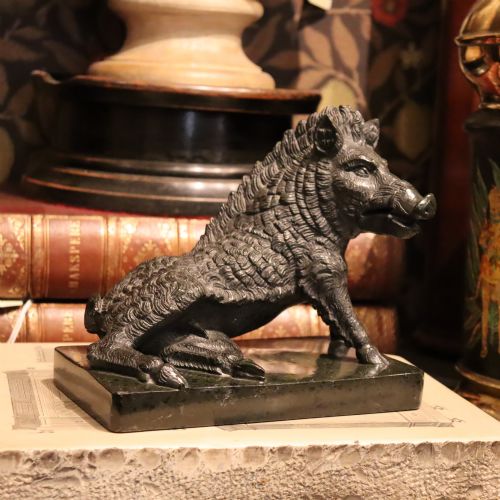
Several stone animals stand guard, including a Florentine boar, recumbent lions, and a green marble lion.
Judging the Standard of Execution
The refinement of anatomical articulation and the crispness of undercut drapery separate exceptional sculptural works from routine commercial studio output. Master carvers captured fluid motion, realistic skin textures, and expressive psychological depth in portrait subjects.
The integrity of the stone selection and the subtlety of the final surface polish dictate the visual success of the piece, distinguishing finely polished statuary marble from uniform mechanical output.
Carlo Albacini·Barranti·Houdon·Antonio Canova·Eugene Aizelin·Auguste Henri Carli·Fritz Kochendorfer·Eugene Emile Borga·Falconet·Bertel Thorvaldsen·Pietro Bazzanti
The Carved Marble Figure Glossary
- Grand Tour
- A traditional educational excursion undertaken by wealthy young Europeans to visit cultural sites in Italy and France, generating a demand for miniature souvenirs and carved models.
- Statuary marble
- A pure white, high-grade marble traditionally favoured by classical sculptors for its fine crystalline structure and luminosity.
- Alabaster
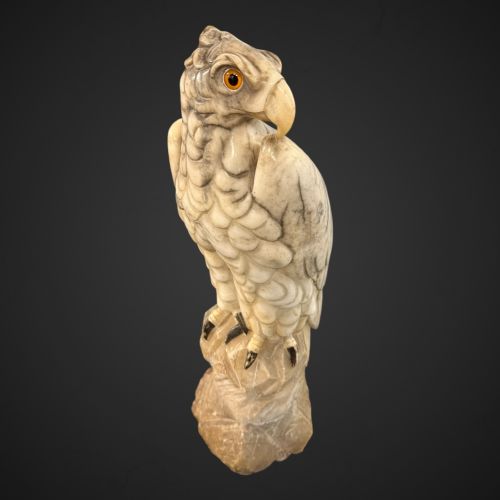
- A fine-grained, translucent stone often used for nineteenth-century figurative sculptures and portrait busts due to its softness under the chisel.
- Socle
- A short plinth or pedestal supporting a bust or small statue, frequently fashioned from a contrasting dark marble.
- Neoclassical
- An artistic movement drawing inspiration from the art and culture of classical Greece and Rome, dominant throughout the eighteenth and nineteenth centuries.
Carved Marble Figure: Frequently Asked Questions
What periods do these marble figures date from?
The pieces span the late eighteenth, nineteenth, and early twentieth centuries, with a heavy concentration of nineteenth-century European production.
Many reflect earlier aesthetic traditions, reproducing classical or Renaissance prototypes for nineteenth-century collectors.
How were Grand Tour figures used historically?
Travellers collected these smaller-scale sculptures in Italy and France as tangible evidence of their cultural education and travels abroad.
They served as sophisticated desktop ornaments, library decorations, and focal points in Victorian drawing rooms.
Are these sculptures signed by the artists?
Certain pieces bear the signature of established nineteenth-century sculptors or specific Florentine and Parisian workshops.
Many souvenir and studio works remain unsigned, attributed instead through stylistic comparisons to known classical models.
How should I care for antique marble and alabaster?
Dust surfaces gently with a dry, soft cloth, avoiding commercial chemical cleaners or excess moisture that might damage porous stone.
Alabaster requires particular care as it is softer and more sensitive to water than standard marble.