
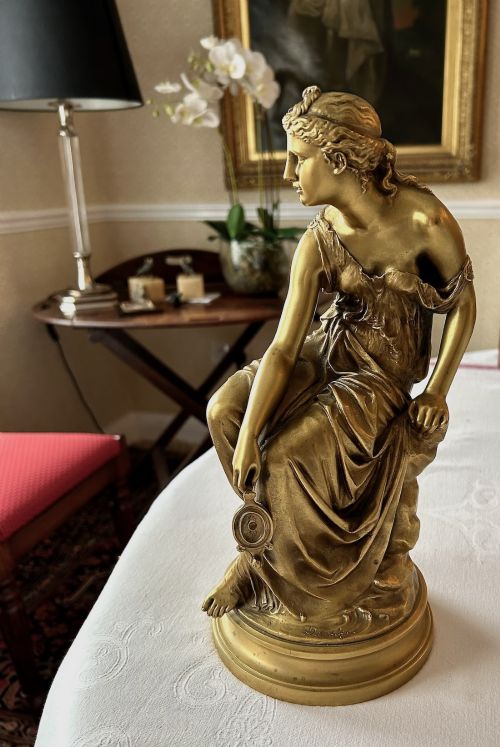

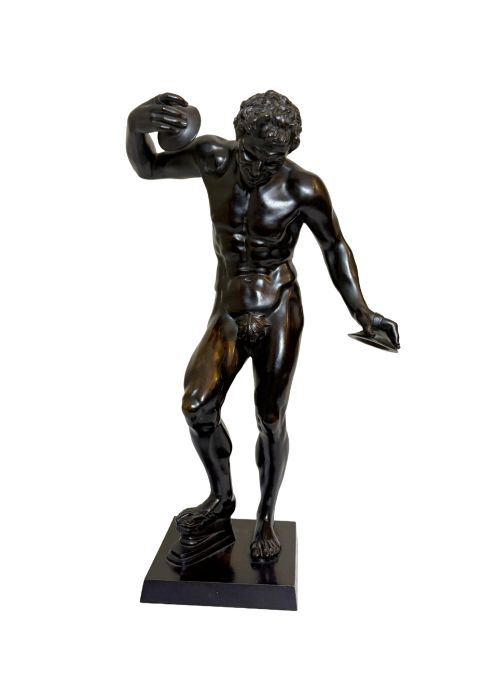
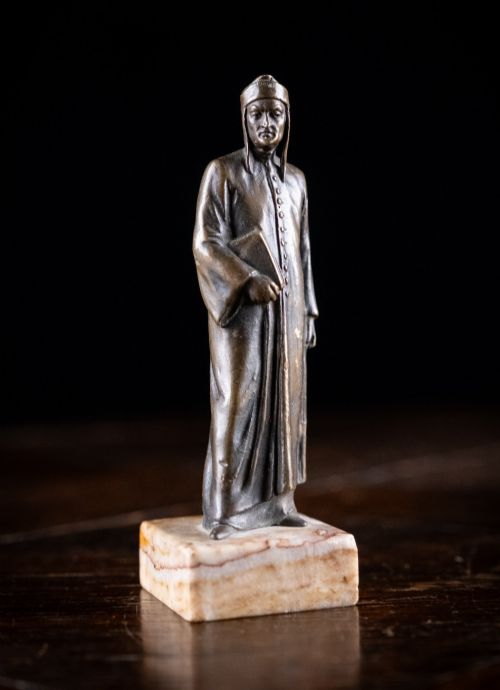

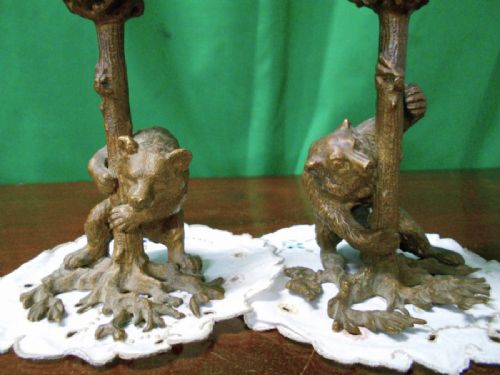
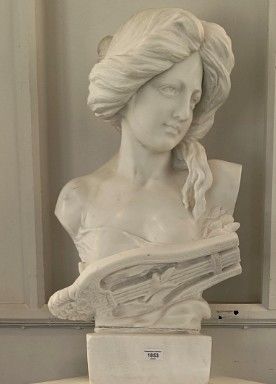
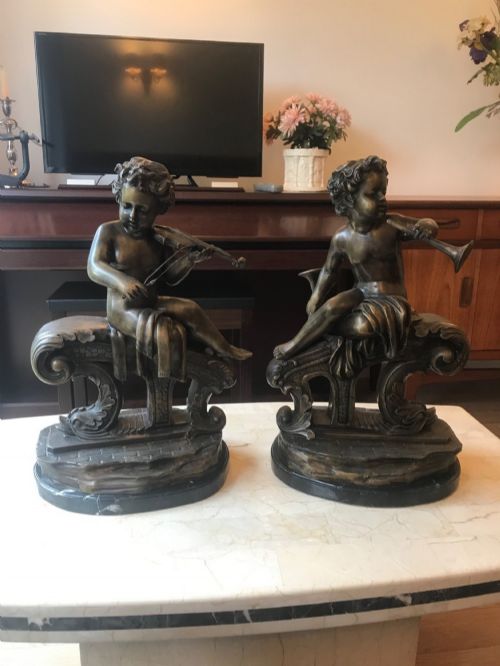
Nineteenth Century Sculpture
Nineteenth century sculpture brings classical mythology, portrait busts and grand tour bronzes into the home.

Nineteenth Century Sculpture
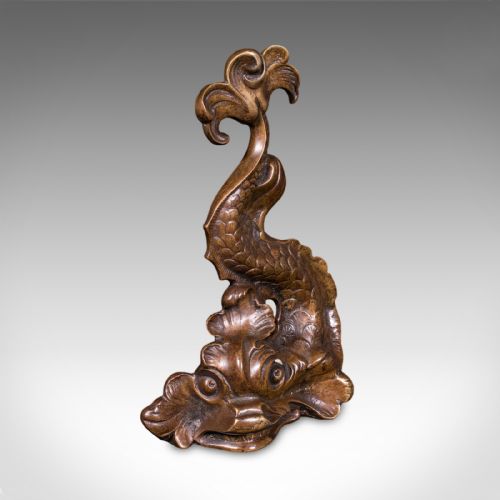
Nineteenth century sculpture encompasses a broad range of figurative art, from monumental bronze figures and portrait busts to decorative candlesticks and doorstops. Pieces span multiple decades and styles, reflecting the diverse artistic output of the 19th Century.
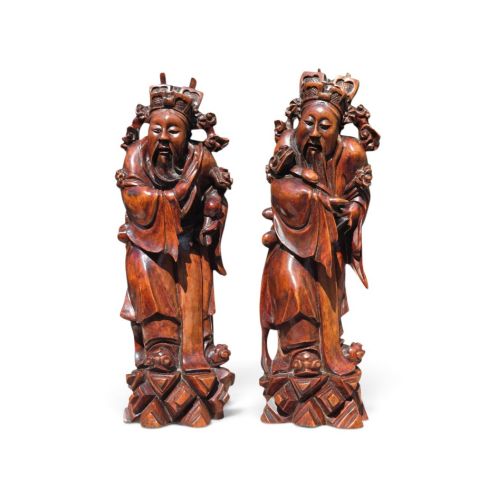
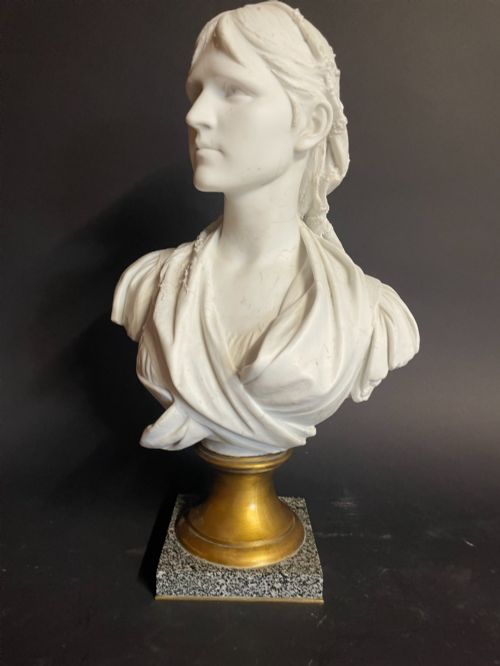
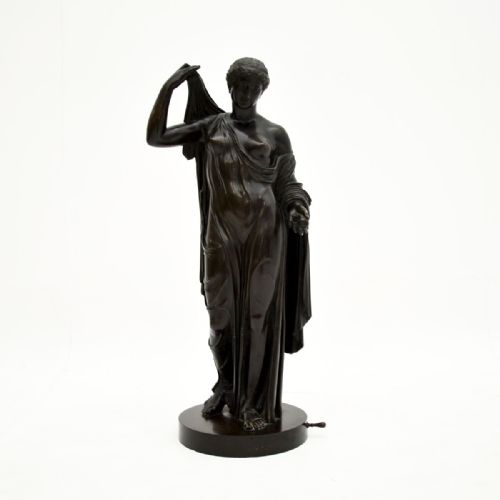
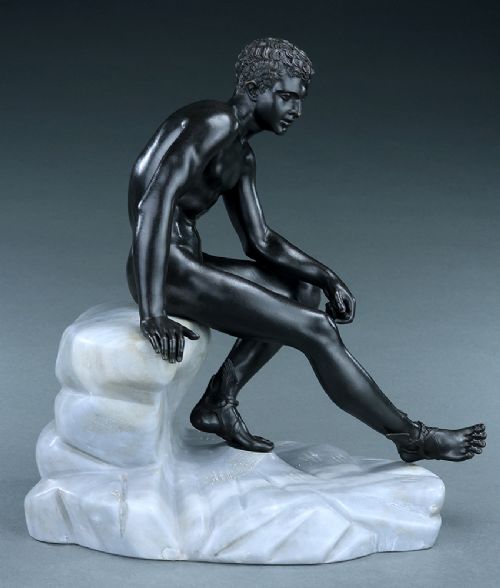
The objects on this page frequently draw on classical antiquity and the Grand Tour tradition, rendering subjects like dancing fauns, mythological figures and historical rulers in durable media. Visitors are most likely to encounter bronze figures, marble busts and carved wooden pieces from French, Italian and English workshops.
Materials and Working Methods
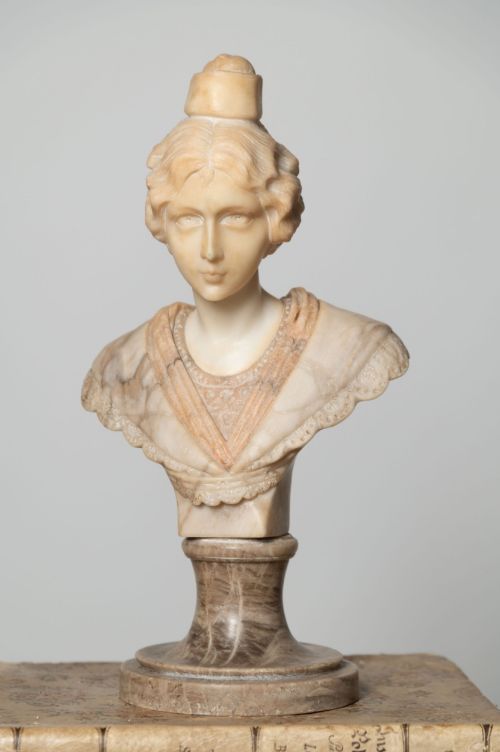
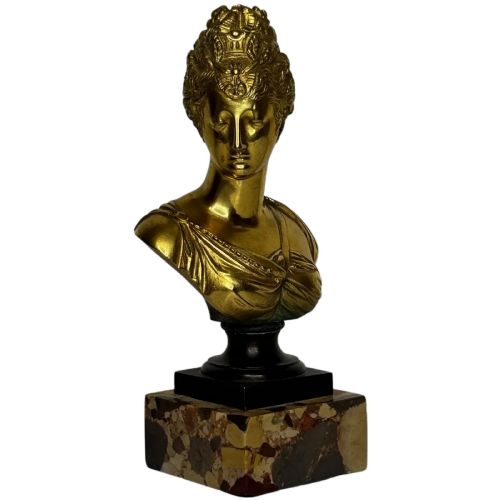
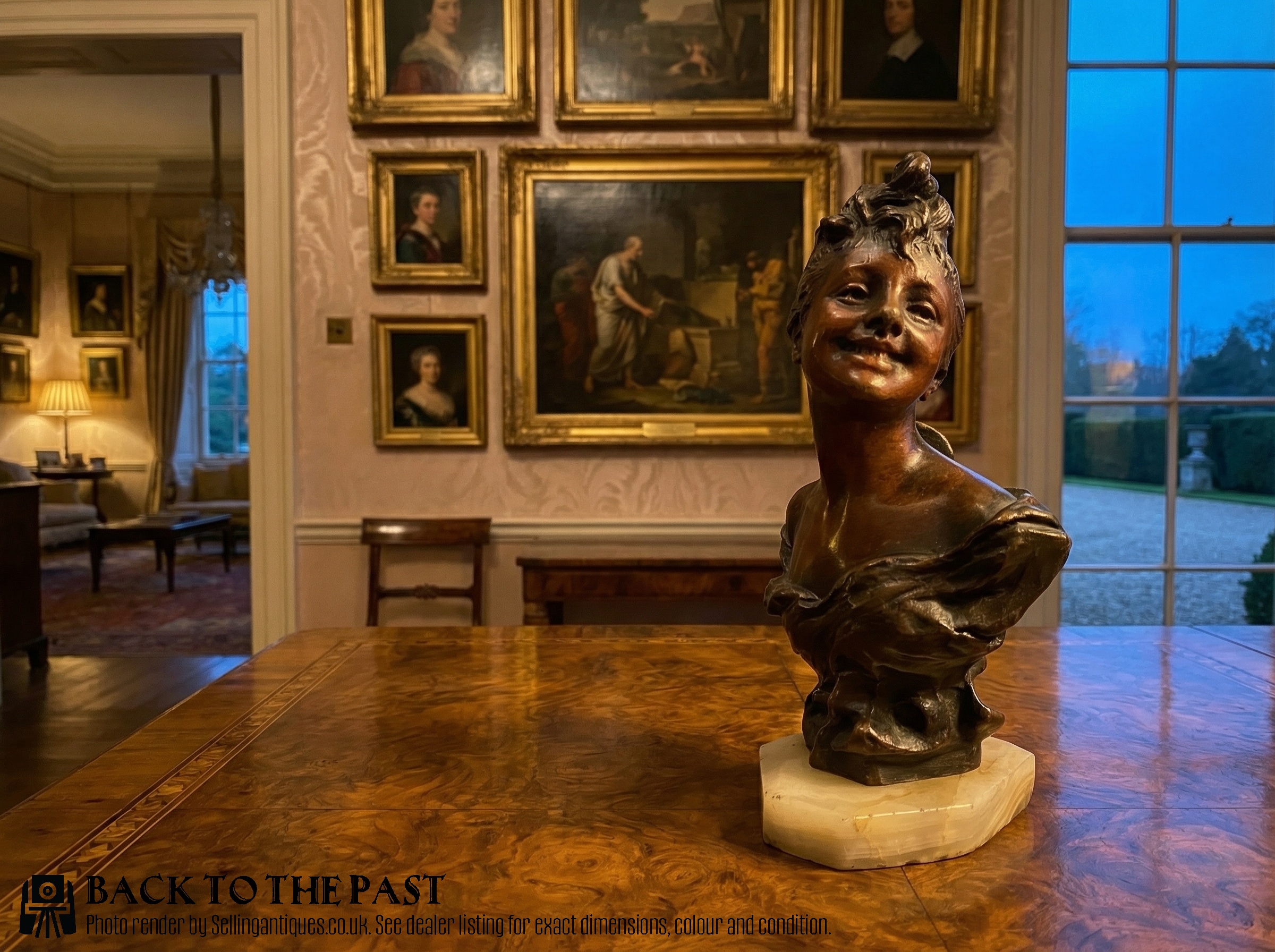
Foundries utilised traditional casting methods such as lost-wax casting for bronze and gilt bronze, creating detailed figures with patinated or gilded finishes. Carved pieces rely on fine-grained stones like Carrara marble, alabaster and serpentine, alongside various hardwoods.
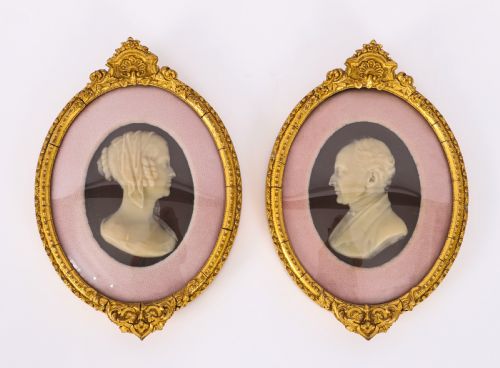
Makers integrated mixed media, mounting bronze figures on marble or serpentine plinths and employing cold-painted techniques on selected metal surfaces. Stoneware, cast iron and wax relief were also employed for specific decorative forms and portraiture.
Nineteenth Century Sculpture Retail Price Guide 2026
Typical asking prices for nineteenth century sculpture among the pieces listed under this phrase on Sellingantiques today, from the lower quarter to the upper quarter. They describe what is for sale here now, not the wider market.
Listings feature works in bronze, marble, wood, terracotta and alabaster, spanning Neoclassical, Regency and Egyptian Revival styles.
Judging Quality and Execution
Quality rests upon the crispness of the casting and the precision of the hand-finishing, where subtle details in facial expression and drapery remain sharp. Foundries with higher standards achieved smoother patination and tighter integration between the sculptural figure and its stone base.
The reputation of the maker or foundry, along with the purity of the materials utilised, elevates certain works above standard decorative pieces. The fidelity of reduction or adaptation from classical prototypes also distinguishes superior artistic achievement.
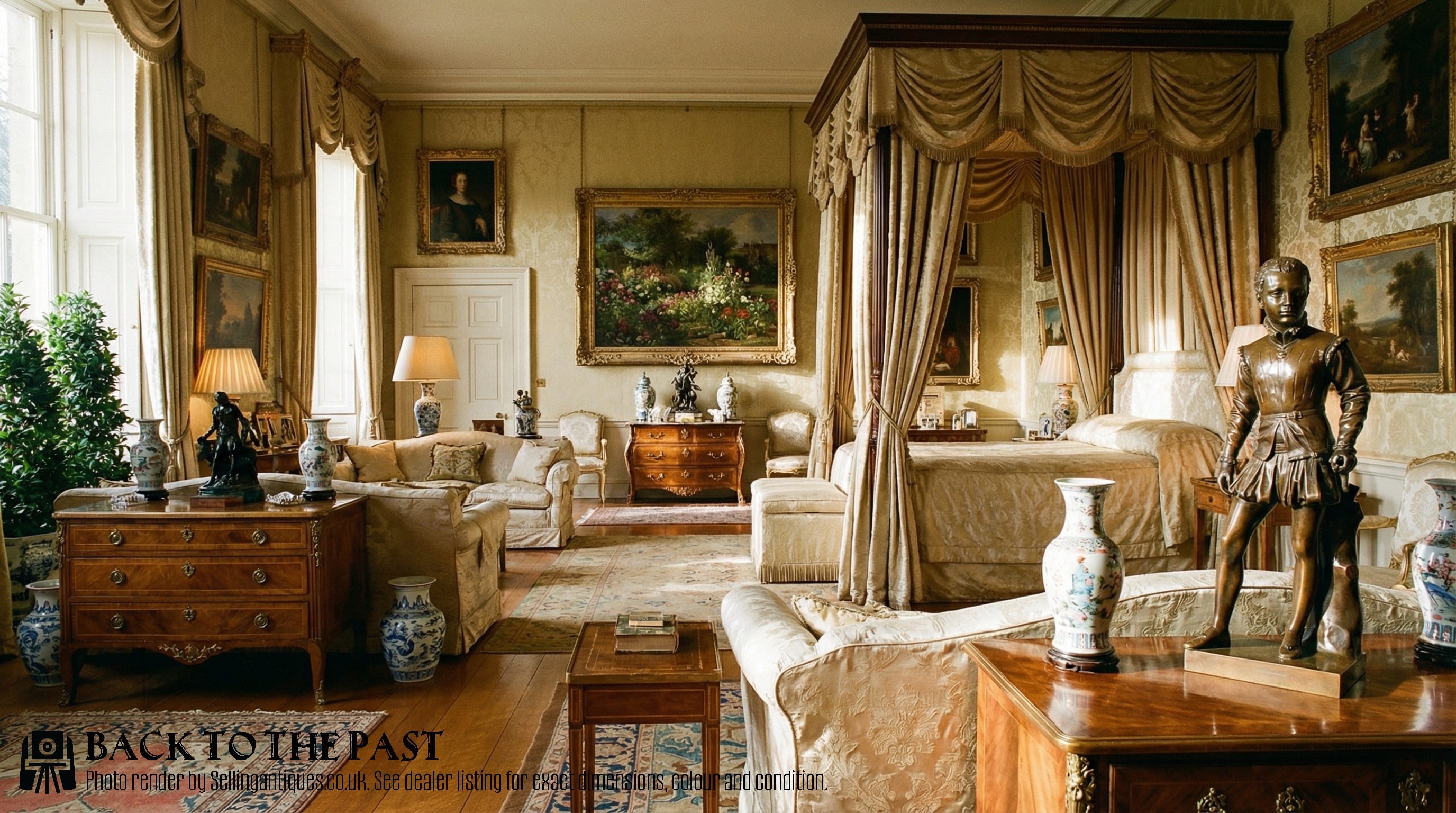
Etienne-Henri Dumaige·Antonio Canova·Alfred Barye·Eugene Aizelin·Emile Guillemin
The Nineteenth Century Sculpture Glossary
- Grand Tour
- Souvenirs and miniature copies of classical antiquities acquired by travellers on European educational tours during the 18th and 19th centuries. These bronze and marble figures allowed collectors to bring classical culture into domestic interiors.
- Patination
- The chemical or natural colouration applied to the surface of bronze and metal sculptures over time. A controlled patina adds depth and highlights anatomical contours.
- Neoclassical
- An artistic movement reviving the styles and subjects of ancient Greece and Rome. Sculptures in this style feature balanced proportions, classical drapery and heroic subjects.
- Lost-wax casting
- A metalcasting process where a molten metal is poured into a mould that has been created by means of a wax model. This technique permits intricate detail and undercuts in bronze sculpture.
- Animalier
- A 19th-century artistic genre focusing on the realistic depiction of animals, particularly predators and domestic beasts. French sculptors popularised this dynamic subject matter in bronze.
Nineteenth Century Sculpture: Frequently Asked Questions
How do I identify bronze from other metals?
Bronze possesses a distinctive weight, density and capacity to hold a rich chemical patina that distinguishes it from cast iron or modern alloys.
Examining the underside or unpolished areas often reveals the warm tone of the copper alloy beneath the surface finish.
Where were these sculptures made?
The pieces originate across Europe, with major production centres located in France, Italy and England during the 19th century.
French foundries specialised in decorative and animalier bronzes, while Italian workshops produced classical marbles and Grand Tour souvenirs.
How do I care for antique marble busts?
Antique marble busts require gentle dusting with a soft, dry cloth to prevent abrasive particles from scratching the polished stone surface.
Harsh chemical cleaners, water and oils should be avoided entirely, as porous marble absorbs liquids and alters the original finish.