
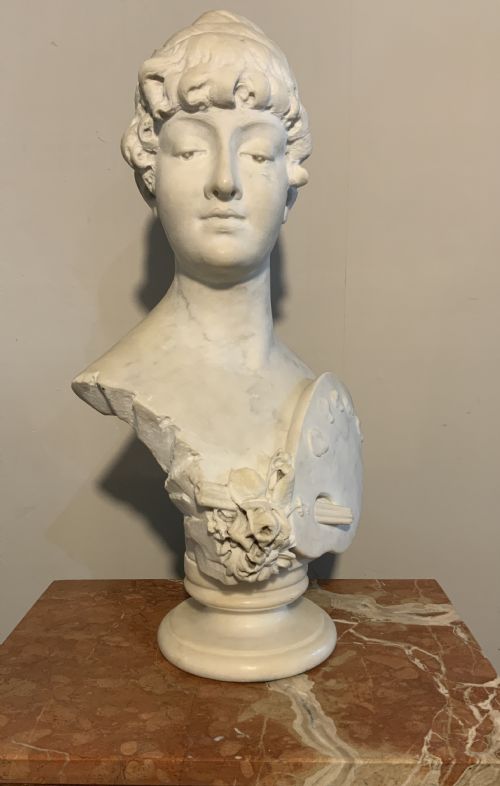
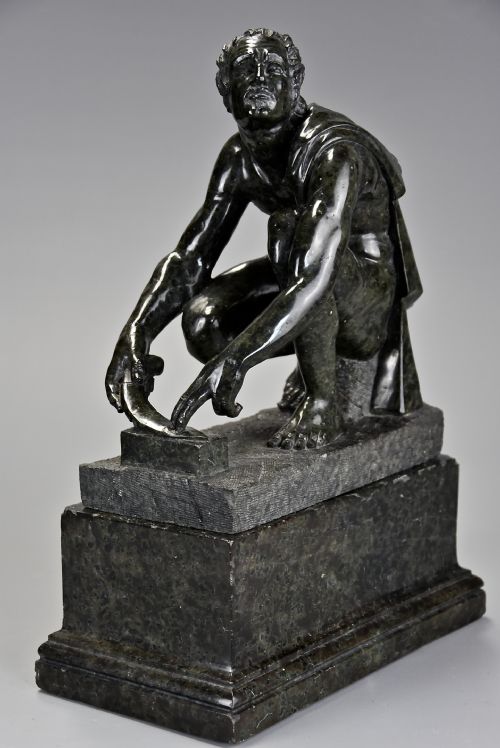
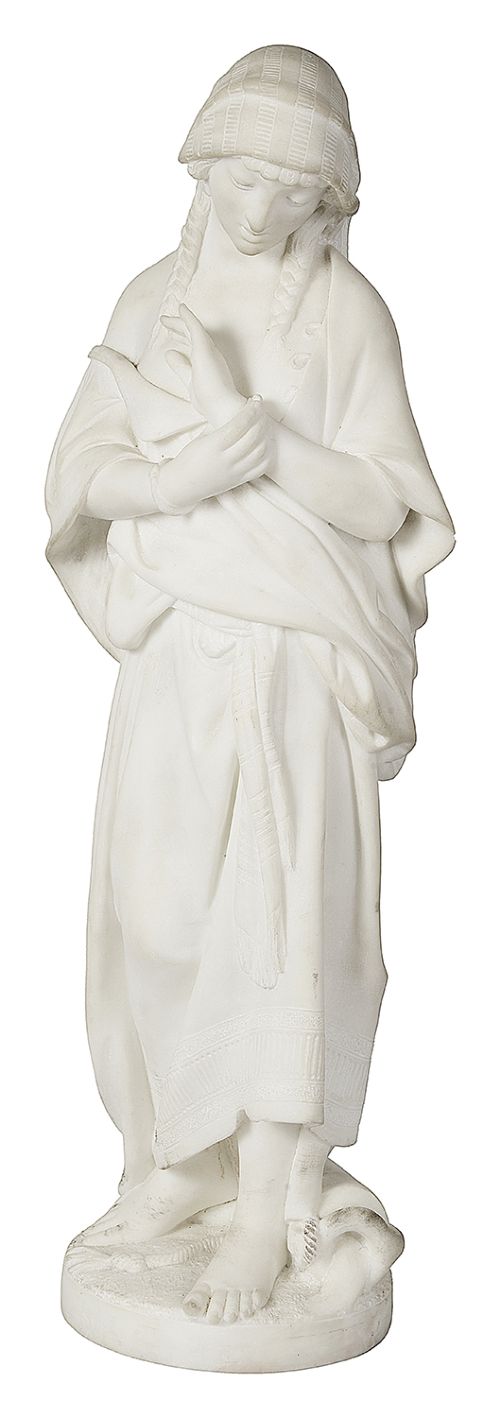
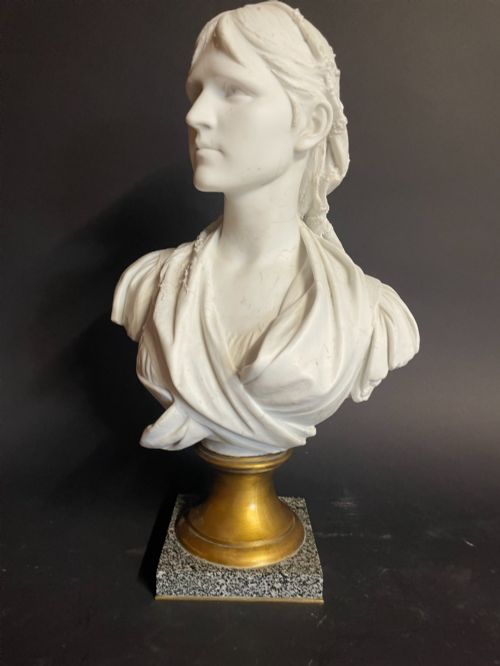

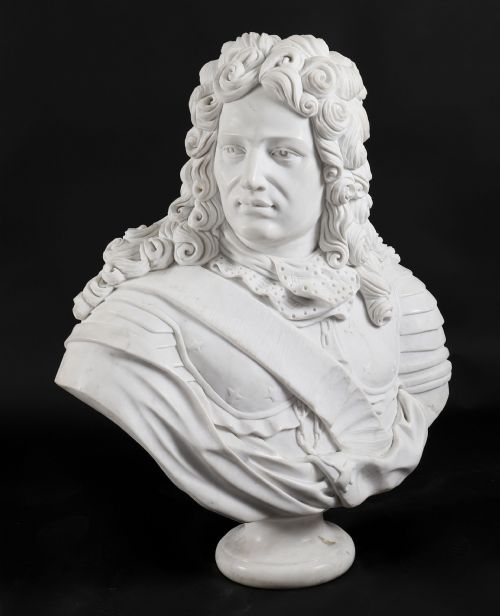
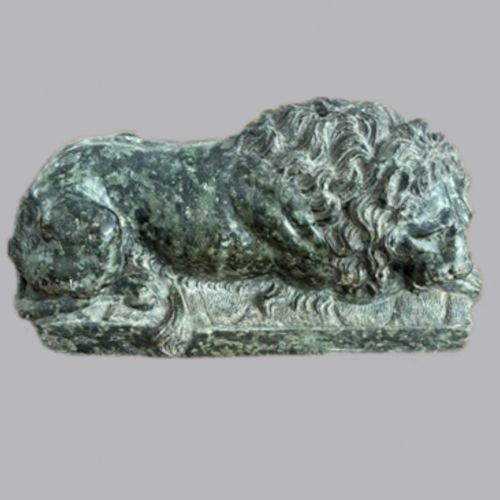
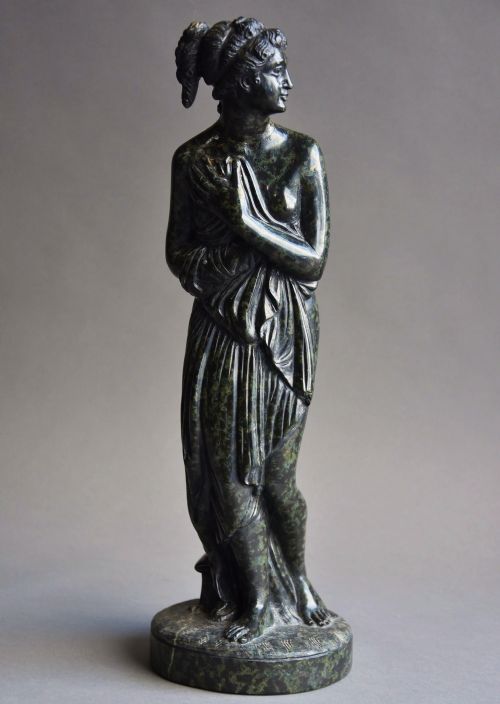
Carved Marble Statue
A carved marble statue brings classical subjects and nineteenth-century Italian stonework directly into domestic interiors.
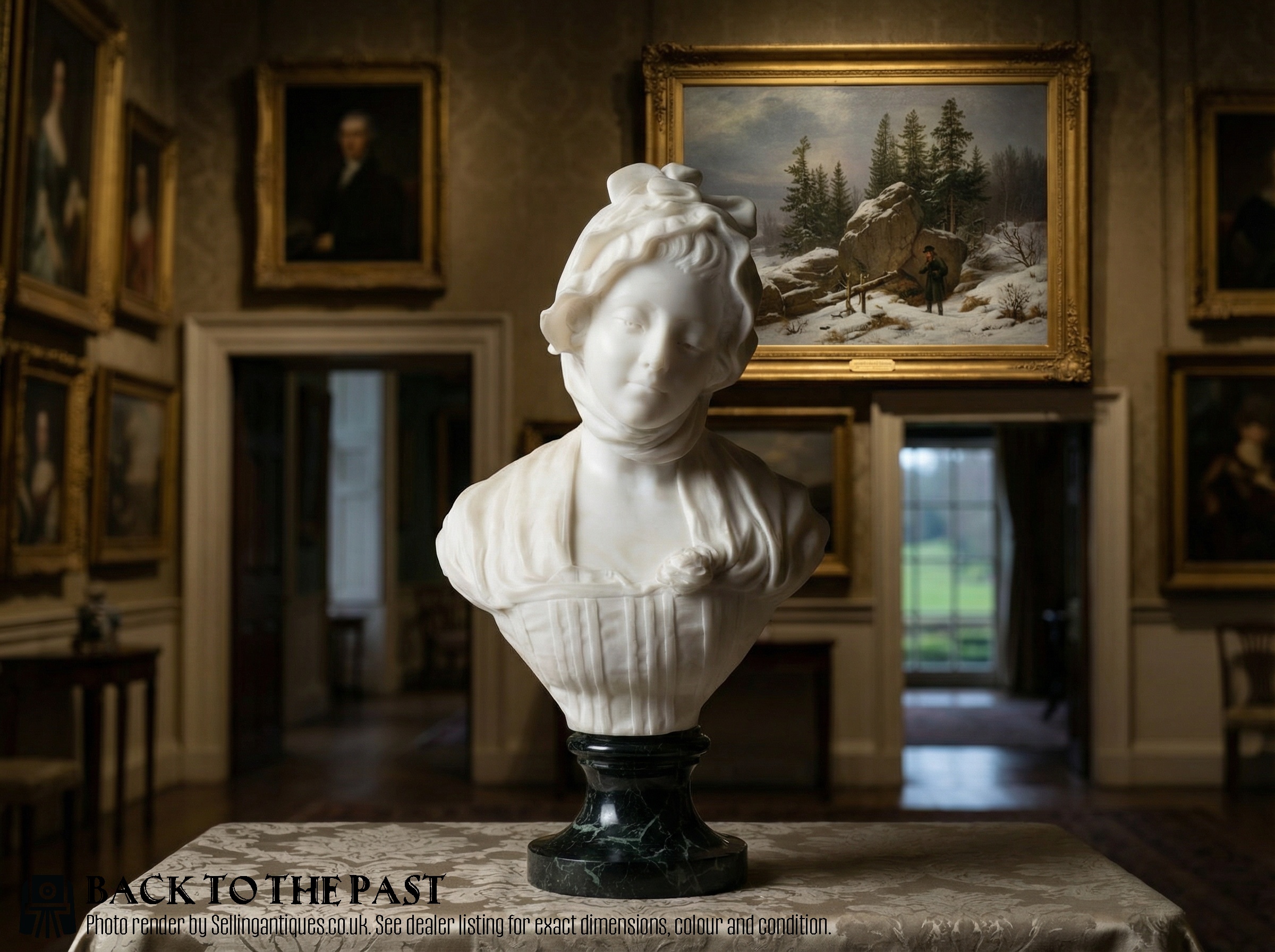
Carved Marble Statue
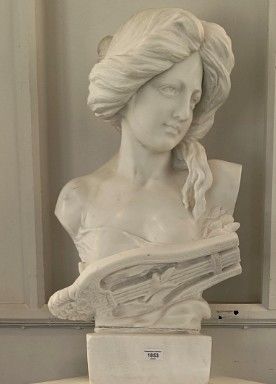
When you search for a carved marble statue, you encounter classical figures, portrait busts, and animalier studies originating predominantly from nineteenth-century Italy and France. These sculptures range from grand tour souvenirs after antique models to monumental civic portraits carved in white and veined stones.
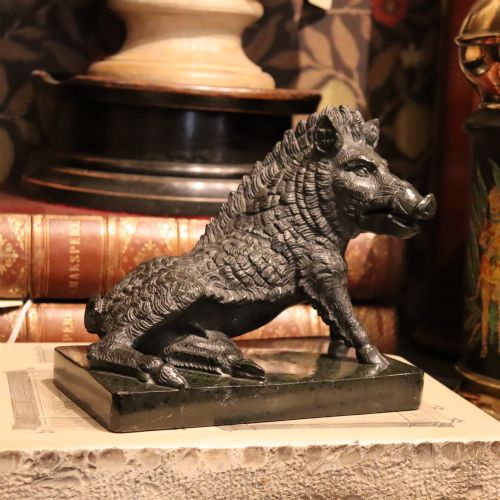
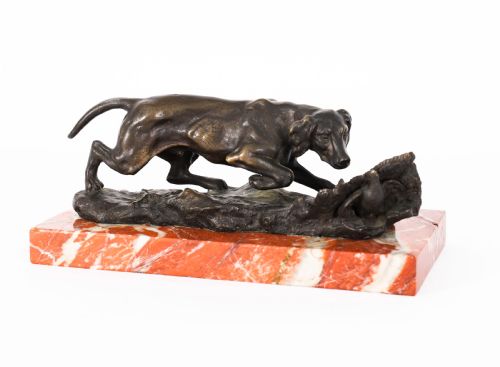
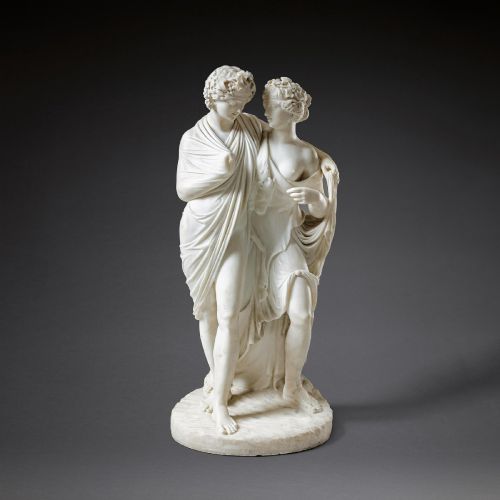
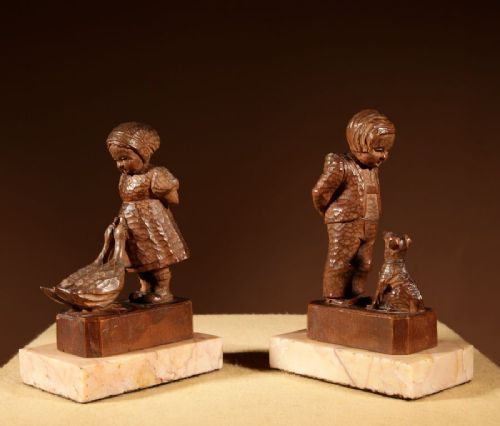
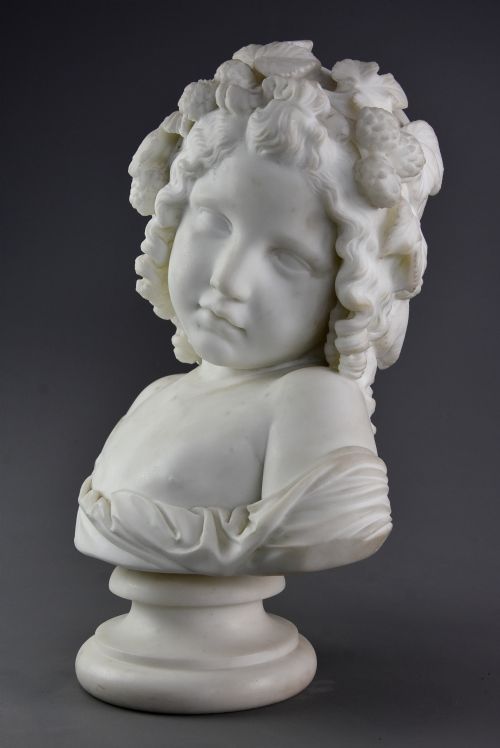
The version you are most likely to meet on this page is a nineteenth-century Italian bust or animal figure, often connected to the grand tour tradition. Subjects span from mythological figures such as Bacchus and Ariadne to literary portraits and domestic animals like lions and hunting dogs.
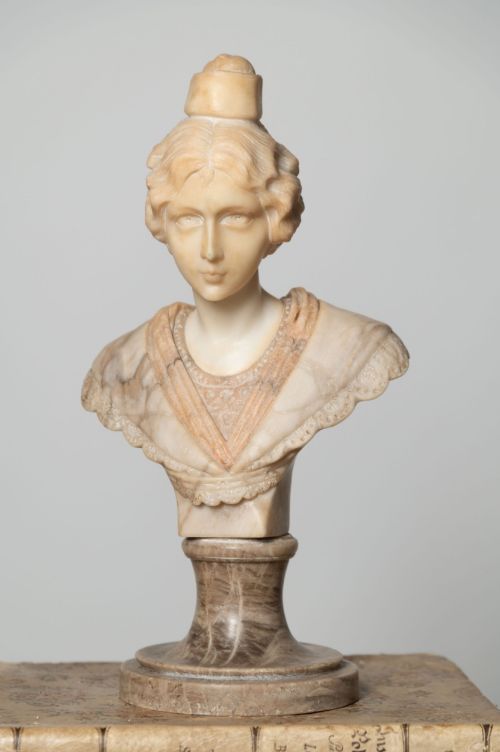
Beyond standalone statues, the selection includes alabaster library busts, pedestal-mounted groups, and carved panels showing distinct neoclassical and art nouveau influences. Each piece reflects the enduring nineteenth-century European fascination with classical sculpture and fine stone carving.
How they were made
Sculptors utilised white Carrara marble, veined stone, serpentine marble, and softer alabaster, shaping the raw blocks with chisels, rasps, and abrasive powders. Workshops in Florence and Rome employed specialist carvers who translated classical plaster casts and bronzes into polished stone.
Surface finishing ranged from high gloss polishes on drapery and flesh to matte textures on hair and bases, highlighting the natural grain and variation of the material. Many nineteenth-century works relied on pointing machines to accurately transfer the proportions of antique prototypes into new marble blocks.
Carved Marble Statue Retail Price Guide 2026
Typical asking prices for carved marble statue among the pieces listed under this phrase on Sellingantiques today, from the lower quarter to the upper quarter. They describe what is for sale here now, not the wider market.
Listings feature pieces spanning the eighteenth through the twentieth centuries, utilising Carrara marble, serpentine marble, alabaster, and wood.
What varies in quality
The distinction between average commercial production and exceptional sculpture lies in the sensitivity of the carving and the purity of the stone. Superior pieces exhibit precise anatomical articulation, delicate rendering of drapery folds, and careful management of natural veining.
Signed works by established nineteenth-century sculptors or documented Italian studios command attention for their sculptural depth and undercut details. Weaker examples display rigid symmetry, mechanical surface smoothing, and stone blocks marred by heavy internal fissures or cloudy discoloration.
Carl Kauba·Carlo Albacini·Antonio Canova·Eugene Aizelin·Auguste Henri Carli·Fritz Kochendorfer
The Carved Marble Statue Glossary
- Carrara marble
- A type of white or blue-grey marble quarried in the city of Carrara in Tuscany, prized by sculptors for its fine, uniform grain. It served as the primary material for neoclassical and nineteenth-century European statuary.
- Grand tour
- A cultural journey of Europe undertaken by wealthy young men in the eighteenth and nineteenth centuries to study classical art. Travellers frequently purchased small marble sculptures and bronze reductions to bring home.
- Neoclassical
- An artistic movement beginning in the mid-eighteenth century that drew inspiration from the art and culture of classical antiquity. Sculptures in this style emphasise restrained emotion, balanced proportions, and heroic subjects.
- Animalier
- A nineteenth-century artistic genre dedicated to the realistic portrayal of animals, often rendered in bronze or carved stone. French and Italian workshops produced numerous depictions of lions, hounds, and birds in this mode.
- Alabaster
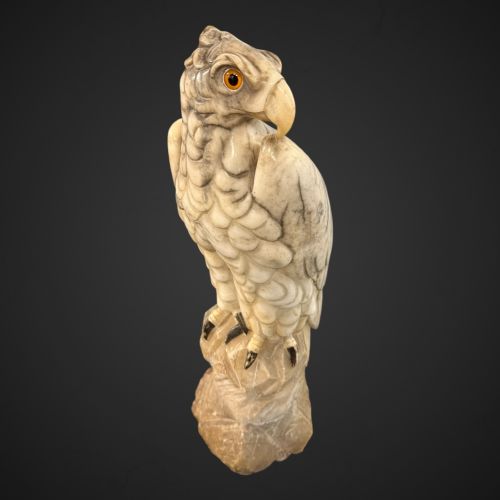
- A fine-grained, translucent stone often utilised for nineteenth-century portrait busts and cabinet sculptures. It offers a softer carving medium than marble, allowing for warm, glowing surface effects.
Carved Marble Statue: Frequently Asked Questions
What is a grand tour sculpture?
Grand tour sculptures are smaller-scale replicas of famous classical antiquities created in Italy during the eighteenth and nineteenth centuries. Travellers collected these marble and serpentine figures as tangible evidence of their cultural education abroad.
These pieces typically depict famous mythological subjects, architectural models, or renowned ancient statues housed in Italian museums. They allowed collectors to display classical taste within their private libraries and drawing rooms.
What distinguishes alabaster from marble?
Alabaster is a softer, more translucent mineral than marble, composed of either gypsum or calcite. It transmits light beneath the surface, giving portrait busts a warm, lifelike quality that differs from the opaque density of white marble.
Because alabaster scratches easily and dissolves in water, sculptors reserved it primarily for indoor cabinet pieces rather than monumental outdoor works. Inspecting the weight and translucency under a directional light helps confirm whether a sculpture is carved from alabaster or marble.
Where were nineteenth-century portrait busts displayed?
Nineteenth-century portrait busts of public figures, family members, and historical personages stood upon wooden pedestals, marble columns, or library mantelpieces. They commemorated civic leaders, literary figures, and deceased ancestors within grand homes and institutional buildings.
Displaying these busts demonstrated intellectual engagement and social standing during the Victorian era. Today, they function as sculptural focal points in hallways, studies, and living spaces.