

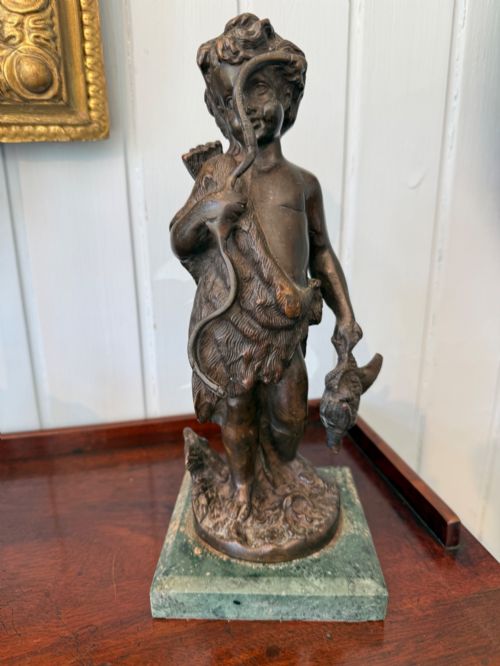
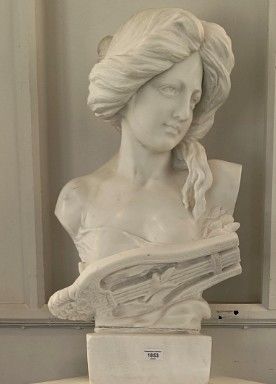
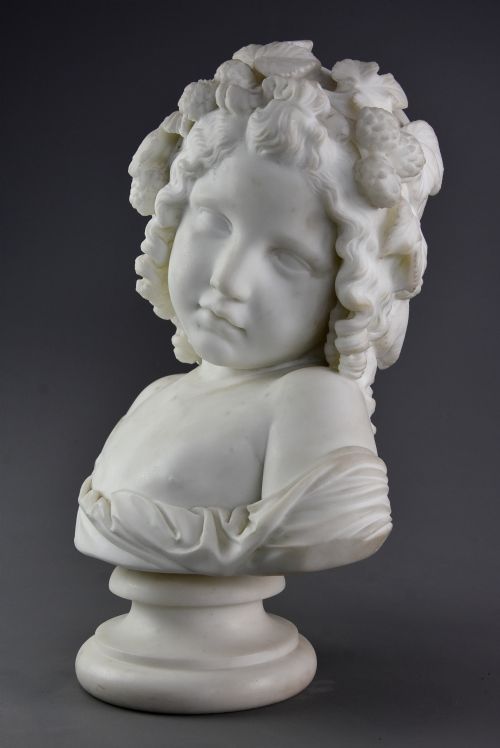
Neoclassical Marble Statue
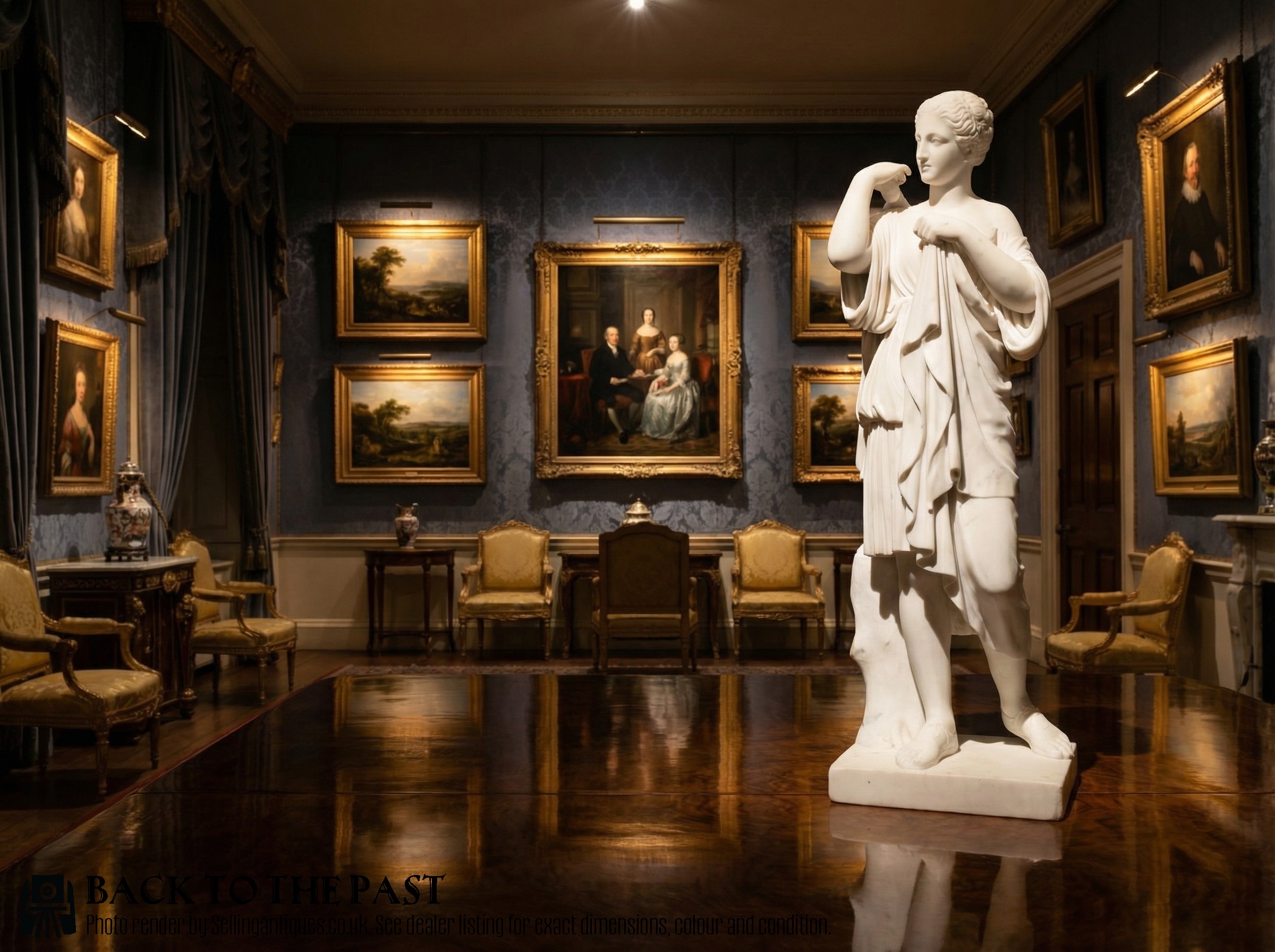
A neoclassical marble statue brings the disciplined restraint and mythological weight of classical antiquity directly into a private interior.
Neoclassical Marble Statue
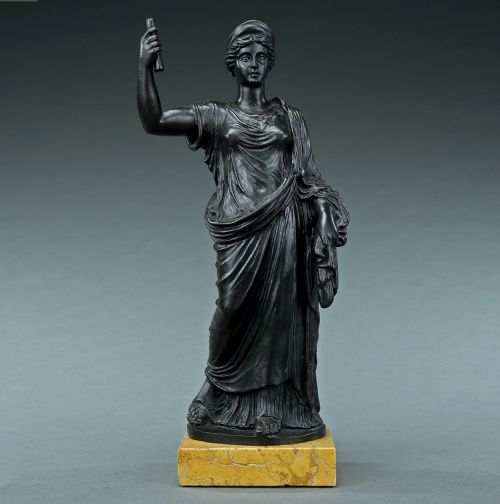
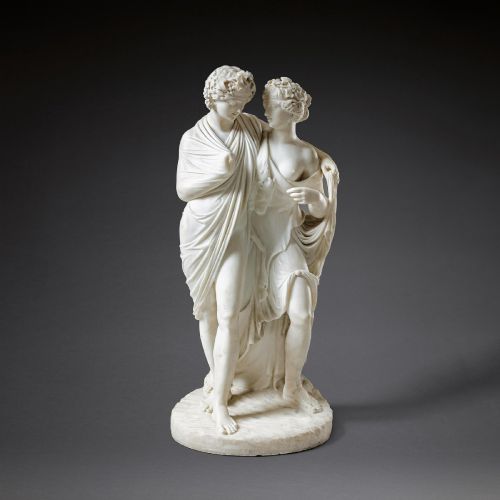
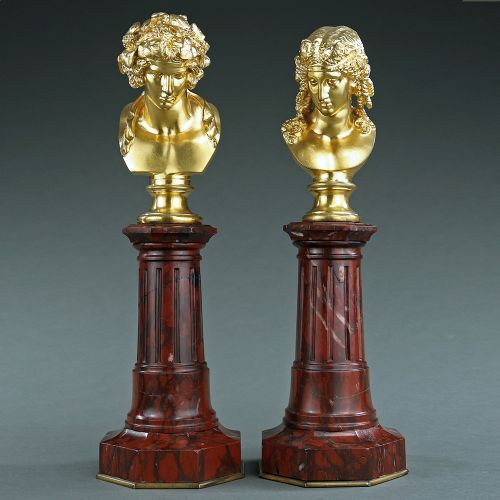
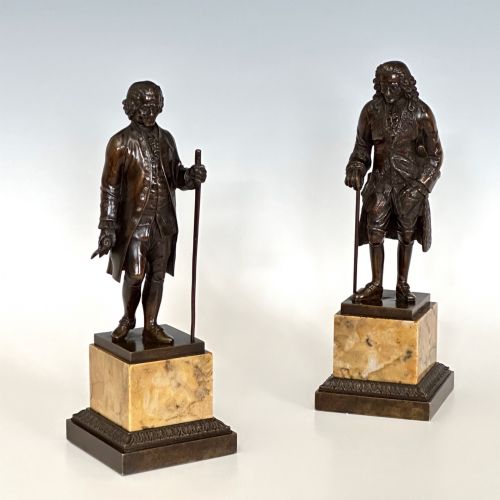
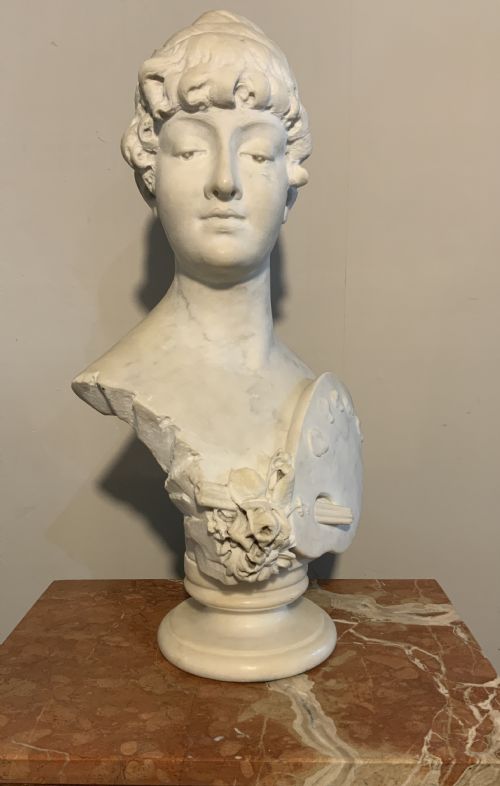
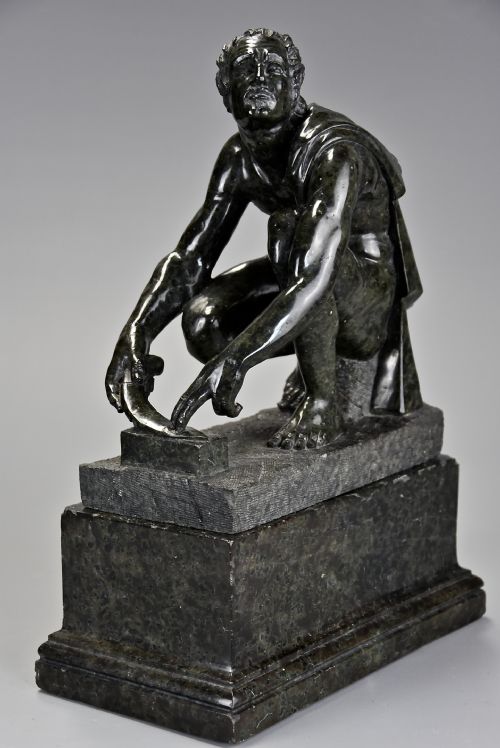
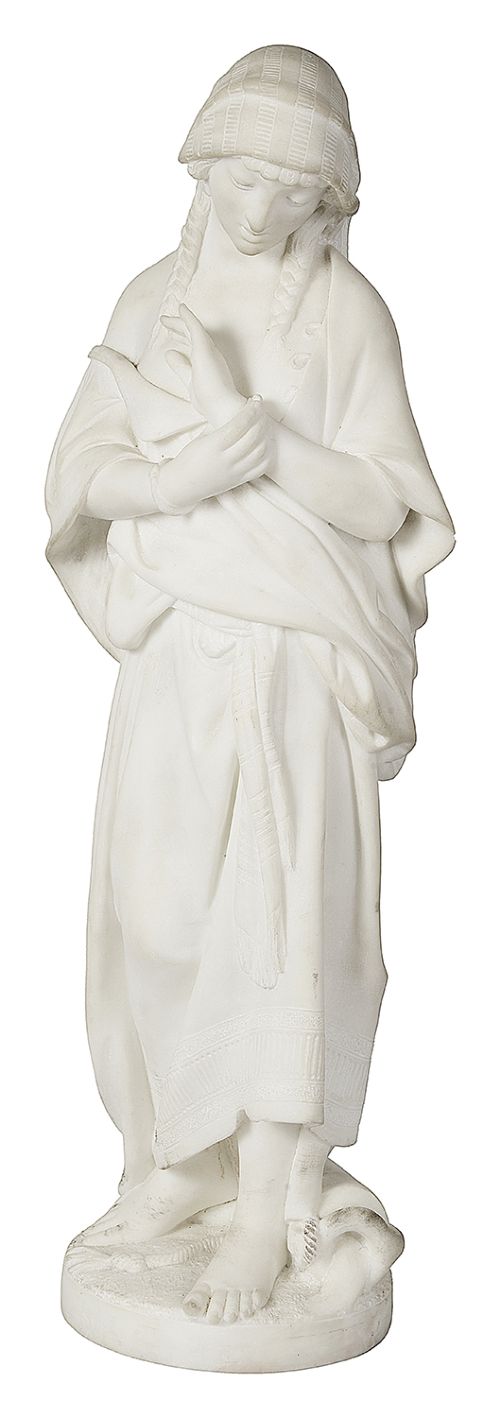
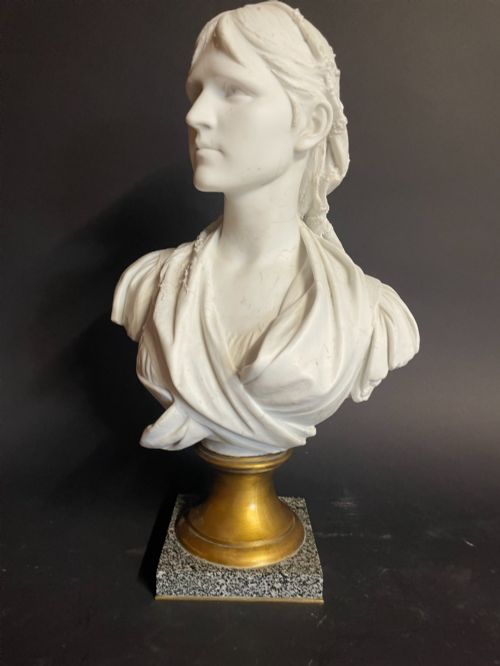
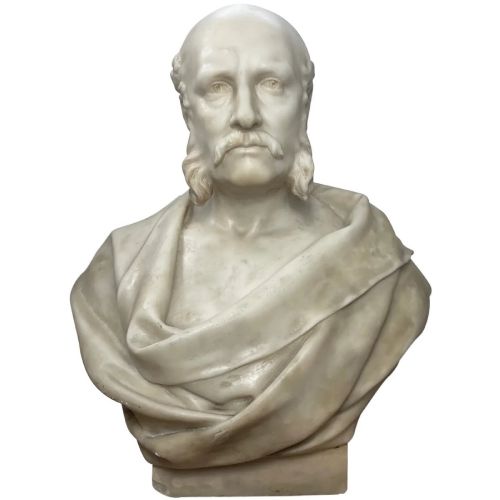
When a collector searches for a neoclassical marble statue, they encounter carved depictions of mythological figures, literary heroes, and historical portraits rooted in the classical revival. These works take the form of freestanding figures, portrait busts, and architectural models created during the nineteenth century.
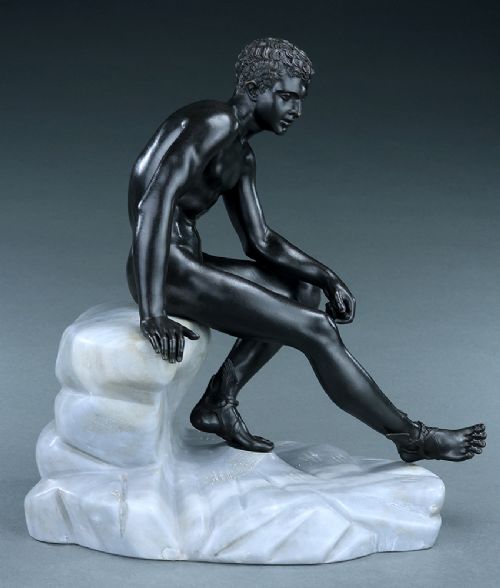
The versions most commonly met on this page are Italian and French Grand Tour souvenirs or library busts produced across the Victorian era. They interpret antique precedents such as the Canova lions, Venus Italica, and various mythological muses in white or Carrara marble.
Makers and workshops across Italy and France produced these pieces to satisfy the demand for classical culture during the nineteenth century. Surviving examples range from small-scale cabinet studies to monumental civic portrait busts mounted on contrasting stone plinths.
Materials and methods
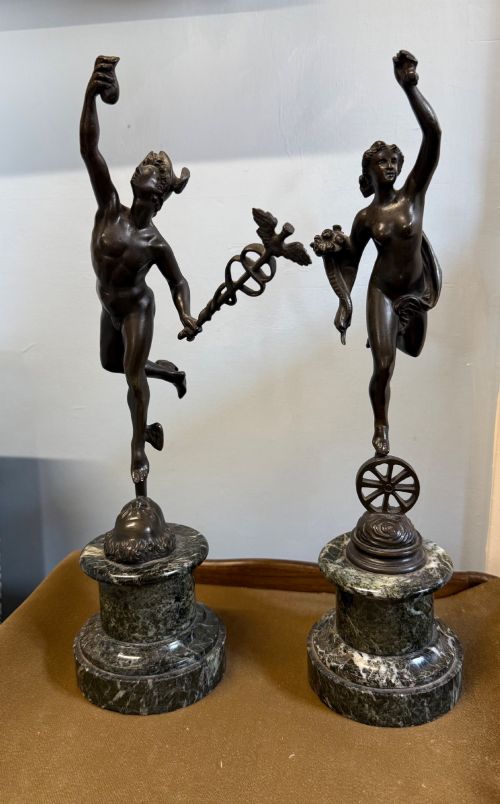
Carvers shaped these figures from blocks of white marble, Carrara marble, and alabaster, often employing mechanical pointing machines to translate the proportions of ancient prototypes. Secondary elements frequently incorporate contrasting materials such as verdo prato, serpentine, or grey marble for bases and plinths.
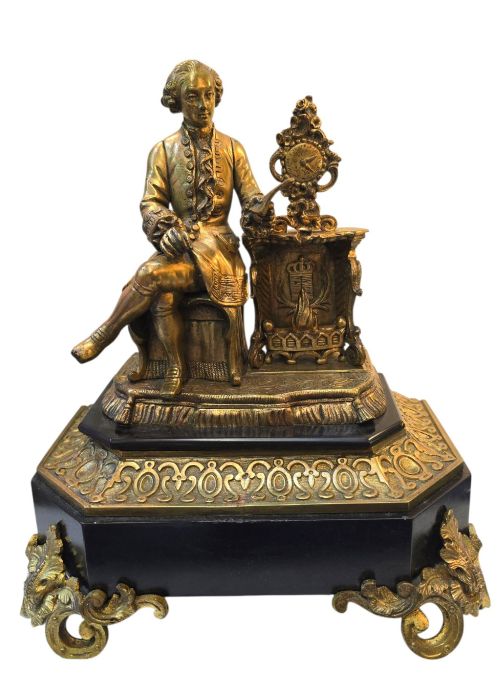
Foundries cast associated bronze, gilt bronze, and ormolu components to complement the stone bodies. Artisans finished the metal details through chiselling and patination before mounting the sculptures onto heavy marble or stone supports.
Neoclassical Marble Statue Retail Price Guide 2026
Typical asking prices for neoclassical marble statue among the pieces listed under this phrase on Sellingantiques today, from the lower quarter to the upper quarter. They describe what is for sale here now, not the wider market.
Listings feature materials spanning Carrara marble, bronze, alabaster, ormolu, and serpentine.
Quality variations
Material selection also dictates quality, as homogeneous Carrara marble without internal flaws commands greater respect than stone marred by heavy grey veining. Furthermore, the precision of the joinery between the figure and its marble or bronze plinth indicates the care taken by the original maker.
Carlo Albacini·Barranti Florence·Pierre-Augustin Caron de Beaumarchais·Eugene Aizelin·J Francis·Carrier-Belleuse·R Mattei
The Neoclassical Marble Statue Glossary
- Grand Tour
- A traditional trip through Europe undertaken by European upper-class young men of means to flourish their education. Objects acquired during this journey served as tangible evidence of classical learning.
- Carrara marble
- A type of white or blue-grey marble from the city of Carrara in Tuscany, widely used for neoclassical sculpture because of its fine grain and durability.
- Ormolu
- Gilded bronze used for mounts, bases, and decorative accents on nineteenth-century sculpture. The technique involves applying a mercury-gold amalgam to a bronze base.
- Verdo prato
- A dark green ornamental stone or serpentine utilised by Italian lapidaries for architectural details and statue bases. It provides a rich colour contrast against white marble figures.
Neoclassical Marble Statue: Frequently Asked Questions
What is a Grand Tour statue?
A Grand Tour statue is a miniature or reduced-scale copy of a famous classical sculpture, purchased by travellers visiting European cultural sites during the nineteenth century.
These pieces served as academic souvenirs and decorative ornaments for libraries and drawing rooms across Britain and Europe.
How do I identify Carrara marble?
Carrara marble is distinguished by its relatively uniform white background and subtle, feathery grey veining. It differs from denser stones or alabaster through its crystalline sparkle under direct light.
Most nineteenth-century Italian sculptors relied on this specific Tuscan marble for portrait busts and mythological figures.
Where should I place a marble bust?
A marble bust requires a stable surface such as a heavy sideboard, a dedicated column, or a robust library table. Because these pieces carry considerable weight, the support must be structurally sound.
Positioning the sculpture away from direct heat sources prevents thermal shock and preserves the natural finish of the stone.
How do I clean nineteenth-century marble?
Dusting with a soft, dry microfibre cloth removes surface particles without risking the patina. Water and harsh chemical cleaning agents should be avoided entirely to prevent moisture absorption into the porous stone.
Professional conservators handle stubborn grime using specialised dry sponges designed for historic surfaces.