


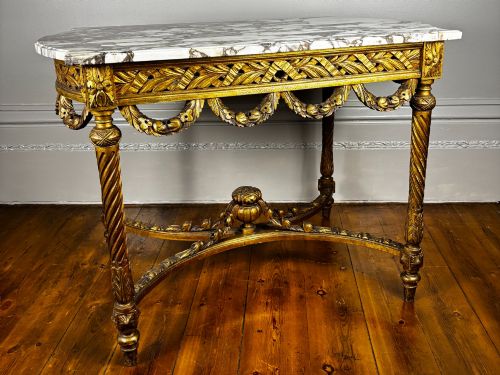
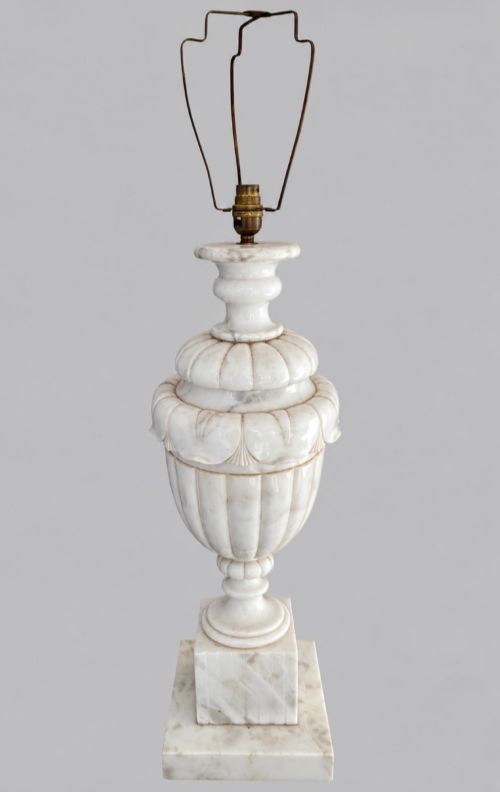
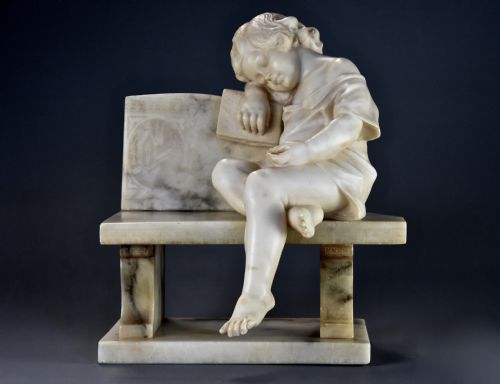
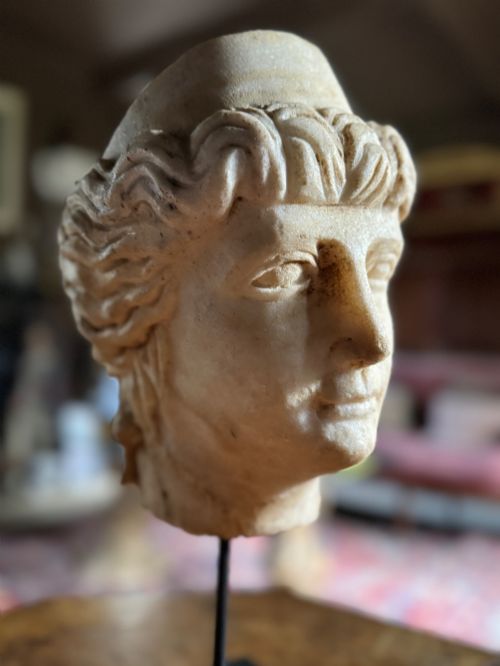
Carved White Marble
Carved white marble objects bring classical form and enduring presence to an interior through sculptural figures, fireplaces and console tables.
Carved White Marble
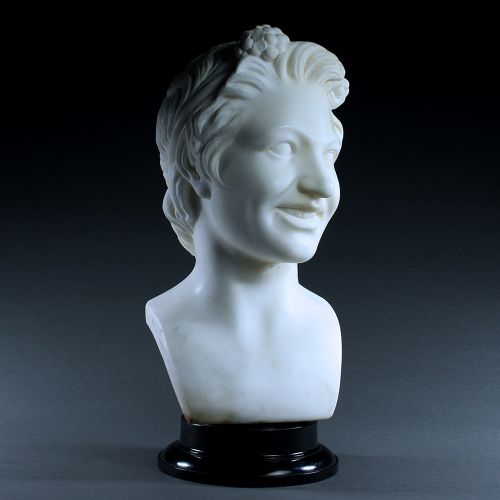
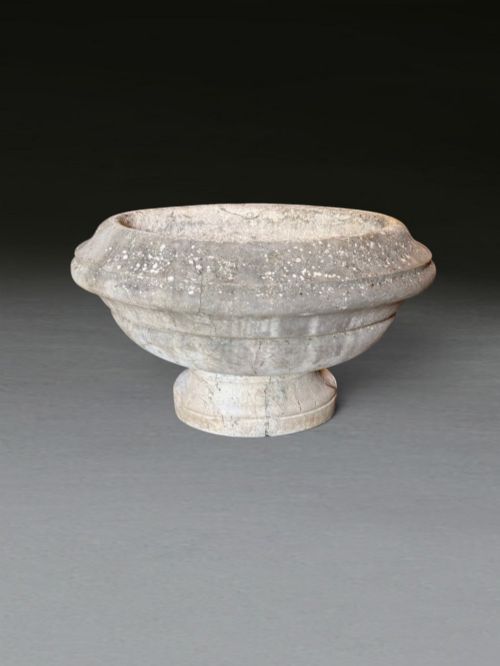
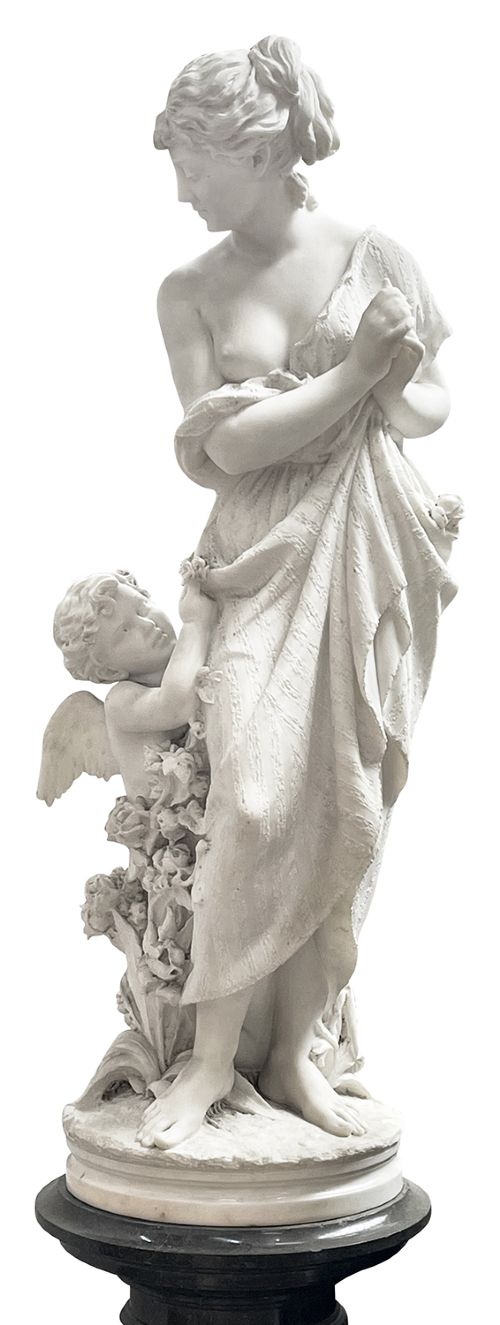
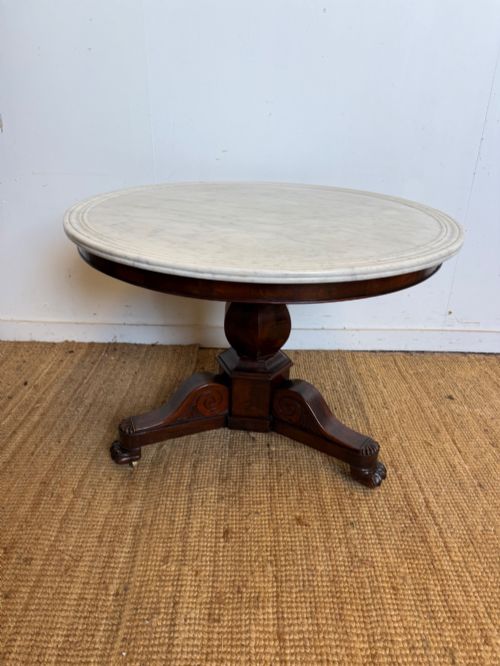
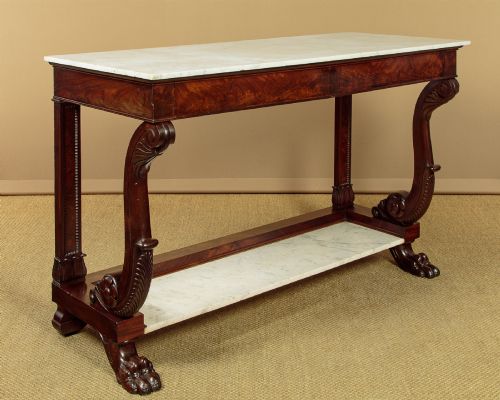
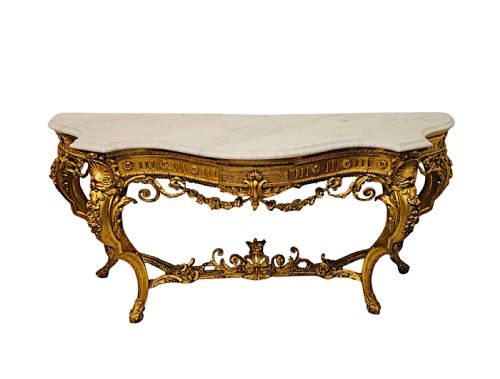
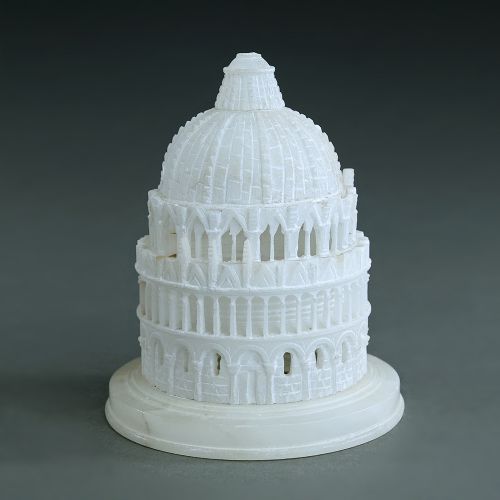
The material appears frequently in pieces originating from the nineteenth century, reflecting both Grand Tour souvenirs and domestic revival styles. Buyers encounter both figural sculpture after classical antiquities and functional items such as side tables and mortars.
Italian workshops feature prominently among the surviving works, alongside English Victorian productions and French furnishings. The items range from small decorative plaques and pedestals to substantial architectural surrounds and church altars.
How they were made
Masons and sculptors worked primarily with statuary stone and fine-grained Carrara marble, utilising chisels, gouges and abrasives to shape the material. Detail work relied on hand filing and polishing to achieve smooth drapery and realistic flesh tones on figural subjects.
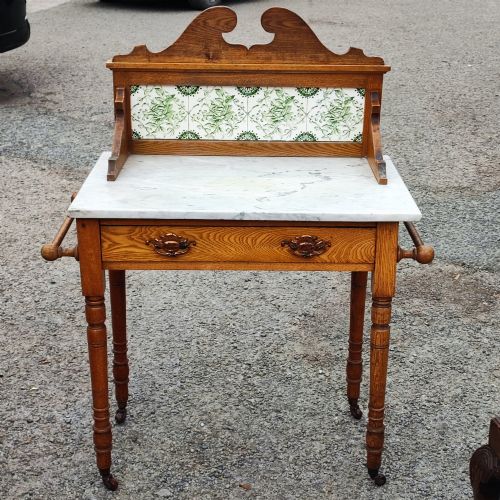
Support elements combined the stone with timber frames such as mahogany, walnut and oak, or incorporated gilded wood and brass mounts. Marble table tops and architectural surrounds were secured with structural brackets and fitted joints tailored to the weight of the stone.
Carved White Marble Retail Price Guide 2026
Typical asking prices for carved white marble among the pieces listed under this phrase on Sellingantiques today, from the lower quarter to the upper quarter. They describe what is for sale here now, not the wider market.
Materials paired with stone include mahogany, walnut, oak, giltwood, alabaster and brass.
What varies in quality
The distinction between ordinary and exceptional carving lies in the depth of undercut details, the naturalism of facial expressions, and the crispness of drapery folds. Master carvers achieved subtle gradations in the stone surface that capture light differently than mechanical reproductions.
Provenance and attribution elevate certain pieces, particularly those signed by documented nineteenth-century sculptors or originating from notable Italian workshops. The clarity of the marble block itself, free from distracting grey veining in statuary grades, dictates the upper tier of quality.
Carlo Albacini·Barranti·Houdon·Eugene Aizelin·J Francis·Boschetti·Auguste Henri Carli·Antonio Canova·Falconet·Pietro Bazzanti·Joseph Chinard
The Carved White Marble Glossary
- Carrara marble
- A type of white or blue-grey stone quarried in the city of Carrara in Tuscany. It has been utilised for centuries by sculptors for its fine grain and relative uniformity.
- Grand Tour
- A traditional trip through Europe undertaken by upper-class young men during the eighteenth and nineteenth centuries. Travellers frequently collected small marble sculptures and architectural models as souvenirs.
- Labrum
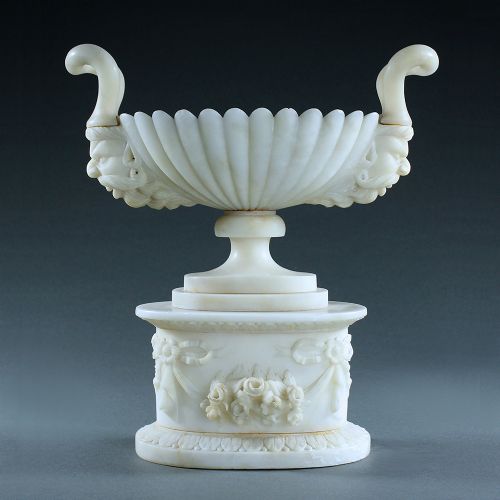
- A large basin or shallow bowl originating from Roman antiquity, often carved from solid marble. Later European iterations imitated these forms for decorative garden or interior display.
- Pietra dura
- An artistic technique utilising inlaid cut and fitted slices of coloured stones to create geometric or pictorial images. This work appears on marble surfaces from Indian traditions.
- Statuary marble
- A pure white grade of stone prized for its lack of heavy veining and smooth texture. It is selected specifically for figural carving and classical busts.
Carved White Marble: Frequently Asked Questions
How do I clean carved white marble?
Dust surfaces regularly with a soft, dry cloth to prevent accumulation in recessed carved details. Avoid acidic cleaning solutions or household detergents that can etch the polished stone surface.
For stubborn marks, use a damp cloth with mild soap followed by immediate drying. Professional conservation is recommended for valuable antique sculptures or friezes.
Can marble tables be placed in direct sunlight?
White marble withstands light well, but intense direct sun can accelerate temperature fluctuations in the stone. Sudden heat changes risk stressing older structural joins where the marble meets wood or gilt bases.
Positioning tables away from intense heat sources protects both the stone and any accompanying timber or gilded frames. Ambient light is sufficient to highlight the natural translucency of the material.
How are antique busts dated?
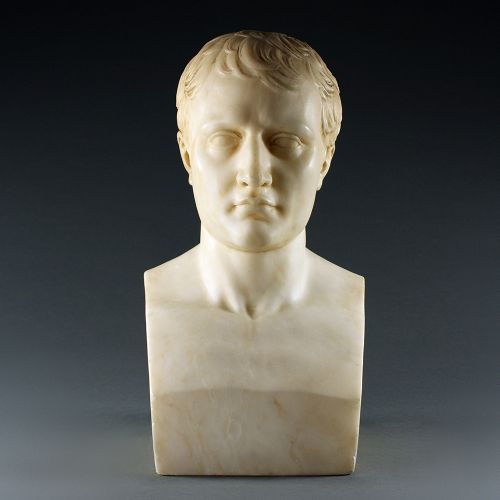
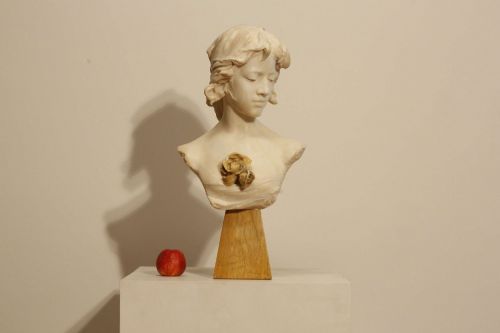
Dating relies on stylistic clues such as clothing, hairstyle, and the carving technique used for the eyes and hair. Inscribed signatures, foundry marks, or contemporary exhibition labels provide definitive chronological anchors.
Comparison with documented works by known sculptors helps narrow the period of creation. The type of marble and mounting hardware also offer clues to the decade of manufacture.
What is a Grand Tour souvenir?
These were portable artworks and antiquities purchased by travellers touring cultural centres like Rome and Florence. They included miniature statues, architectural plaques, and carved stone vessels.
Such pieces allowed collectors to display their classical education and travels upon returning home. They remain collectible markers of nineteenth-century taste and European travel.