








Grand Tour Statue
A grand tour statue brings the classical world directly into the home, offering miniature bronze and marble echoes of antiquity.
What a grand tour statue is
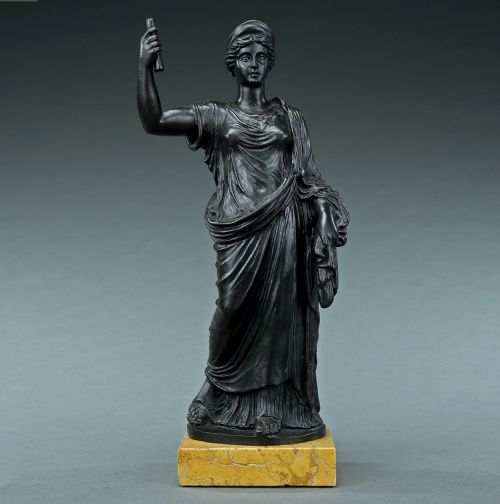
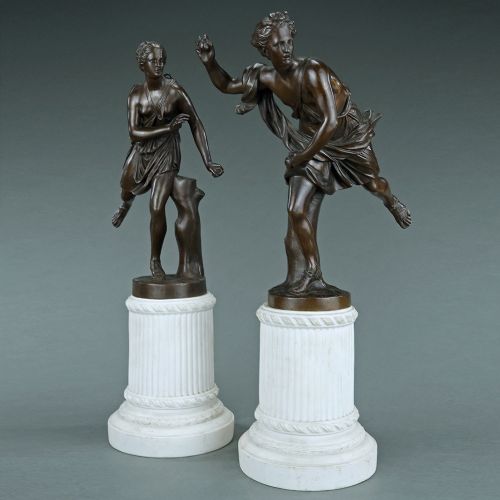
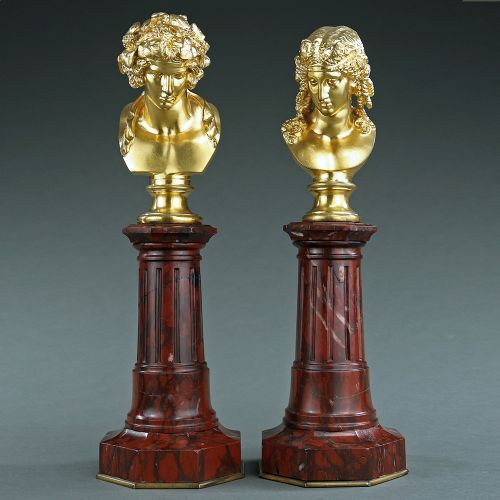
A grand tour statue represents the sculptural souvenirs brought back by travellers exploring the cultural sites of Italy and Europe during the nineteenth century. These pieces capture iconic classical figures, mythological deities, and literary subjects in reduced scale.
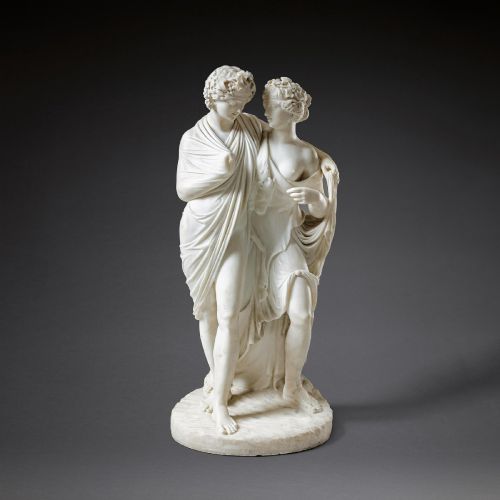
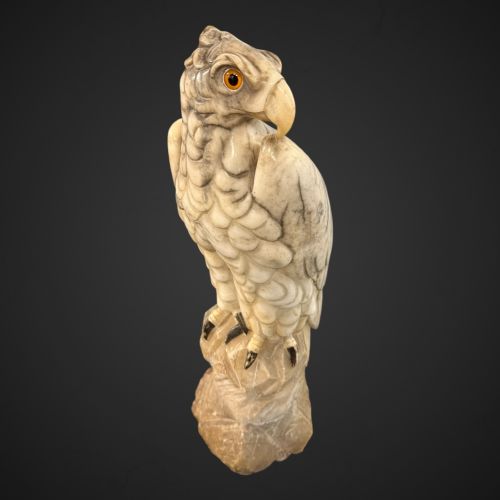
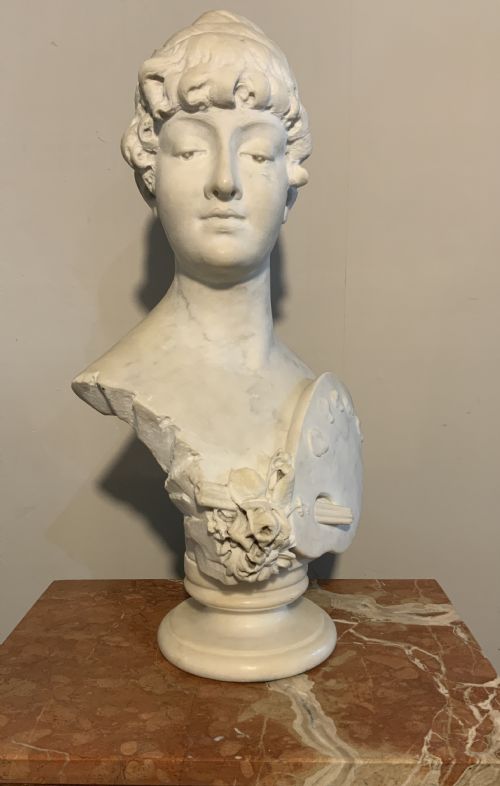
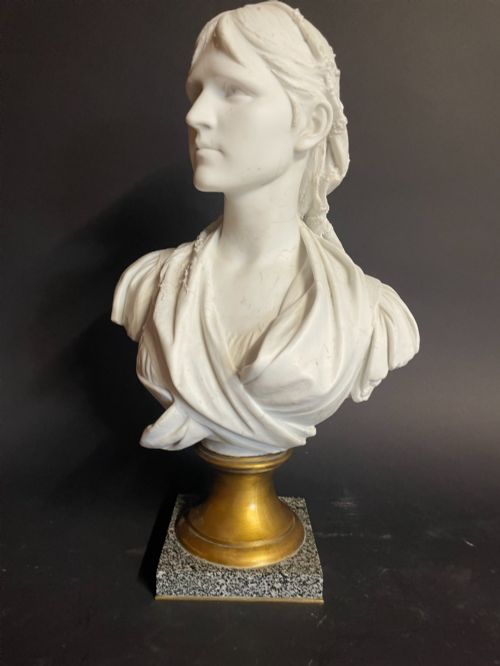
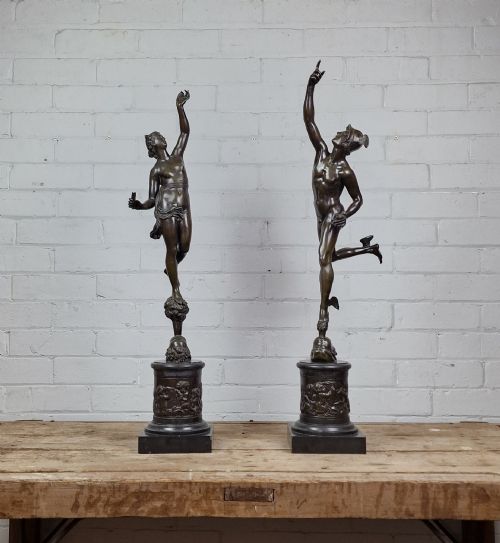
The selections available here predominantly feature nineteenth-century examples cast in bronze, carved from marble and alabaster, or modelled in terracotta and wood. Classical subjects such as Mercury, Venus, and ancient literary figures dominate the forms.
Neoclassical styling dictates the aesthetic, reflecting the period fascination with ancient Greek and Roman art. Buyers encounter both finely cast metal statuettes and substantial stone carvings originating from Italian and French workshops.
How they were made
Metal statuettes utilise traditional lost-wax casting techniques in bronze, often finished with dark patination to mimic excavated antiquities. Foundries in France and Italy executed these reductions with meticulous attention to anatomical detail.
Stone pieces involve hand-carving in white marble and softer alabaster, translating monumental ruins and museum exhibits into cabinet-sized sculptures. Terracotta versions provide modelled alternatives, capturing direct touches of the sculptor before firing.
Retail Price Guide 2026
Typical UK retail prices for grand tour statue, calculated from the Sellingantiques database of over a million retail prices indexed since 2003. This retail price guide relies exclusively on Sellingantiques data; no external sources or auction records are used, so the figures do not describe the wider market.
Materials across these listings span natural stone, cast metal, fired clay, and timber.
What varies in quality
The fidelity of the reduction separates standard souvenir items from exceptional sculptural works. Superior pieces retain the precise proportions, musculature, and facial expressions of the ancient originals.
Casting crispness and surface chasing determine the distinction in metalwork, where sharper lines and hand-finished details indicate skilled foundry work. In stone and terracotta, depth of carving and smooth surface finishing define the higher tier.
Michele Amodio·Bardedienne Foundry
The Grand Tour Statue Glossary
- Lost-wax casting
- A metalworking method where a molten metal is poured into a mould that has been created by means of a wax model. This technique allows for intricate detail and complex undercuts in bronze statuettes.
- Patination
- The chemical or natural coloration applied to the surface of bronze sculptures. Different chemical treatments create dark brown, green, or black tones that simulate the aged appearance of ancient bronzes.
- Neoclassical
- An artistic movement drawing inspiration from the classical art and culture of ancient Greece and Rome. This style heavily influences the proportions, subject matter, and idealized forms of these sculptures.
- Terracotta
- Unglazed or glazed fired clay used for sculptural modelling. The material allows artists to capture direct tactile impressions before the firing process hardens the clay permanently.
Frequently Asked Questions
What is a grand tour statue?
A grand tour statue is a miniature or reduced-scale sculpture collected by travellers during their educational tours of Europe, particularly Italy, in the eighteenth and nineteenth centuries.
These pieces typically depict famous classical sculptures housed in European museums or archaeological sites, cast in bronze or carved in stone for private display.
How were grand tour statues used?
Travellers used these sculptures as tangible reminders of their cultural education abroad, displaying them in libraries, studies, and drawing rooms upon their return home.
Some robust bronze examples also served functional purposes in domestic interiors, operating occasionally as heavy doorstops alongside their decorative display.
How do I care for marble and bronze?
Bronze statues require minimal maintenance beyond gentle dusting with a soft, dry cloth to prevent dust accumulation on the patinated surface.
Marble and alabaster demand careful handling with non-abrasive cloths, avoiding liquid cleaners that might penetrate or damage the porous stone.
How can I tell the period?
Nineteenth-century pieces often exhibit specific foundry marks, signatures of known carvers, or patination styles characteristic of European workshops from that era.
The materials, casting methods, and tool marks on the stone bases also offer clues regarding the manufacturing date and geographic origin.