
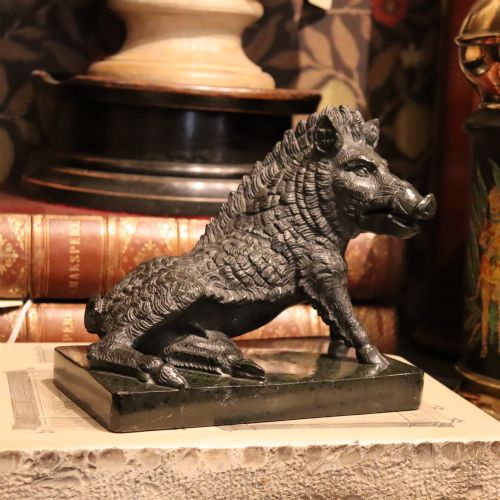
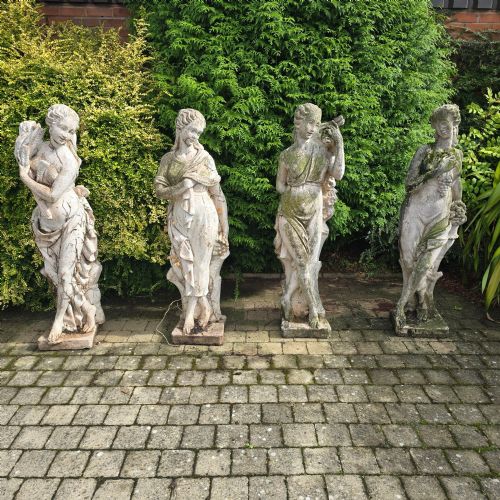
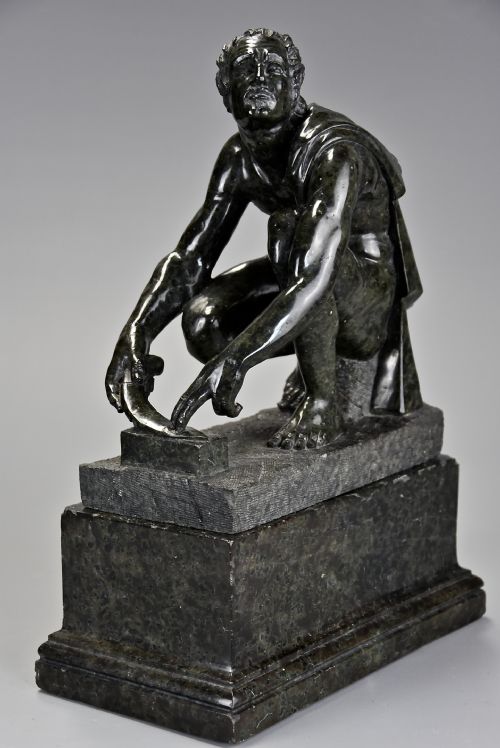
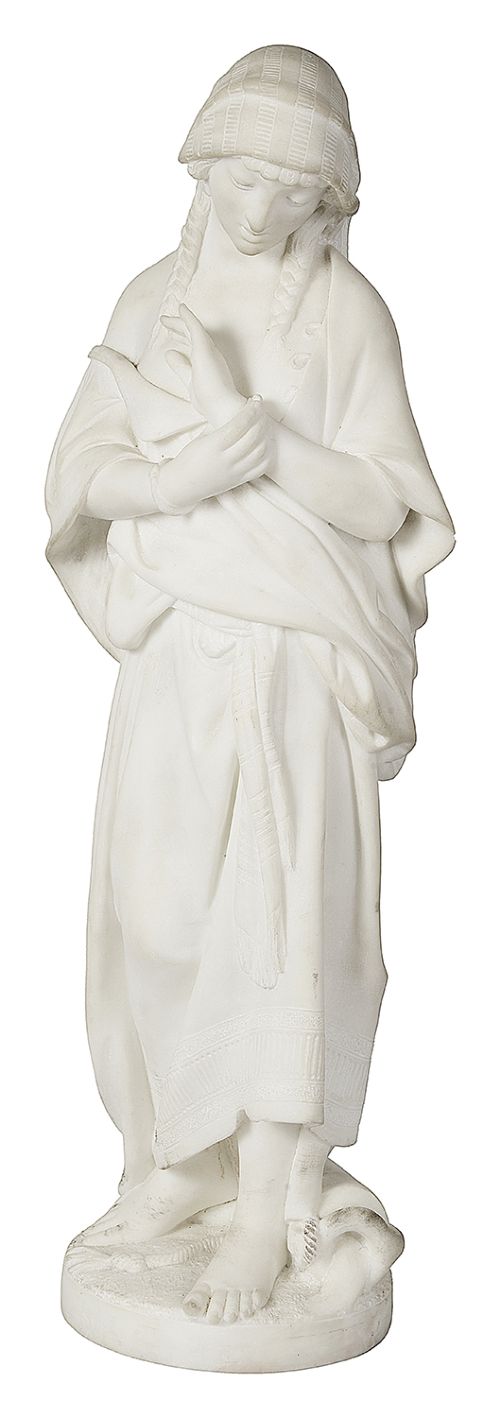

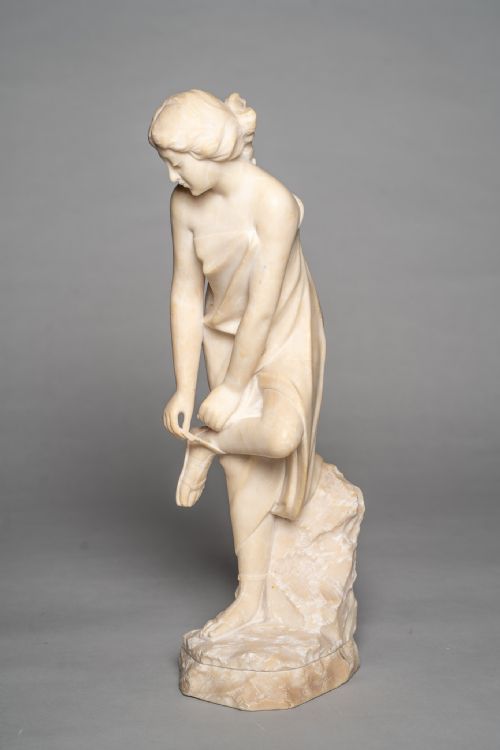

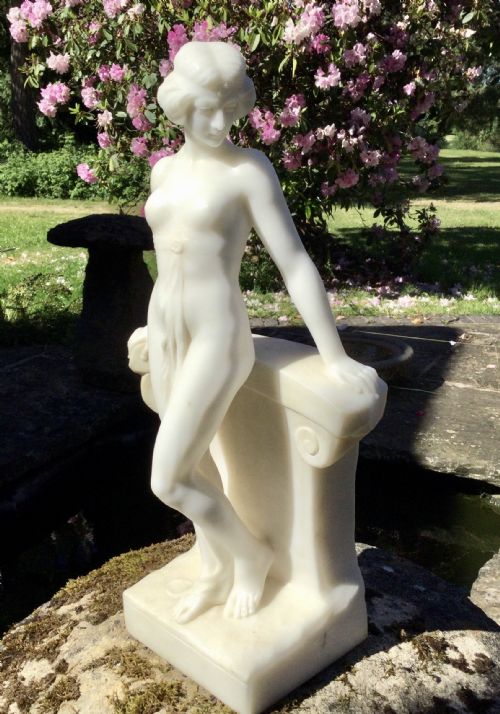
Classical Stone Figure
When you handle a classical stone figure, you hold centuries of sculpted myth and portraiture, shaped to bring antique grace to any interior or garden.
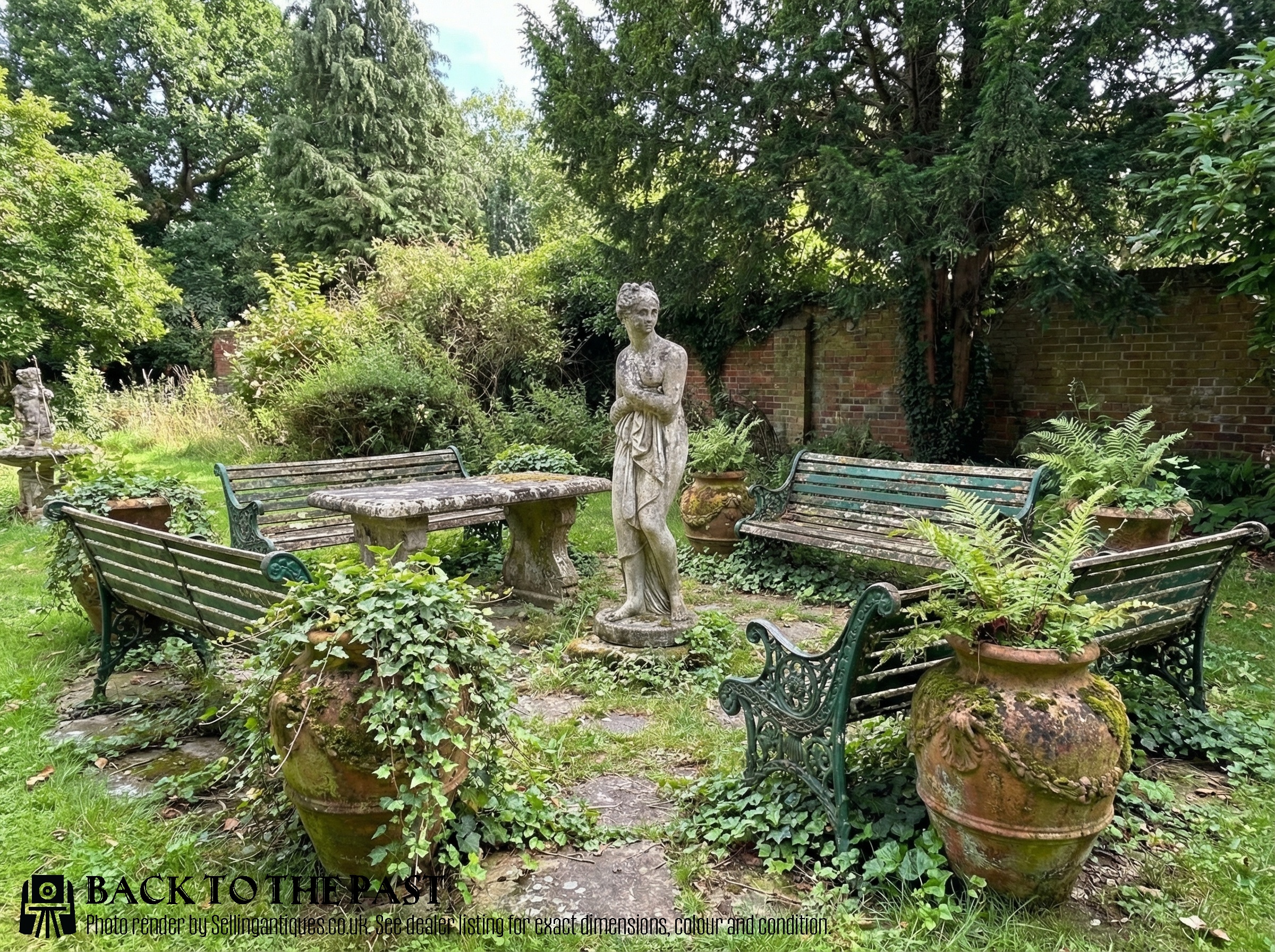
Classical Stone Figure
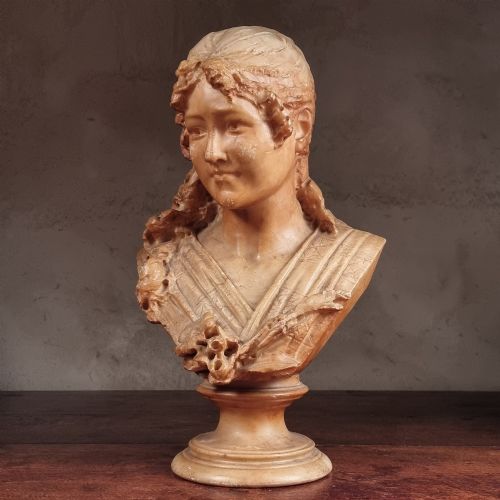
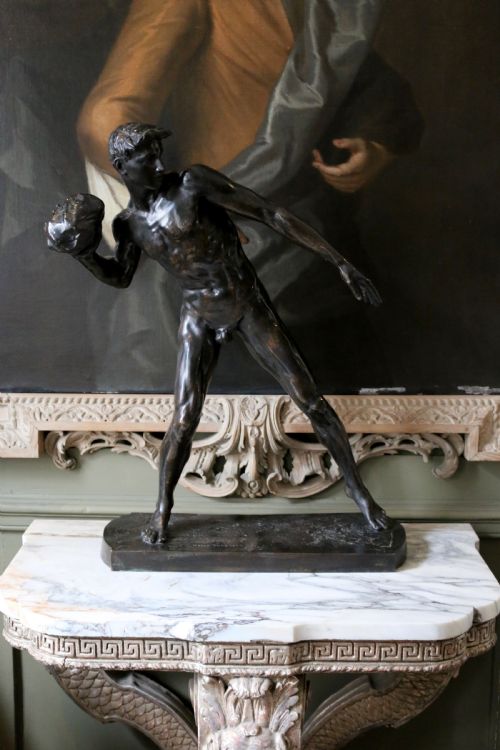
A classical stone figure embodies carved representations of human forms, mythical subjects, and garden ornaments derived from antiquity. These pieces draw heavily on Neoclassical, Classical Revival, and Grand Tour traditions originating from Italian and French workshops.
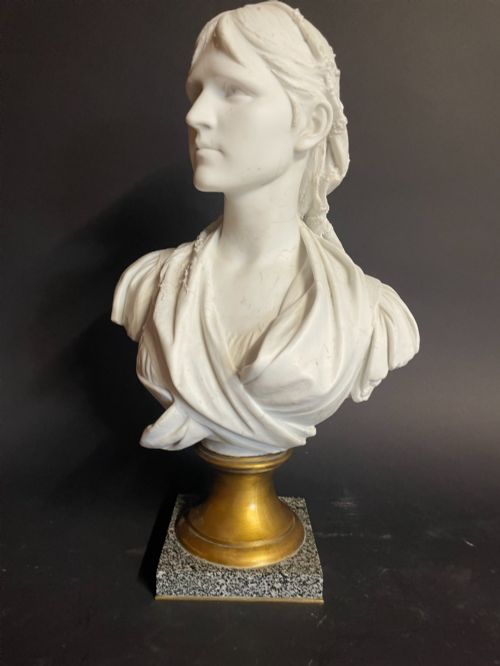
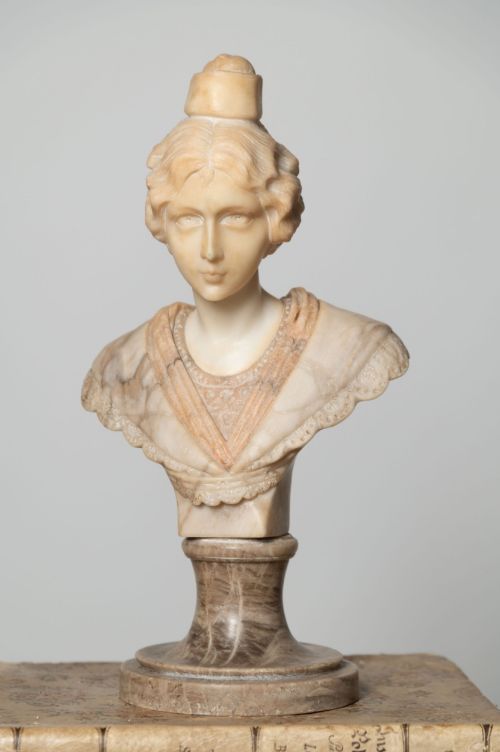
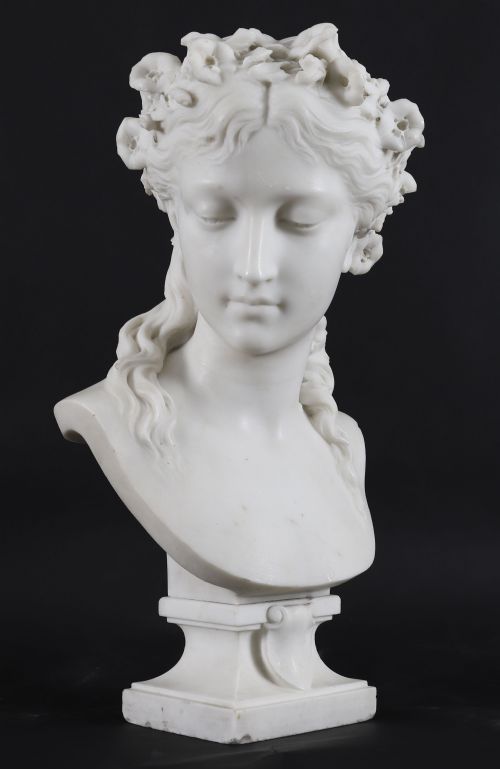
Buyers encounter everything from life-sized garden statues and mythological figures to cabinet-sized portrait busts of literary figures and maidens. The selection spans production periods from the seventeenth century through the mid-twentieth century.
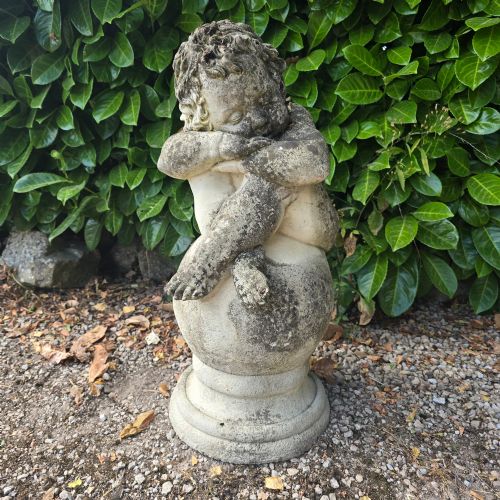
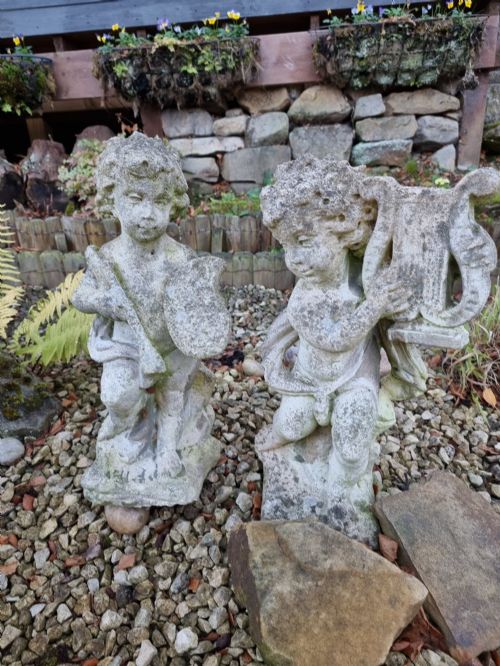
Indoor portrait busts and library figures sit alongside garden cherubs, lions, and seasonal representations designed for exterior placement. Each object reflects historical reverence for classical sculpture adapted for domestic and landscape display.
How they were made
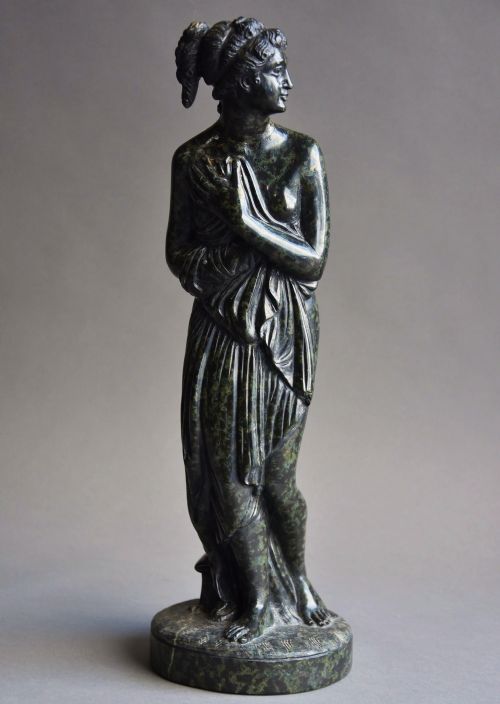
Carvers shaped these pieces from various mineral mediums, predominantly white marble, Carrara marble, veined serpentine, and fine translucent alabaster for indoor works. Exterior and garden ornaments utilised more robust materials including cast stone, reconstituted stone, concrete, and standard stone.
Workshops employed traditional chisel and hand-polishing methods for carved marble and alabaster sculptures, allowing for fine facial detailing and smooth drapery folds. Cast or reconstituted stone garden pieces relied on moulds to capture durable architectural forms.
Classical Stone Figure Retail Price Guide 2026
Typical asking prices for classical stone figure among the pieces listed under this phrase on Sellingantiques today, from the lower quarter to the upper quarter. They describe what is for sale here now, not the wider market.
Materials across the selection range from fine Carrara marble and alabaster to robust cast stone, concrete, and reconstituted stone.
What varies in quality
The degree of anatomical precision and expressive depth in the carving separates standard workshop output from exceptional studio pieces. Master carvers captured subtle tension in muscle, delicate textile textures, and lifelike facial expressions.
Material selection dictates the visual fidelity, with pure white Carrara marble and finely grained alabaster offering superior translucency compared to coarser stones. Weathering and surface patina on garden pieces further influence the visual character of outdoor ornaments.
Barranti·Hamo Thornycroft·Antonio Canova·Eugene Aizelin·Carrier-Belleuse·Fritz Kochendorfer
The Classical Stone Figure Glossary
- Grand tour
- A cultural journey undertaken by European nobility through France and Italy, bringing home classical sculptures and architectural models. These souvenirs often replicated famous antiquities.
- Neoclassical
- A style reviving the aesthetic of classical Greece and Rome, prominent in sculpture and architecture during the eighteenth and nineteenth centuries. It prioritises proportion, restraint, and classical themes.
- Carrara marble
- A type of white or blue-grey marble from the city of Carrara in Tuscany, widely used for monumental sculpture since classical times. It is prized for its fine grain and consistent texture.
- Alabaster
- A fine-grained mineral stone, soft enough to carve with intricate detail and possessing a natural translucence. It appears frequently in nineteenth-century indoor busts and small figures.
- Reconstituted stone
- A composite material made from crushed stone aggregated with a binder, moulded to replicate natural carved stone. It provides durability for garden statues and architectural ornaments.
Classical Stone Figure: Frequently Asked Questions
Where should I place a marble bust?
Indoor marble and alabaster pieces suit stable environments away from direct sunlight and rapid temperature shifts, which can stress the stone over time.
Display them on sturdy pedestals, library shelves, or mantelpieces where adequate lighting highlights the carved contours and surface finish.
Can garden statues stay outside in winter?
Cast stone, concrete, and reconstituted stone garden ornaments withstand exterior placement, but freezing moisture can occasionally cause surface cracking.
Covering vulnerable pieces during harsh frost or relocating smaller figures indoors helps preserve the stone structure through winter.
How do I clean carved stone?
Dust indoor marble and alabaster gently with a dry, soft cloth, avoiding commercial chemical cleaners that might strip historical patina.
Garden figures tolerate mild soap and water with a soft brush to remove organic growth without eroding the outer surface.
What defines Grand Tour pieces?
Grand Tour sculptures were produced in nineteenth-century Italy and France as high-end souvenirs replicating famous ancient statues for travelling collectors.
These pieces demonstrate exceptional miniature carving skill, often utilising specialised local stones like serpentine or verdo prato.