

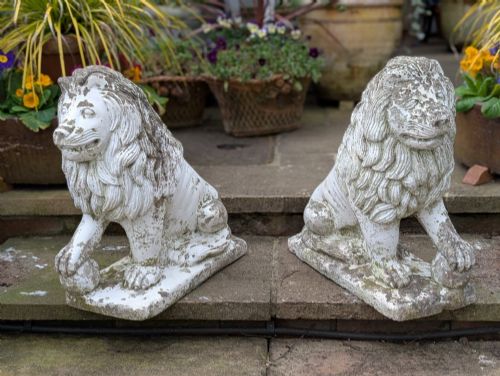
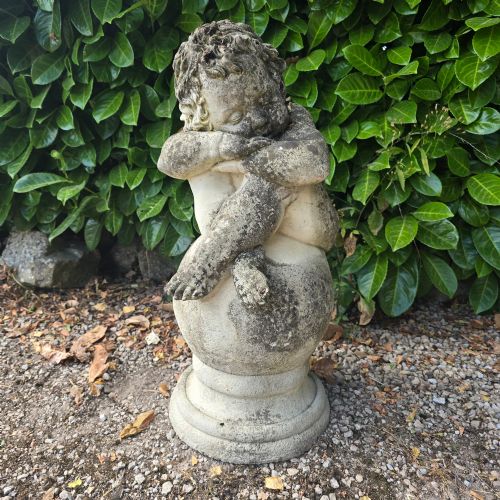
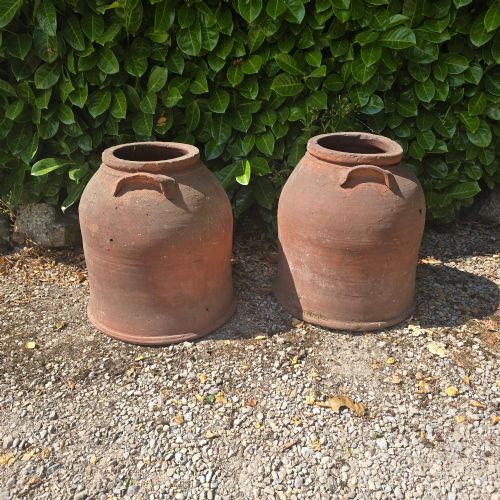
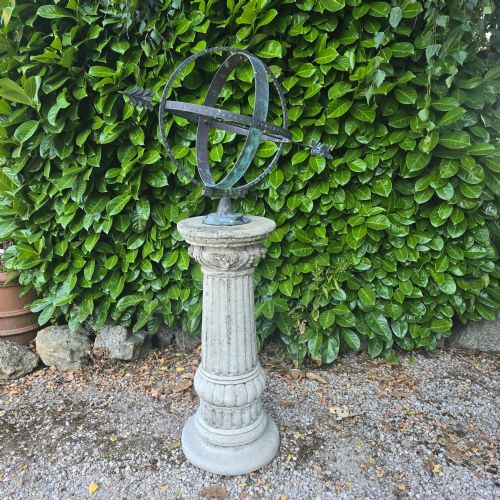
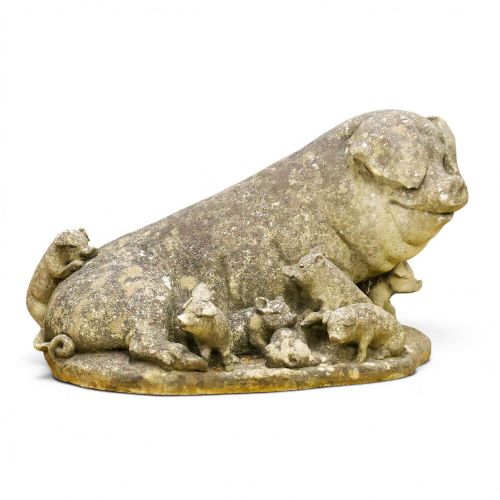
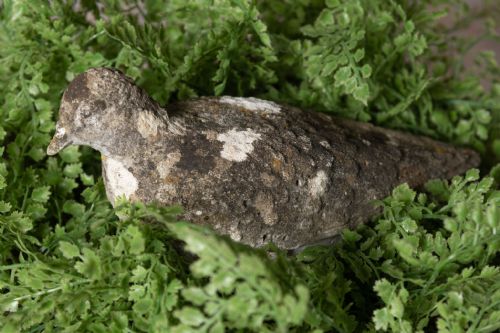
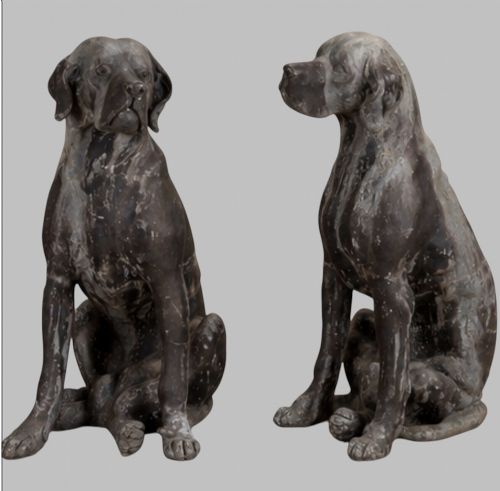
Vintage Garden Ornament
These vintage garden ornament pieces bring weathered stone and iron character to outdoor spaces, offering classical presence for modern grounds.
What vintage garden ornament pieces are
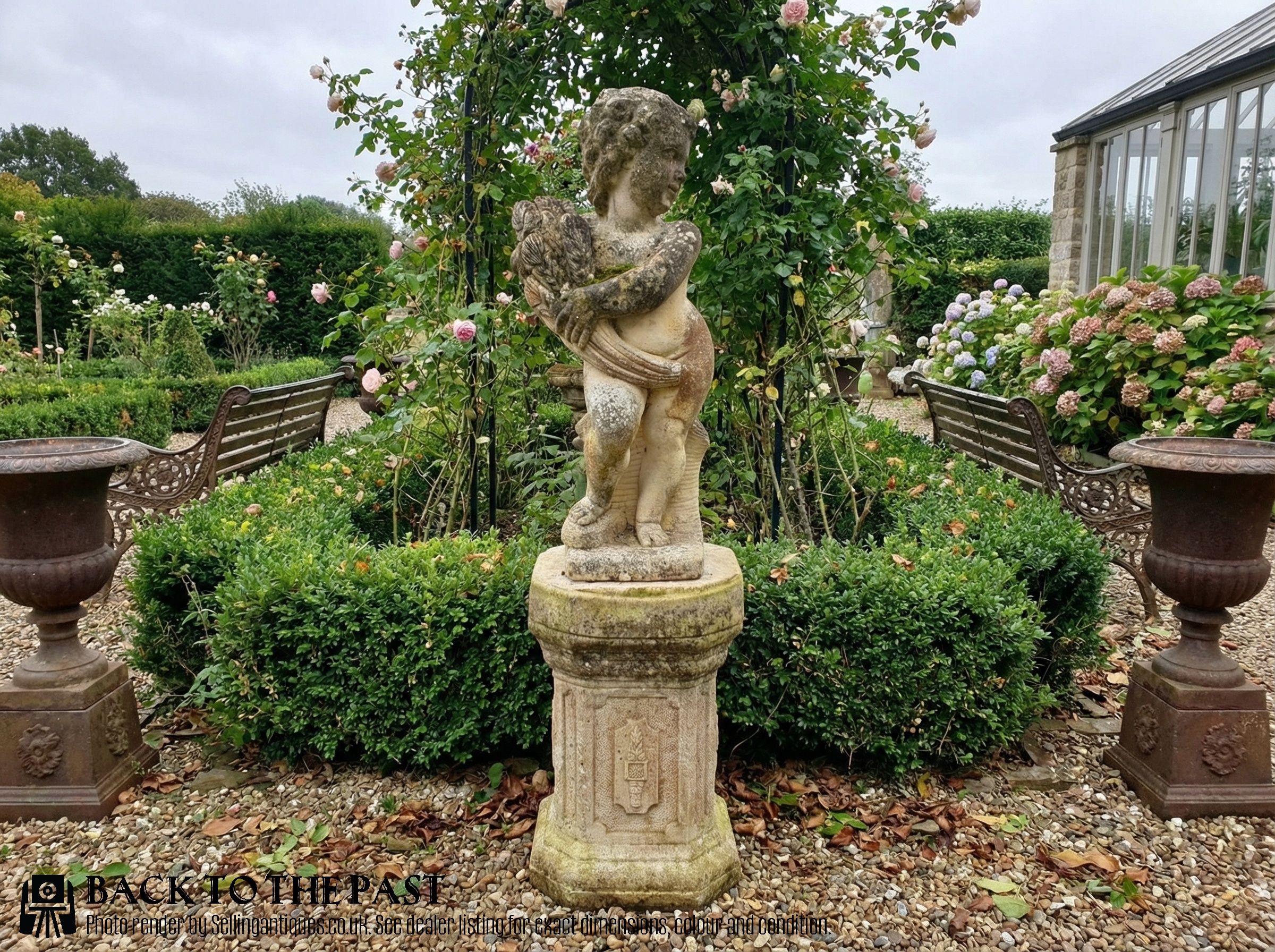
A vintage garden ornament transforms an outdoor space through classical forms and substantial weight, bringing aged statuary and planters into the landscape. Buyers seeking this phrase encounter pieces shaped from stone and iron that carry the patina of decades outdoors.
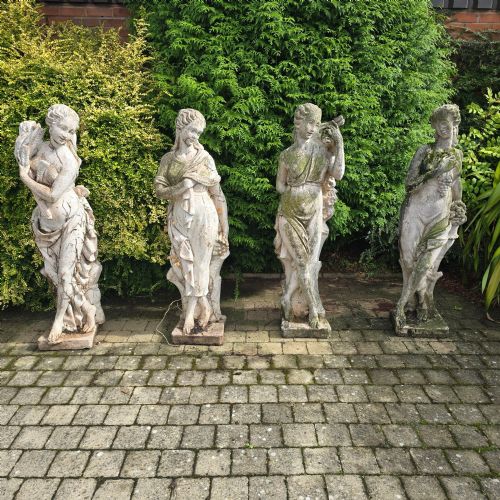
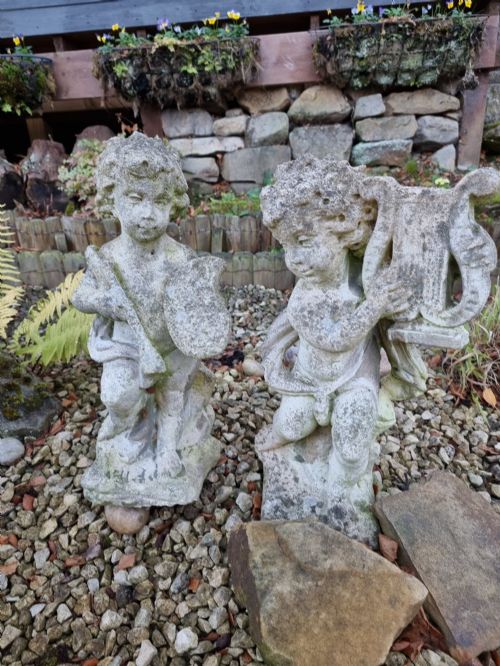
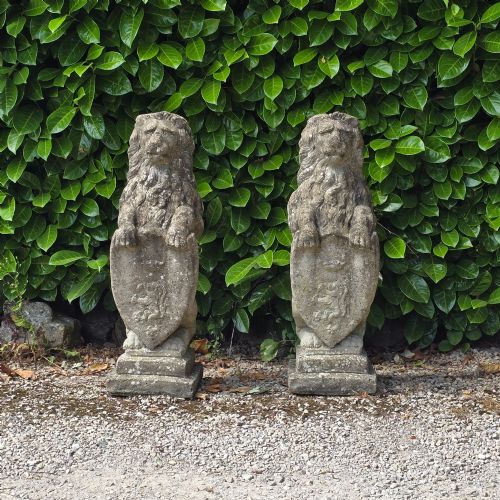
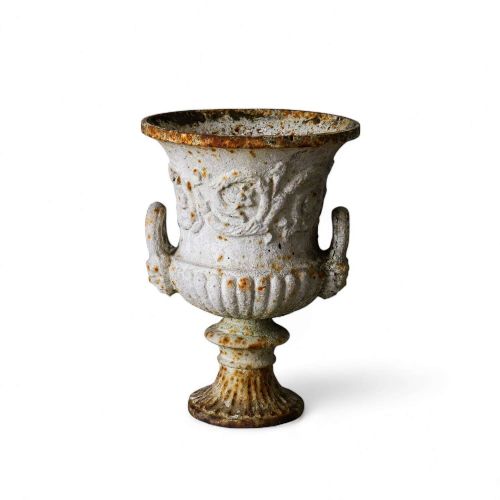
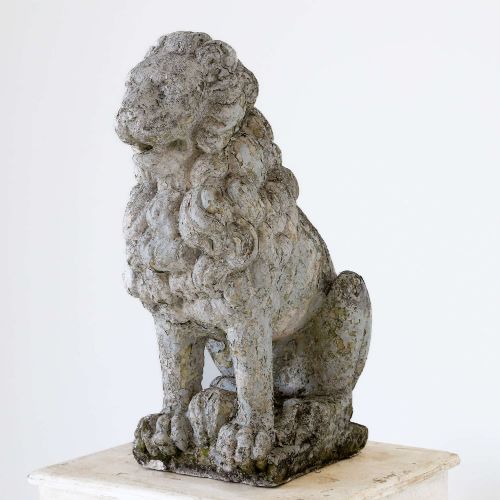
Forms range from life-sized figural statues and heraldic animals to busts on plinths and urns on pedestals. Most examples utilise robust mineral compounds or cast metal designed to weather naturally in the open air.
How they were made
Makers shaped these pieces using durable aggregate mixtures including reconstituted stone, cast stone, composite stone, and composition stone. These mineral compositions allowed workshops to cast complex classical details with high structural mass.
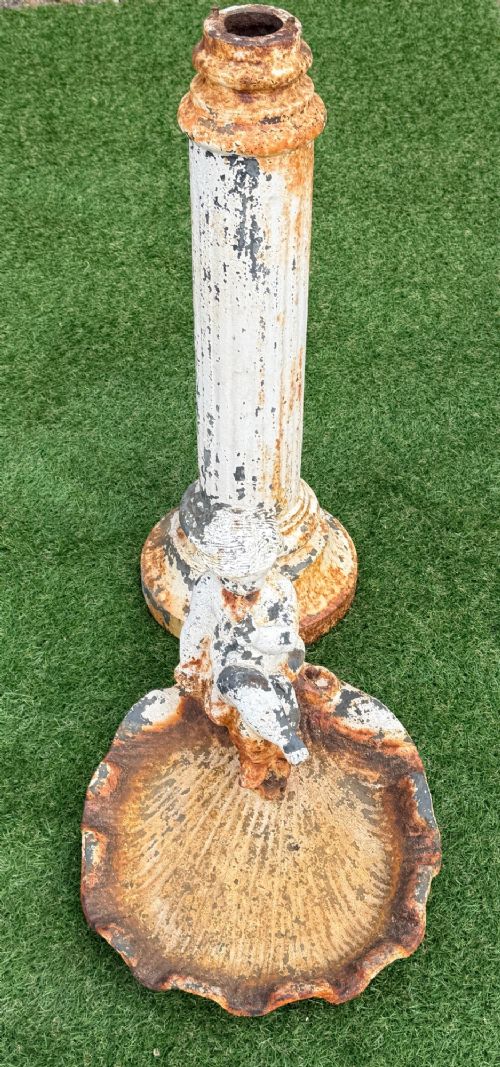
Metal items in the selection utilise cast iron, poured into moulds to create heavy functional forms like garden cannons. Surface treatments include original old paint applied to stone substrates, which has weathered over time.
Retail Price Guide 2026
Typical UK retail prices for vintage garden ornament, calculated from the Sellingantiques database of over a million retail prices indexed since 2003. This retail price guide relies exclusively on Sellingantiques data; no external sources or auction records are used, so the figures do not describe the wider market.
Listings span the period from nineteen twenty to nineteen fifty, incorporating styles from neoclassical revival to traditional twentieth century design.
What varies in quality
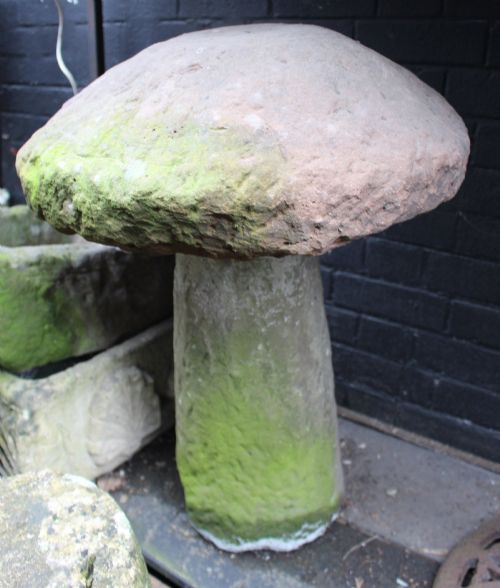
The character of the surface skin dictates visual success, where decades of exposure create natural patination across stone and iron. Heavier masses and substantial proportions command greater presence in a garden setting.
The Vintage Garden Ornament Glossary
- Composite Stone
- A manufactured stone material combining aggregate and binders to simulate natural quarried stone. It provides high durability for exterior statuary.
- Neoclassical
- A stylistic revival drawing on ancient Greek and Roman art forms. This aesthetic informs the statues, busts, and urns found across the period.
- Plinth
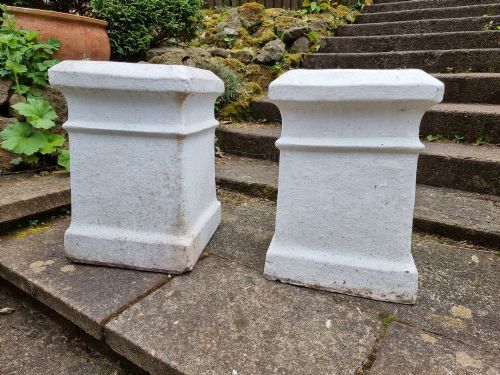
- A heavy architectural base supporting a bust, statue, or urn. It elevates the ornament above ground level to create a focal point in the garden.
- Patina
- The surface alteration and weathering acquired by stone and iron over decades outdoors. It indicates age and environmental exposure.
Frequently Asked Questions
How do I place heavy stone ornaments safely?
These heavy pieces require a level, firm foundation of compacted gravel or paved stone to prevent shifting over time. Distributing the weight prevents sinking into soft garden soil.
Position statues and urns where structural support matches their mass, particularly for life-sized figures and items mounted on plinths.
Can cast iron garden items stay outside in winter?
Cast iron elements handle cold weather well, though checking for moisture accumulation in hollow cavities prevents frost damage. Positioning them on hard standings keeps moisture absorption low.
Regular observation of painted iron surfaces helps maintain the metal beneath seasonal temperature swings.
What is the difference between reconstituted and cast stone?
Reconstituted stone and cast stone both utilise crushed aggregate bonded in moulds, though specific aggregate recipes vary by workshop and period. Both materials offer robust weather resistance for outdoor architectural ornaments.
Over decades of exposure, these stone compositions develop comparable weathered textures.