

Antique Stone Urn
An antique stone urn anchors a garden terrace or a grand interior room with classical presence and enduring geological weight.
What these pieces are
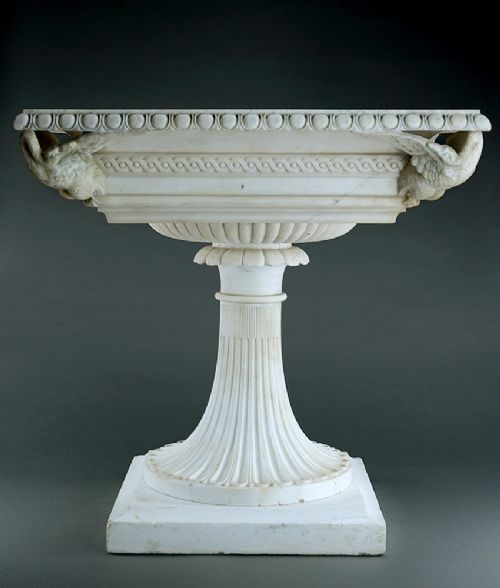
An antique stone urn brings classical architectural form directly into domestic and garden spaces, drawing on ancient Mediterranean precedents. When you search for an antique stone urn, you encounter substantial garden vessels and smaller decorative objects shaped by classical ideals.
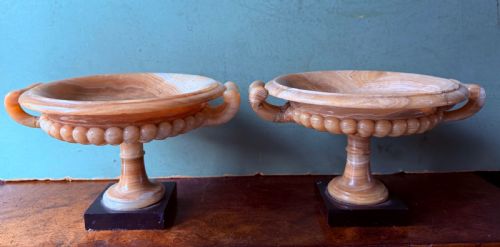
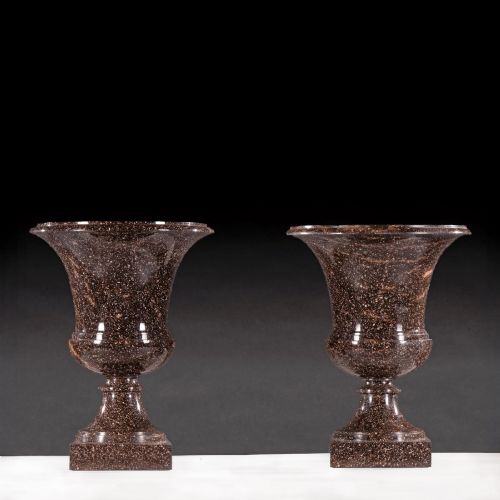
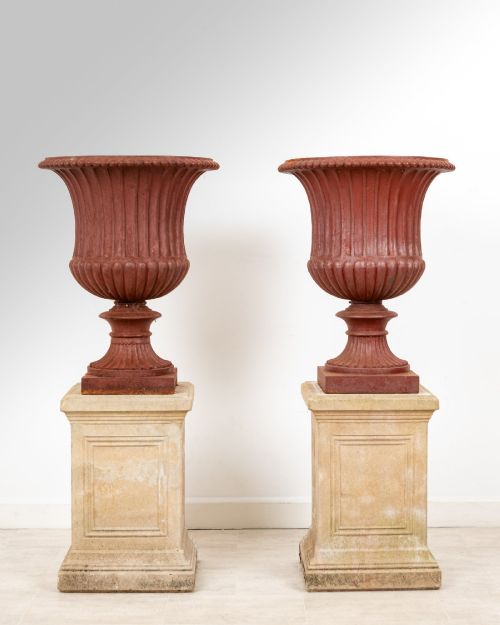
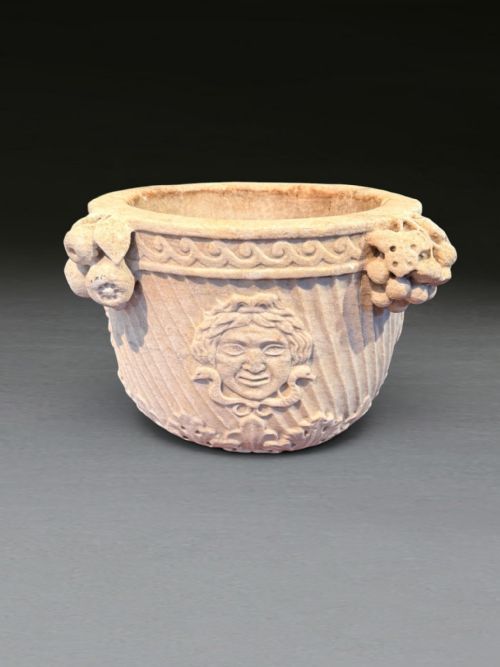
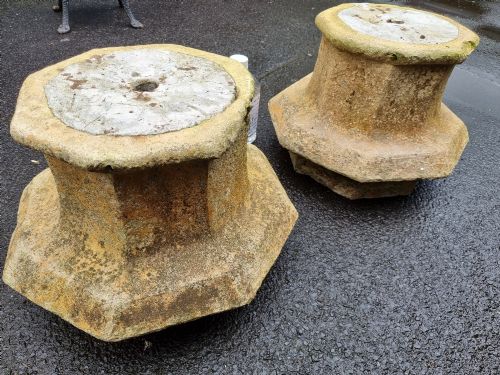
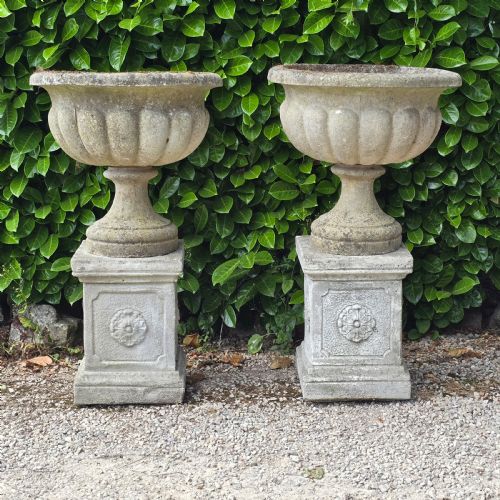
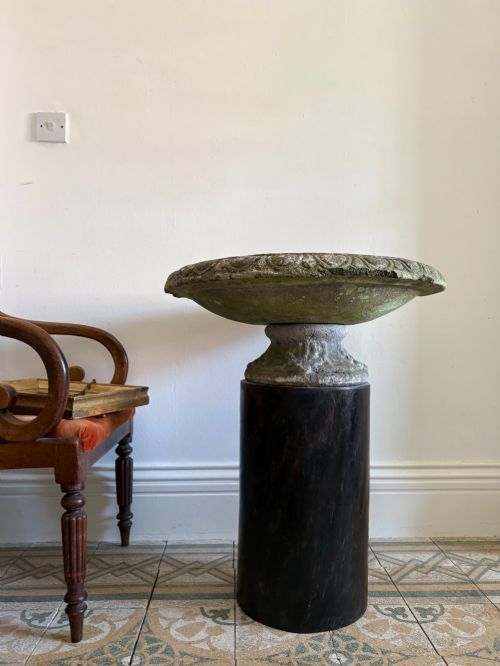
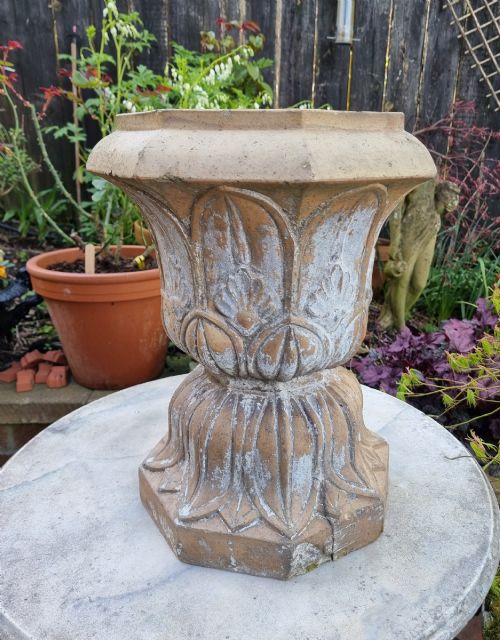
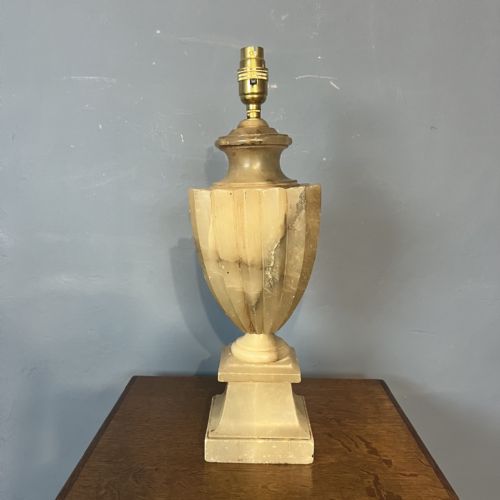
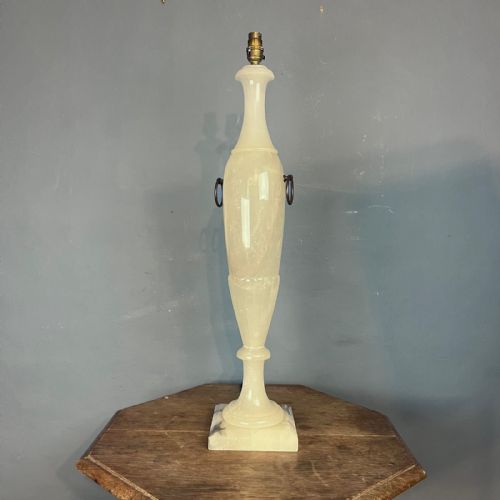
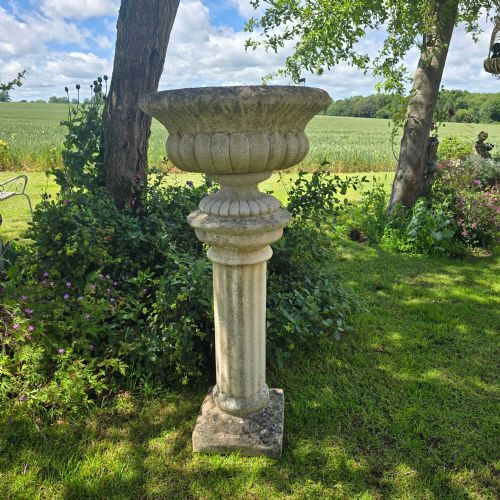
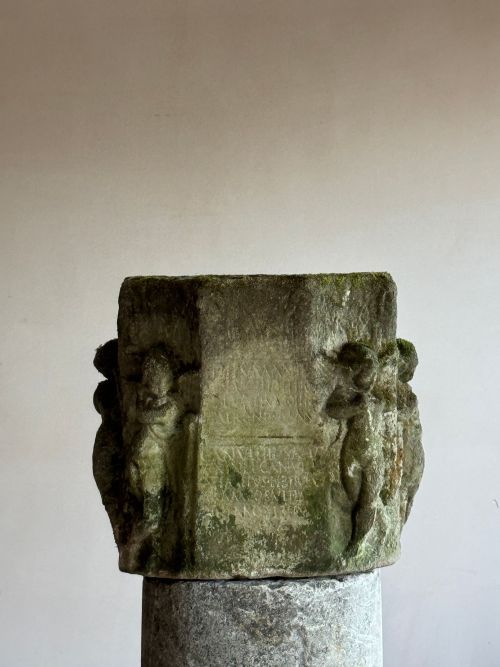
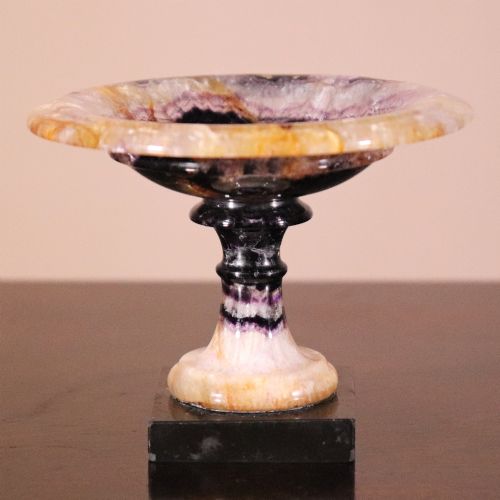
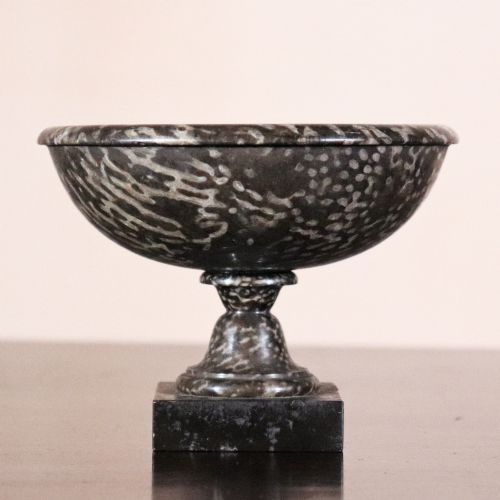
The pieces appearing in this category span the nineteenth century and the year nineteen thirty. They take the form of decorative urns, garden urns and planters, and shallow tazza vessels designed for display.
Origins and styles reflect the enduring appeal of the Grand Tour and nineteenth century neoclassical taste. You will find grand garden pedestals alongside cabinet-sized decorative pieces worked in rich mineral specimens.
How they were made
Makers utilised cast stone, reconstituted stone, and hand-carved natural limestone for robust garden vessels built to weather the elements. These durable materials allowed for crisp moulding and detailed hand-finishing across large pedestals and planters.
For cabinet display, artisans turned to harder mineral materials including Ashford black marble, slate, and solid malachite. These decorative urns and tazza forms were frequently mounted with cast or gilt ormolu details to contrast with the polished stone surfaces.
Retail Price Guide 2026
Typical UK retail prices for stone urn, calculated from the Sellingantiques database of over a million retail prices indexed since 2003. This retail price guide relies exclusively on Sellingantiques data; no external sources or auction records are used, so the figures do not describe the wider market.
Nineteenth-century tourists packed fragile malachite tazza into luggage alongside laundry to survive bumpy carriage rides home.
What varies in quality
Quality rests in the precision of the carving and the purity of the material selection, distinguishing mass-produced garden castings from exceptional hand-carved limestone. Superior pieces show a crispness in classical drapery, fluting, and foliate details that softer or eroded casts simply lack.
In cabinet specimens, the richness of the mineral figure and the tightness of the joinery dictate the standing of the work. The integration of bronze or ormolu mounts with marble or malachite bodies reveals the ambition of the original workshop.
Selim Bright
The Antique Stone Urn Glossary
- Grand Tour
- A traditional trip through Europe undertaken by upper-class young men to absorb classical art and antiquities. This cultural phenomenon directly inspired the creation of miniature marble and mineral urns brought home as souvenirs.
- Tazza
- A shallow saucer-like dish mounted on a stem and foot, used historically for display or serving. In stone and marble, these decorative vessels highlight the natural grain of the material.
- Ashford Black Marble
- A dense, dark limestone from Derbyshire that takes a brilliant black polish and accepts inlaid decoration. Artisans used it to create striking neoclassical cabinet pieces.
- Ormolu
- Gilded bronze mounts applied to furniture and decorative stone objects during the eighteenth and nineteenth centuries. The warm metallic finish contrasts sharply with cool green malachite and black marble.
- Reconstituted Stone
- A composite material made from crushed natural stone and a binder, cast in moulds to replicate carved masonry. It allowed makers to produce durable garden urns with consistent classical proportions.
Frequently Asked Questions
Where should I place a stone urn?
Large cast and limestone urns suit garden terraces, patio focal points, and formal lawns where they can withstand weather and anchor outdoor sightlines.
Smaller marble and malachite examples belong indoors on side tables, mantels, or within cabinets where their fine mineral surfaces remain protected.
What is cast stone versus limestone?
Cast stone and reconstituted stone are moulded composite materials made from aggregate and binders, offering uniform durability for garden ornaments. Hand-carved limestone is cut directly from natural sedimentary rock by a stonemason.
Carved limestone displays unique tool marks and natural geological variations that reveal direct hand labour.
How do I care for antique stone?
Garden urns in cast stone or limestone benefit from gentle washing with water to clear moss and debris without eroding the outer surface. Harsh chemical cleaners can damage historical masonry and alter the patina.
Indoor mineral specimens like malachite and marble require only a soft dry cloth to remove dust and preserve their high polish.