
Grand Tour Urn
When you search for a grand tour urn, you enter a tradition of classical souvenir collecting that spanned eighteenth and nineteenth century Europe.
Grand Tour Urn
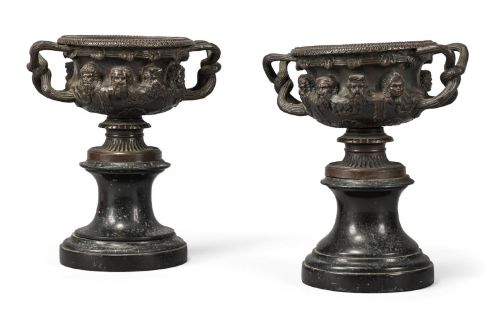
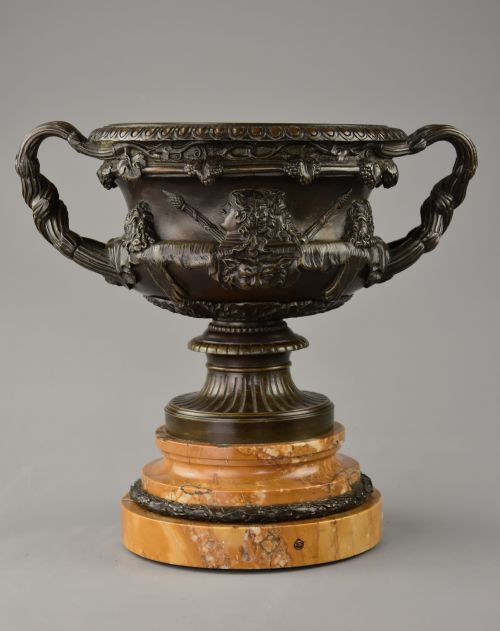
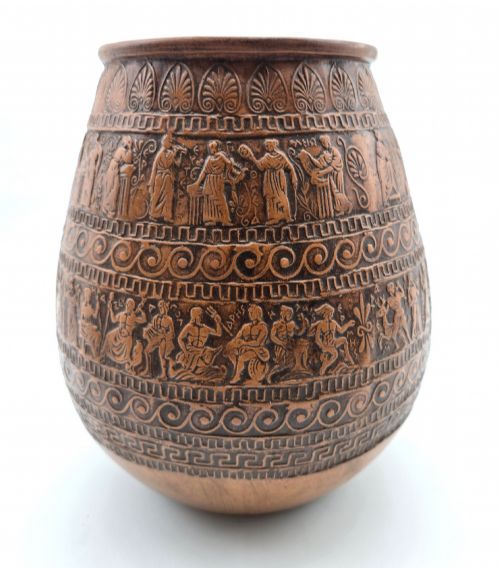
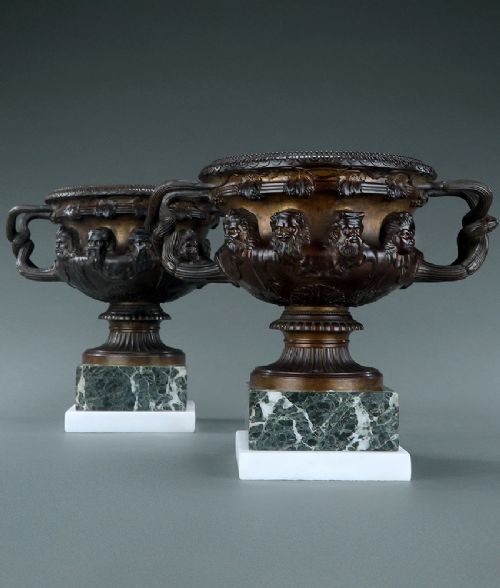
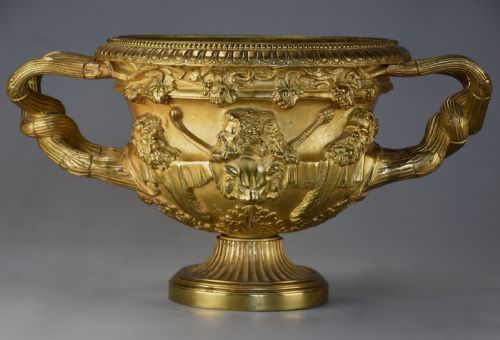
A grand tour urn represents a miniature bronze or marble reduction of classical antiquity, collected by travellers returning from Italy and Greece. These decorative vessels emulate famous ancient models such as the Warwick vase or the Borghese vase, bringing classical sculpture into nineteenth-century domestic interiors.
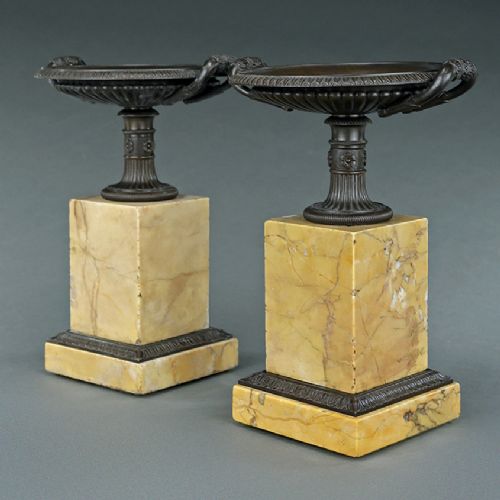
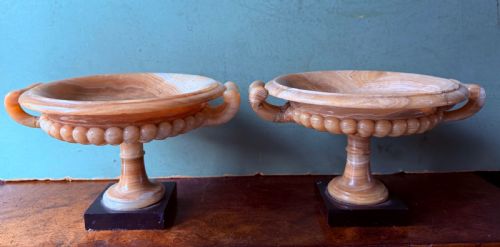
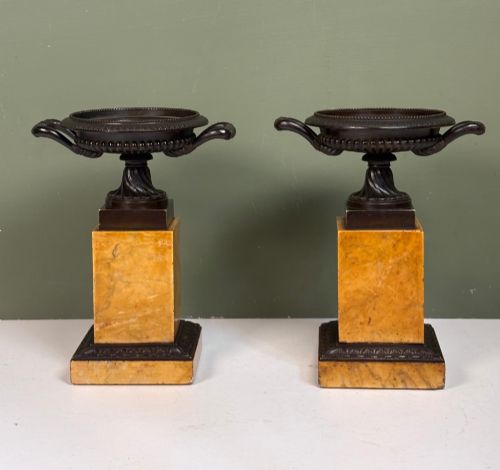
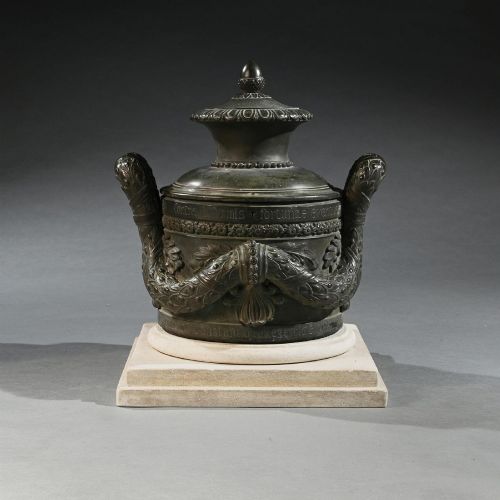
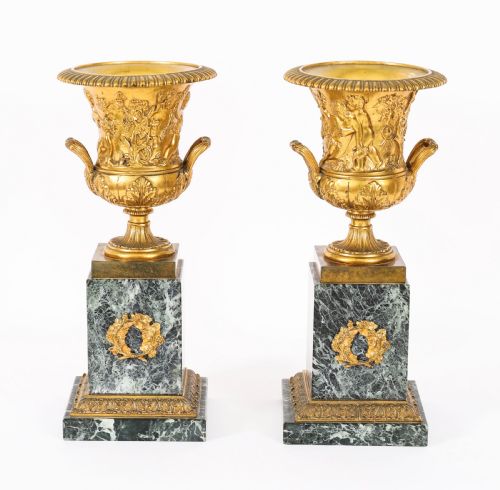
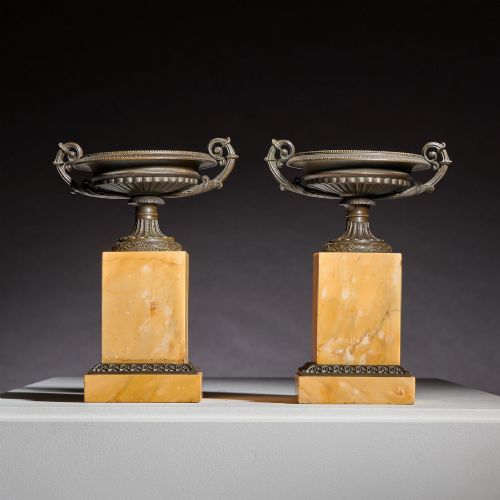
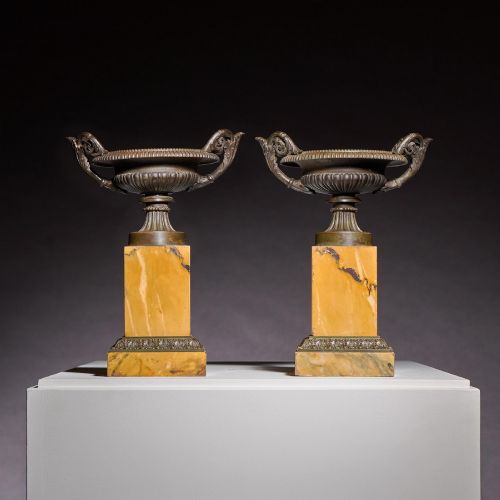
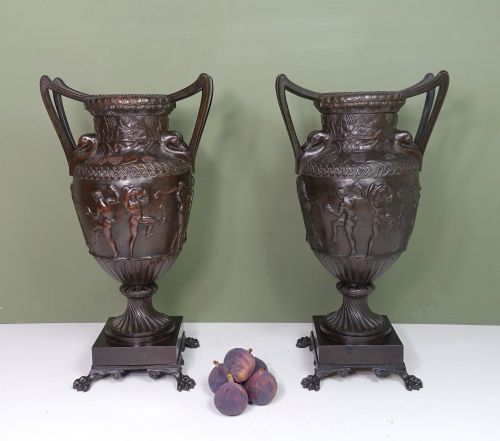
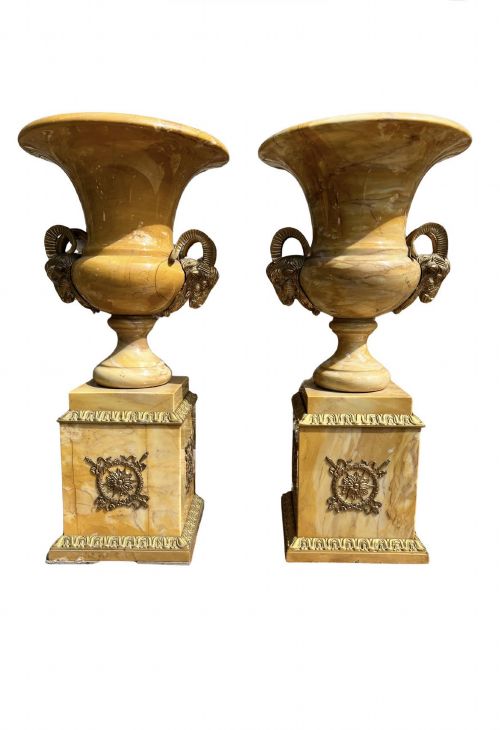
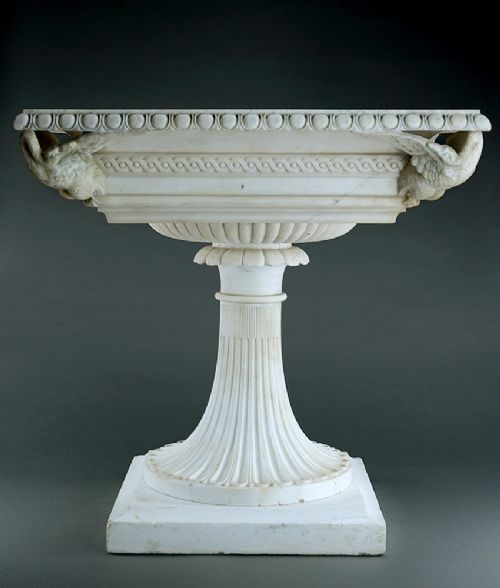
The objects on this page span the eighteenth and nineteenth centuries, including the Regency and Victorian periods. Buyers encounter various forms, from campana-shaped urns and tazzas to ewers and pedestal vases, executed in patinated bronze, ormolu, and various marbles.
Materials and Construction
Foundries utilised lost-wax casting for bronze components, creating detailed patinated or gilt surfaces that mimic excavated antiquities. Craftsmen turned and carved dense stones such as Sienna marble, white marble, and alabaster on lathes to form the plinths, bases, and bodies.
Mounts in ormolu and gilt bronze provide structural contrast and decorative detail, secured with threaded bolts or pins. The combination of cold-worked metal and polished stone defines the physical integrity of these pieces.
Grand Tour Urn Retail Price Guide 2026
Typical asking prices for grand tour urn among the pieces listed under this phrase on Sellingantiques today, from the lower quarter to the upper quarter. They describe what is for sale here now, not the wider market.
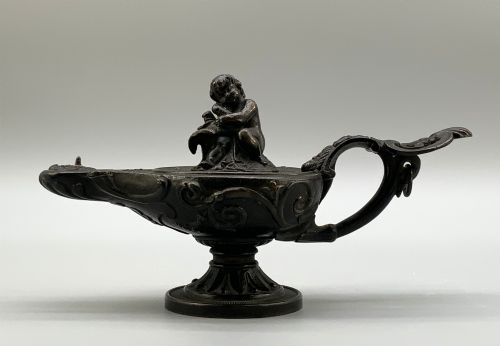
Some nineteenth-century travellers repurposed their classical souvenirs, converting ancient-style bronze ewers into functional table lamps.
Assessing Quality and Execution
Quality rests in the crispness of the bronze chasing and the depth of the casting detail. Superior examples retain fine anatomical rendering on figural handles and sharp relief on architectural friezes, whereas weaker pieces show softened edges from worn moulds.
The selection of stone also dictates merit, with tightly figured marbles and evenly patinated bronzes commanding greater respect. The stability of the joinery between marble bases and metal bodies marks the distinction between workshop output.
Benedetto Boschetti
The Grand Tour Urn Glossary
- Grand Tour
- A cultural journey undertaken by European elites through France and Italy to study classical antiquities. This travel generated a demand for miniature souvenir sculptures and architectural models.
- Campana Urn
- A bell-shaped vessel form derived from ancient pottery excavated in Italy. These urns typically feature flared rims and integral footed bases.
- Tazza
- A shallow saucer-shaped vessel or cup elevated on a stem and foot. They appear frequently in marble and bronze among neoclassical decorative objects.
- Ormolu
- Finely ground high-carat gold mercury-gilded onto a bronze base. This technique produces a rich metallic lustre common on nineteenth-century French mounts.
- Warwick Vase
- A monumental ancient marble krater discovered at Hadrian's Villa and subsequently housed at Warwick Castle. Reduction copies in bronze and marble became popular souvenirs.
Grand Tour Urn: Frequently Asked Questions
What is a grand tour urn?
A grand tour urn is a decorative vessel produced in the eighteenth or nineteenth century as a souvenir for travellers visiting classical sites in Italy. They replicate ancient Roman and Greek monuments on a domestic scale.
These pieces served purely decorative functions on mantlepieces, libraries, and sideboards, reflecting the classical tastes of their original owners.
How do I date a bronze urn?
Dating relies on examining the casting technique, the wear on the patination, and the assembly methods used for the base and handles. Nineteenth-century examples often feature machine-turned threads and specific chemical patinations.
Comparing the style of the cast ornament to known classical excavations helps narrow the period of manufacture.
Where were these urns displayed?
Original owners placed these objects in libraries, studies, and drawing rooms as symbols of classical learning and refined travel. They sat upon marble plinths, pedestals, or bespoke wooden stands.
In modern settings, they function effectively as focal points on side tables or mantelpieces without requiring special environmental controls beyond stable humidity.
What is the difference between an urn and a tazza?
An urn is typically a deep vessel with a closed or semi-enclosed body, sometimes featuring handles and a cover. A tazza is a shallow, wide-rimmed basin elevated on a central stem and foot.
Both forms utilise the same materials, such as bronze and coloured marble, but serve different visual weights within a neoclassical interior scheme.