

Classical Bronze Urn
A classical bronze urn brings the sculptural gravity of antiquity straight into a nineteenth-century interior.

Identifying classical bronze urn pieces
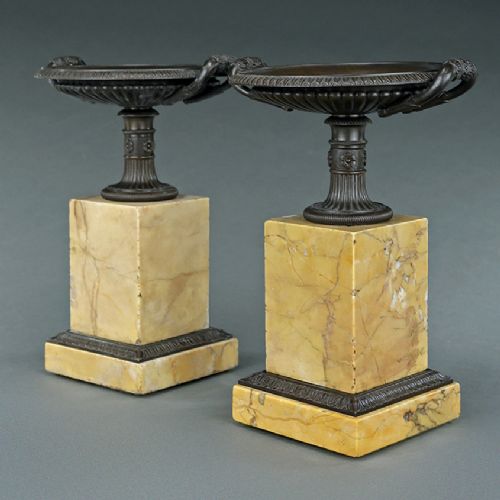
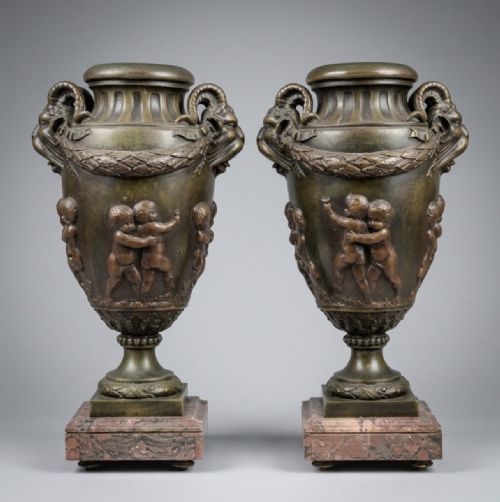
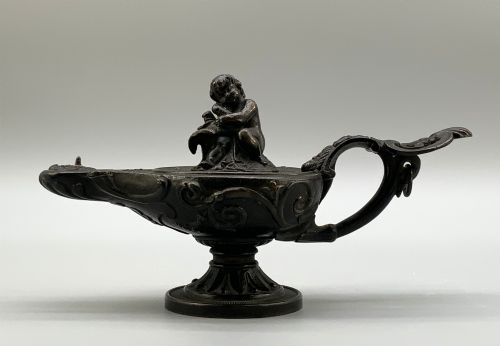
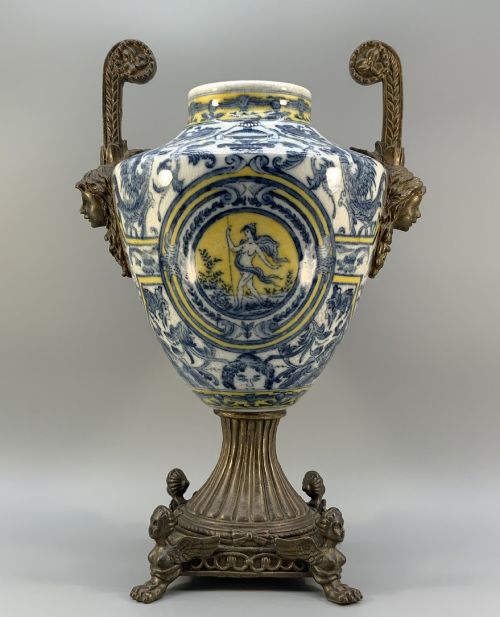
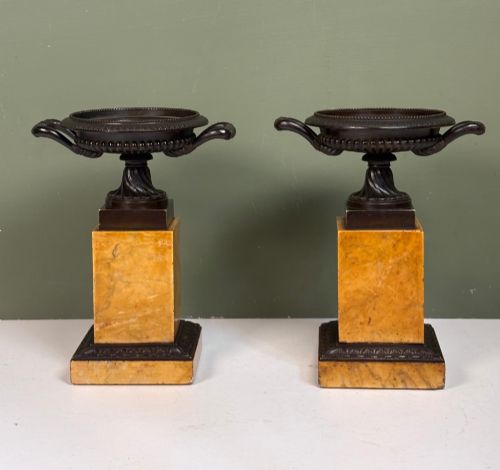
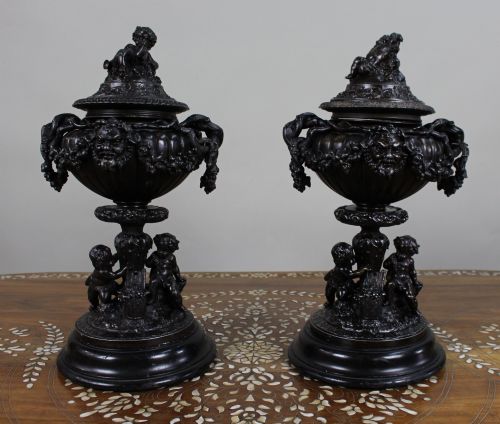
A classical bronze urn is a sculptural vessel designed in the Neoclassical or Grand Tour taste, echoing ancient Roman and Greek models. These pieces appear in forms such as campana vases, lidded cups, tazzas, and pastille burners.
Most examples encountered here date from the nineteenth century, including Regency, Victorian, and French Second Empire periods. They frequently incorporate Italian manufacture or French styling produced as souvenirs for travellers on the Grand Tour.
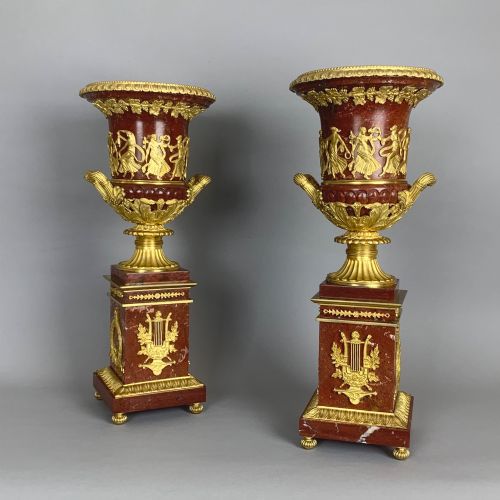
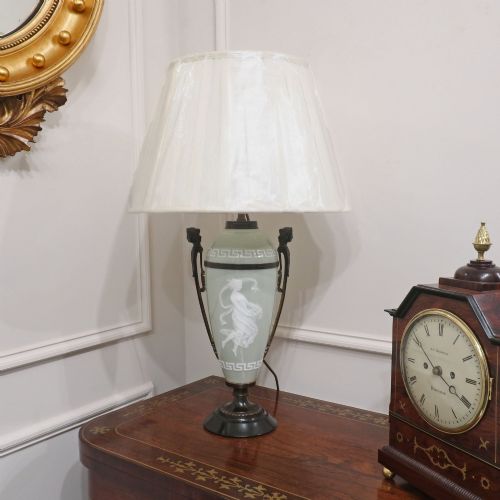
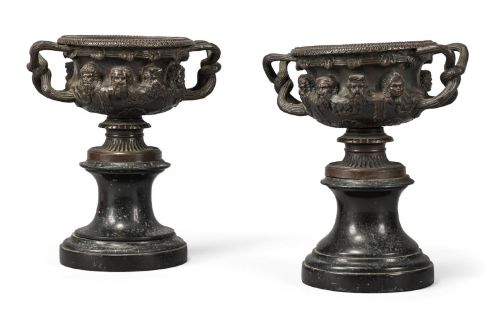
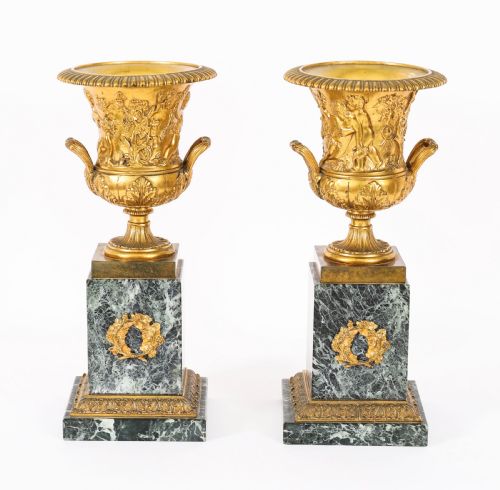
Many sit upon integral plinths or contrasting bases of rouge griotte marble or stone. Some examples survive as pairs, while others appear as single decorative vessels or have undergone later conversion into table lamps.
Materials and construction methods
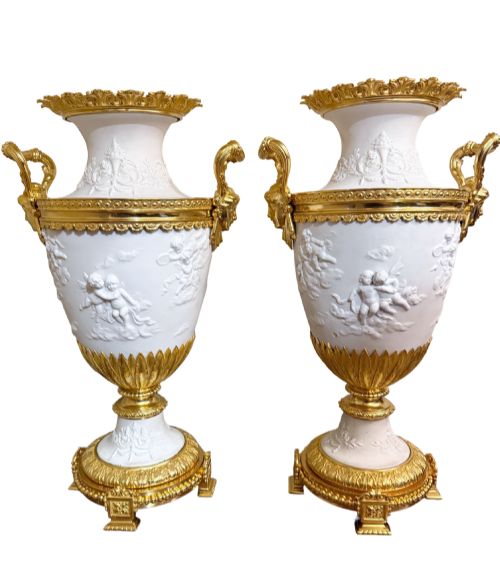
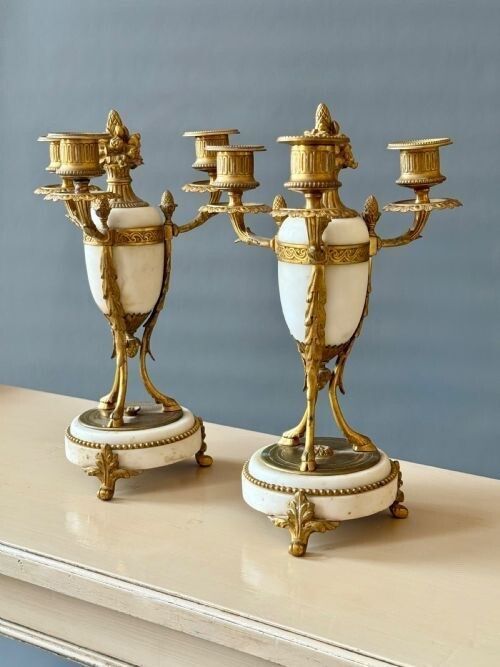
Foundries utilised cast bronze, patinated bronze, and occasionally gilt bronze or ormolu to shape these vessels. Metalwork often combined with natural stone bases, notably rouge griotte marble.
Surface finishes range from dark patination to gilded highlights, capturing the archaeological appearance of antiquities recovered during nineteenth-century excavations.
Retail Price Guide 2026
Typical UK retail prices for classical bronze urn, calculated from the Sellingantiques database of over a million retail prices indexed since 2003. This retail price guide relies exclusively on Sellingantiques data; no external sources or auction records are used, so the figures do not describe the wider market.
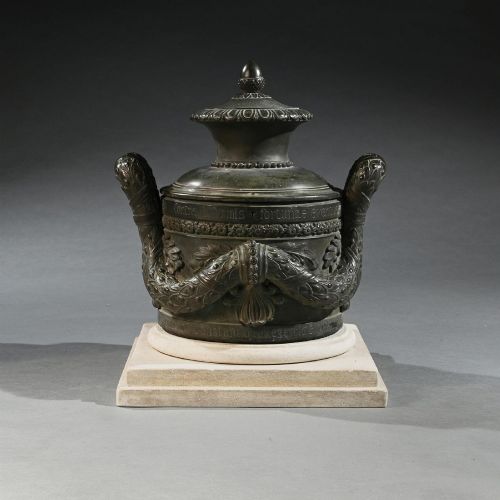
One eighteenth-century Italian vessel bears a mysterious Latin inscription and potential maritime associations.
Distinctions in execution and finish
Quality rests in the crispness of the casting and the fidelity of the reduction after ancient archetypes like the Warwick Vase. Superior examples display sharply rendered classical motifs, well-defined handles, and refined chasing to the metal surface.
The choice and execution of the base further differentiate these pieces, with heavy, finely polished rouge griotte marble plinths elevating the stature of the bronze above simpler stone supports.
The Classical Bronze Urn Glossary
- Grand Tour
- A cultural journey undertaken by wealthy young Europeans through France and Italy to study classical antiquities. Souvenirs purchased on these trips formed the basis of many nineteenth-century collections.
- Campana urn
- A bell-shaped vessel with a flared rim and footed base, modelled after ancient earthenware and metal prototypes found at archaeological sites. This form is common among nineteenth-century decorative bronzes.
- Rouge griotte
- A deep red, white-flecked marble quarried in France and frequently utilised for the plinths of classical bronzes. It provides a striking visual contrast to dark patinated metal.
- Tazza
- A shallow saucer-shaped cup or vessel mounted on a stem and foot, originating in classical antiquity. These appear in bronze alongside conventional urns.
- Ormolu
- Finely ground high-carat gold applied to bronze through a mercury amalgamation process, or simply gilt bronze used to accent decorative vessels.
Frequently Asked Questions
What is a Grand Tour bronze urn?
A Grand Tour bronze urn is a nineteenth-century souvenir cast in metal after ancient sculpture or architectural ruins.
Travellers returning from Italy acquired these miniature reductions to display their classical education and refined taste at home.
How do I date a classical bronze urn?
Dating relies upon stylistic markers such as Regency campana profiles or Victorian manufacturing methods.
Examining the patination, casting seams, and the stone composition of the base helps distinguish eighteenth-century origins from nineteenth-century revivals.
Where should I place an urn in a room?
These vessels suit mantelpieces, console tables, or pedestals where their sculptural silhouette remains visible.
Pairs look balanced flanking a mirror or fireplace, while single large urns work well as standalone focal points.
Are all these urns made in France?
No, production centres span both France and Italy during the nineteenth century.
Italian foundries specialised in souvenir bronzes for travellers, while French workshops produced refined neoclassical models and gilt ormolu variations.