


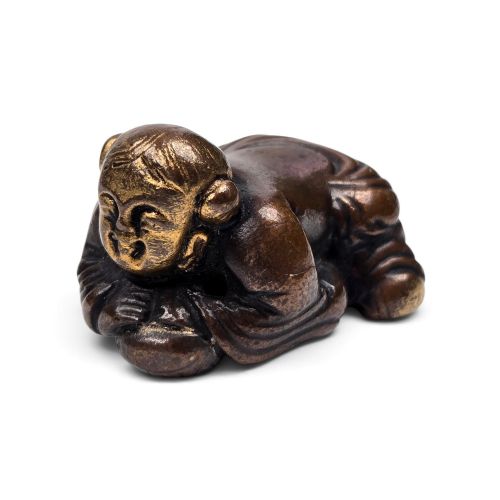
Antique Bronze Ornament
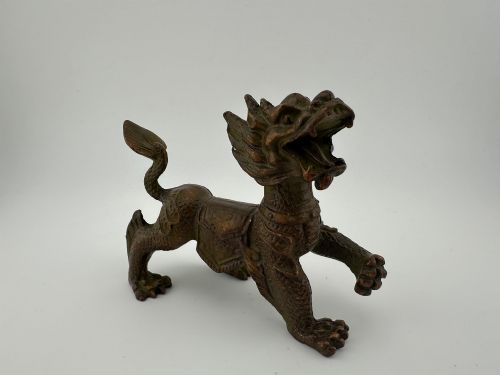
An antique bronze ornament brings classical weight and sculptural detail to a desk or mantelpiece, spanning European animalier studies and East Asian cast figures.
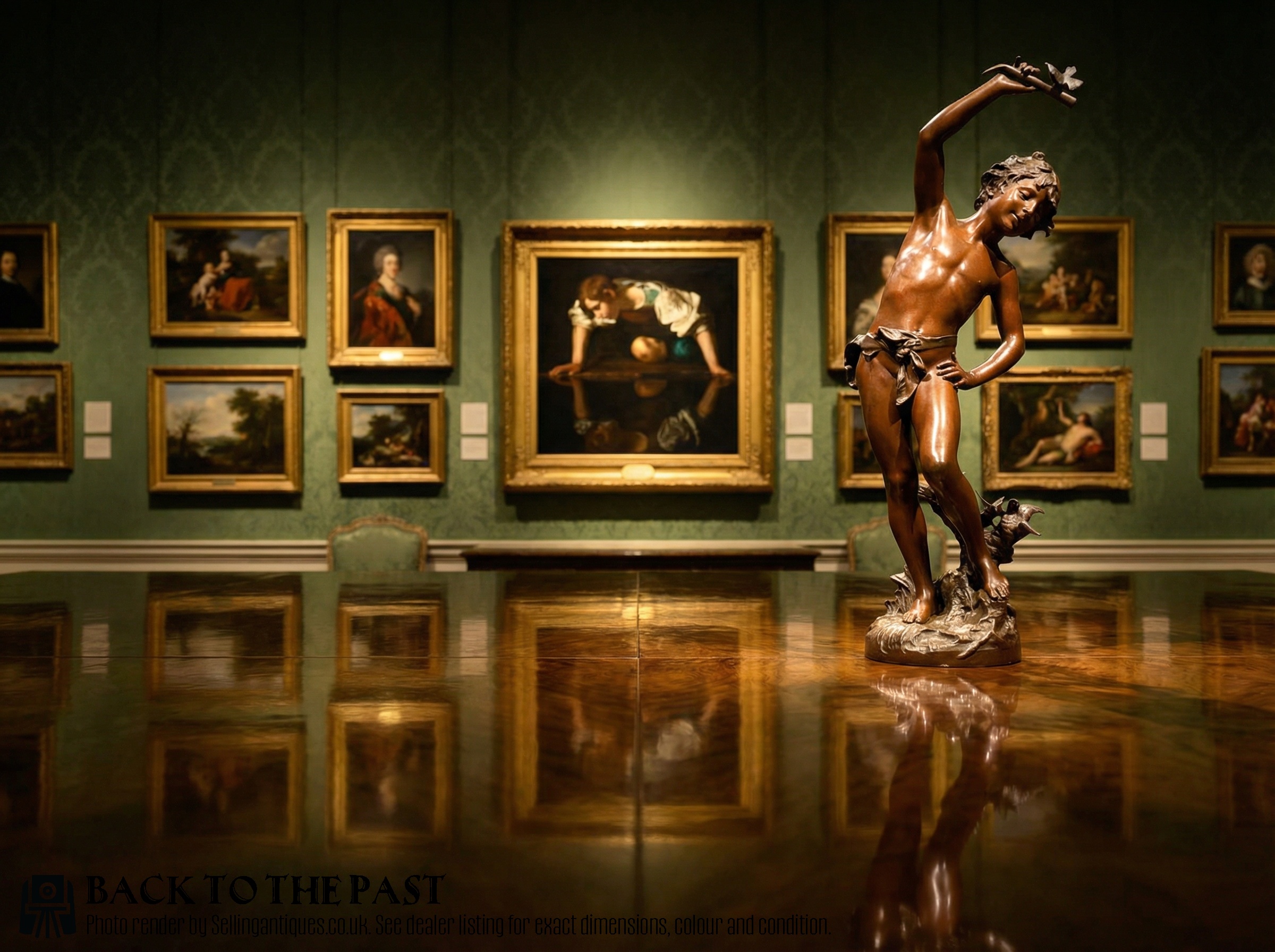
Antique Bronze Ornament
An antique bronze ornament encompasses everything from small European desk paperweights and Grand Tour souvenirs to Meiji period Japanese okimono and Chinese mythical beasts. Buyers searching this category frequently encounter nineteenth-century figural works, animal studies, and architectural furniture mounts.
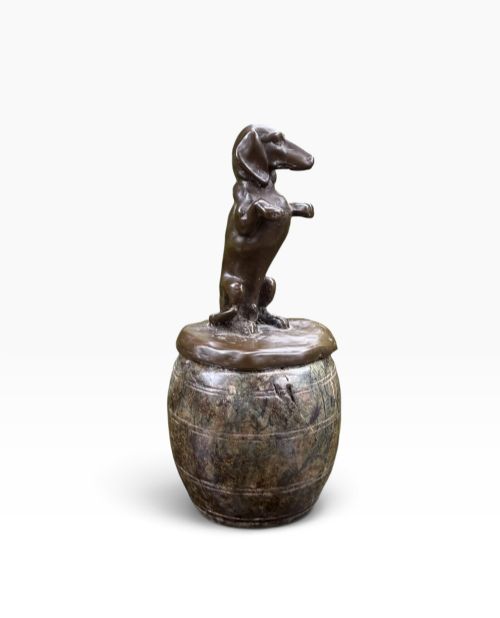
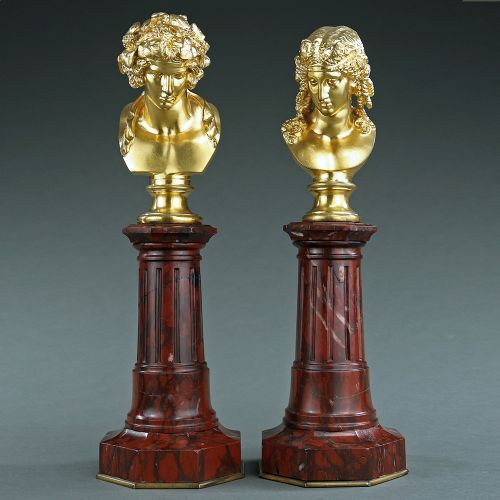
The selection ranges across distinct cultural traditions, including French patinated figures, Austrian cold-painted bronzes, and Indian cast deities. Formats vary from diminutive scholar's brush rests and finials to substantial animalier groups and classical busts.
Pieces from this category serve primarily as cabinet items, decorative desk accessories, or mantel sculptures. The common thread among them is durable metalwork shaped by historical casting methods across the nineteenth and early twentieth centuries.

Casting and finishing methods
Makers utilised traditional casting techniques such as lost-wax methods to capture fine anatomical details in bronze, brass, and spelter. Many items receive applied patination, cold-painted polychrome pigments, or selective fire-gilding to enhance the metal surface.
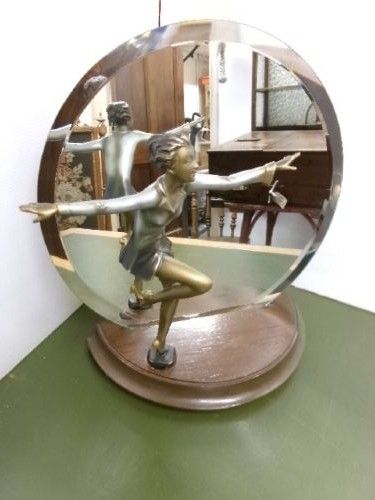
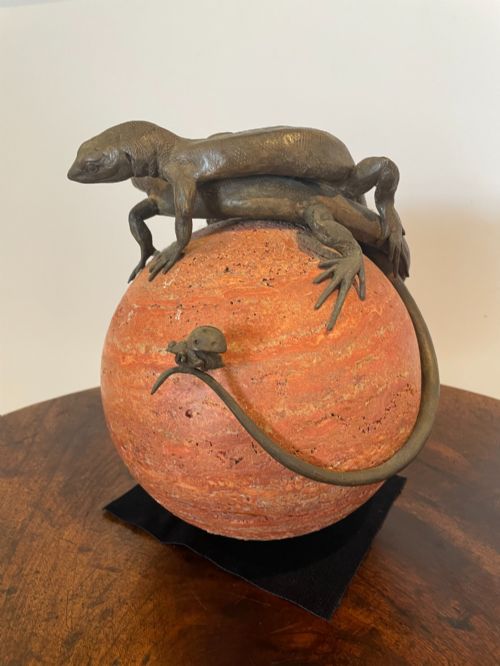
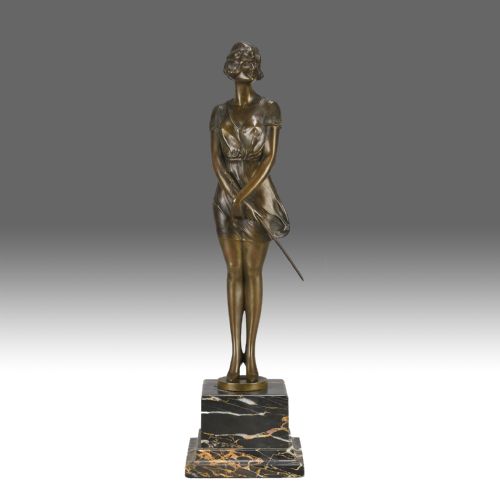
Surviving pieces frequently combine bronze with contrasting natural materials like marble bases, wooden mounts, or inset glass and crystal elements. Mixed-metal Japanese works incorporate shakudo and distinct alloy treatments to achieve varied colouration.
Antique Bronze Ornament Retail Price Guide 2026
Typical asking prices for bronze ornament among the pieces listed under this phrase on Sellingantiques today, from the lower quarter to the upper quarter. They describe what is for sale here now, not the wider market.
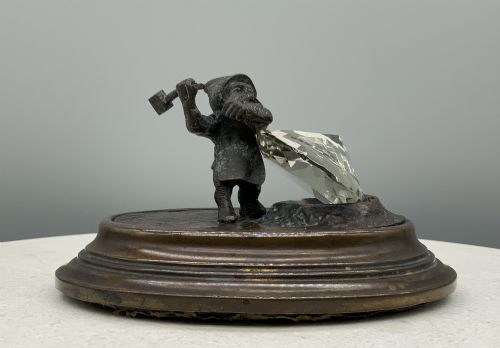
A tiny Austrian dwarf miner guards a giant crystal diamond in one delightfully improbable nineteenth-century bronze desk ornament.
Distinguishing craftsmanship
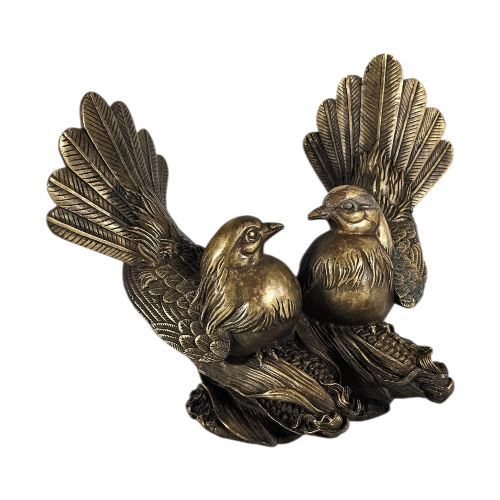
The distinction between ordinary production and superior work lies in the crispness of the chasing and the subtlety of the surface finish. Skilled chasing after the cast reveals intricate feather, fur, and facial definitions that weaker examples lack.
Proportion and weight indicate the care taken during production, with solid-cast pieces offering greater tactile presence than hollow or base-metal substitutes. The integration of secondary elements, such as fitted marble plinths or secure multi-part joints, further separates standard castings from masterworks.
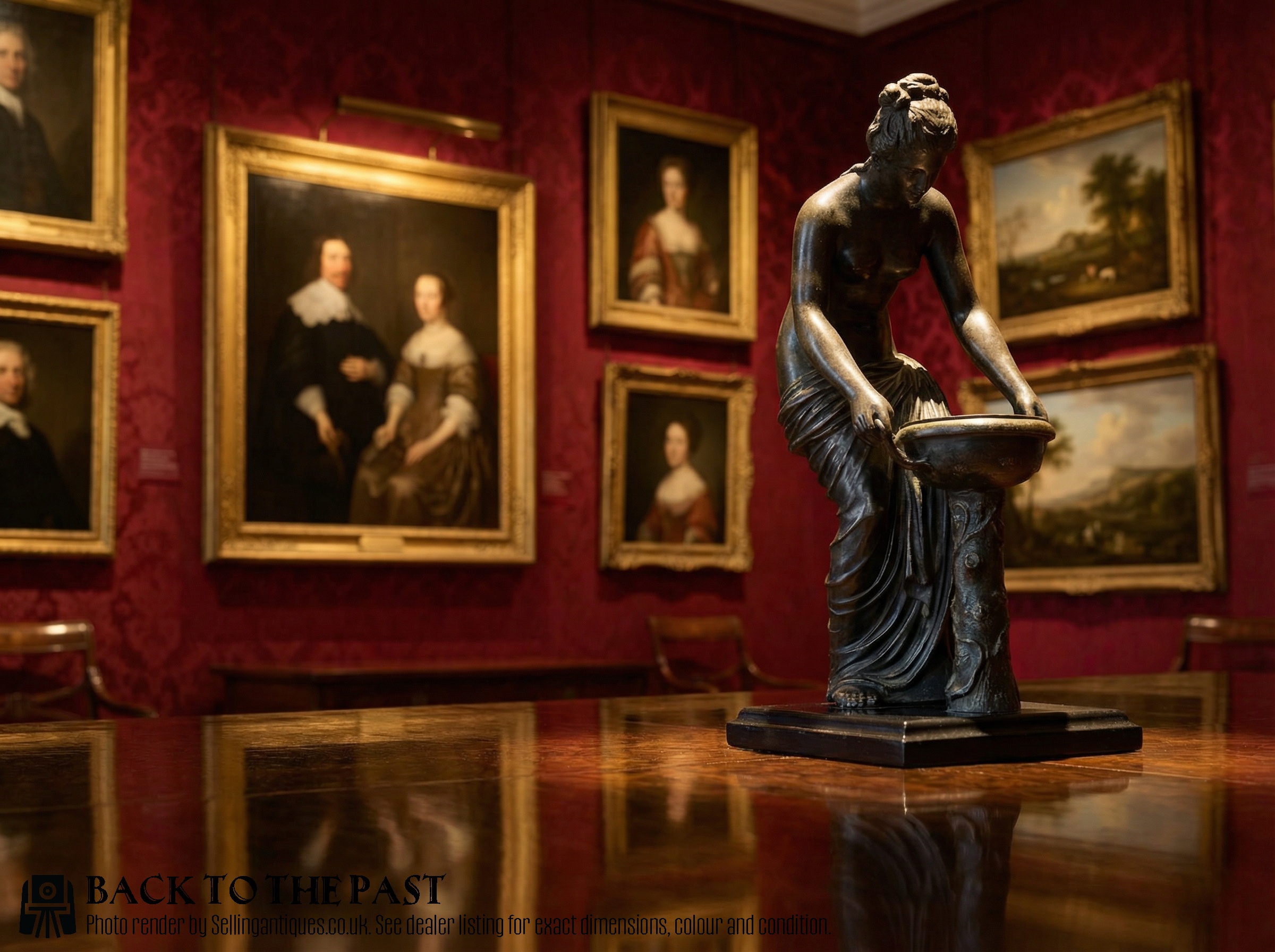
Poix Blin·Rudolf Küchler·Bruno Zach·P J Mêne·Josef Lorenzl·Jomi Eisuke·Tsunemitsu
The Antique Bronze Ornament Glossary
- Animalier
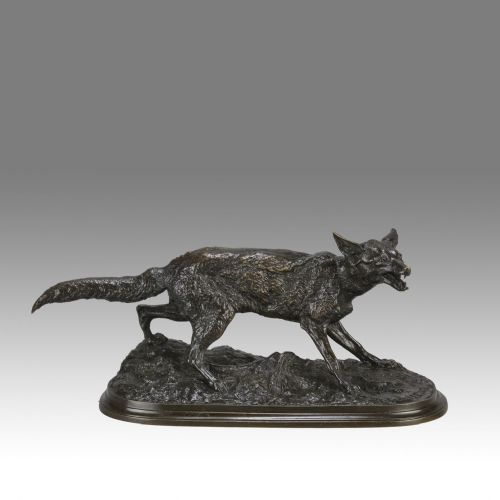
- A nineteenth-century artistic style and movement focusing on realistic depictions of animals, particularly predators and domestic beasts in motion. Sculptors in this tradition studied anatomy closely in menagerie settings.
- Grand Tour
- A cultural journey undertaken by wealthy young Europeans in the eighteenth and nineteenth centuries to study classical art and architecture. Souvenirs purchased along the route included bronze reductions of ancient sculptures and architectural models.
- Cold-painted
- A technique where enamel paint is applied directly to an unheated bronze casting, often seen on small Austrian animal figures and novelty items. This finish requires careful handling to prevent flaking over time.
- Patinated bronze
- Metal treated with chemical solutions to produce an aged surface colour ranging from deep brown to verdigris green. This coating protects the underlying metal while enhancing visual depth.
- Okimono
- A traditional Japanese decorative figurine designed for display on a household shelf or within a tokonoma alcove. These pieces frequently depict human figures, animals, or mythical subjects with high narrative detail.
- Shakudo
- A Japanese mixed-metal alloy composed primarily of copper with a small amount of gold, treated to achieve a dark purple-black patination. It appears frequently in Meiji period decorative items.
Antique Bronze Ornament: Frequently Asked Questions
What is an antique bronze ornament?
An antique bronze ornament is a small sculptural object cast from copper alloy, designed for decorative display on desks, shelves, or tables. These items include animal figures, figural groups, and architectural mounts produced primarily during the nineteenth and early twentieth centuries.
Craftsmen across Europe and Asia created these works using traditional casting methods, often finishing the metal with patination, gilding, or cold-painted colours. They functioned as desk accessories, paperweights, or cabinet display pieces.
How do I care for bronze ornaments?
Bronze ornaments require minimal intervention to preserve their historic surface appearance and stable patination. Dusting them gently with a soft, dry brush prevents particle accumulation without disturbing delicate finishes.
Avoid using commercial metal polishes, abrasive cloths, or liquid cleaners, as these can strip away original patination or cold-painted details. Keeping pieces away from excessive moisture and direct sunlight protects both the metal and any attached marble or wooden bases.
How can I tell bronze from spelter?
Bronze is a heavy, durable copper alloy that feels cold to the touch and rings with a clear tone when gently tapped. Spelter is a softer, zinc-based white metal alloy that feels lighter and often shows grey metal beneath worn areas of paint.
Many nineteenth-century figural sculptures utilise spelter as an affordable alternative to bronze, frequently mounted on wooden or metal bases to add weight. Examining the underside or areas of wear helps determine the base material.
What is a Grand Tour ornament?
Grand Tour ornaments are bronze souvenirs purchased by travellers touring historical sites in Italy and Greece during the nineteenth century. These objects typically replicate famous classical sculptures, ruins, or mythological figures in miniature form.
Collectors valued them as academic mementos of classical education and refined travel. They display precise reduction techniques and dark patination designed to mimic excavated antiquities.