

Antique Metal Statuette
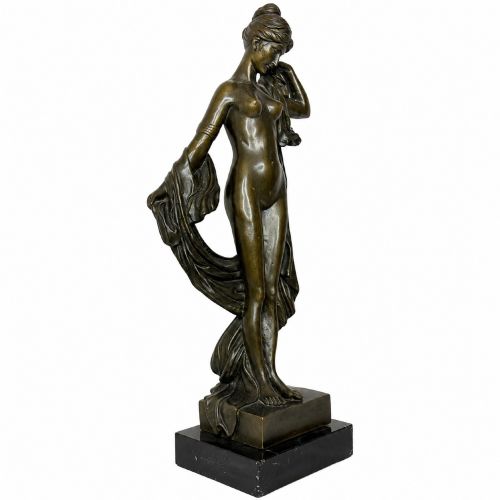
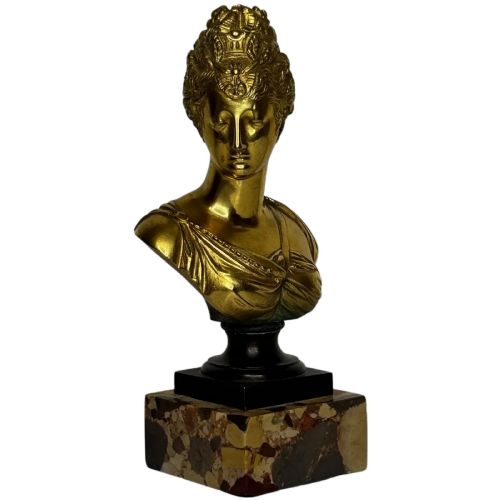
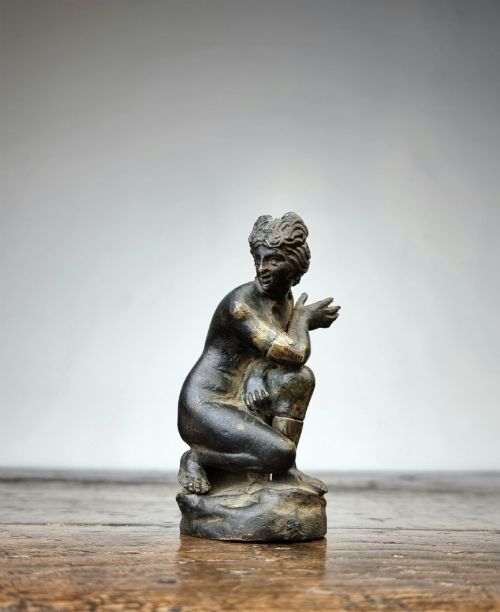
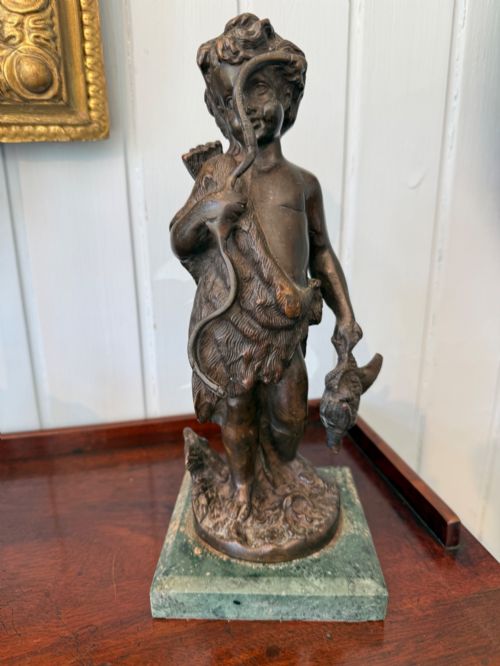
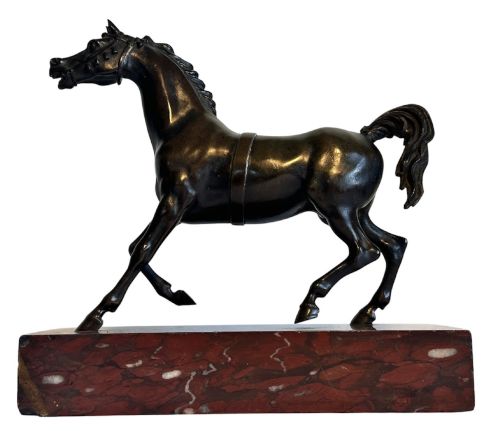
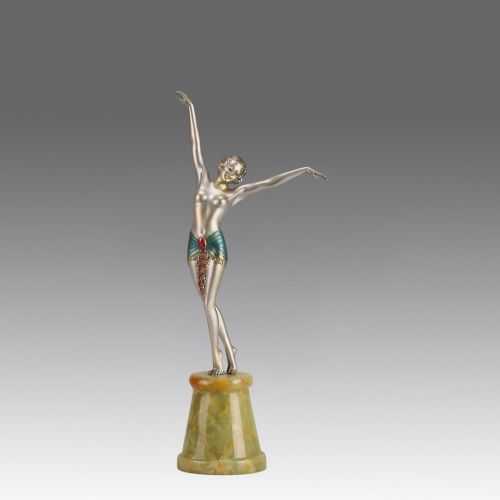
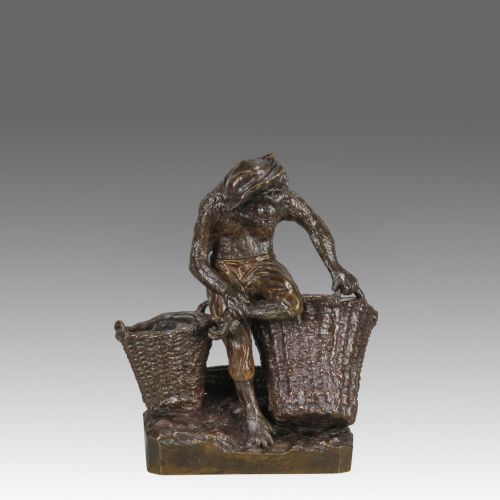
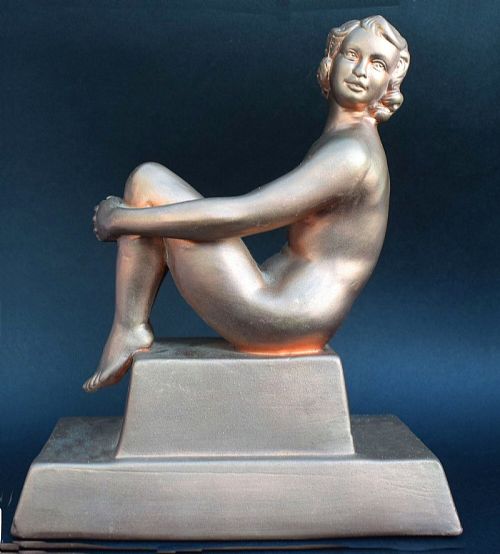
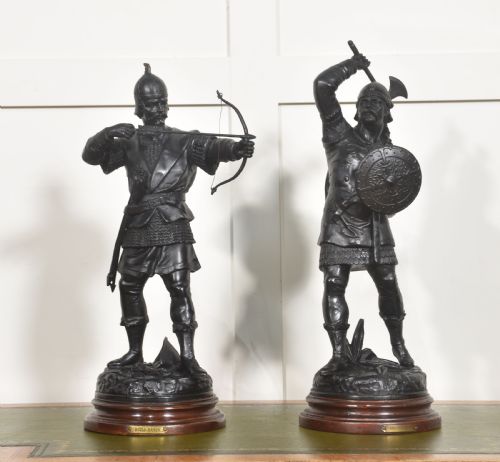
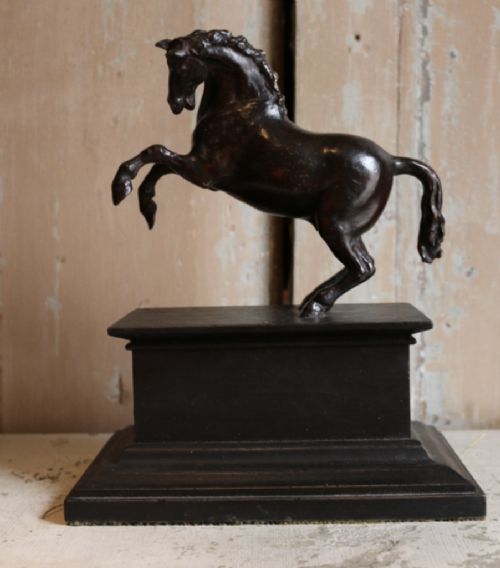
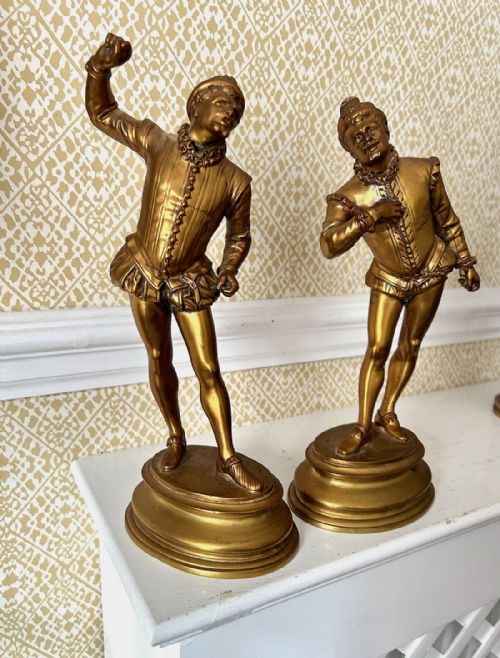
An antique metal statuette brings small-scale foundry work into the room, cast in bronze and mounted on stone or marble.
Understanding antique metal statuette pieces
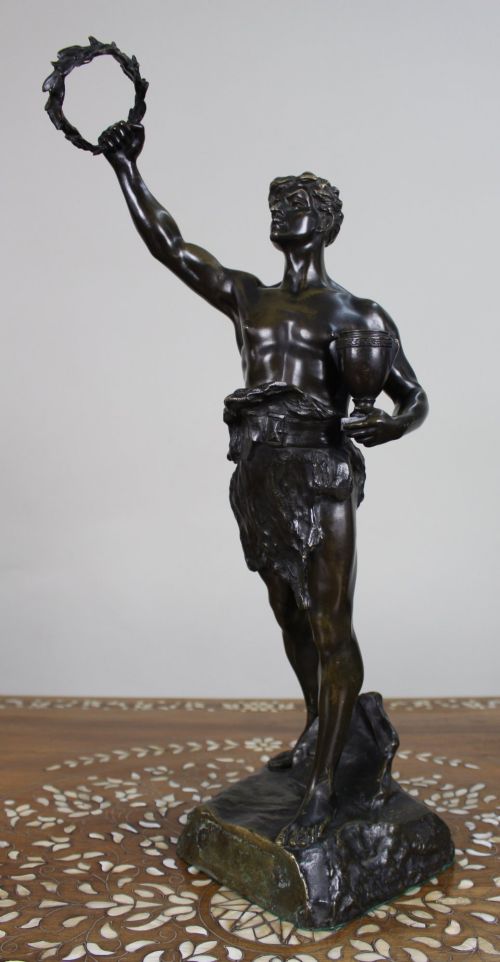
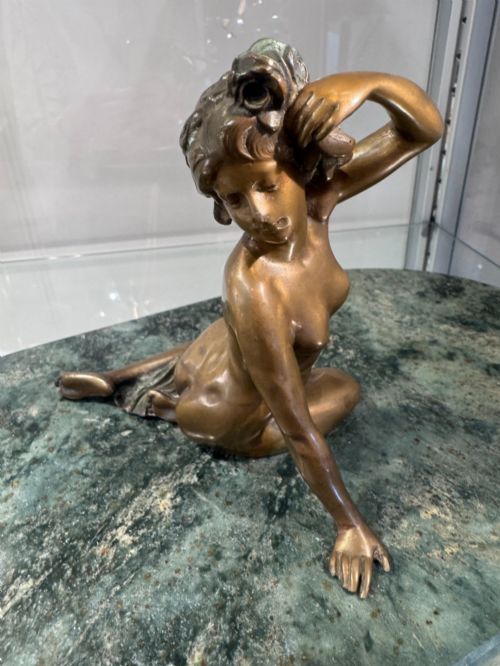
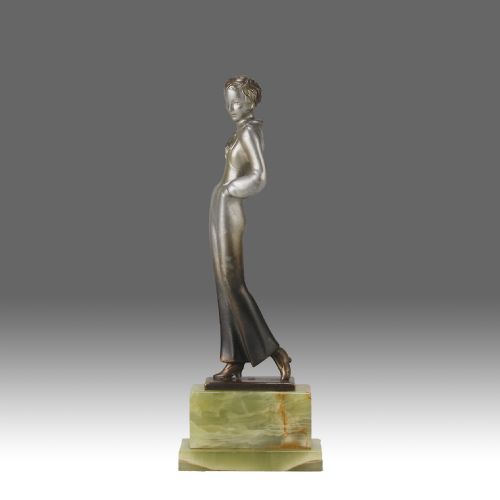
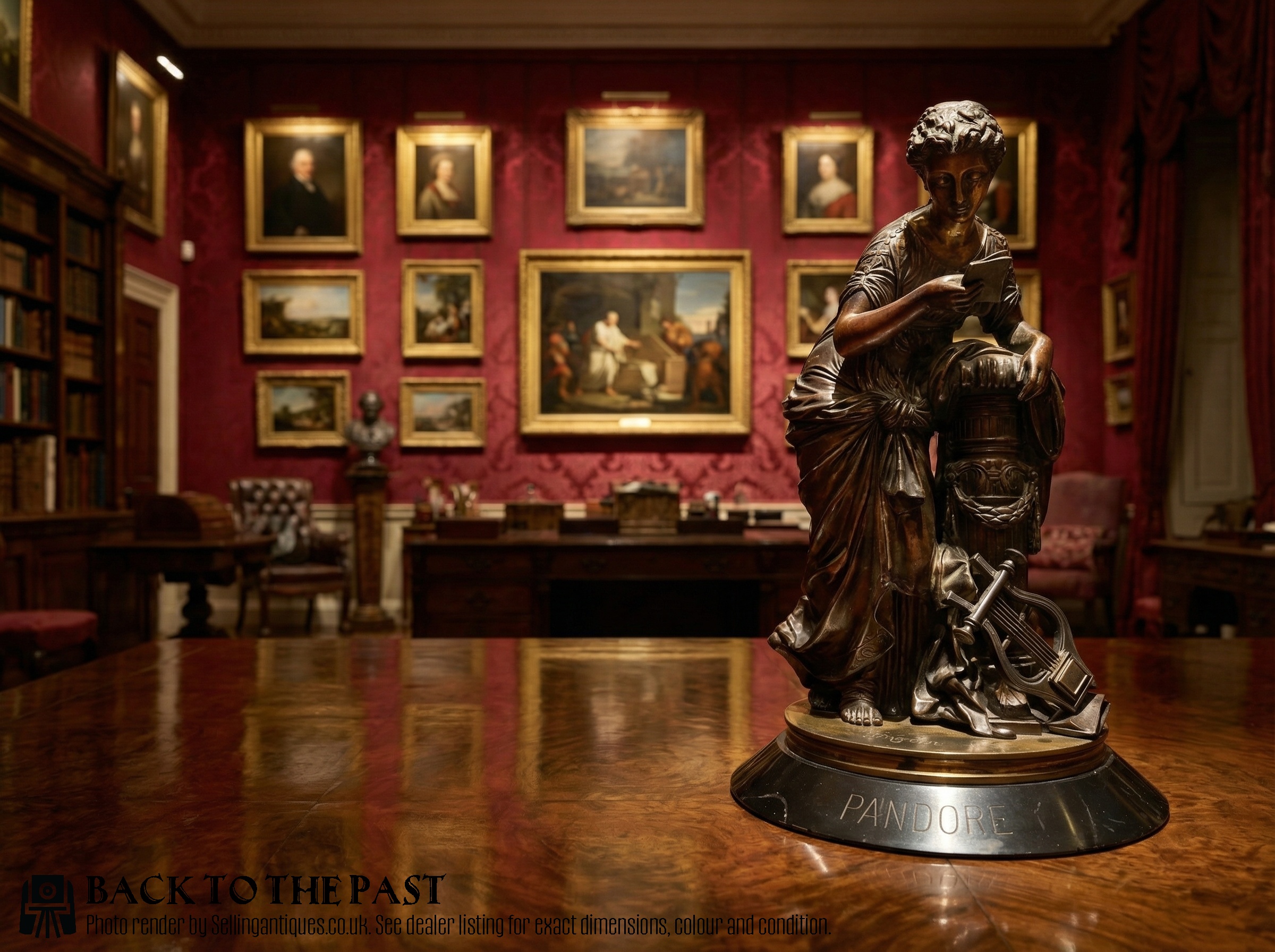
When you search for an antique metal statuette, you enter a field of small figurative sculptures cast in bronze and supported by marble or stone bases. The examples gathered here span from the seventeenth century through to the nineteenth century, taking in French Neoclassical, Mannerist, and Western Americana styles.
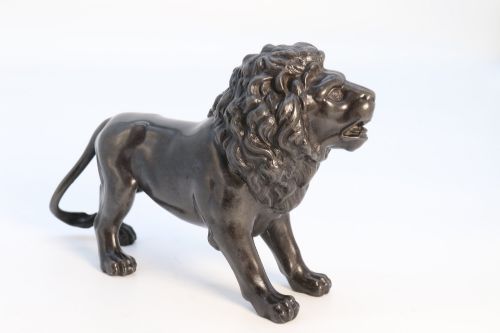
The subjects range widely across historical, classical, and literary themes, including figures of a standing piper, an American red Indian, and notable historical subjects like Van Dyck. You will also encounter animal studies, such as a pacing bull modelled after Giambologna, alongside signed French foundry works.
Most pieces date from the nineteenth century, including specific dates around eighteen sixty and eighteen eighty, though earlier seventeenth-century casting traditions are represented. They function primarily as cabinet bronzes, designed to be viewed closely on desks, an interior mantelpiece, or dedicated display tables.
Materials and casting methods
Surface finishes vary through patination, ranging from deep dark tones to warmer metallic sheens that highlight the musculature and drapery of the figures. The integration of heavy stone plinths gives these small sculptures stability and grounds the metallic forms visually.
Retail Price Guide 2026
Typical UK retail prices for metal statuette, calculated from the Sellingantiques database of over a million retail prices indexed since 2003. This retail price guide relies exclusively on Sellingantiques data; no external sources or auction records are used, so the figures do not describe the wider market.
Listings feature cast bronze figures supported by marble and stone bases, spanning the seventeenth through the nineteenth centuries.
Distinguishing quality in metal figures
The refinement of the casting defines the upper tier of these sculptures, where the foundry work preserves crisp details in hair, costume, and expression without relying on heavy post-casting chasing. Weaker examples show softened contours and blurred lines where the mould has lost definition during repeated use.
Signatures and direct artistic attribution elevate certain pieces, connecting them to known sculptors like Jean Jules Salmson or established traditions after Giambologna. The quality of the supporting marble or stone base, alongside the depth and consistency of the original patina, further separates standard foundry output from exceptional works.
The Antique Metal Statuette Glossary
- Cast bronze
- Metalwork formed by pouring molten copper and tin alloy into a mould. This method allows complex figurative shapes to be produced with high fidelity to the original model.
- Patina
- The surface coloration and sheen developed on bronze over time or applied chemically by the foundry. It protects the metal and enhances visual depth.
- Cabinet bronze
- A small-scale sculpture intended for close inspection within a room rather than public monument display. These pieces were popular in European studies and drawing rooms.
- Neoclassical
- A style drawing inspiration from the classical art and culture of ancient Greece and Rome. It emphasises restrained dignity, clear outlines, and classical subject matter.
Frequently Asked Questions
What is an antique metal statuette?
An antique metal statuette is a small figurative sculpture, typically cast in bronze and often paired with a stone or marble base. These pieces were produced mainly as decorative art for domestic interiors.
They capture human figures, historical personalities, and animals in styles ranging from seventeenth-century Mannerist work to nineteenth-century French and American subjects.
How were these bronze figures displayed?
These sculptures were designed for close viewing on flat surfaces inside the home, such as desks, tables, and mantelpieces. Their scale allows them to be appreciated from multiple angles within an intimate space.
The inclusion of heavy marble or stone bases ensured the small figures remained stable while adding a contrasting textural element to the metal.
How do I identify the period of a statuette?
Dating relies on stylistic clues, foundry marks, inscriptions, and the character of the bronze casting and patina. Nineteenth-century works often reflect romantic or classical revival interests.
Earlier pieces, such as those from the seventeenth century, carry distinct Mannerist proportions and casting characteristics associated with Renaissance workshop traditions.
What subjects appear in these sculptures?
The subjects span classical mythology, historical portraits like Van Dyck, literary figures, and cultural archetypes such as a standing piper or an American red Indian. Animal studies are also common.
Many works are explicit copies or reinterpretations of famous earlier monuments, produced after masters like Giambologna.