
Victorian Bronze Statue
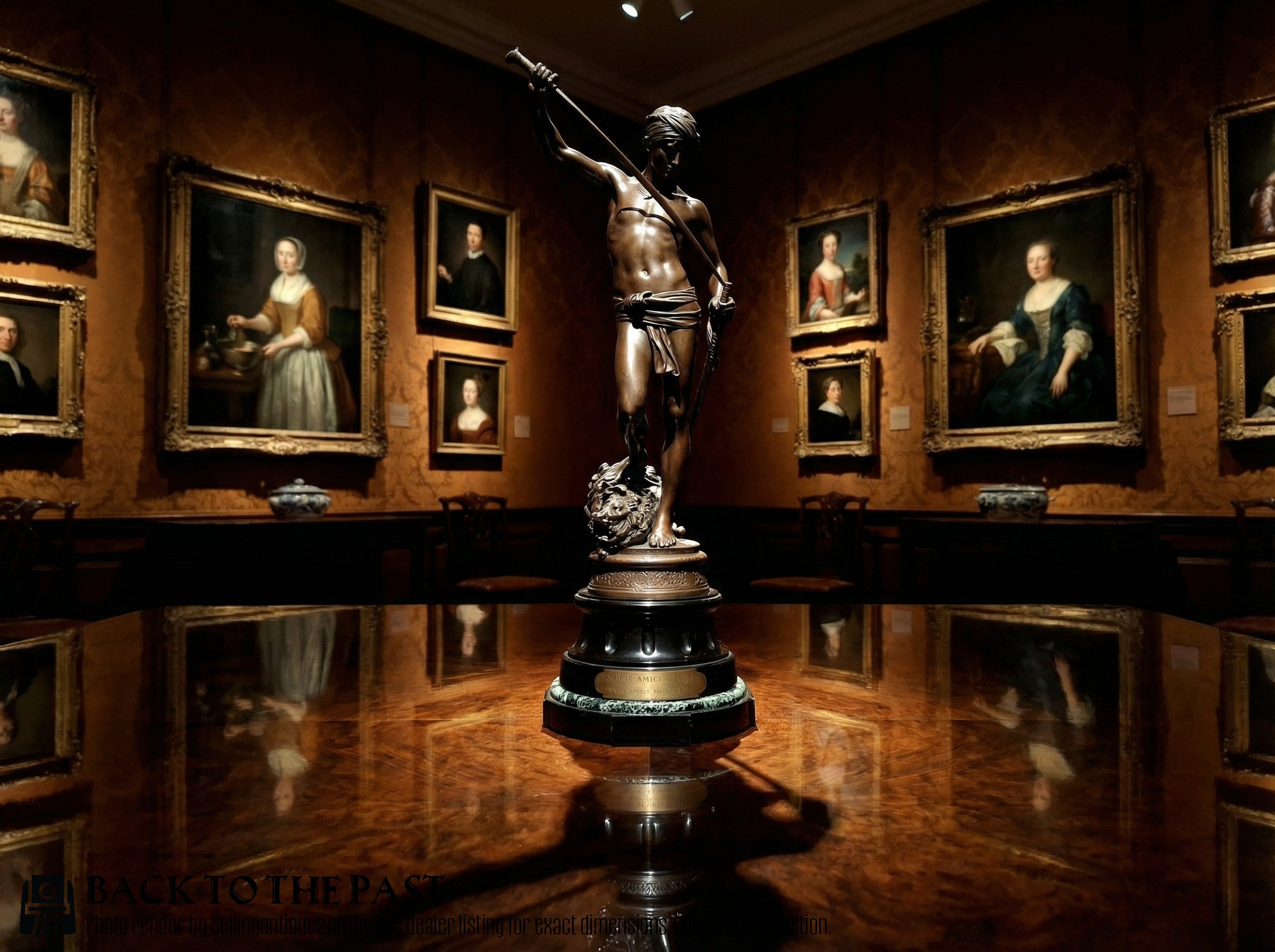
A victorian bronze statue brings the weight, the dark patination and the neoclassical or animalier detail of the nineteenth century straight into a room.
Victorian Bronze Statue
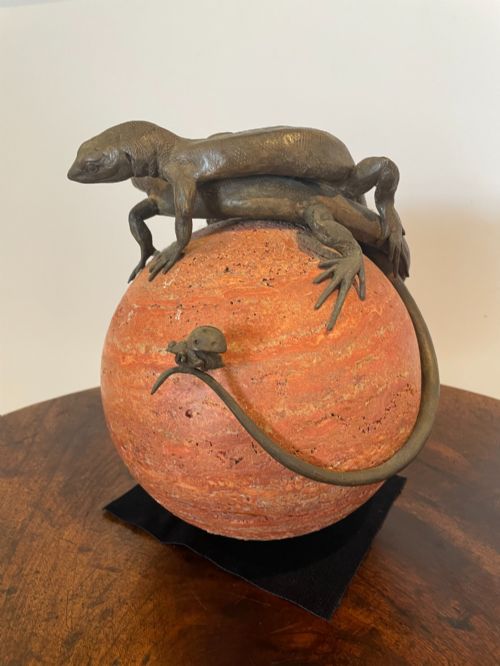
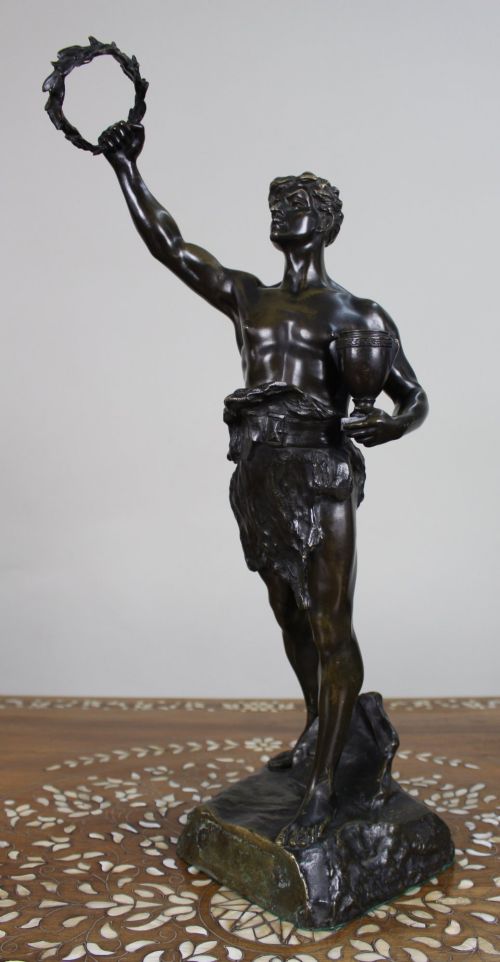
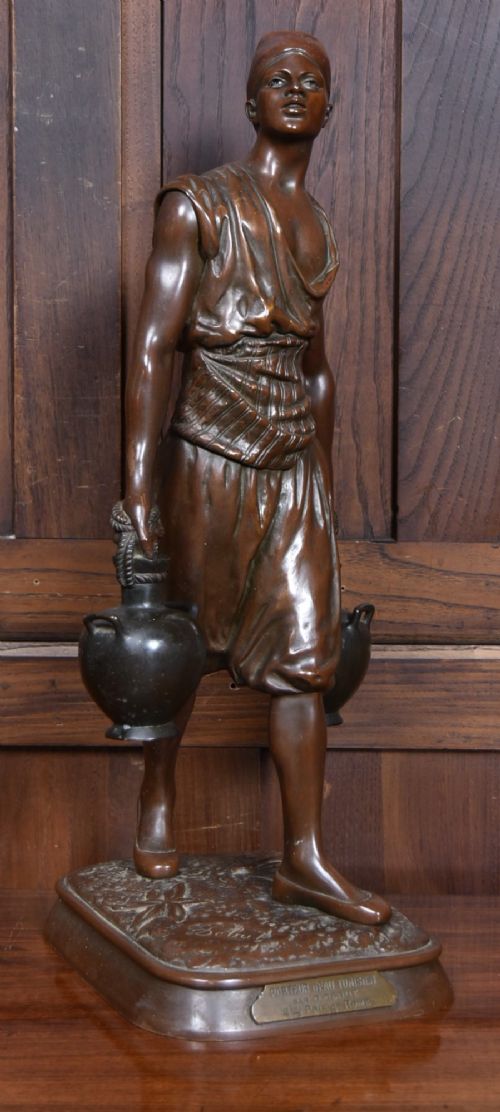
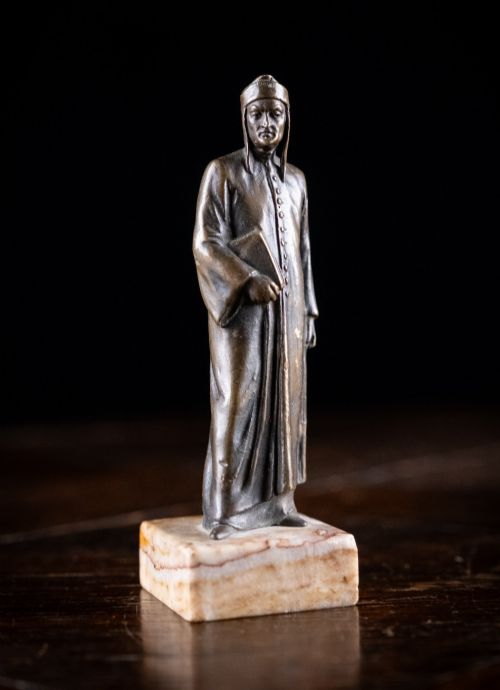
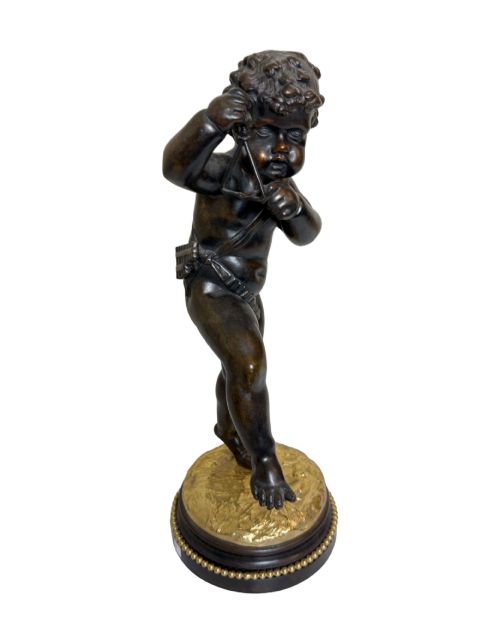
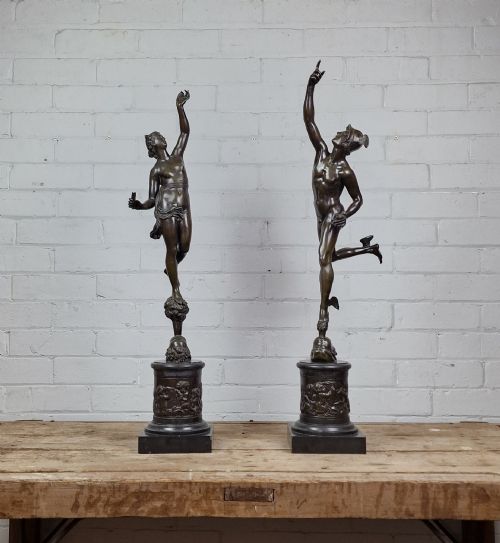
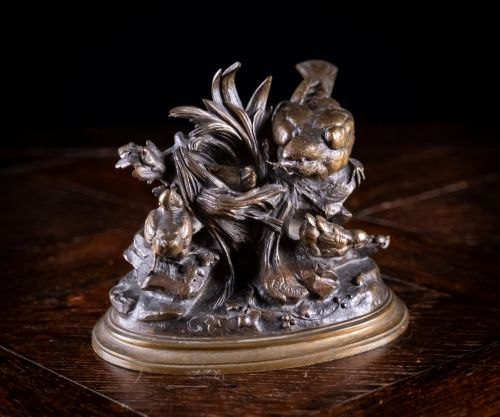
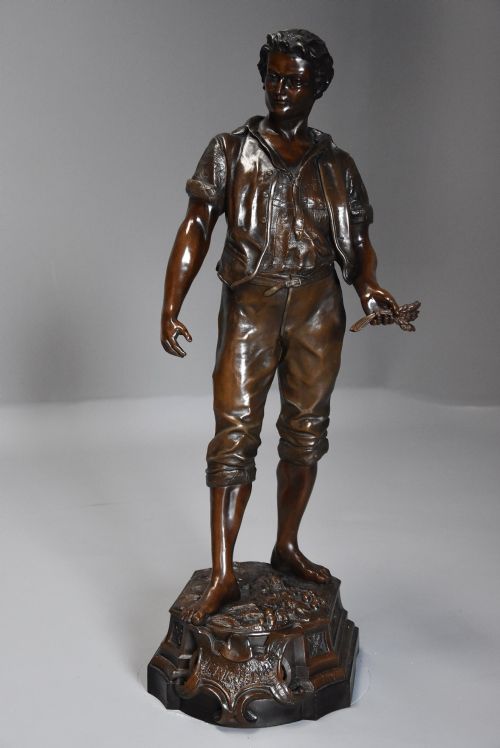
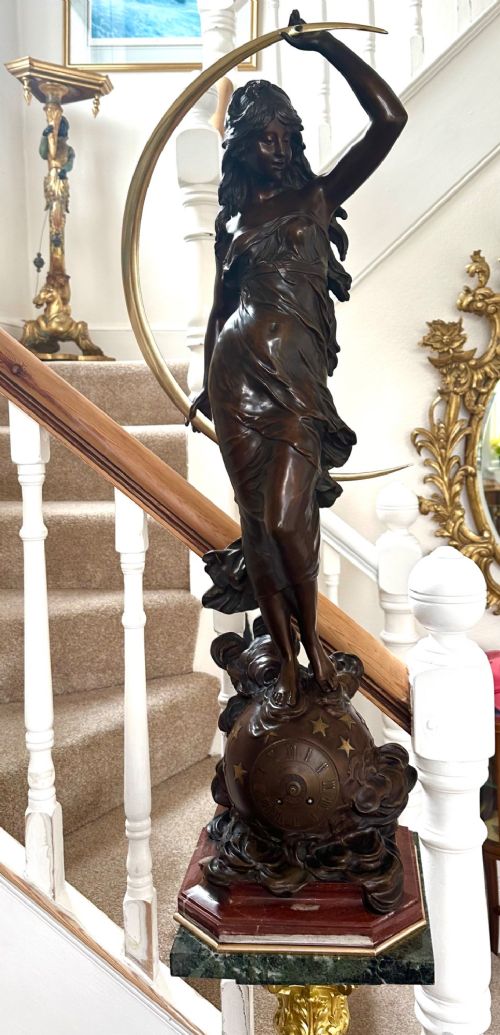
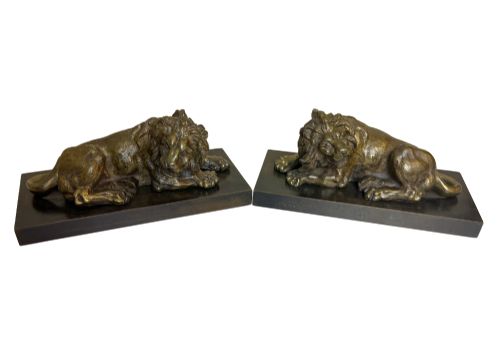
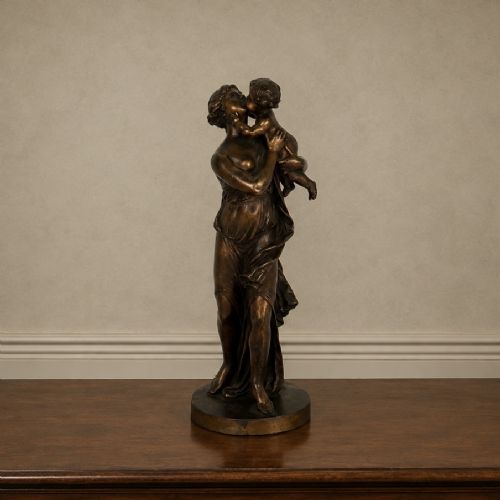
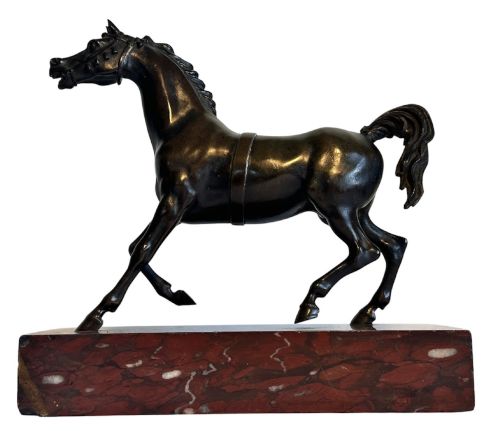
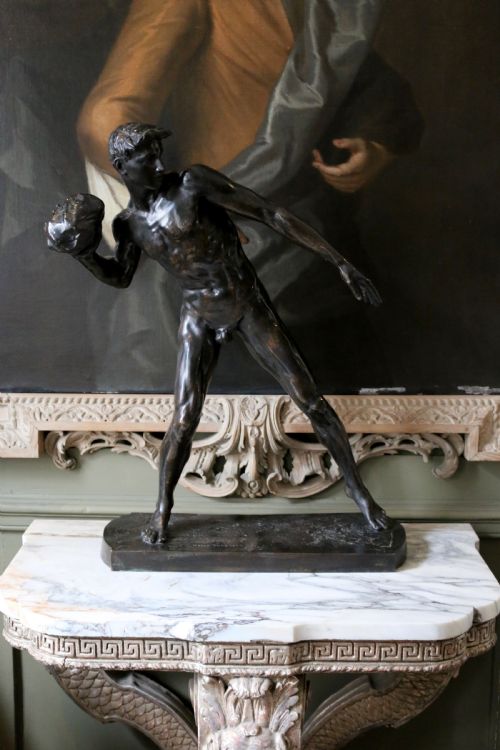
A victorian bronze statue covers a broad range of nineteenth-century metalwork, from small animal studies and classical figures to portrait busts and Grand Tour souvenirs. The examples you encounter on this page span the mid to late nineteenth century, often cast in France, Austria or Britain.
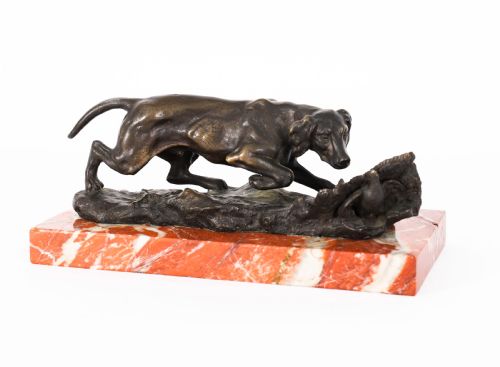
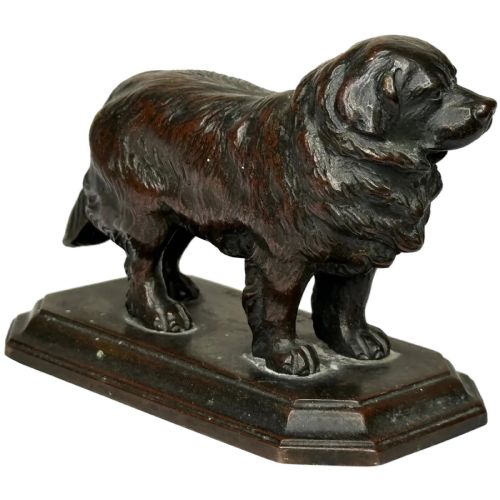
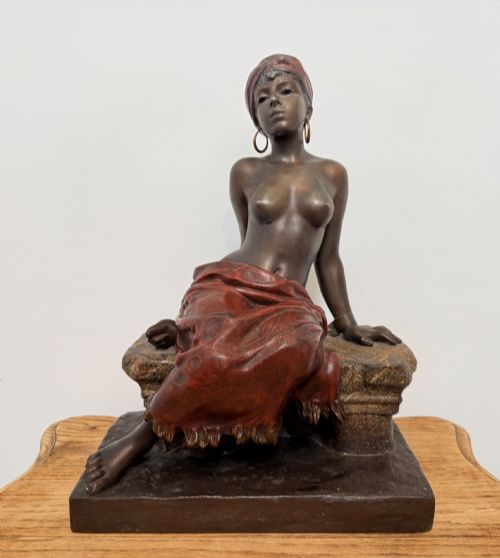
Makers and founders produced these sculptures in various forms, including figures of dogs, stags, historical personages, mythological characters and orientalist subjects. Many are mounted on heavy marble bases or integrated into inkstands and lamps.
The aesthetic draws heavily on French Animalier work, Neoclassical ideals, and the romantic enthusiasm for antiquity, resulting in figures that range from diminutive cold-painted ornaments to substantial cabinet bronzes.
How they were made
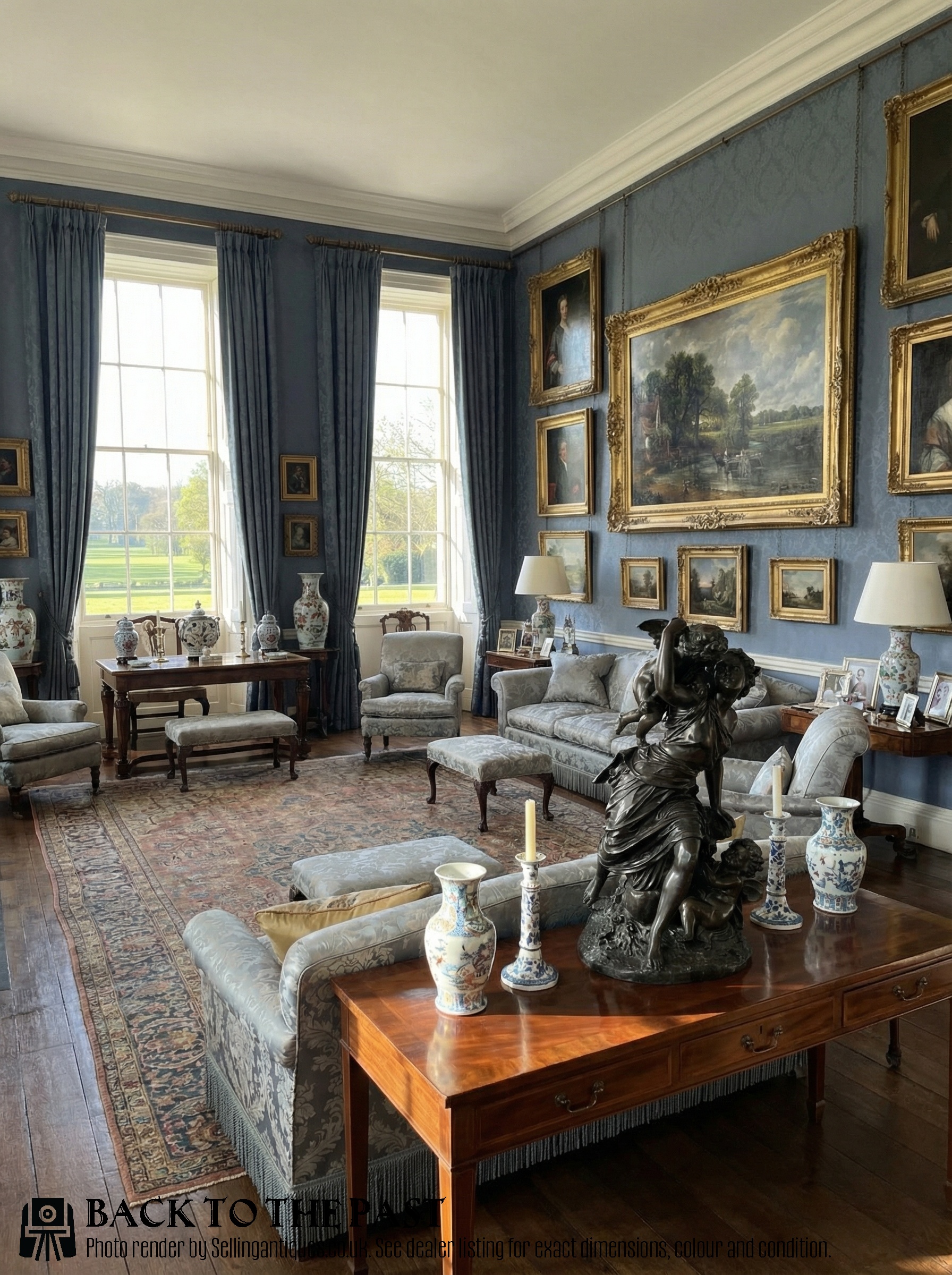
Foundries primarily employed the lost-wax method or sand casting to achieve intricate detail in molten bronze, frequently finishing the metal with dark patination, warm gilt surfaces or polychrome cold-painting.
Sculptors combined the metal figures with supportive elements like marble plinths, brass fittings, wooden mounts and occasional chalk or spelter alternatives for secondary components.
Finishing work involved careful chiselling of the metal surface, chasing the fur or drapery by hand, and securing the casting firmly to its stone or wood base.
Victorian Bronze Statue Retail Price Guide 2026
Typical asking prices for victorian bronze statue among the pieces listed under this phrase on Sellingantiques today, from the lower quarter to the upper quarter. They describe what is for sale here now, not the wider market.
Listings feature animal studies, classical figures and portrait busts cast in bronze, patinated bronze and gilt bronze across the nineteenth century.
What varies in quality
The crispness of the chasing and the fidelity of the cast separate a superior bronze from a more mechanical production, as sharp anatomical details in animal and human figures require skilled hand-finishing after the metal cools.
The quality of the material itself and the depth of the patination play a significant role, with rich, layered patinas and dense marbles outlasting dull finishes or lightweight substitute metals like spelter.
Signatures from recognised sculptors or stamps from established foundries elevate a piece, though unsigned works of fine proportions and careful musculature still demonstrate exceptional foundry craftsmanship.
Carl Kauba·Louis Emile Cana·August Moreau·Hamo Thornycroft·Alfred Dubucand·PJ Mene·John Willis Good·Prosper Lecourtier·Emile Jespers·Jules Moigniez
The Victorian Bronze Statue Glossary
- Animalier
- A nineteenth-century artistic style and movement dedicated to the realistic portrayal of animals, particularly predators, hounds and horses. French sculptors popularised this lively, observational genre.
- Grand Tour
- A traditional trip through Europe undertaken by upper-class scholars and collectors to study classical art and antiquities. Bronzes purchased on these journeys often replicate famous Roman and Greek sculptures.
- Patination
- The chemical or natural surface treatment that gives bronze its characteristic dark brown, green or black coloration. A good patina develops rich tonal variations over decades.
- Cold-painted
- A technique where vibrant polychrome paint is applied to a bronze casting without subsequent firing, common in Austrian cabinet figures. The fragile paint survives best when protected from handling.
- Spelter
- A zinc-based alloy frequently utilised as an inexpensive substitute for bronze during the nineteenth century. It is lighter in weight and softer than copper alloys.
Victorian Bronze Statue: Frequently Asked Questions
What is an animalier bronze?
An animalier bronze is a nineteenth-century sculpture focused specifically on the anatomy and behaviour of animals, from hunting dogs and stags to big cats and birds. These pieces capture creatures in motion or repose with careful realism.
Collectors prize them for their energetic postures and the skill required to render fur, muscle and feather in heavy metal.
How do I identify a Grand Tour bronze?
Grand Tour bronzes are small-scale replicas of famous classical sculptures, architectural ruins or mythological figures collected by travellers in Italy during the nineteenth century. They often feature dark green or brown patination that mimics excavated antiquities.
These pieces usually sit on marble or slate bases, serving as scholarly and decorative table ornaments.
What is the difference between bronze and spelter?
Bronze is a durable copper alloy composed mainly of copper and tin, offering weight, strength and a surface that accepts rich patination. Spelter is a softer, lighter zinc-based white metal often given a bronze-coloured finish to imitate the heavier material.
You can generally distinguish them by weight, temperature to the touch, and the appearance of any worn areas where the underlying metal shows through.
Where should I display a bronze statue?
A bronze statue suits a sturdy surface such as a mahogany desk, a mantelpiece, or a dedicated bookcase where its weight is fully supported. Placing it away from direct moisture helps preserve the integrity of the patina and any accompanying marble base.
Dusting with a soft, dry cloth is sufficient to maintain the surface without applying modern polishes.