
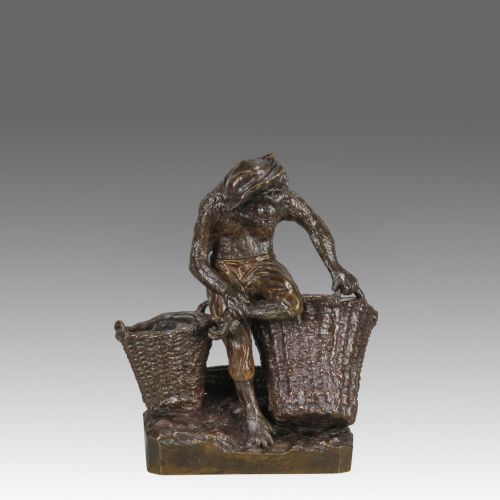
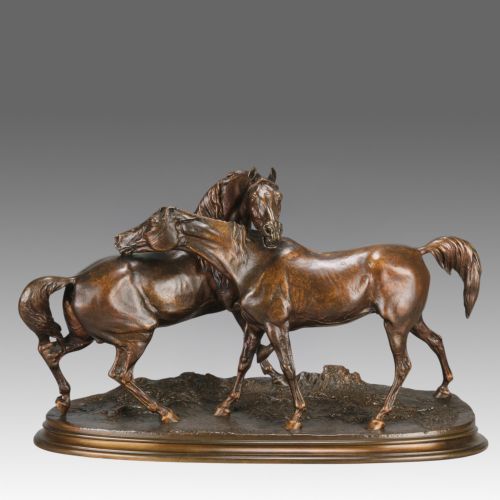
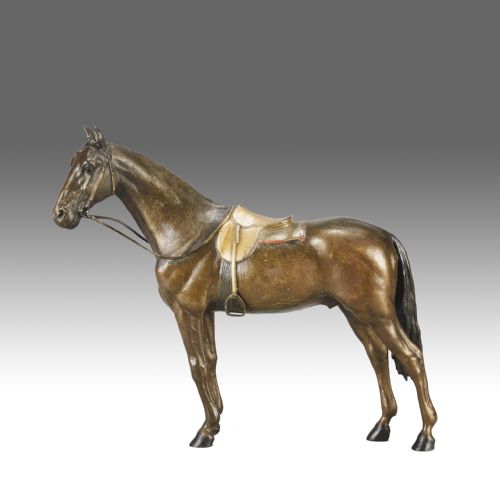
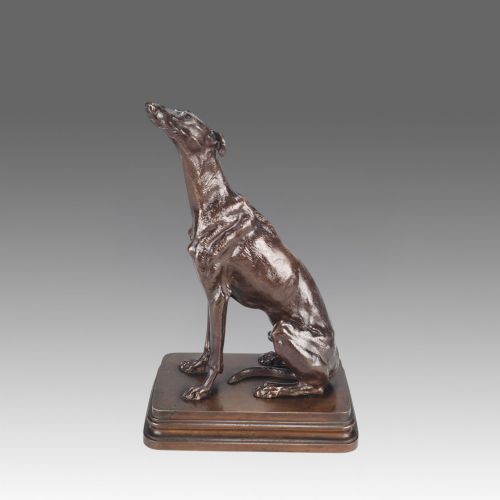
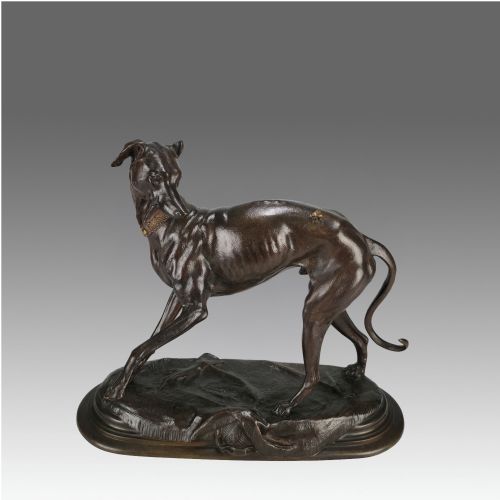
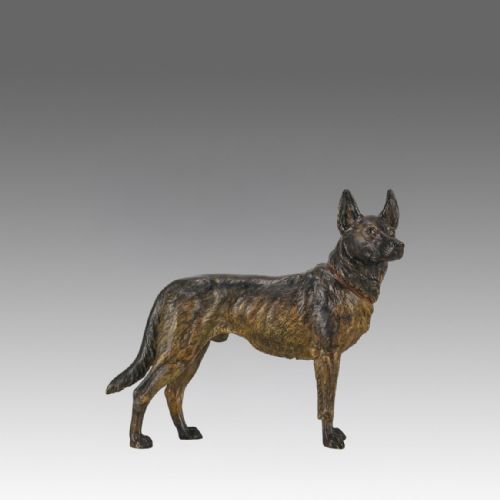
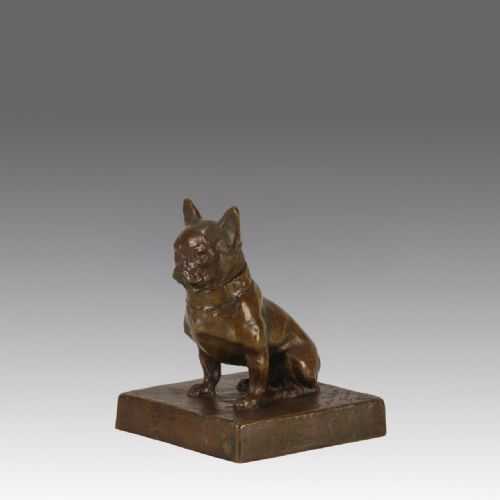
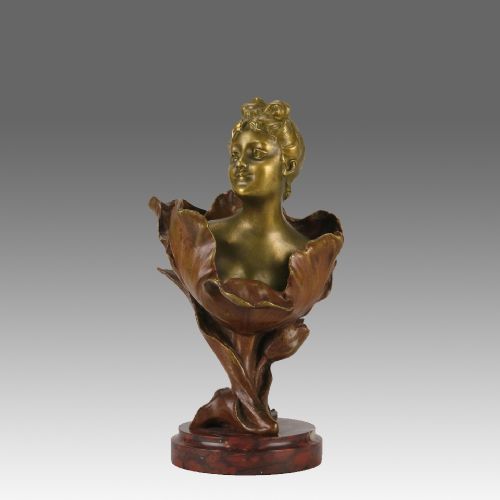
Brown Bronze Figurine
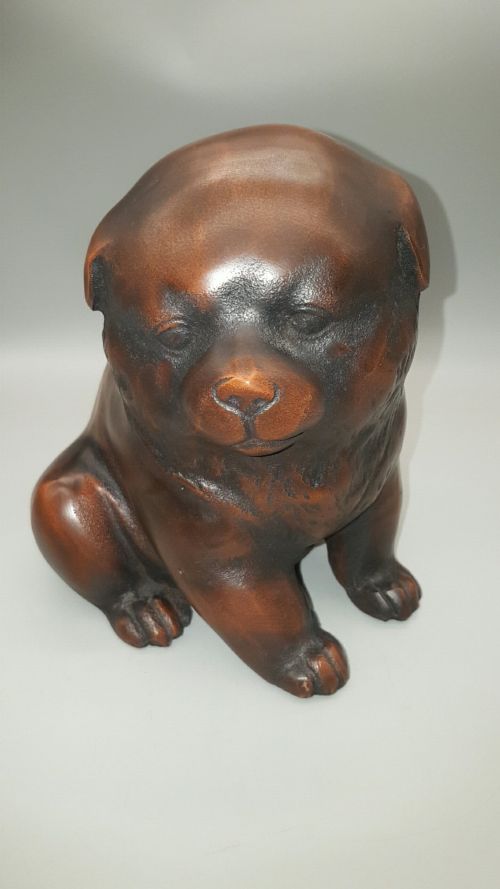
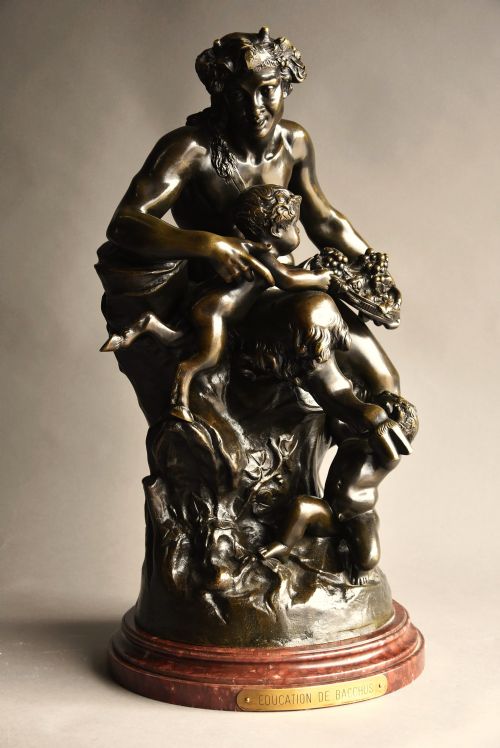
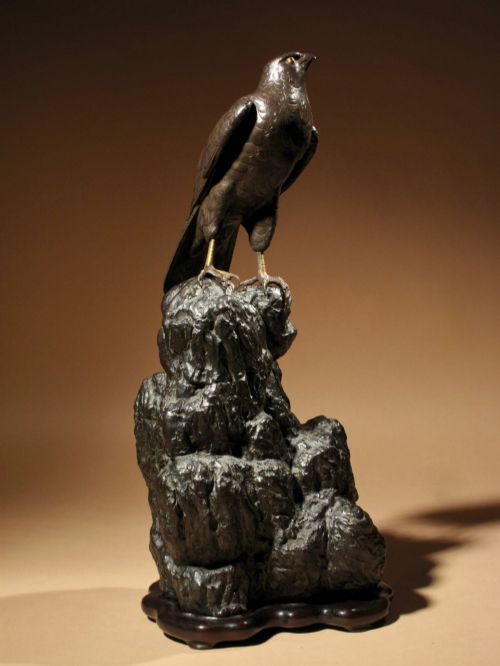
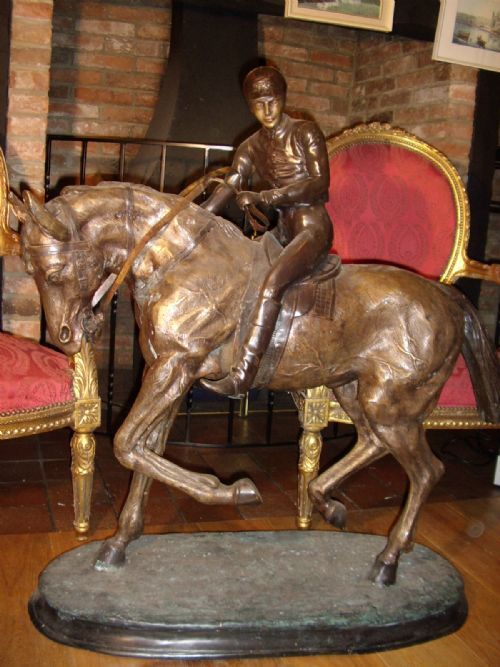
A brown bronze figurine brings tactile presence into a room, capturing human figures, animals, and classical subjects in enduring metal.
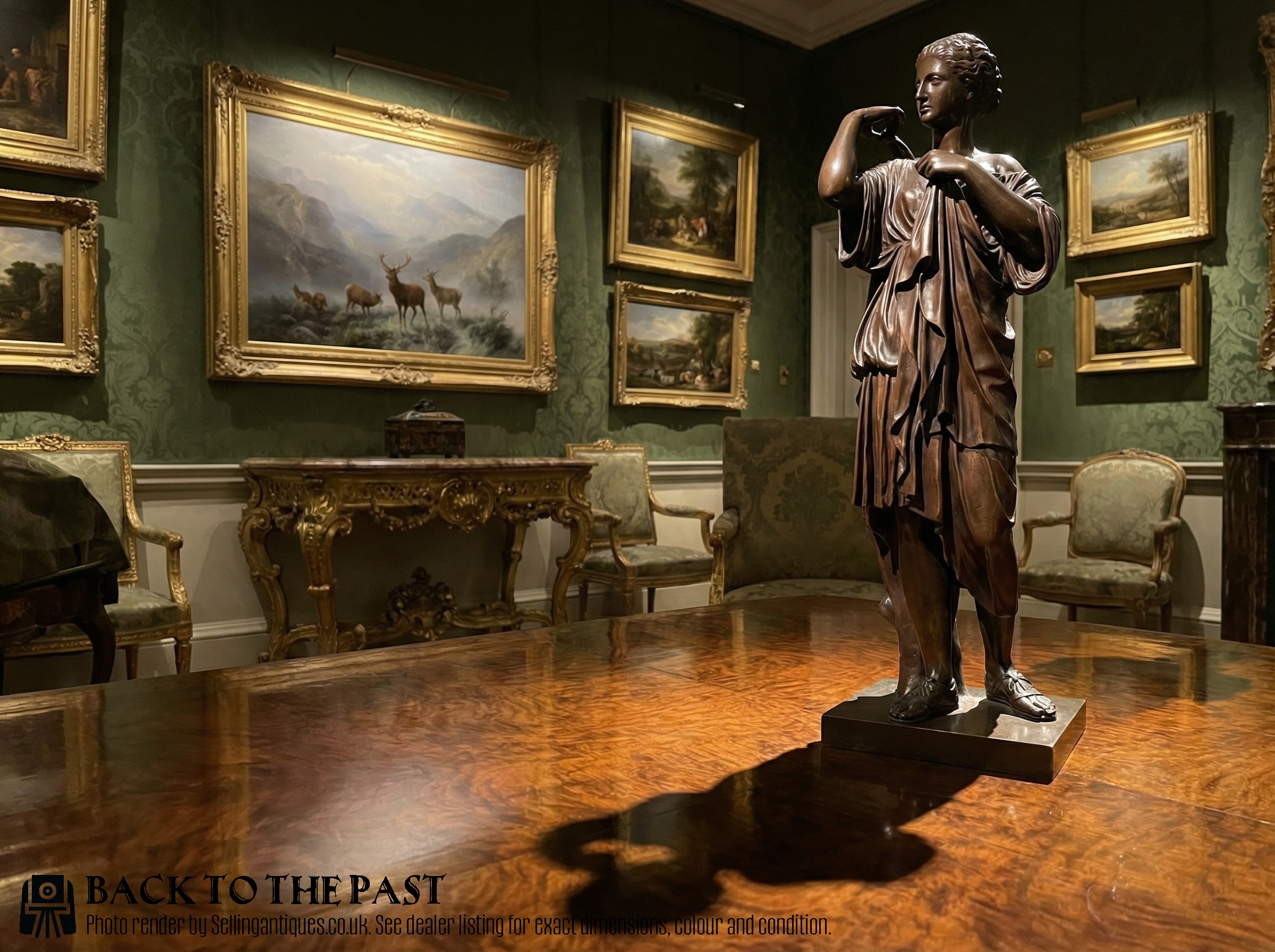
Brown Bronze Figurine
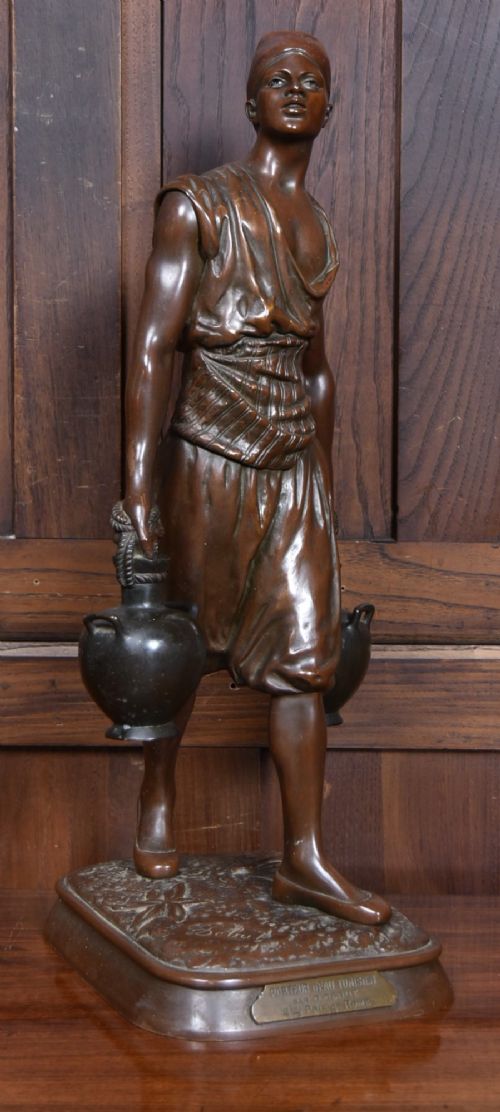
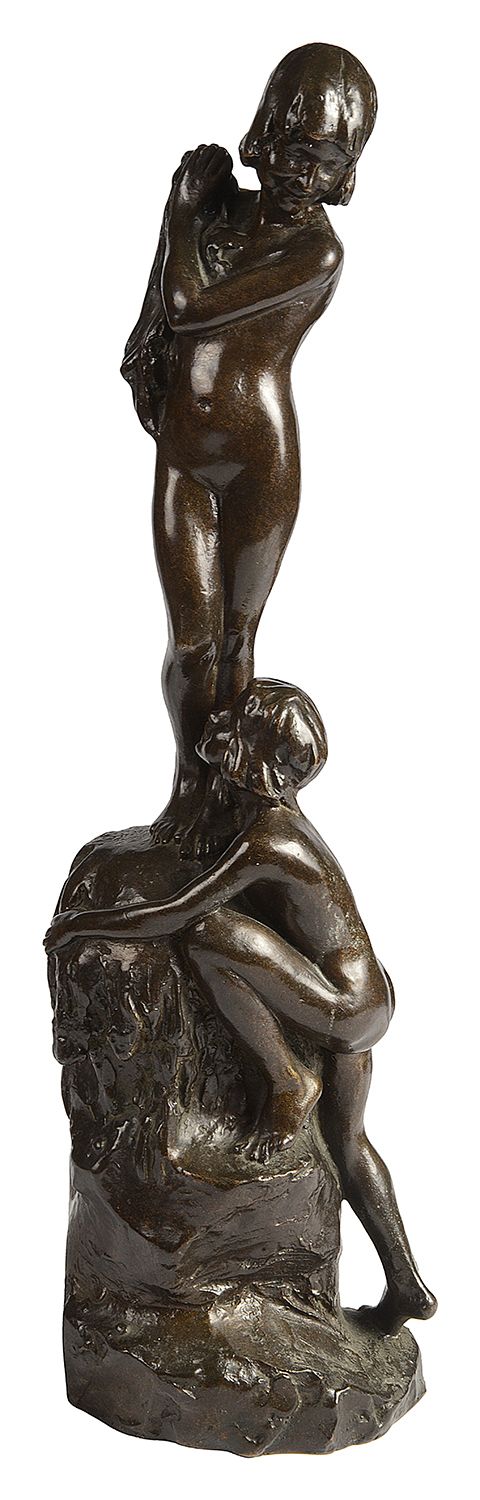
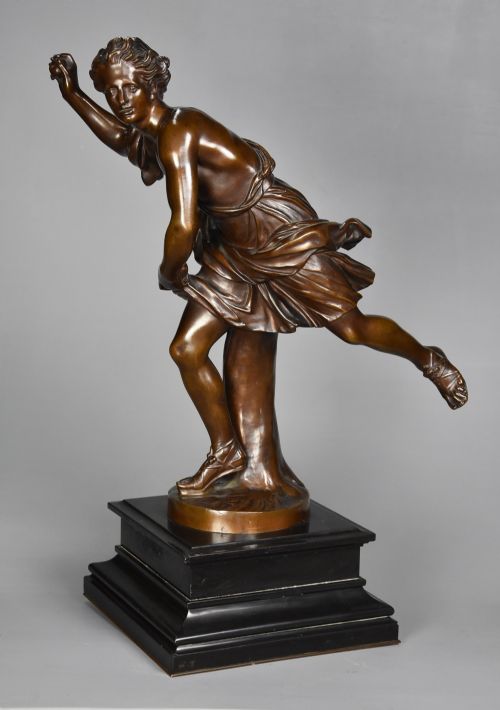
A brown bronze figurine represents sculptural work cast in metal, appearing in forms such as individual animals, human figures, mythological subjects, and dancers. When exploring this selection, buyers frequently encounter works originating from the nineteenth century through the early twentieth century, spanning periods like the Edwardian era, Art Nouveau, and Art Deco.
The objects take many shapes, from miniature sculptures and desk ornaments to large animalier groups and grand tour classical figures. Originating from diverse workshops and European foundries, these pieces reflect distinct regional tastes including French animal studies and Austrian cold-painted novelties.
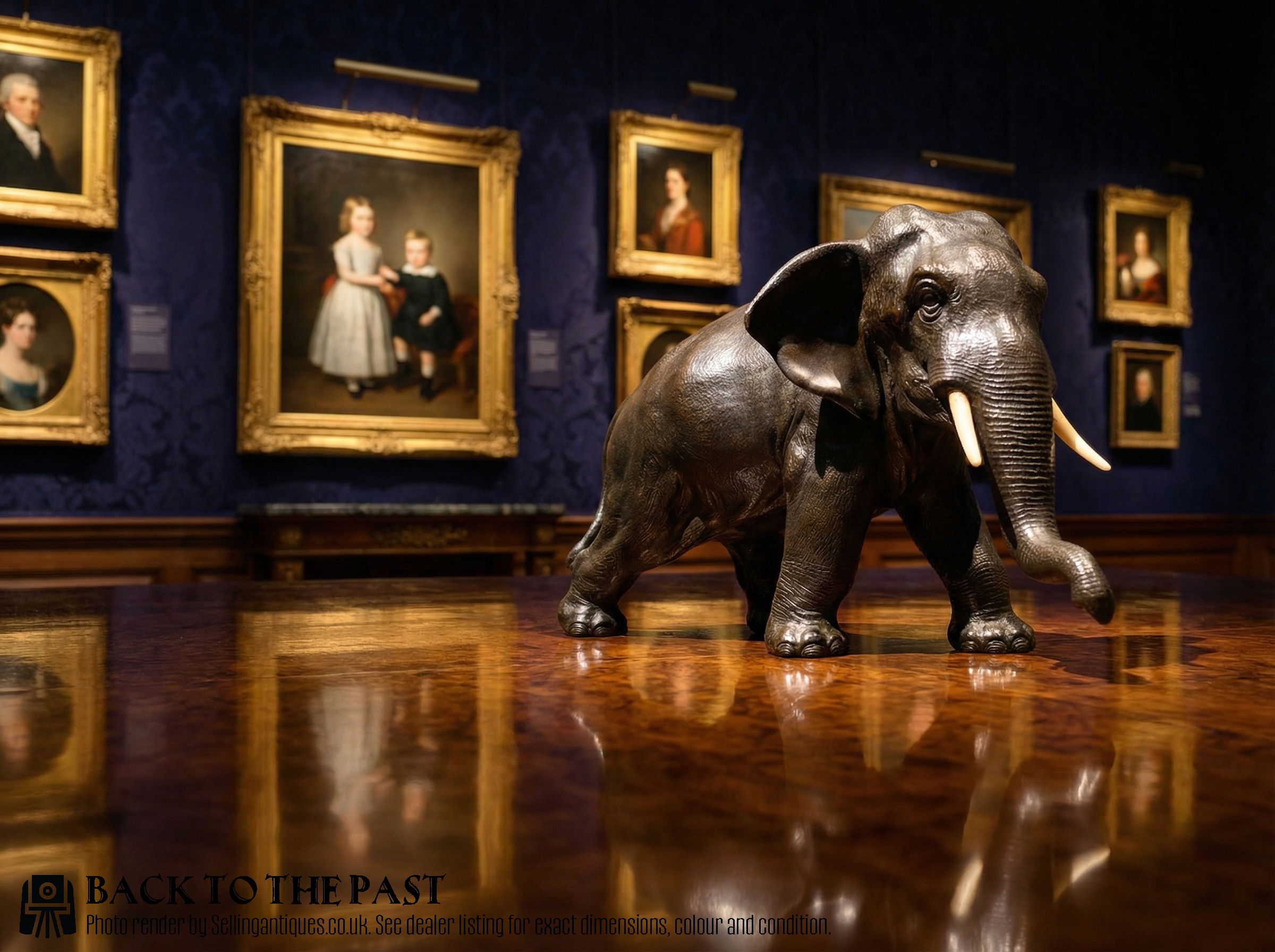
How they were made
Makers utilised traditional casting techniques, primarily working with bronze metal to achieve durable and detailed forms. Surfaces often received patination treatments, yielding brown tones ranging from deep chocolate to lighter warm shades.
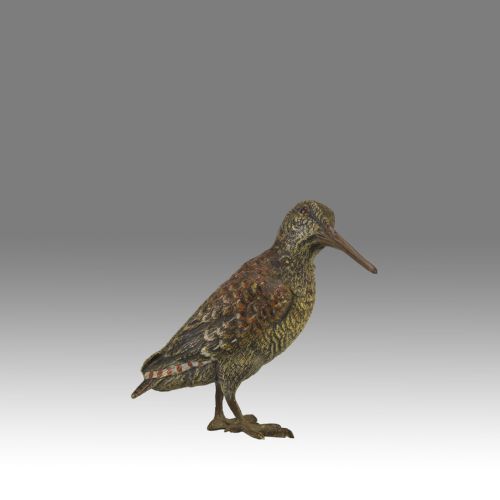
Certain pieces incorporate cold-painted techniques, applying paint directly onto the metal surface to render realistic plumage, fur, and costume details. Additional materials such as marble bases, paint, and occasional wooden or gilt elements appear in specific sculptural works.
Brown Bronze Figurine Retail Price Guide 2026
Typical asking prices for brown bronze figurine among the pieces listed under this phrase on Sellingantiques today, from the lower quarter to the upper quarter. They describe what is for sale here now, not the wider market.
Listings feature 19th-century and early 20th-century works cast in bronze, patinated bronze, and cold-painted bronze, alongside marble and wood.
What varies in quality
Surface treatments also distinguish the work, with complex patination or careful cold-paint preservation maintaining visual depth. Pieces cast by established founders or signed by recognised sculptors carry greater authority in their execution and proportion.
Franz Bergman·P J Mêne·Alfred Dubucand·Jules Moigniez·Emile Louis Picault
The Brown Bronze Figurine Glossary
- Animalier
- A term describing nineteenth-century sculptural works focused on animals, particularly wild beasts, horses, and domestic pets depicted with anatomical realism.
- Cold-Painted Bronze
- Metal figures painted with oil or enamel paints after casting, rather than fired in a kiln, a technique prominent in Austrian workshops.
- Patination
- The chemical treatment applied to metal surfaces to create specific coloration and protect the bronze from oxidation.
- Grand Tour
- Classical small-scale sculptures acquired by travellers visiting European cultural centres during the eighteenth and nineteenth centuries.
- Chasing
- The manual refinement of a raw metal casting using punches and hammers to sharpen details and remove surface flaws.
Brown Bronze Figurine: Frequently Asked Questions
What is a cold-painted bronze figurine?
A cold-painted bronze figurine is a metal casting decorated with oil or enamel paints applied after the casting process is complete. This technique gives animals and human figures vibrant, realistic coloration.
These pieces were particularly popular in Austrian workshops during the late nineteenth and early twentieth centuries. Collectors value them for the surviving detail of the painted surfaces.
How do I identify an animalier sculpture?
Animalier sculptures focus primarily on animals, showing them in natural poses, sometimes in motion or engaged in predatory struggles. The style emerged strongly in nineteenth-century France through dedicated sculptors.
Look for close attention to muscle structure, texture, and realistic anatomical proportions. These works range from small domestic pets to large wild beasts.
What periods do these figurines date from?
The listings predominantly feature pieces from the nineteenth century and the early twentieth century. This includes specific stylistic periods such as Art Nouveau, Art Deco, and the Edwardian era.
Dates often reflect the active years of the foundry or sculptor rather than a strict manufacturing year. Classical subjects also draw on earlier antique models reproduced during the nineteenth century.
How should I display bronze figurines at home?
Bronze figurines suit placement on sturdy wooden surfaces, mantelpieces, desks, or specialised display shelving. Their compact size makes them versatile for integration into various interior settings.
Ensure they sit away from excessive moisture and direct heat sources to protect any patination or cold-painted surfaces. Regular dusting with a soft, dry cloth keeps the metal stable.