

Antique Animal Bronze
These antique animal bronze works bring realistic and stylised creatures into domestic spaces through cast metal sculpture.
Antique Animal Bronze
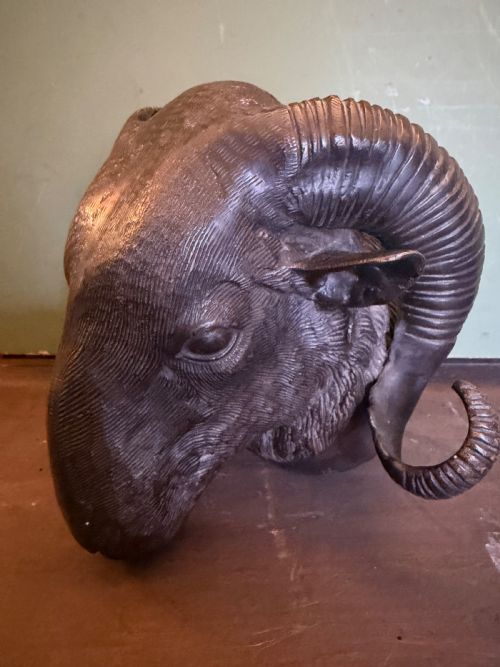
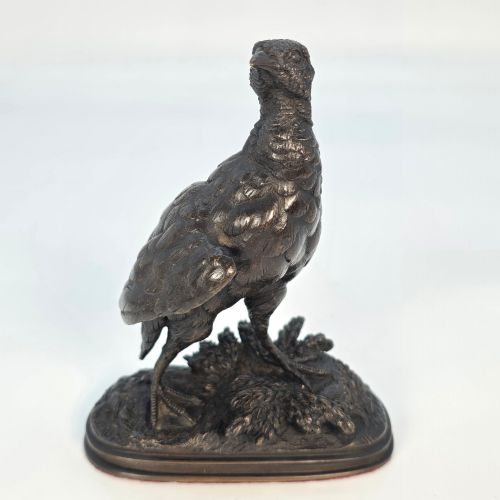
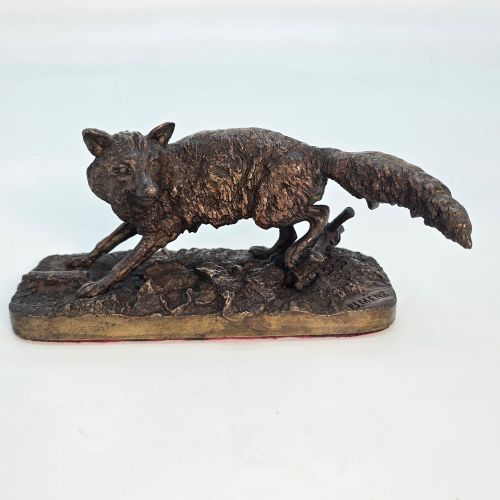
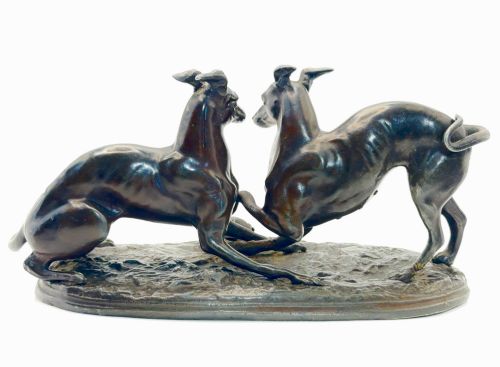
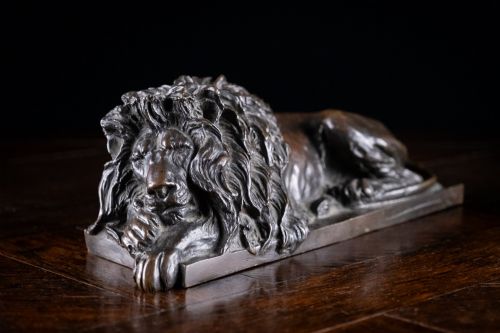
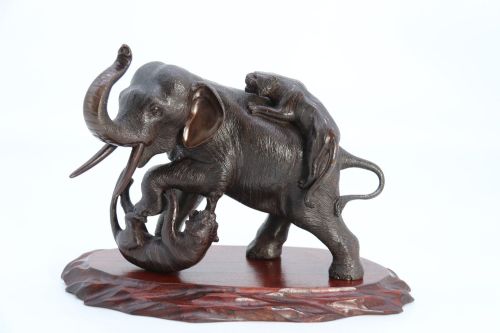
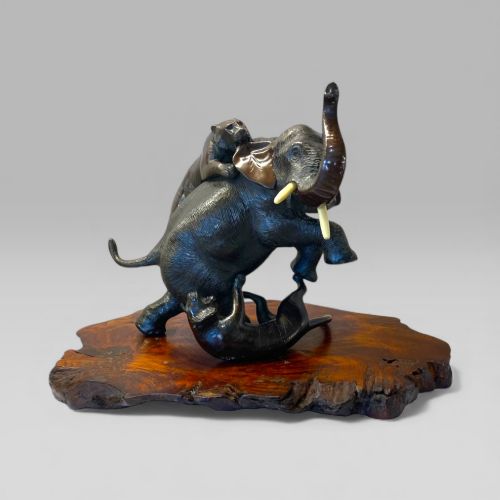
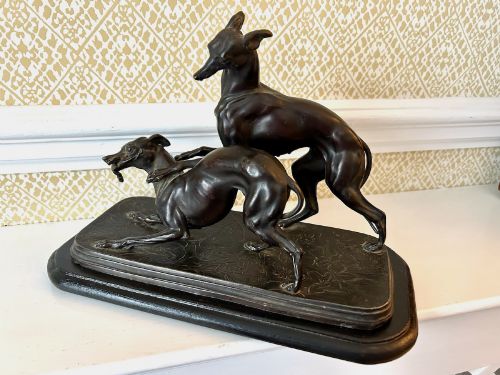
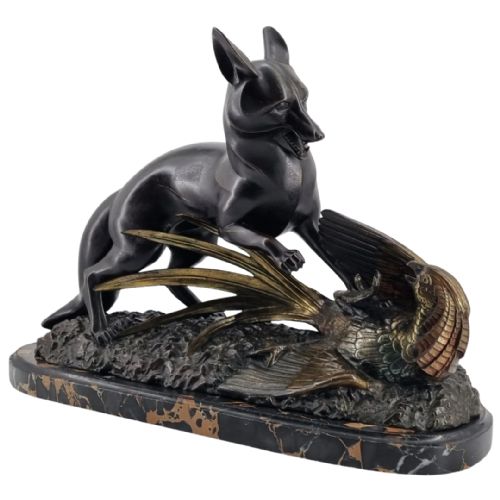
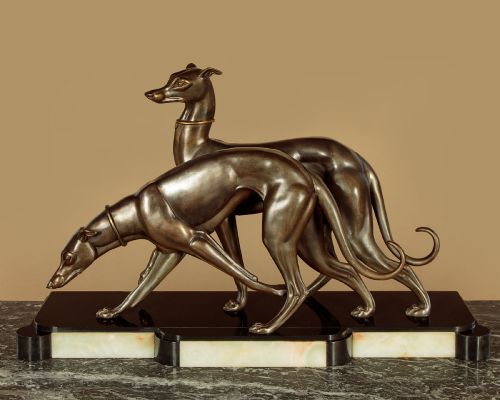
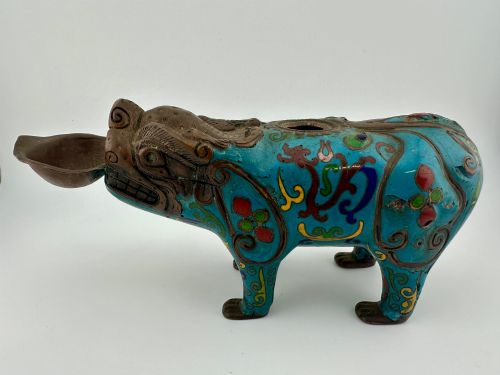
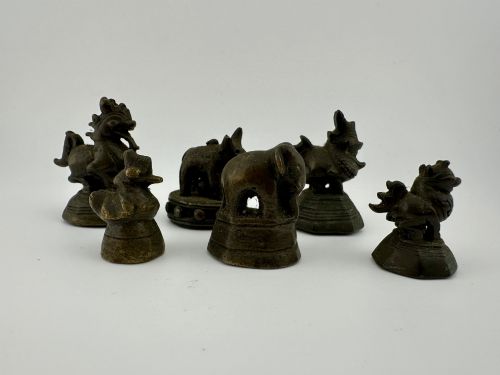
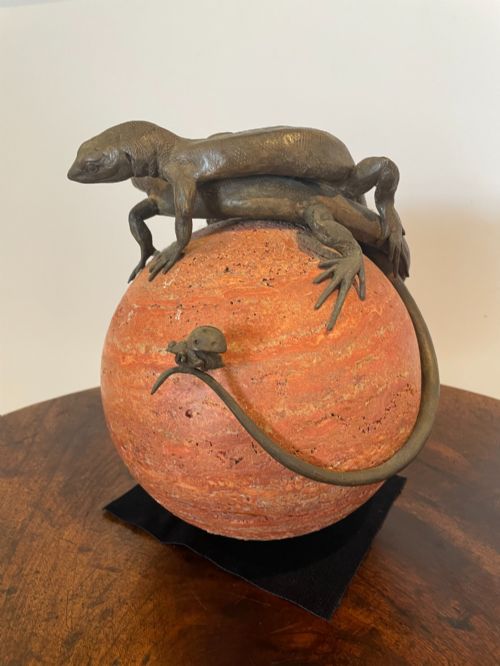
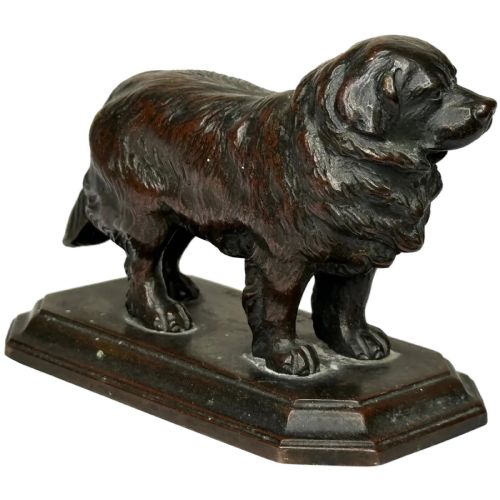
When someone searches for antique animal bronze, they encounter cast metal sculptures, vessels, and figures depicting creatures ranging from domestic dogs and farm animals to wild predators and mythical beasts. The selection spans the nineteenth century through the Art Deco period, incorporating European Animalier works alongside Japanese Meiji period okimono and Austrian cold-painted table figures.
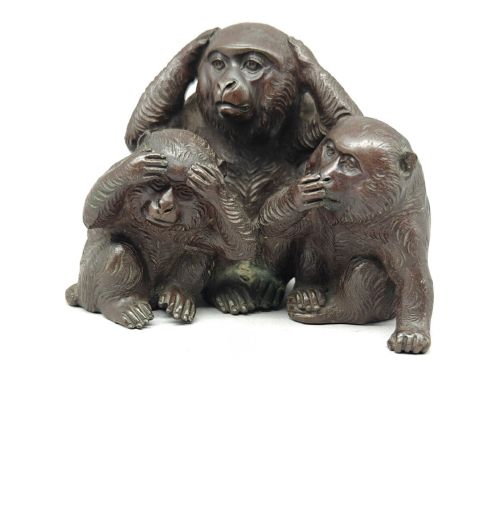
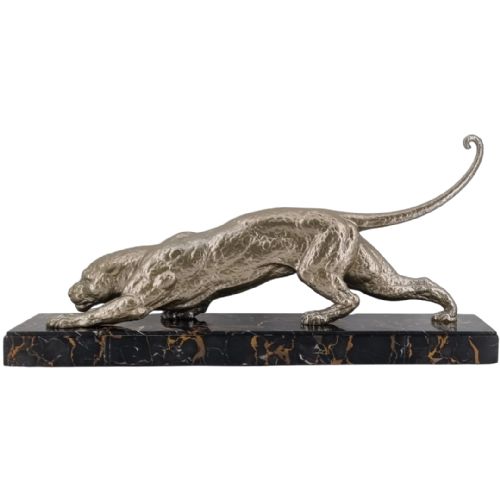
The most common pieces on this page are French Animalier bronzes of large felines and hounds, Japanese bronze okimono depicting monkeys, elephants, and cattle, and Austrian cold-painted figures of birds and dogs. These objects function variously as desk ornaments, bookends, table lamps, and cabinet sculptures.
How they were made
Makers utilised the lost-wax casting technique or sand-casting methods to shape molten metal into complex animal forms, often finishing the surfaces with hand-chiselling and patination. Many European and Austrian pieces received cold-painted polychrome finishes applied over a metallic base, while Japanese pieces frequently combined mixed metals and patinated bronze to delineate fur, feathers, and naturalistic bases.
Mounts and bases were integrated using materials such as marble, onyx, wood, and ivory to support heavier sculptures like prowling panthers and standing stags. Detailed elements such as tusks, eyes, and surface textures were hand-carved or inlaid separately before final assembly.
Antique Animal Bronze Retail Price Guide 2026
Typical asking prices for animal bronze among the pieces listed under this phrase on Sellingantiques today, from the lower quarter to the upper quarter. They describe what is for sale here now, not the wider market.
Scholarly monkeys and wise owls wear human expressions across several nineteenth-century pieces, reminding us that animals have posed as intellectuals for over a century.
What varies in quality
The fidelity of the casting and the precision of the chasing determine the quality of an animal bronze, distinguishing crisp musculature and feather articulation from soft, indistinct surfaces. Superior pieces retain their original cold-painted surfaces or rich chemical patinas without excessive modern over-painting or surface abrasion.
The artistry of the modeller dictates the life and movement captured in the subject, separating routine commercial castings from signed works by established sculptors of the French Animalier school, the Meiji period, or the Vienna workshops.
P J Mêne·D H Chiparus·Franz Bergman·Antoine Louis Barye·Christophe Fratin·Alexandre Ouline·Alfred Barye
The Antique Animal Bronze Glossary
- Animalier
- A nineteenth-century artistic movement focused on the realistic depiction of animals, particularly predators, horses, and hounds. Sculptors in this tradition studied anatomy extensively at menageries.
- Okimono
- A Japanese decorative figurine designed for display on a shelf or in a tokonoma alcove. These objects often depict animals, figures, and daily scenes from the Meiji period.
- Cold-painted bronze
- A method where bronze or brass figures are painted with cold enamel paints rather than fired in a kiln. Austrian workshops specialised in this technique for small animal figures.
- Patination
- The chemical colouring applied to the surface of bronze to create brown, green, or black tones. It protects the metal and defines the sculptural contours.
- Spelter
- A zinc alloy frequently utilised as a substitute for bronze in decorative figures. It is lighter and softer than bronze.
Antique Animal Bronze: Frequently Asked Questions
How do I clean antique bronze?
Dust the surface gently with a soft, dry brush to remove particles without disturbing the patina. Avoid using liquid cleaners, polishes, or abrasive cloths that strip the historical finish.
Keep the bronze away from direct sunlight and damp environments to preserve the chemical surface layer and prevent corrosion.
What is cold-painted bronze?
Cold-painted bronze refers to metal figures decorated with oil-based paints that dry without high-temperature firing. This technique created vibrant colours on small bird and animal sculptures.
Care is required because the paint layer can chip or flake if the piece is handled roughly or exposed to moisture.
How do I distinguish bronze from spelter?
Bronze is heavier, denser, and develops a rich patina over time, whereas spelter is a softer zinc alloy that often shows grey metal beneath worn paint. A magnet will not stick to either metal, but a small scratch on an unseen base reveals the lighter grey colour of spelter compared to the warm copper tone of bronze.
Spelter figures were often produced as more affordable alternatives to bronze sculptures during the Art Deco period.
Where were Japanese okimono displayed?
Okimono were placed in traditional Japanese interiors on display shelves or within decorative alcoves. They were meant to be appreciated close up for their intricate detail and storytelling elements.
Today, they sit well on modern desks, sideboards, or within glass display cabinets alongside other small works of art.