



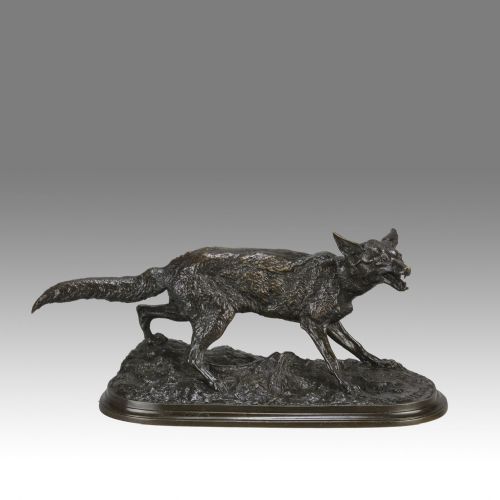
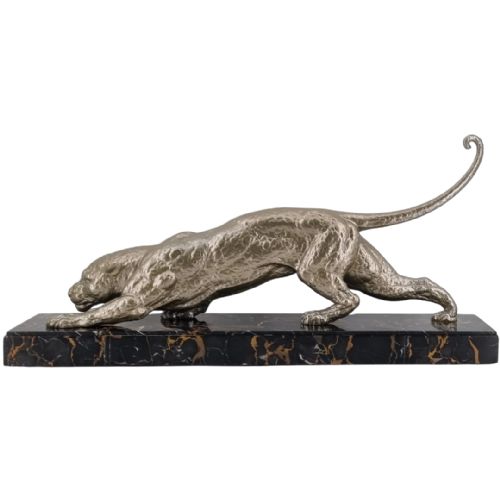
Antique Animalier Bronze
When you search for antique animalier bronze, you are looking at metal sculptures of animals cast primarily in the nineteenth and early twentieth centuries.
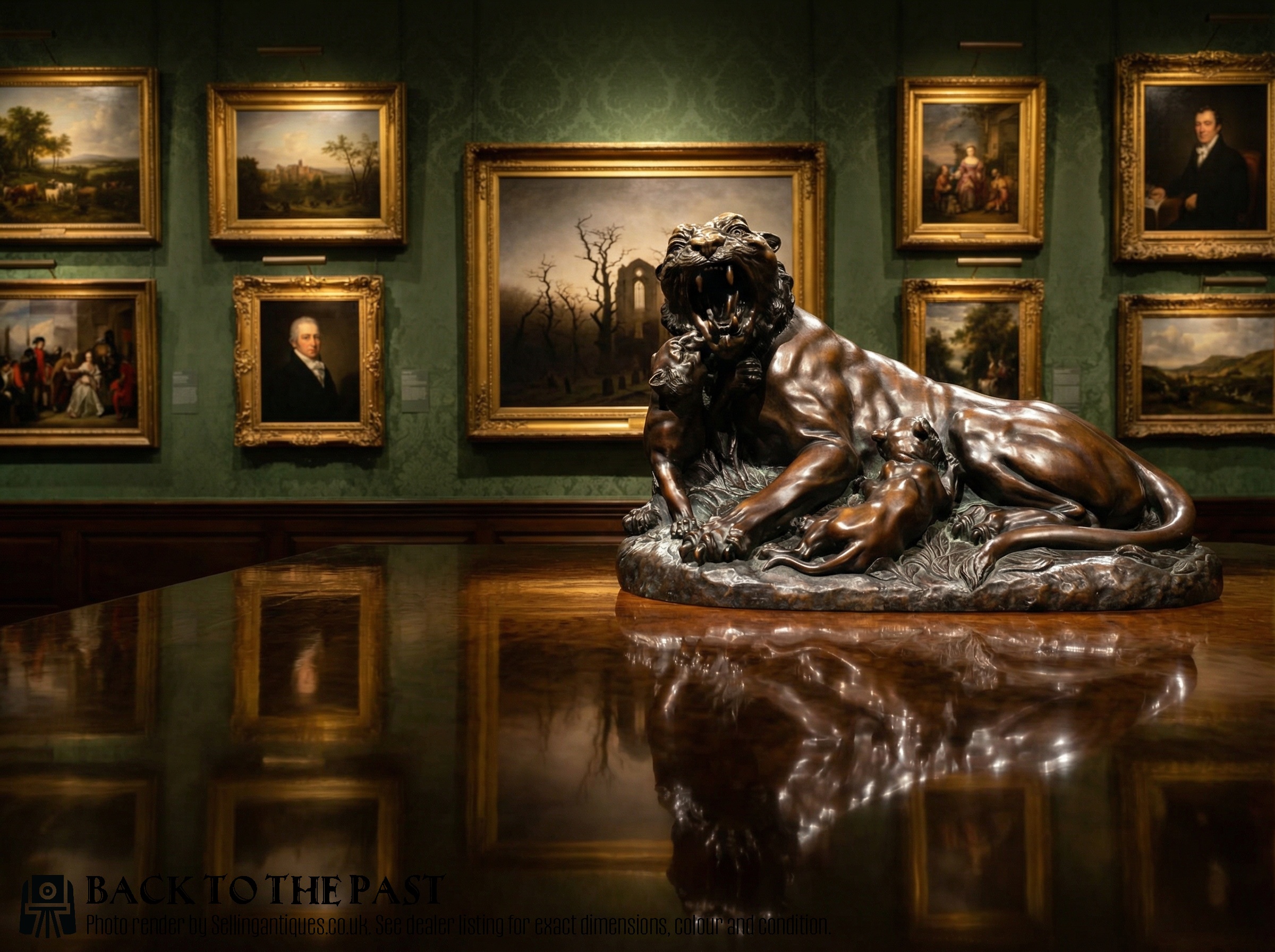
Antique Animalier Bronze
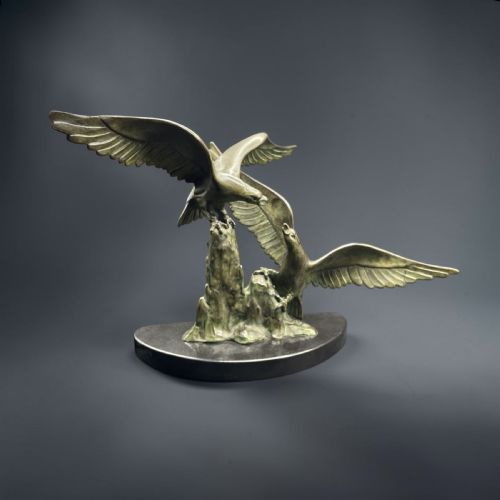
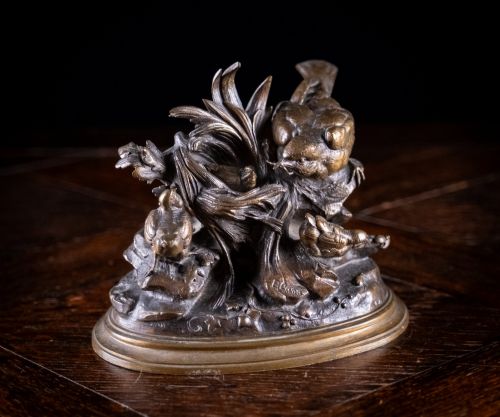
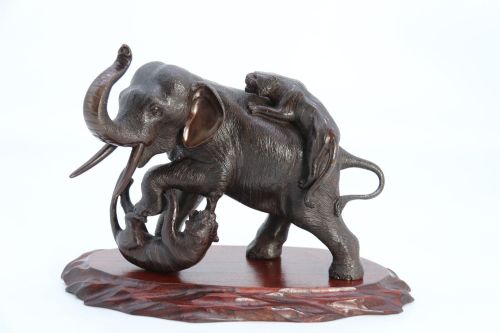
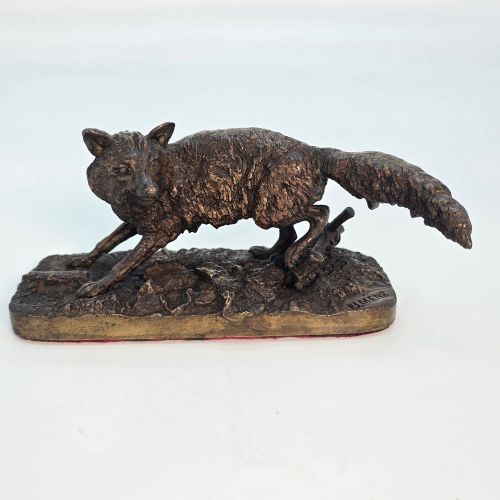
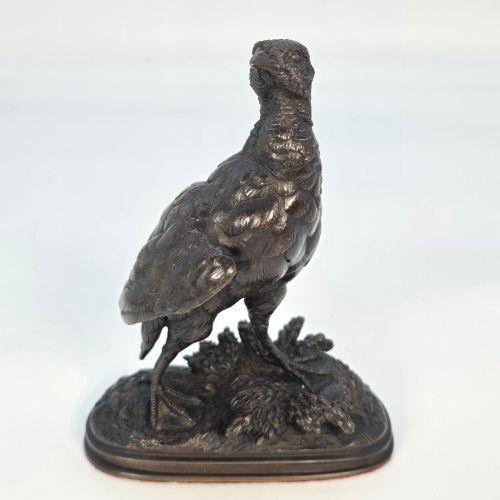
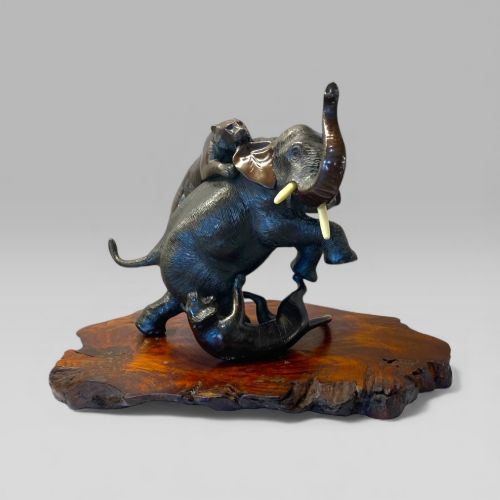
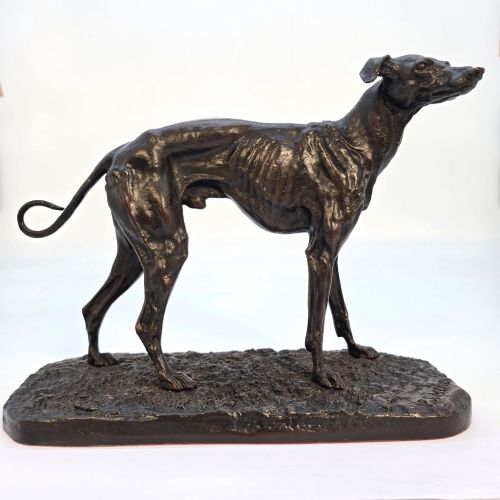
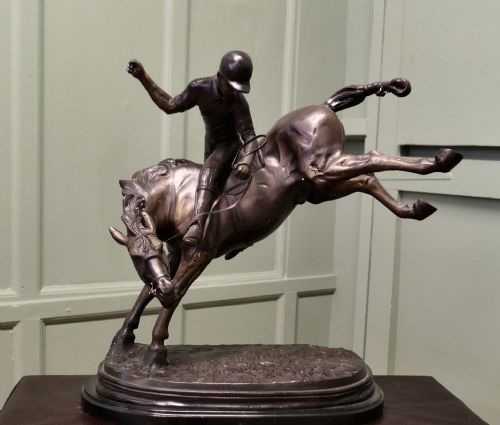
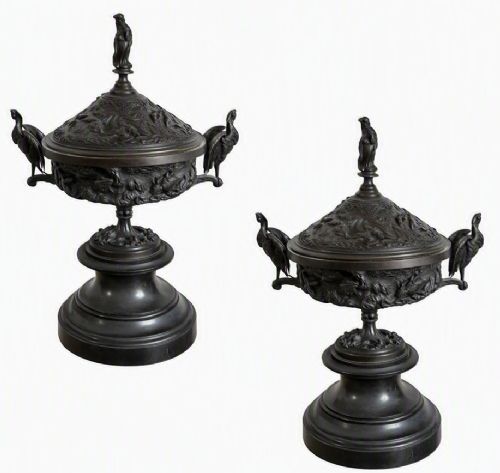
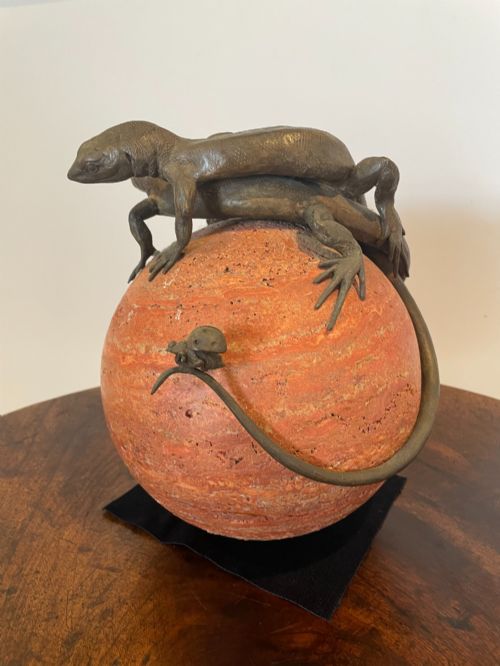
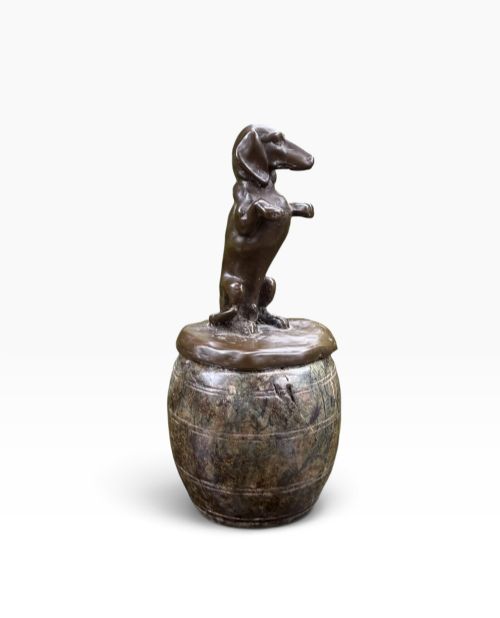
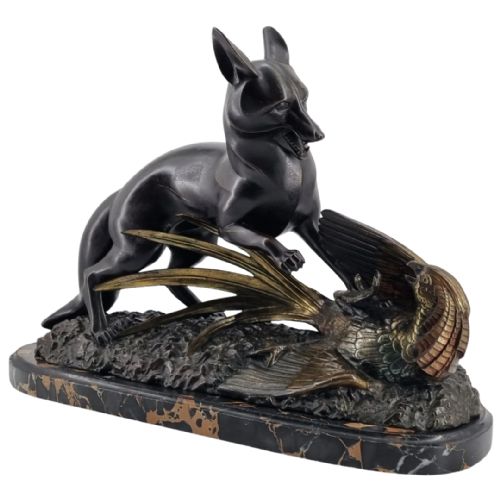
Antique animalier bronze pieces encompass sculptures, statuettes, mantel clocks, and inkstands depicting domestic and wild animals. The forms range from naturalistic studies of dogs, horses, and birds to dramatic scenes of predators and prey.
You are most likely to meet nineteenth-century French animalier bronzes alongside later Art Deco interpretations on this page. These works frequently feature subjects mounted upon marble or onyx bases.
Origins span from French foundries to Japanese workshops, reflecting diverse regional approaches to capturing animal anatomy. Functional objects such as inkstands and clocks integrate these sculptural figures into everyday furnishings.
What varies in quality
The precision of the chasing work after casting dictates how sharply muscle definition and fur texture are rendered. Finer pieces retain crisp anatomical details without evidence of smoothing or soft edges.
The depth and consistency of the patination differentiate standard foundry output from superior examples. An expertly applied patina ages with a subtle warmth rather than a flat or chalky finish.
Antique Animalier Bronze Retail Price Guide 2026
Typical asking prices for animalier bronze among the pieces listed under this phrase on Sellingantiques today, from the lower quarter to the upper quarter. They describe what is for sale here now, not the wider market.
Listings feature 19th Century, Victorian, Art Deco, and Art Nouveau periods, alongside materials like bronze, marble, brass, and enamel.
Carl Kauba·P J Mêne·Louis Emile Cana·R Varnier·Frederique Cederlund-Ozanne·Christophe Fratin·Emile Carlier·Alexandre Ouline·Jules Bonheur·Kunio Itô·Franz Bergman·Dora Heber·Alfred Dubucand·Alfred Barye·Antoine Louis Barye·John Willis Good·Tsunemitsu
The Antique Animalier Bronze Glossary
- Animalier
- A nineteenth-century art movement dedicated to the realistic portrayal of animals. Sculptors in this tradition focused closely on animal anatomy and movement.
- Lost-wax casting
- A metal casting process where a wax model is melted out and replaced with molten bronze. This technique allows for exceptional fidelity to the original sculpt.
- Patina
- The surface coloration or sheen developed on bronze through chemical treatment or age. It protects the metal and defines the visual texture of the sculpture.
- Cold-painted bronze
- A method where paint is applied to a cold bronze object rather than fired in a kiln. Vienna bronzes frequently utilise this technique for vibrant polychrome effects.
Antique Animalier Bronze: Frequently Asked Questions
What is an animalier bronze?
An animalier bronze is a metal sculpture depicting animals, created primarily during the nineteenth and early twentieth centuries. These pieces focus on realistic anatomy and dynamic movement.
Artists observed wildlife and domestic creatures closely to capture authentic poses, ranging from resting lions to racing horses.
How do I care for bronze?
Care for bronze involves dusting the surface gently with a soft, dry cloth to prevent dirt accumulation. Avoid using chemical cleaners or polishes that can strip the original patina.
Keeping the sculpture away from excessive moisture and direct sunlight preserves the metal finish and any attached stone bases.
Where were these bronzes made?
These bronzes originated predominantly in European workshops, with French foundries producing a large portion of nineteenth-century pieces. Vienna also became known for specialised painted animal figures.
Japanese metalworkers created distinct animal sculptures during the Meiji period, often incorporating mixed materials into the designs.
Why are they mounted on marble?
Marble and onyx bases provided a stable foundation for heavy metal sculptures while adding an architectural element to the display. These plinths complemented the dark tones of the patinated metal.
Many nineteenth-century mantel clocks and desk accessories integrated the bronze figures directly into functional stone housings.