



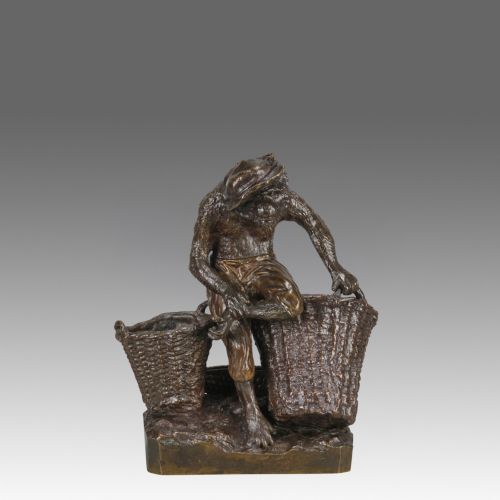
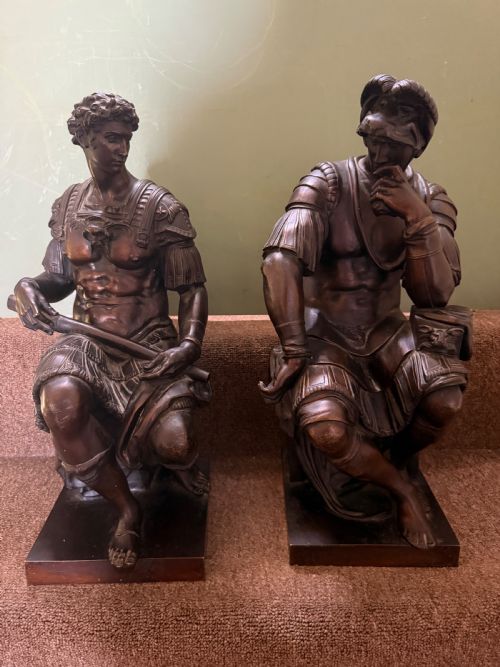
Dark Brown Bronze Statue
A dark brown bronze statue brings tactile weight and classical presence to a room, cast in forms from animalier studies to Grand Tour souvenirs.

Dark Brown Bronze Statue
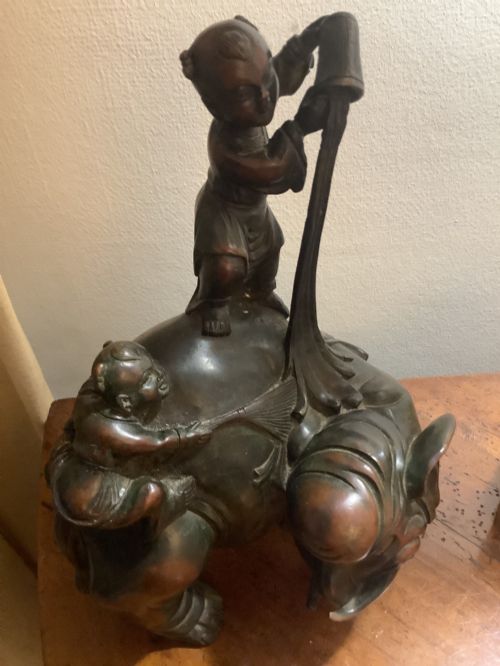
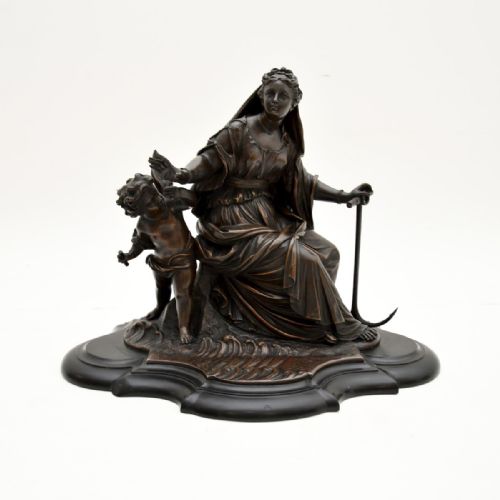
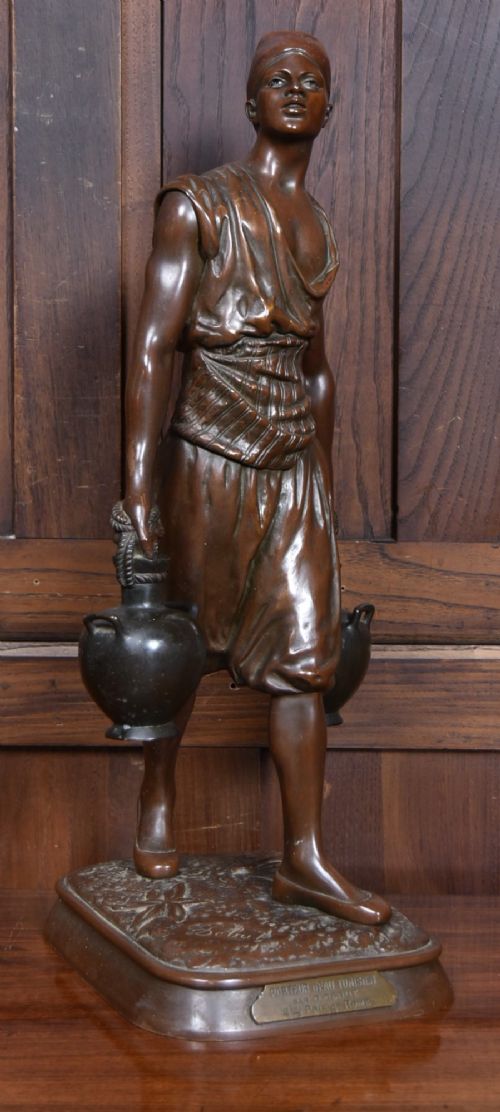
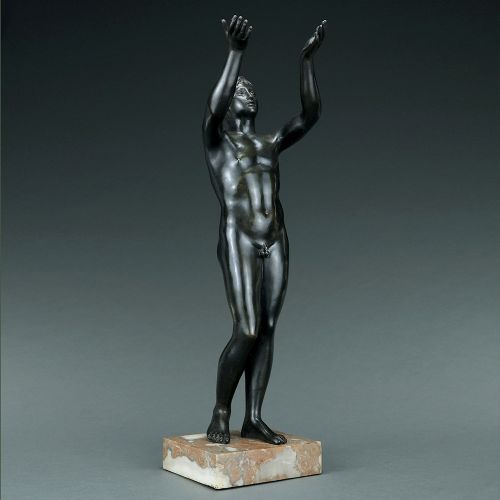
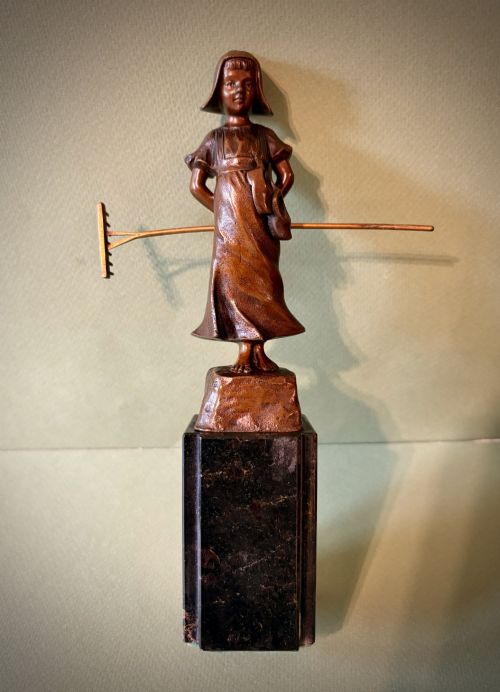
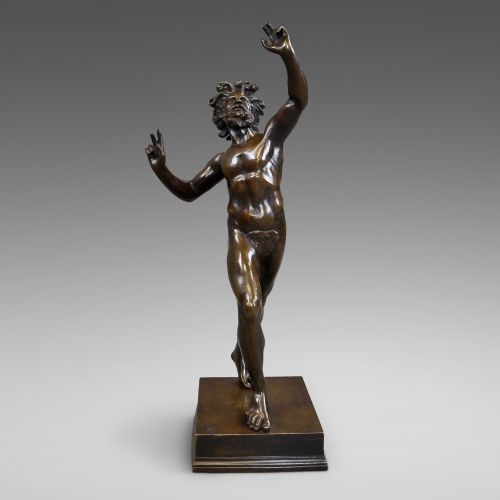
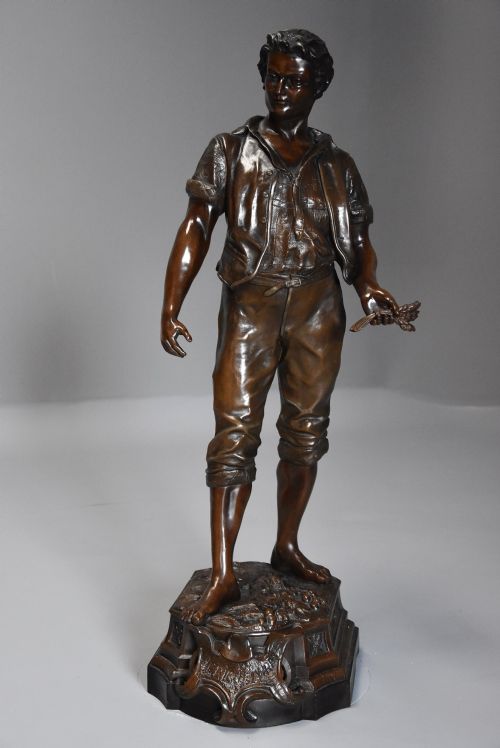
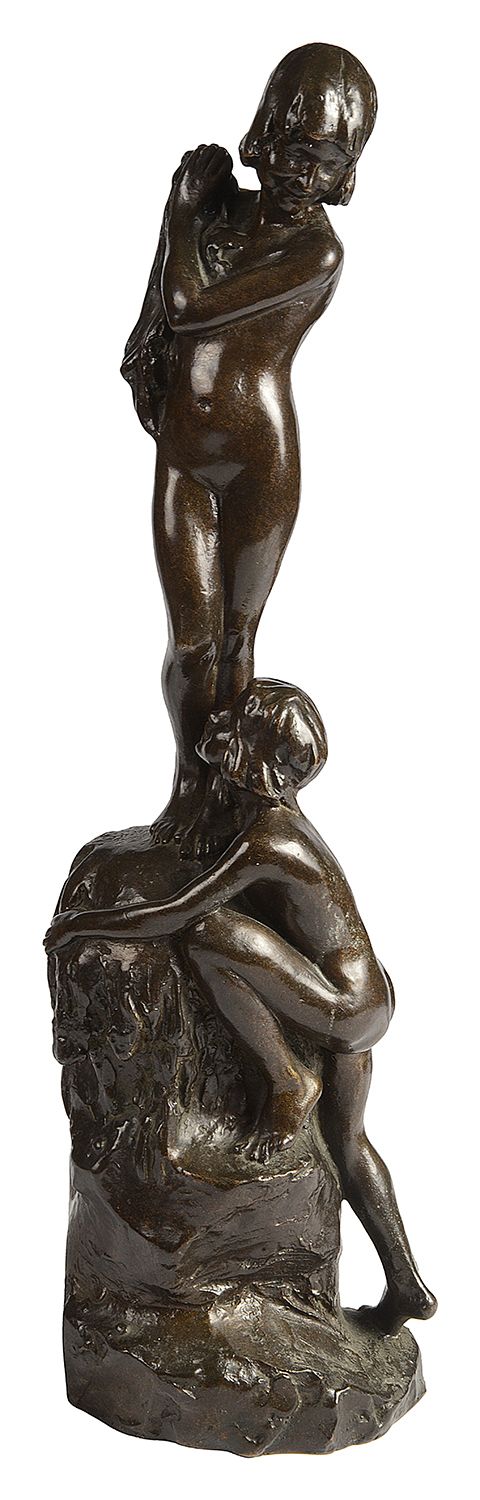
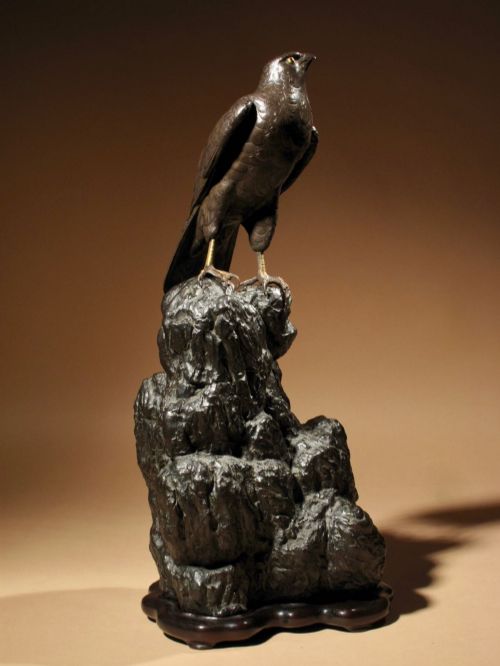
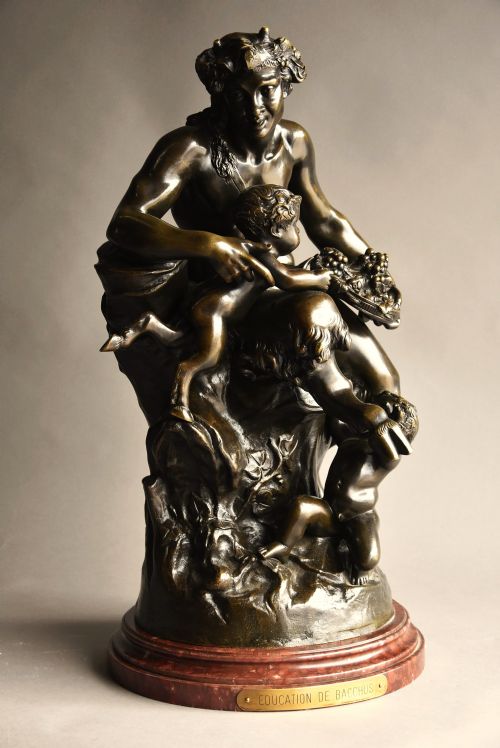
A dark brown bronze statue encompasses sculptural works cast primarily in the nineteenth and early twentieth centuries, spanning French animalier subjects, Italian Grand Tour souvenirs, and Japanese Meiji period bronzes. Buyers seeking a dark brown bronze statue will encounter figures of animals, mythological satyrs, classical dancers, and architectural models cast with deep patination.
The selections on this page draw heavily from French realism, Austrian cold-painted works, and Neoclassical traditions originating in Parisian foundries and Italian workshops. Many pieces echo canonical antiques, utilising patinated bronze alongside substitute metals such as bronzed spelter.
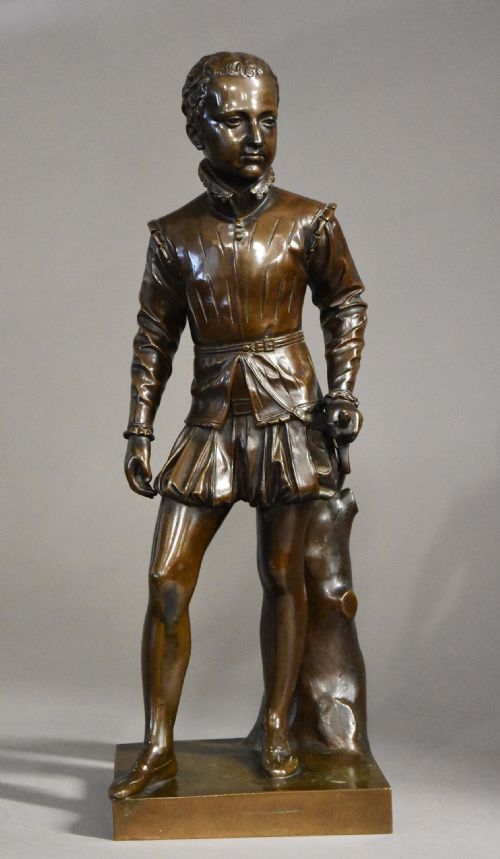
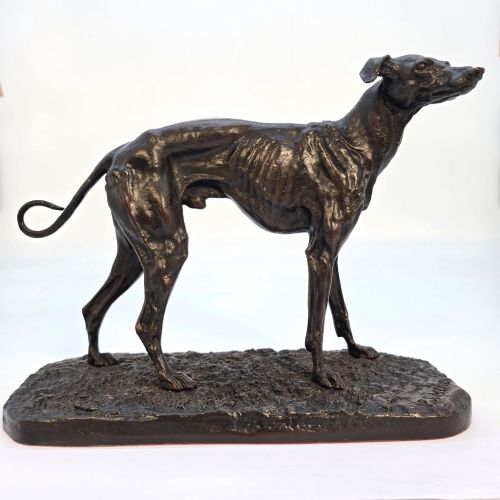
Collectors look for subjects ranging from racehorses and greyhounds to human figures like the Neapolitan fisherboy and mythological characters. The dominant forms reflect a period of immense technical skill in casting, whether the piece is a small desk ornament or a large floor-standing group.
Materials and casting methods
The primary material across these listings is bronze, frequently treated with chemical patination to achieve deep brown or dark tones, though patinated spelter and plaster also appear. Foundries utilised the lost-wax method or sand casting to achieve crisp detail in fur, muscle, and drapery.
Surface treatments vary from polished highlights on dark patination to cold-painting with polychrome pigments, particularly seen in Austrian animal figures. Elements like shakudo and marble bases provide structural weight and textural contrast to the metal figures.
Dark Brown Bronze Statue Retail Price Guide 2026
Typical asking prices for dark brown bronze statue among the pieces listed under this phrase on Sellingantiques today, from the lower quarter to the upper quarter. They describe what is for sale here now, not the wider market.
Listings feature works from the nineteenth and early twentieth centuries, incorporating materials such as bronze, patinated spelter, shakudo, and marble.
Markers of fine execution
Quality in these sculptures rests upon the crispness of the chase work, where artisans hand-tooled the raw metal after casting to define hair, expression, and texture. Fine examples retain subtle gradations in the dark brown patina rather than a flat, uniform lacquer.
The fidelity of the cast to the original model distinguishes superior works, especially in posthumous or studio editions of animalier and classical subjects. Heavier gauge metal, secure mounting to marble plinths, and clear signatures or foundry stamps elevate a piece.
E.A. Clapp·Jomi Eisuke·F. Milliot·Claude Michel Clodian·Pierre Jules Mene·Christophe Fratin·Alfred Dubucand·Alfred Barye·Franz Bergman·Aurore Onu·Tsunemitsu·Jean-Baptiste Carpeaux·Jules Dalou·Coustou·Isidore Jules Bonheur·Dopmeier·Charles Crozatier·Jules Moigniez·Emile Louis Picault·Giuseppe Moretti
The Dark Brown Bronze Statue Glossary
- Animalier
- A nineteenth-century artistic movement focusing on the realistic depiction of animals, particularly horses, hounds, and wild beasts in dynamic movement. Artists in this tradition studied anatomy closely at menageries.
- Grand Tour
- A traditional trip through Europe undertaken by upper-class young men in the eighteenth and nineteenth centuries, resulting in the collection of bronze souvenirs depicting classical monuments and sculptures.
- Patination
- The chemical or natural process that alters the surface colour of metal over time, producing rich brown, green, or black tones. This finish protects the bronze while defining its visual depth.
- Spelter
- A zinc alloy frequently used as a cheaper substitute for bronze, often painted or patinated to imitate the heavier metal. It is softer than bronze and generally lighter in weight.
- Shakudo
- A Japanese decorative alloy of copper with a small percentage of gold, treated to develop a dark purple-black or brown patina. It is often employed in conjunction with bronze for fine detailing.
Dark Brown Bronze Statue: Frequently Asked Questions
What is an animalier bronze statue?
An animalier bronze statue is a nineteenth-century sculpture focused on realistic representations of animals, often showing them in tense, naturalistic action such as hunting or racing. These works were popularised by French and Austrian foundries.
The genre prioritises anatomical precision and dramatic posture, capturing creatures from greyhounds and stags to birds and tarantula spiders.
How do I identify a Grand Tour bronze?
Grand Tour bronzes are small-scale replicas of famous classical sculptures or architectural models, collected by travellers in Italy during the nineteenth century. They often depict figures like the dancing faun or temples in Rome.
These pieces typically feature a dark, aged patination designed to mimic ancient excavated artefacts and were intended for display on library shelves or desks.
What is cold-painted bronze?
Cold-painted bronze refers to sculptures painted with natural oil or enamel paints at room temperature rather than fired in a kiln. This technique was widely used in Austrian workshops during the late nineteenth and early twentieth centuries.
The method allows for vibrant polychrome finishes on animal figures, though the paint can show wear if handled frequently without care.
How should I clean a dark brown bronze statue?
Cleaning bronze requires only gentle dusting with a soft, dry brush or microfibre cloth to prevent the accumulation of grit. Avoid using water, detergents, or metal polishes, which can strip the patinated surface.
Applying a very light coat of microcrystalline wax occasionally helps protect the metal from atmospheric moisture and handling oils.