
Patinated Bronze Animal Sculpture
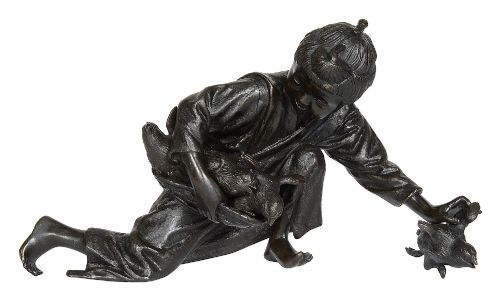
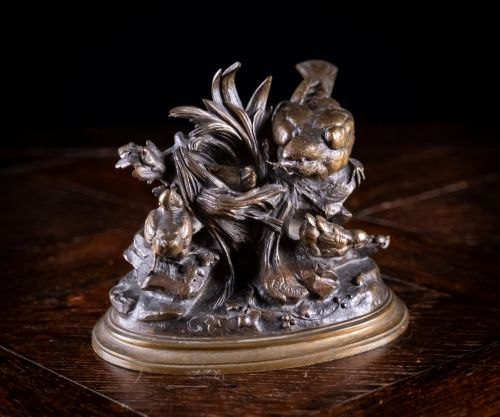
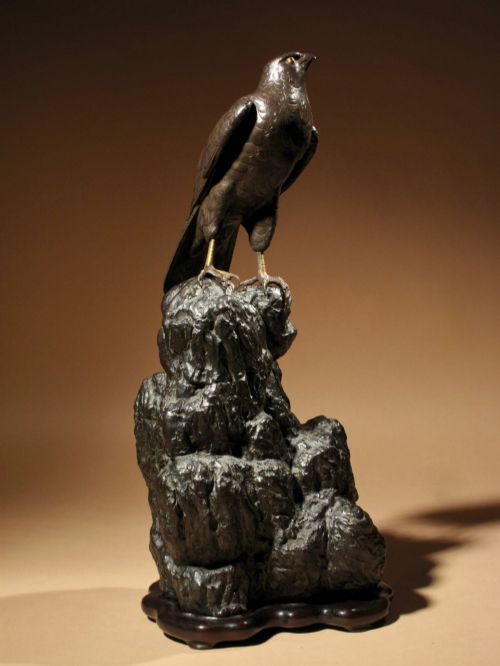
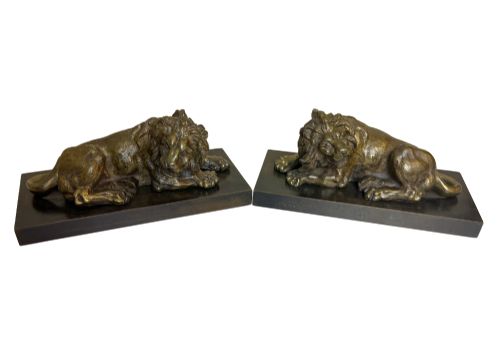
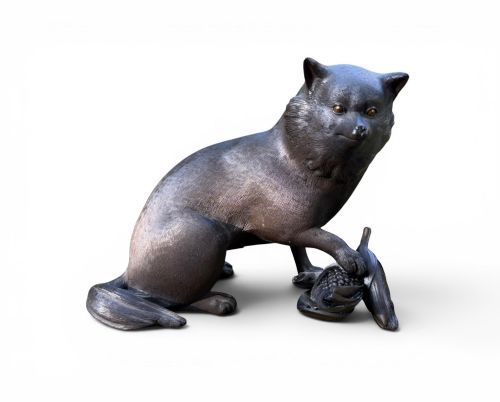
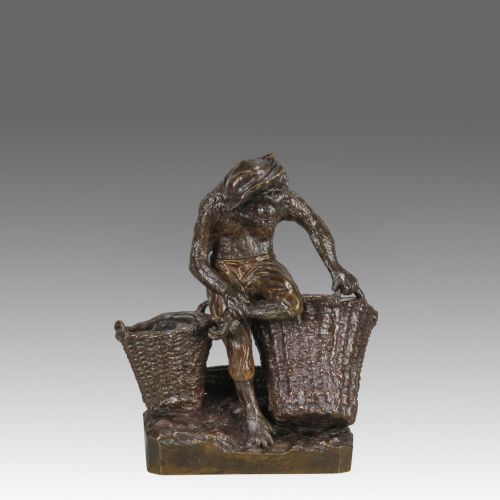
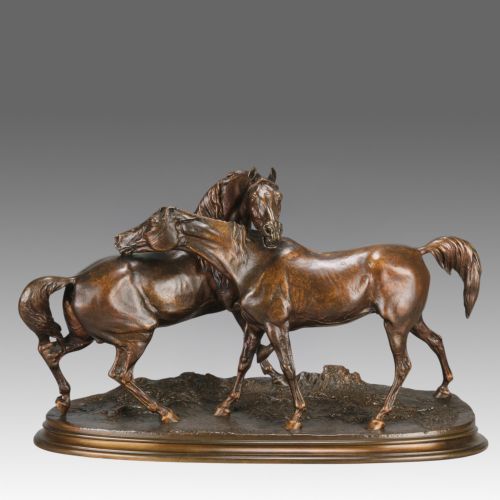
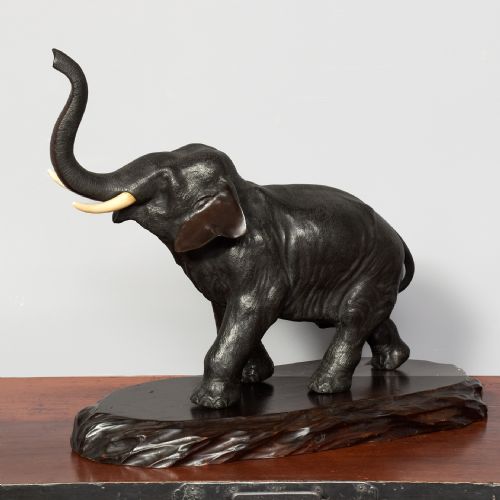
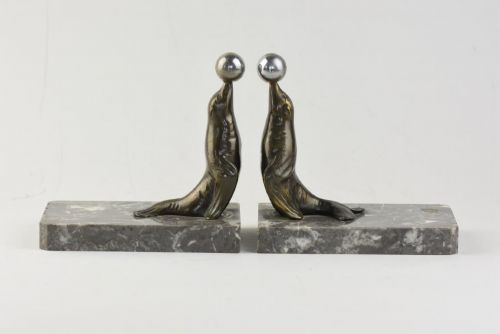
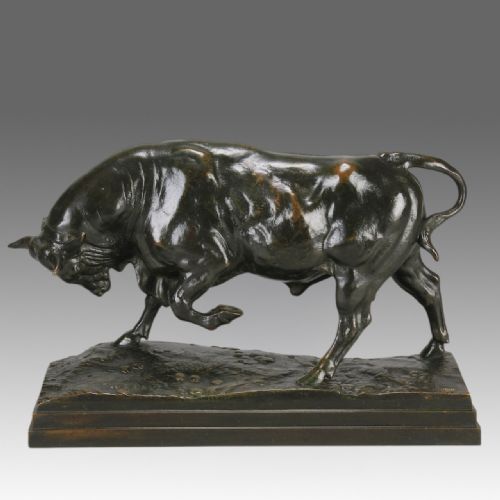
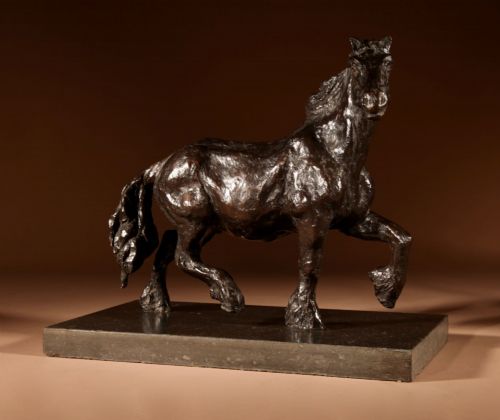
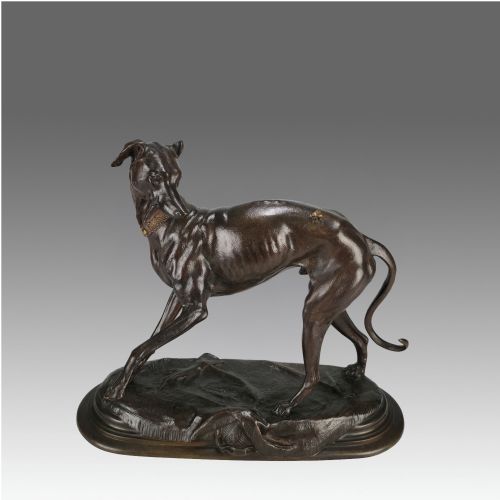
These patinated bronze animal sculpture pieces capture the sharp focus of wildlife in cast metal, bringing nineteenth and twentieth-century form directly to your desk or mantelpiece.
What these pieces are
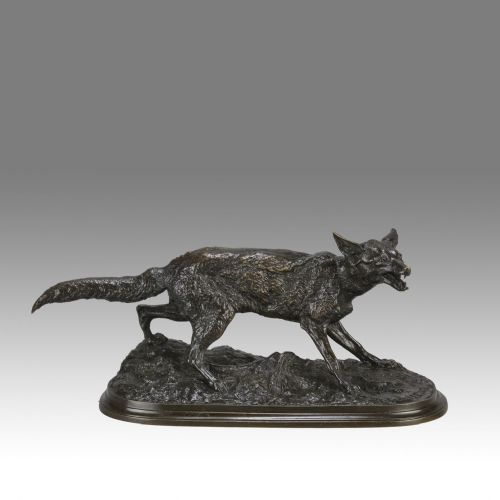
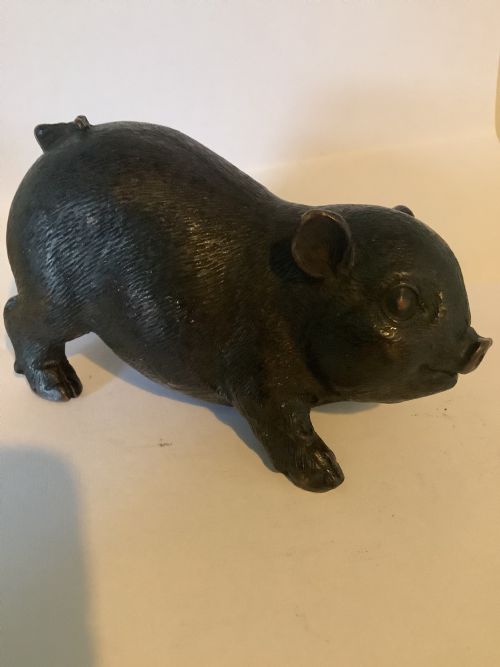
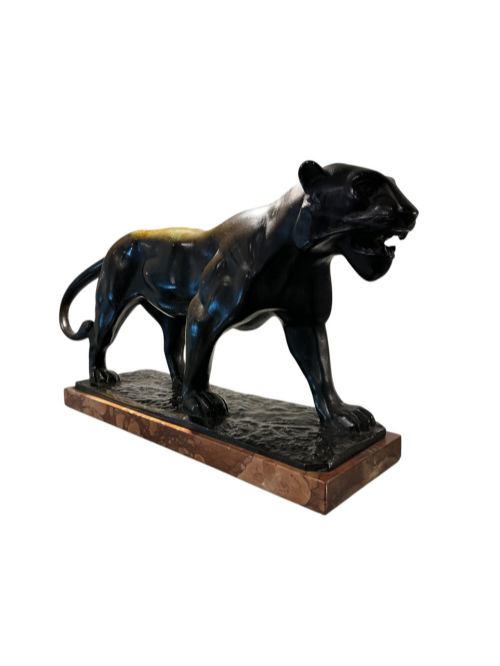
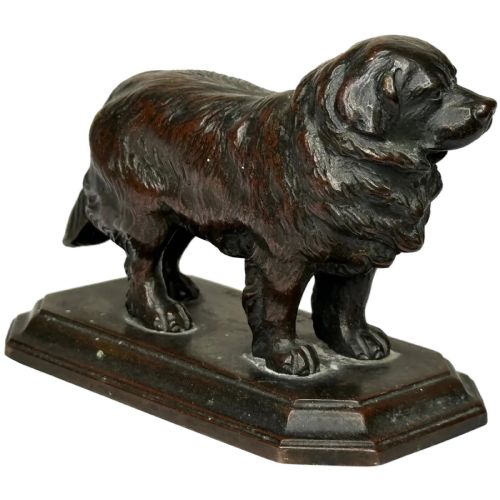
A patinated bronze animal sculpture brings together cast metal figures of creatures ranging from birds of prey to large wild cats and domestic dogs. The selection available on this page centres heavily on nineteenth-century French Animalier works alongside distinct Meiji period, Art Deco, and Vienna bronze examples.
The subjects span fierce hunting scenes and quiet studies, depicting animals like hawks, greyhounds, setters, bulls, panthers, pythons, and bulldogs. These works draw upon the traditions of European and Asian foundries, capturing literal moments of natural tension and repose.
How they were made
These works utilise cast bronze, often treated with chemical patination to achieve deep surface colours, alongside variants featuring cold-painted details and supplementary wooden bases. Foundries such as Barbedienne and the Siot foundry applied traditional casting methods to capture fine anatomical details.
The finishing process involves hand-chasing the cast metal to refine textures such as fur, feathers, and rocky crags. Artisans then applied patination solutions or paint layers to accentuate the musculature and dynamic posture of each subject.
Retail Price Guide 2026
Typical UK retail prices for patinated bronze animal sculpture, calculated from the Sellingantiques database of over a million retail prices indexed since 2003. This retail price guide relies exclusively on Sellingantiques data; no external sources or auction records are used, so the figures do not describe the wider market.
Keep an eye out for cold-painted bulldogs and poised greyhounds acting remarkably serious on your desk.
What varies in quality
Quality rests in the precision of the casting and the sensitivity of the post-cast chasing work. Finer pieces retain crisp definition in the fur and muscle structure without losing the fluidity of the animal's movement.
The depth and subtlety of the patination differentiate standard productions from superior foundry outputs. Marks indicating renowned founders and sculptors elevate the historical interest of a piece.
Alfred Barye·Jules Moigniez·Albert Hussmann·Georges Gardet·Al Barye
The Patinated Bronze Animal Sculpture Glossary
- Animalier
- A nineteenth-century artistic movement focused on the realistic depiction of animals. Sculptors in this tradition studied anatomy closely at menageries.
- Patination
- The chemical treatment applied to the surface of bronze to create colour and tone. This process protects the metal while enhancing visual depth.
- Cold-painted
- A technique where paint is applied to cured bronze without subsequent firing. This method appears frequently on Vienna bronze figures.
- Foundry mark
- A stamp or signature cast into the metal indicating where the piece was produced. These marks connect objects to workshops like Barbedienne.
Frequently Asked Questions
What is an Animalier sculpture?
An Animalier sculpture is a nineteenth-century artwork specifically focused on realistic representations of animals in motion or repose. These pieces highlight the natural behaviour and anatomy of wildlife and domestic pets.
Artists in this movement observed live animals extensively to capture accurate muscle tension and character in cast bronze.
How do I care for patinated bronze?
Caring for patinated bronze simply requires dusting with a soft, dry cloth to prevent particulate buildup on the surface. Avoid using liquid cleaners, polishes, or abrasive cloths that can strip away the historical patination.
Keeping the sculpture in a stable indoor environment away from excessive moisture protects the metal and its finish for the long term.
Where were these bronzes made?
These bronzes originate primarily from European workshops and foundries, with a strong representation of nineteenth-century French production alongside Austrian and Asian pieces. Major foundries like Barbedienne handled the complex casting processes for prominent sculptors.
Each region brought distinct aesthetic choices to the patination and finishing stages of the metalwork.
How can I identify the period of a bronze?
Identifying the period involves examining the stylistic traits, subject matter, and any foundry stamps or artist signatures present on the base. Nineteenth-century pieces often lean towards naturalistic studies and dramatic hunting encounters, while later twentieth-century examples embrace Art Deco stylisation.
Comparing the casting sharpness and patination style with documented examples from makers like Jules Moigniez or Georges Gardet helps confirm the era.