


Vienna Bronze Dog
A vienna bronze dog brings small-scale Austrian metalwork into your home, capturing canine character with painted detail.
What a Vienna bronze dog is
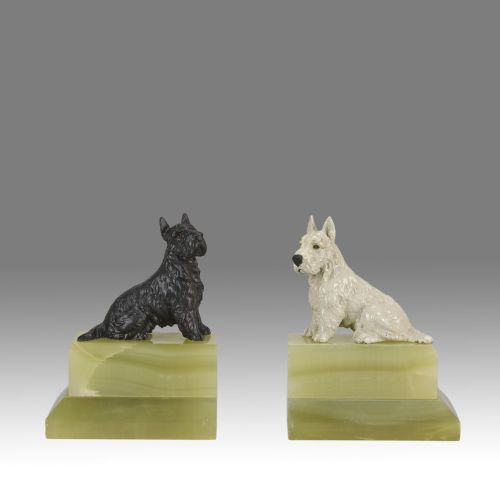
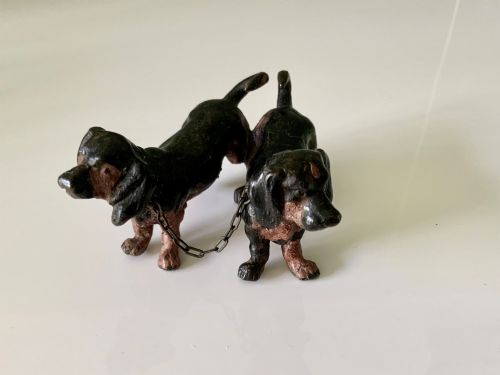
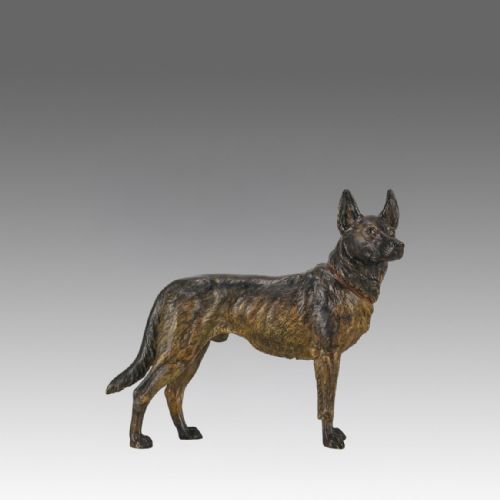
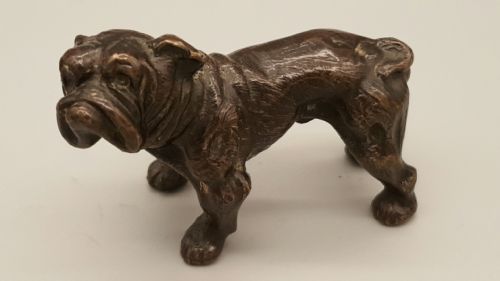
A vienna bronze dog is a small metal sculpture representing various canine breeds, created in Austria during the late nineteenth and early twentieth centuries. These figures range from realistic sporting dogs to humorous anthropomorphic scenes.
The versions most commonly met on this page date from nineteen hundred and the nineteenth century, reflecting the peak of Austrian foundry production. Forms include freestanding figurines and functional items such as letter clips.
Makers recorded in the evidence include Franz Bergman and Stephan Buchinger, whose workshops produced the distinctive cold-painted animal figures that collectors seek today.
How they were made
Foundries cast these pieces in bronze using traditional methods, capturing fine anatomical details and textures in the metal before any colour was applied. The metal surface was then prepared to receive the pigment.
Retail Price Guide 2026
Typical UK retail prices for vienna bronze dog, calculated from the Sellingantiques database of over a million retail prices indexed since 2003. This retail price guide relies exclusively on Sellingantiques data; no external sources or auction records are used, so the figures do not describe the wider market.
Listings feature cold-painted bronze and enamel materials across pieces dated to nineteen hundred and the nineteenth century.
What varies in quality
Quality rests upon the naturalism of the sculptured form and the precision of the cast, separating lively canine poses from stiff or generic figures. The best examples capture specific breed characteristics with convincing anatomy.
The preservation of the cold-painted surface dictates value among collectors, as original pigment without extensive touch-ups elevates a piece. Foundry marks and maker signatures, such as Bergman plaques or Geschutzt stamps, further distinguish superior works.
Franz Bergman·Stephan Buchinger
The Vienna Bronze Dog Glossary
- Cold-painted bronze
- Bronze sculpture finished with oil-based paint applied without heat. This method leaves the surface vulnerable to chipping if handled carelessly.
- Geschutzt
- German term meaning protected or registered, often found stamped on Austrian bronzes. It indicates that the design had legal protection at the time of manufacture.
- Vienna bronze
- Small-scale bronze sculpture produced by Austrian foundries in the late nineteenth and early twentieth centuries. These pieces are celebrated for their naturalistic and whimsical animal subjects.
- Letter clip
- A desk accessory featuring a spring-loaded mechanism to hold correspondence. Dog figures frequently decorated the lever ends of these useful desk items.
Frequently Asked Questions
How are these figures cleaned?
Dust the bronze gently with a soft dry brush to protect the delicate cold-painted surface from damage. Avoid water and chemical cleaners entirely.
Keep the pieces out of direct sunlight to prevent the original enamel colours from fading over the years.
Are these items marked?
Some pieces carry foundry marks, Bergman stamped signatures, or the word geschutzt indicating a registered design. Many smaller or earlier figures bear no visible stamps at all.
Maker attribution often relies on style, casting quality, and the specific palette used by the Vienna foundries.
What subjects appear most often?
Bulldogs, pugs, terriers, and sporting dogs dominate the output of these Austrian workshops. Artisans modelled both realistic animals and humorous scenes depicting dogs in human situations.
Functional objects like letter clips also incorporated these popular canine sculptures into desk accessories.