


Antique Animal Sculpture
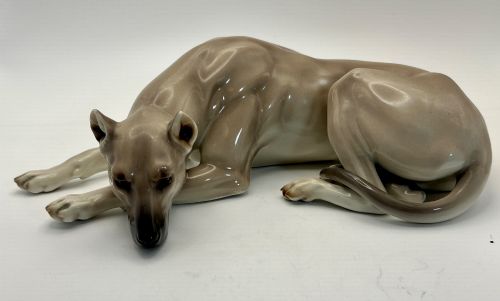
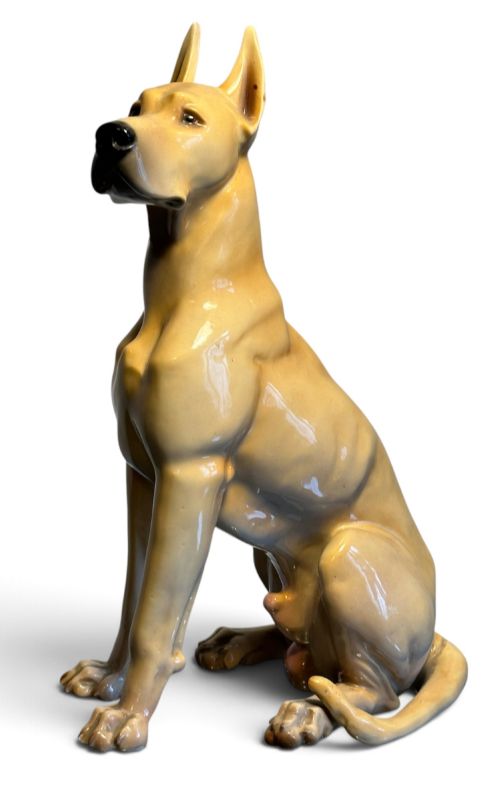
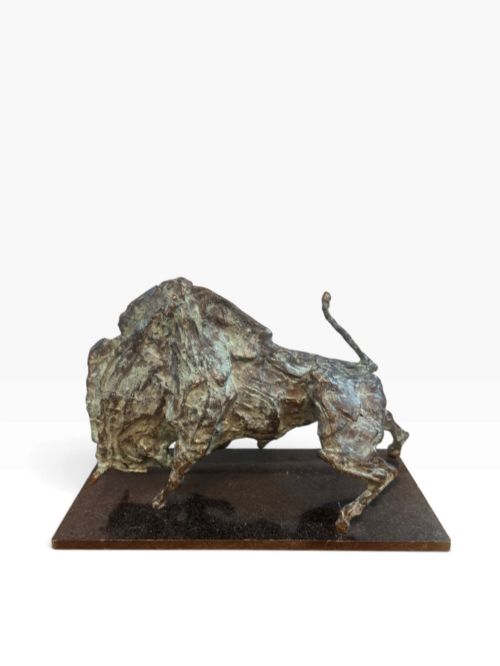
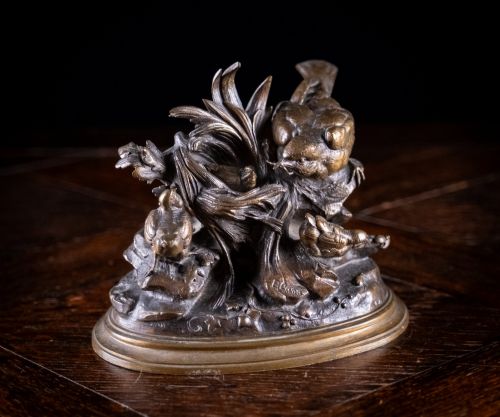
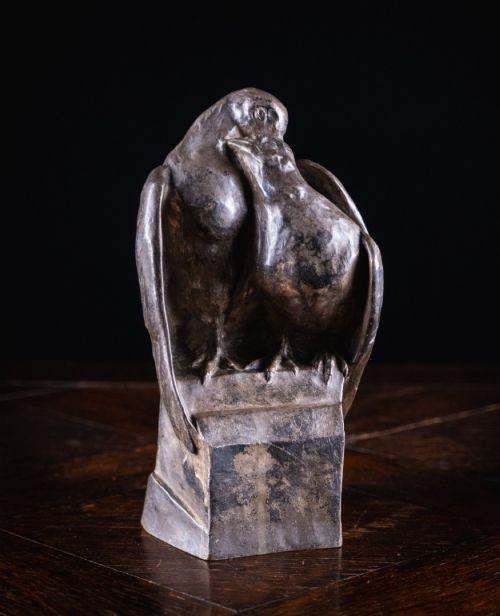
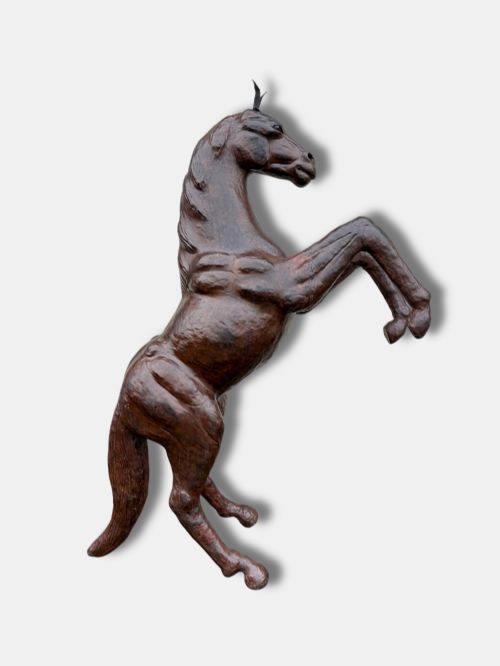
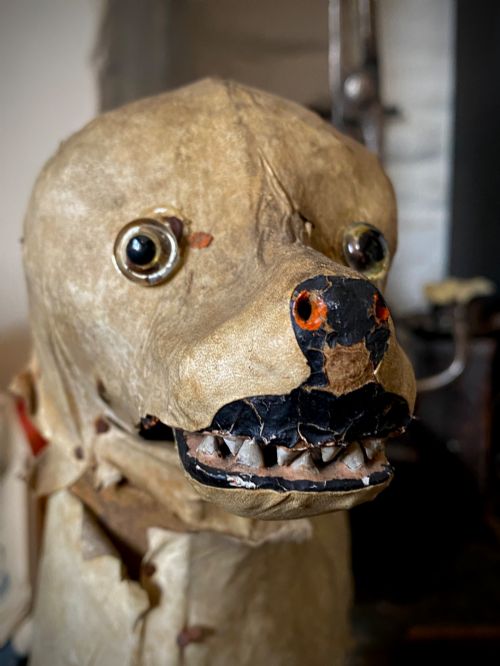
An antique animal sculpture captures a living creature in bronze, silver, wood or jade.
Antique Animal Sculpture
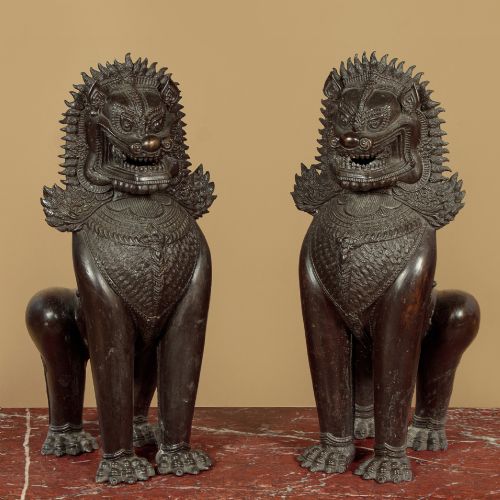
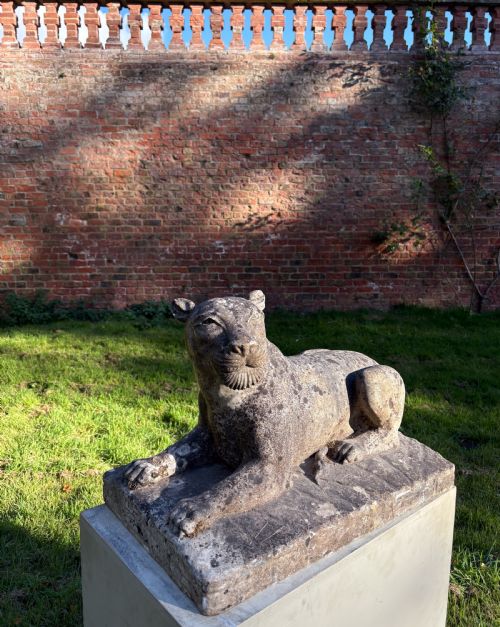
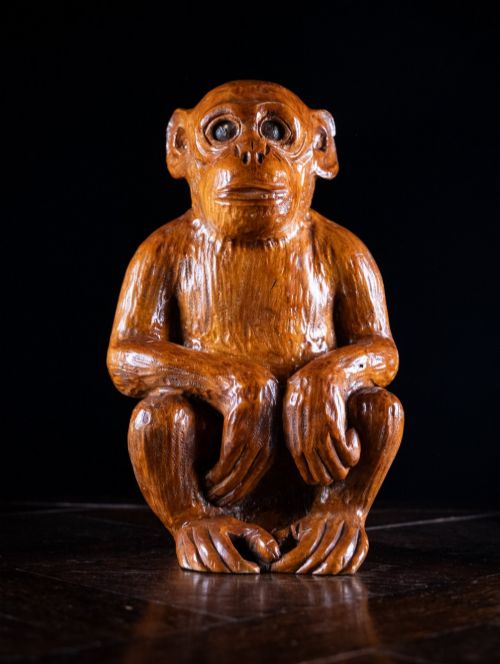
An antique animal sculpture encompasses figures ranging from European bronze studies to Asian carved jade beasts and Black Forest linden wood carvings. When searching for an antique animal sculpture, a buyer encounters diverse interpretations of wildlife, domestic animals and mythical creatures across the nineteenth and twentieth centuries.
The selections span distinct cultural traditions, including Japanese Meiji period bronzes, Viennese cold-painted metalwork and English silver figurines. Sculptures appear on marble bases, as bookends or as standalone figures depicting birds, bears, dogs and mythical beasts.
Nineteenth-century examples frequently demonstrate the naturalist focus of the Animalier school, while later pieces adopt Art Deco stylisation or traditional oriental forms. Buyers navigate everything from diminutive silver cockerels to substantial carved wood bear groups.
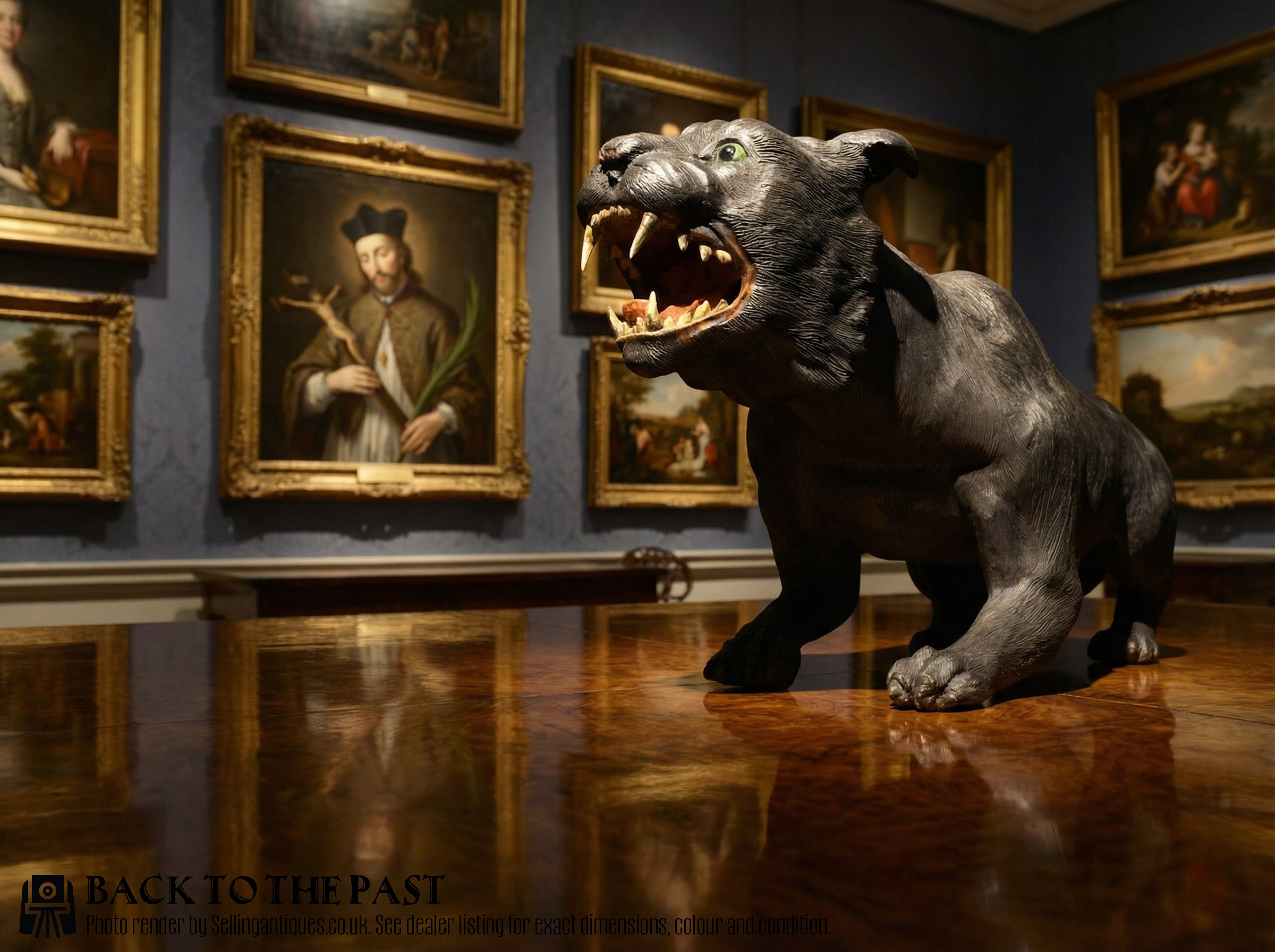
How they were made
Bronze casting forms the backbone of these works, often utilising the lost-wax method to capture fine musculature and feather details. Artisans then applied patination or cold-painted pigments to achieve realistic surface tones.
Carved wood pieces, particularly from the Black Forest tradition, rely on linden wood shaped with specialised gouges to texture fur and foliage. Jade and other stone carvings involve meticulous abrasive shaping and polishing to reveal the natural grain of the material.
Antique Animal Sculpture Retail Price Guide 2026
Typical asking prices for animal sculpture among the pieces listed under this phrase on Sellingantiques today, from the lower quarter to the upper quarter. They describe what is for sale here now, not the wider market.
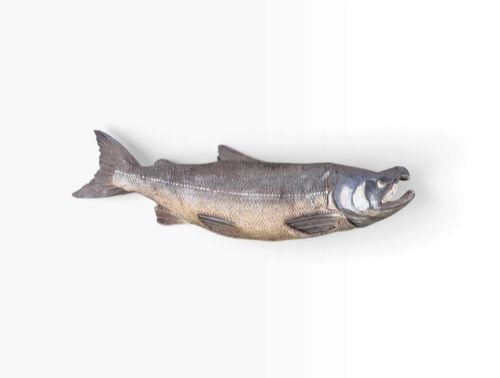
A carved linden wood bear carries a fish with quiet determination.
What varies in quality
The fidelity of anatomical observation separates superior works from basic commercial productions. Master sculptors rendered bone structure, tension and posture with exactness, whereas lesser pieces rely on generic outlines.
Surface finish dictates value, visible in the depth of a bronze patina, the preservation of cold-painted enamel, or the crispness of hand-carved wood grain. Signed foundry marks and artist signatures provide further distinction of origin.
P J Mêne·Franz Bergman·Tom Mackie·Louis Emile Cana·J Huggler
The Antique Animal Sculpture Glossary
- Animalier
- A nineteenth-century artistic movement focused on the realistic depiction of animals, particularly in bronze. Sculptors in this tradition studied anatomy closely at zoological gardens.
- Cold-painted bronze
- Metal figures painted with unheated oil-based paints that dry to a matte finish. This delicate technique is heavily associated with Viennese workshops.
- Okimono
- A Japanese decorative figurine intended for display on a shelf or in a tokonoma alcove. These often depict animals, folklore figures or daily scenes in bronze, ivory or wood.
- Black Forest
- Carved wooden items originating from the Brienz region of Switzerland and the Black Forest in Germany. They typically feature bears, deer and other woodland creatures rendered in linden wood.
Antique Animal Sculpture: Frequently Asked Questions
What is an animalier sculpture?
An animalier sculpture is a nineteenth-century artwork that prioritises realistic anatomical accuracy in portraying animals. These pieces were cast primarily in bronze by artists who observed wildlife directly.
They capture beasts in motion or repose, reflecting a Victorian fascination with natural history and zoology.
How do I care for antique bronze?
Antique bronze requires minimal intervention to preserve its original surface patina. Dusting with a soft, dry cloth prevents particulate accumulation.
Avoid using metal polishes or harsh chemical cleaners, as these strip away historical patination and damage the metal.
What is cold-painted bronze?
Cold-painted bronze refers to metal figures decorated with unheated pigments rather than fired enamel. This technique allowed for vibrant surface colours on small decorative items.
Because the paint sits on the metal without baking, these pieces require careful handling to prevent flaking.
Where were Black Forest carvings made?
Black Forest carvings originated in the wooded mountainous regions of Switzerland and Germany during the nineteenth century. Local artisans carved linden wood into detailed figures of wildlife.
Bears, deer and cattle groups served as decorative furnishings for European homes and chalets.