


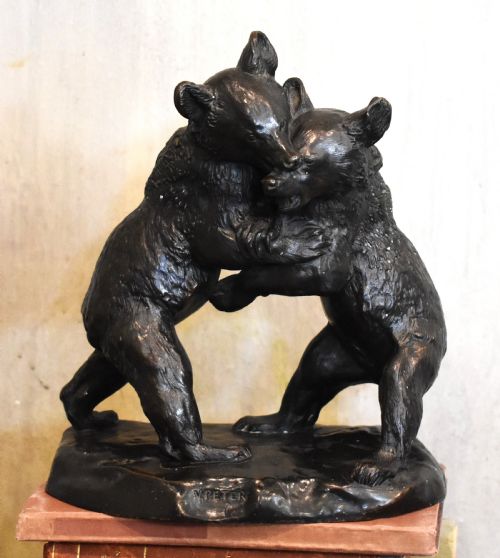


Bronze Wildlife Sculpture
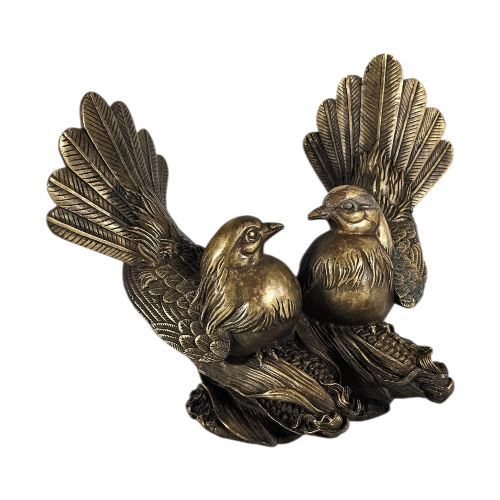
These bronze wildlife sculpture pieces capture animals in striking detail, offering collectors durable subjects crafted across the nineteenth and early twentieth centuries.
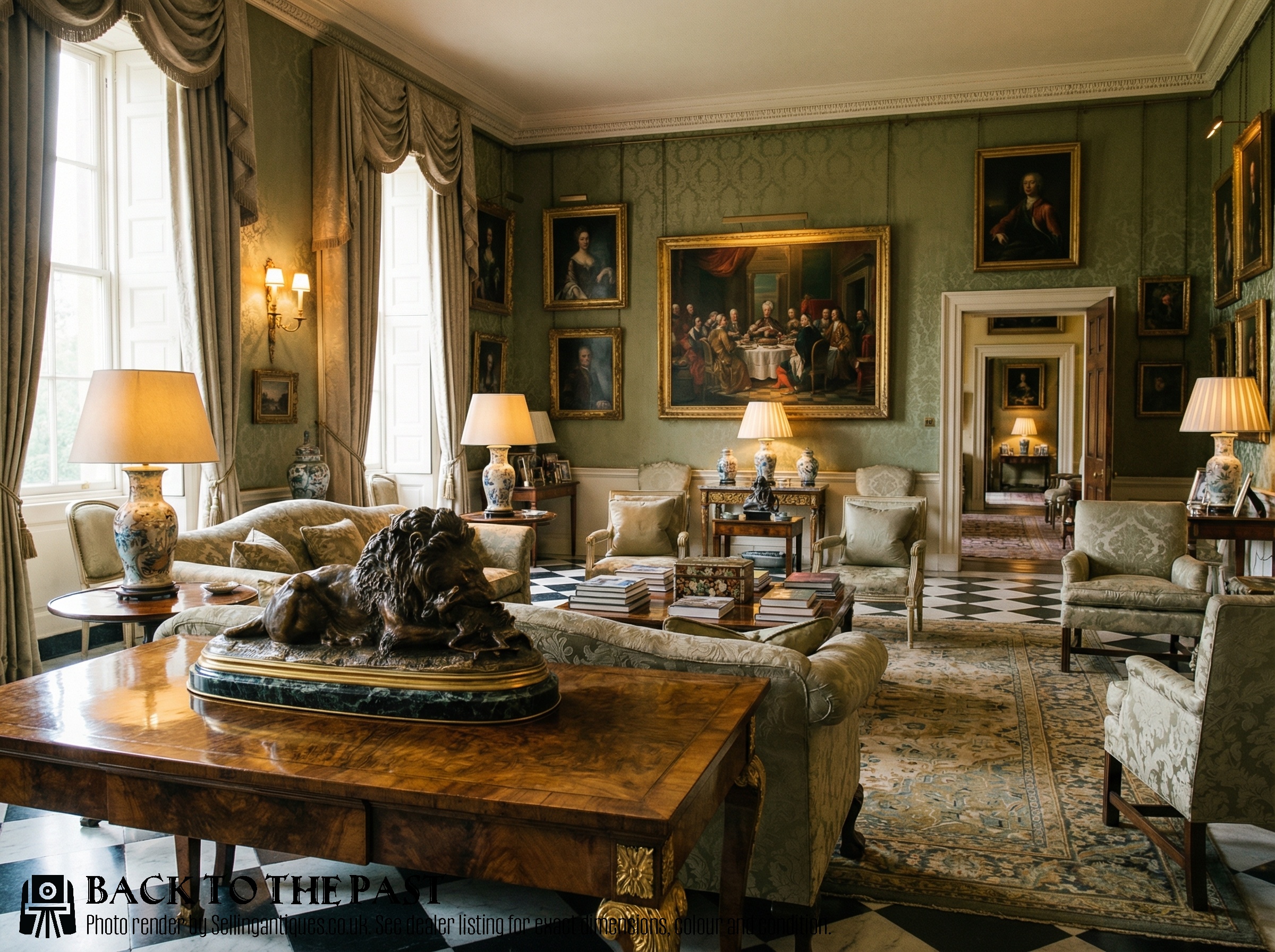
What They Are
When you search for bronze wildlife sculpture, you encounter dynamic depictions of beasts and birds originating primarily from nineteenth century French animalier traditions, alongside Japanese Meiji period studies and Art Deco creations.
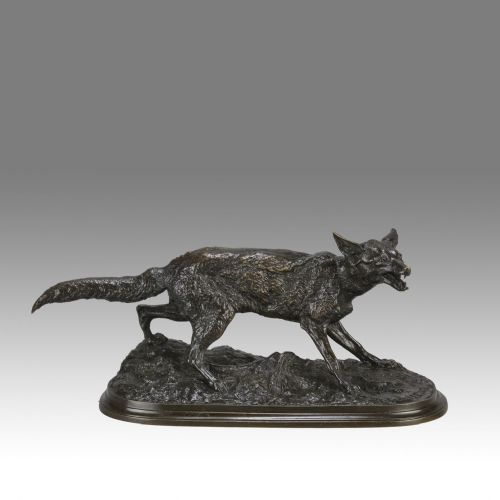
The selections on this page most commonly present animalier subjects, featuring lions, stags, elephants, tigers, eagles, jaguars, and foxes caught in dramatic motion or repose.
These works bridge European academic foundry production and Japanese metalworking artistry, uniting naturalistic observation with enduring metallic forms.
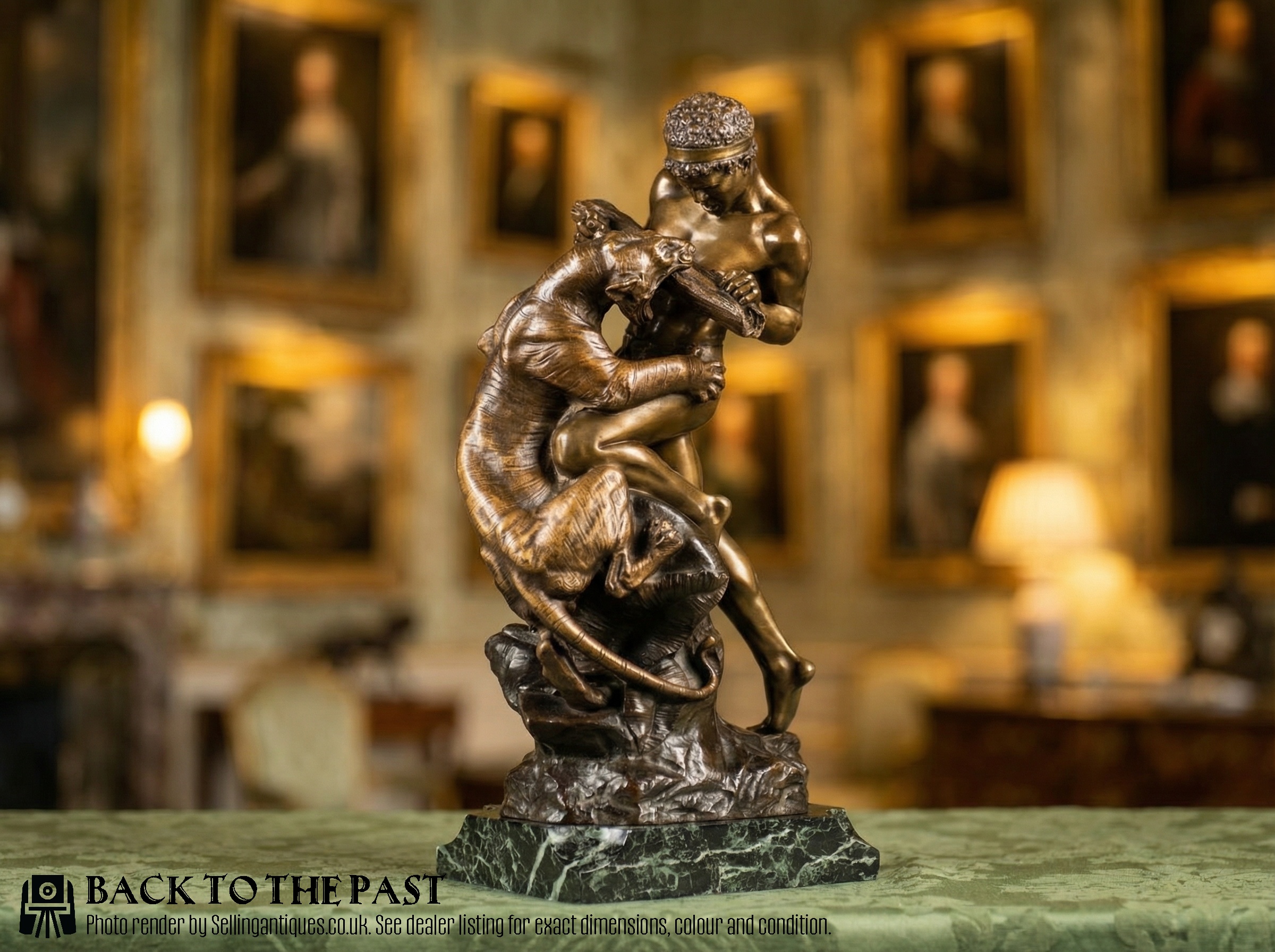
How They Were Made
These sculptures are produced in bronze, frequently finished with a dark patina that accentuates the musculature and textures of the subjects. Many examples are mounted upon bases fashioned from green marble, standard marble, or hardwood.
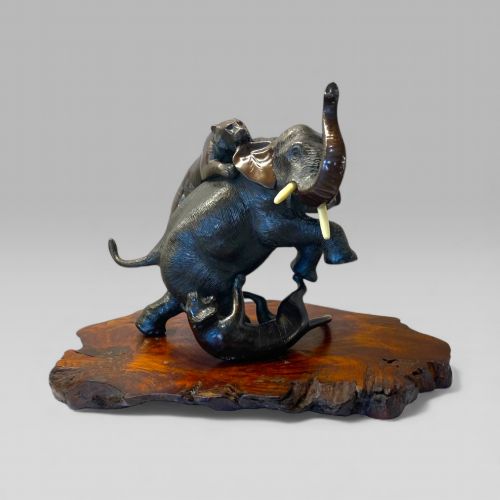
Foundry casting techniques employed by makers such as Barbedienne transformed modelled animal subjects into permanent bronze figures, whilst Japanese Meiji period artisans utilised intricate metalworking methods to depict complex combat scenes.
Retail Price Guide 2026
Typical UK retail prices for bronze wildlife sculpture, calculated from the Sellingantiques database of over a million retail prices indexed since 2003. This retail price guide relies exclusively on Sellingantiques data; no external sources or auction records are used, so the figures do not describe the wider market.
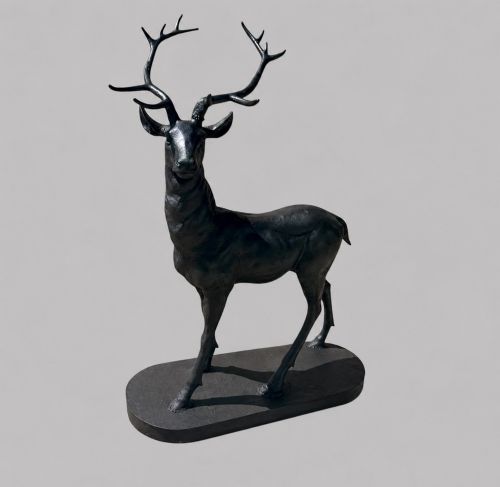
An elephant fighting with two tigers shares the stage with a very polite young stag.
What Varies in Quality
Quality rests upon the precision of the casting and the expressiveness of the animal's form, separating works produced by renowned sculptors and established foundries from lesser commercial outputs. The crispness of the chase work and the subtlety of the patina define the visual depth of each piece.
The integration of the sculptural subject with its base material, whether veined green marble, polished stone, or solid hardwood, influences the overall balance and presentation of the work.
Paul Édouard Delabrièrre·Clovis Masson·Antoine Louis Barye·Barbedienne·E Drouot
The Bronze Wildlife Sculpture Glossary
- Animalier
- A nineteenth-century artistic movement focusing on the realistic depiction of animals, particularly wild beasts in motion or combat. Sculptors in this tradition studied anatomy closely.
- Patina
- The surface coloration and sheen developed on bronze through chemical treatment or age. A dark patina is commonly utilised to heighten sculptural contrast.
- Meiji Period
- The era in Japanese history spanning from 1868 to 1912, noted for exceptional metalwork and detailed narrative studies of nature.
- Foundry
- A workshop where metal is melted and poured into moulds. Famous foundries like Barbedienne produced high-status bronzes for prominent artists.
Frequently Asked Questions
What is an animalier bronze?
An animalier bronze is a nineteenth-century sculpture focusing on realistic animal subjects, often showing beasts in naturalistic poses or dynamic struggles.
These works were popular across Europe and showcase detailed attention to anatomical accuracy and texture.
How do I care for bronze sculpture?
Bronze sculptures require minimal maintenance, needing only gentle dusting with a soft cloth to protect the surface patina.
Avoid using harsh cleaning products or polishes that might strip the original finish from the metal.
What is a dark patina?
A dark patina is a chemical or natural surface treatment applied to bronze to create deep brown or black tones.
This finish enhances the shadows and highlights the sculptural details of the animal subjects.
How do I identify a Meiji period bronze?
Japanese Meiji period bronzes are identified by their intricate detail, often depicting complex narrative scenes such as animals in combat.
These pieces reflect the distinct metalworking traditions of late nineteenth-century Japan.