


Antique Bronze Tiger
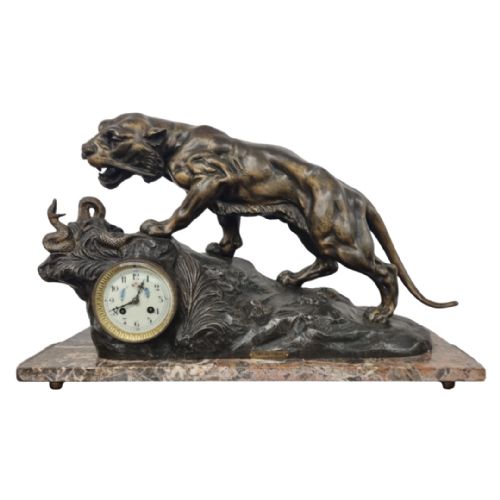
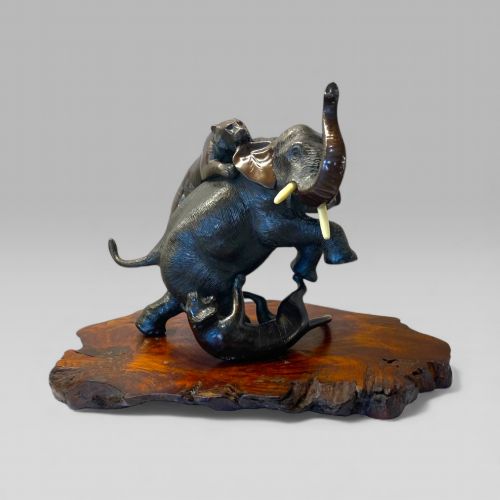
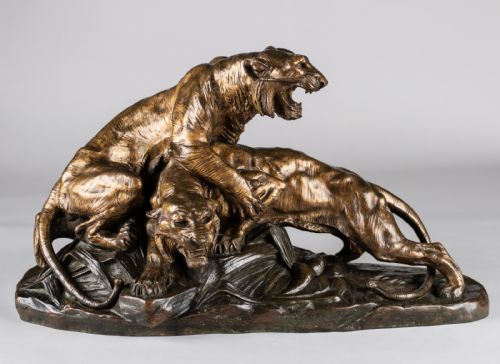
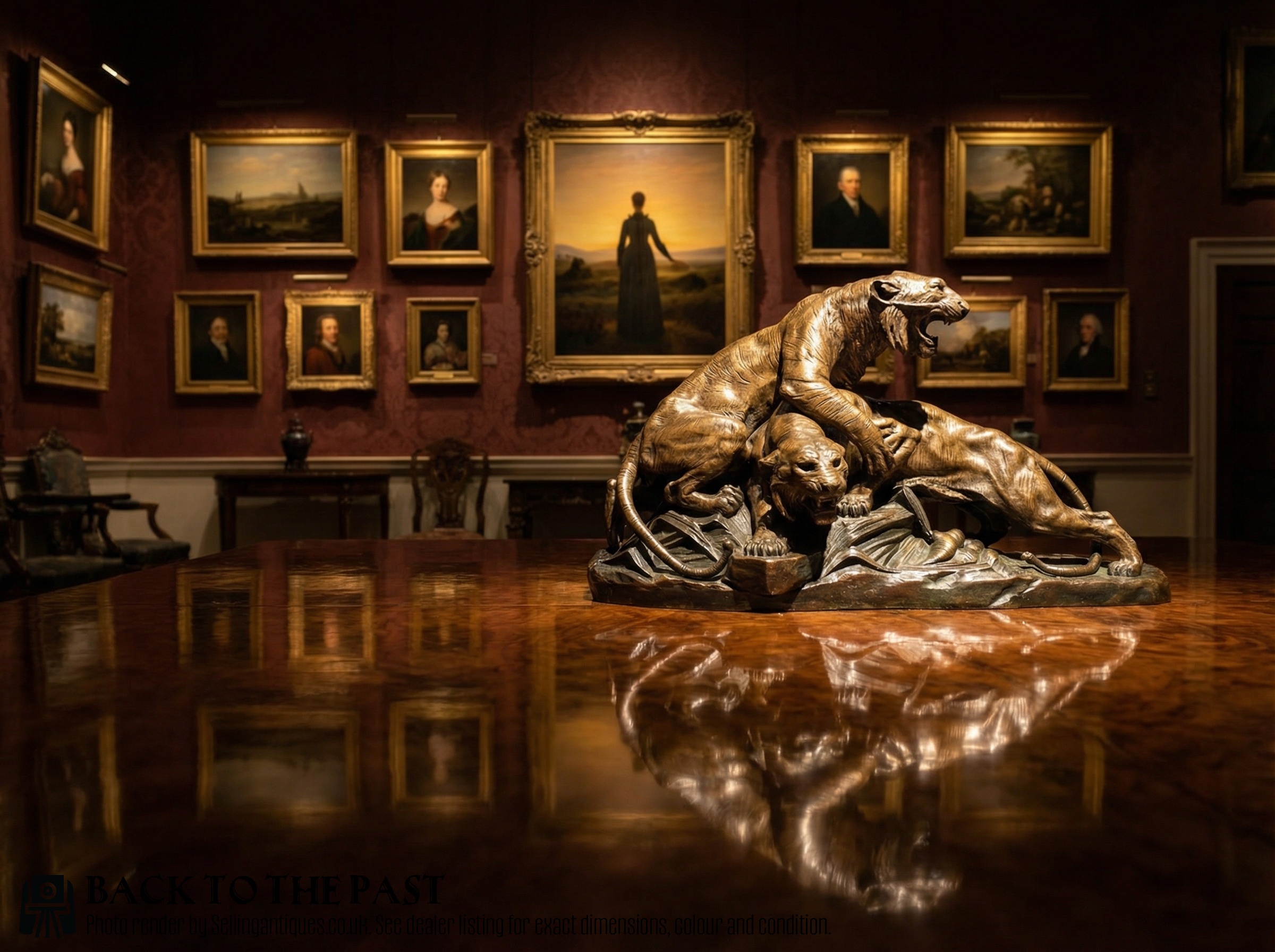
An antique bronze tiger brings dramatic presence to a room, captured either in fierce French animalier realism or detailed Japanese Meiji period casting.
Antique Bronze Tiger
When you search for an antique bronze tiger, you encounter a fascinating split between European animalier sculpture and Japanese Meiji period metalwork. These pieces range from desk accessories and mantel clocks to substantial standalone sculptures.
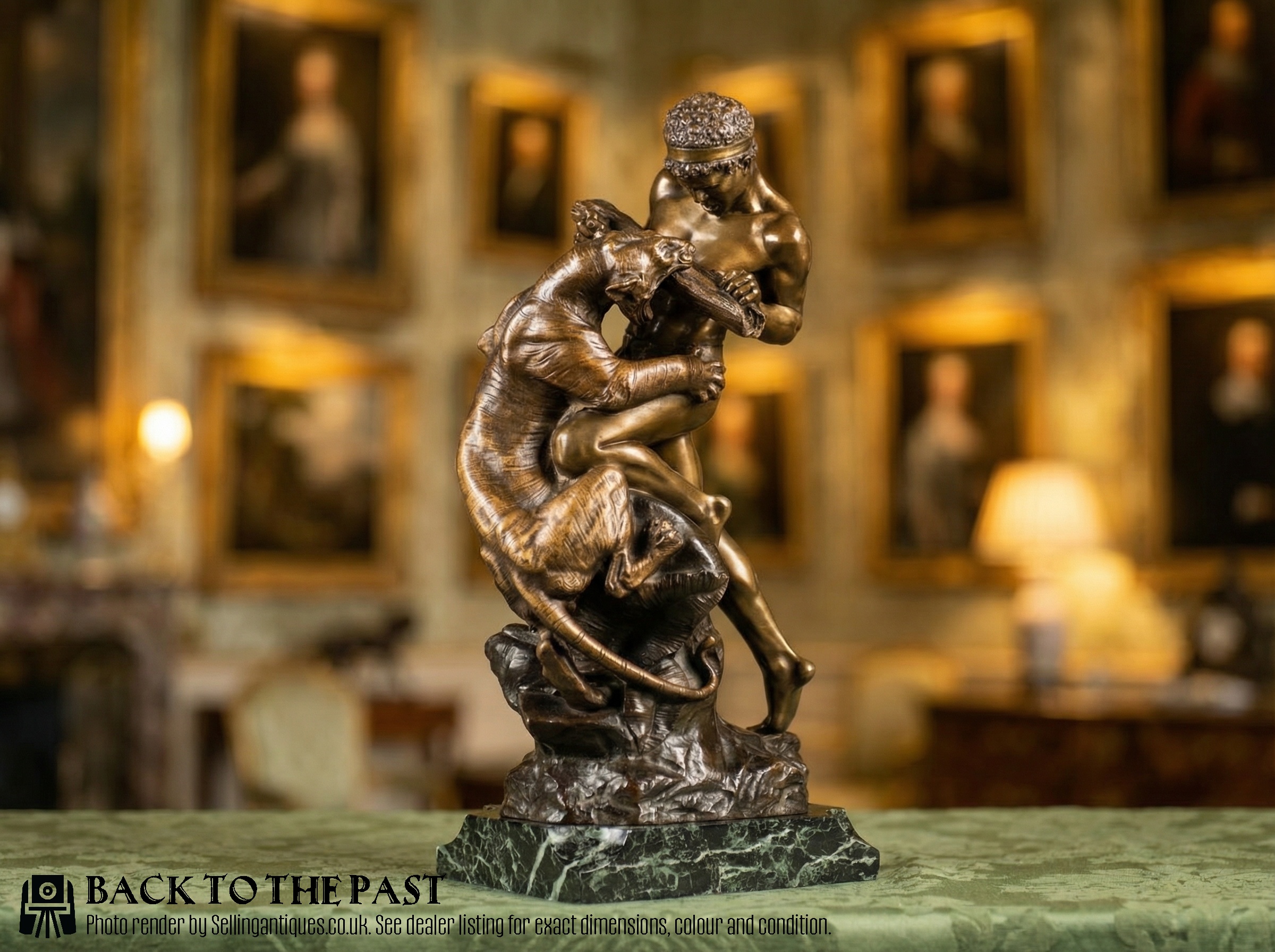
French examples often feature dramatic scenes of combat, such as figures or elephants fighting tigers, frequently mounted on marble or onyx bases. Japanese Meiji works focus on studies of single tigers or complex okimono featuring elephants and tigers, sometimes enhanced with crystal eyes or bone tusks.
The objects span from the late nineteenth century through to the art deco period of the early twentieth century. You will regularly find signed pieces by notable makers and sculptors within both European and Japanese traditions.
Materials and casting methods
The primary material is bronze, often shaped through traditional lost-wax casting to capture muscular detail and fine fur textures. Casts are regularly paired with contrasting natural materials like marble, hardwood, onyx, and occasionally bone or ivory.
Surface treatments vary widely, utilising dark patination, enamel details, or silver inlays to create depth and contrast. Some Japanese works incorporate mixed metals and specialised eye inserts such as crystal.
Bases are integral to the construction of desk tidies, mantel clocks, and larger sculptures, utilising carved stone or timber to anchor the heavy metal figures securely.
Antique Bronze Tiger Retail Price Guide 2026
Typical asking prices for bronze tiger among the pieces listed under this phrase on Sellingantiques today, from the lower quarter to the upper quarter. They describe what is for sale here now, not the wider market.
Listings feature items dated from 1880 through the 1930s, spanning the Meiji period and the art deco era.
Factors determining quality
Quality rests heavily on the sharpness of the chasing and the fidelity of the casting, where superior pieces retain crisp muscle definition and naturalistic movement rather than soft outlines. The depth and richness of the original patina also signal a finer work.
The integration of the subject with its base marks another clear tier, with bespoke carved marble or fitted onyx elevating the sculpture above simpler mountings. Signatures from established artists or notable foundries add significant weight to a piece.
The complexity of the composition distinguishes standard studies from masterworks, particularly in multi-figure Japanese okimono or elaborate French clock cases where numerous elements interact harmoniously.
R Varnier·Asprey Of London·A Vannetti·Andrey·E Drouot·Genryusai Seiya·Shuzan·Nobumitsu·Thomas Francois Cartier
The Antique Bronze Tiger Glossary
- Animalier
- A nineteenth-century European art movement focusing on the realistic depiction of animals. These sculptures emphasise dynamic movement and anatomical precision.
- Meiji Period
- A Japanese era lasting from 1868 to 1912 noted for extraordinary metalwork. Artisans during this time produced intricate bronze studies and okimono.
- Okimono
- A Japanese display object meant for traditional interior decoration. These sculptures are typically small-scale and highly detailed.
- Patina
- The surface coloration and sheen developed naturally over time or applied chemically by the maker. A good patina enhances the perceived depth of the bronze.
- Desk Tidy
- A functional desk accessory designed to hold pens, letters, or small stationery. In bronze, these often incorporate animal figures into the utilitarian tray.
Antique Bronze Tiger: Frequently Asked Questions
How do I identify a Meiji period bronze tiger?
Meiji period pieces often feature signature plaques, extreme naturalism in the fur texture, and sometimes inlaid crystal eyes or bone details. They frequently appear as standalone studies or okimono rather than European clock mounts.
Look closely at the underside or base for artist signatures and stamps characteristic of Japanese workshops from the late nineteenth and early twentieth centuries.
What is the difference between French animalier and Japanese bronzes?
French animalier bronzes tend to dramatize action, frequently showing tigers in combat with men, elephants, or other animals, often mounted on decorative marble bases. Japanese pieces often focus on solitary studies of tigers or intricate multi-figure compositions with subtle naturalistic observation.
The casting styles and patination techniques also reflect the distinct artistic priorities of European salons versus Meiji period metalworkers.
Where were bronze tigers placed originally?
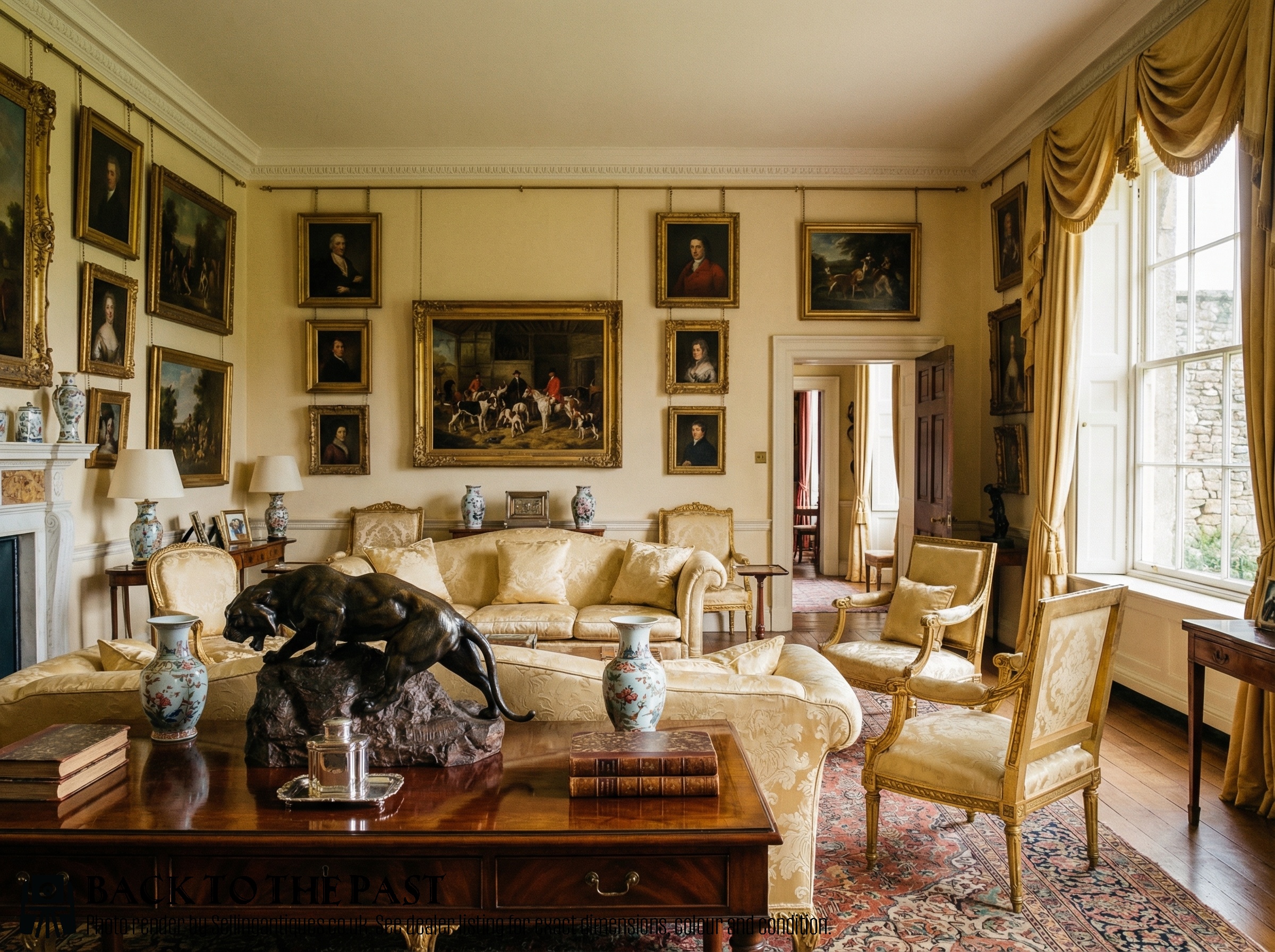
Larger sculptures and mantel clocks served as prominent decorative furnishings in nineteenth-century drawing rooms and libraries. Desk tidies and letter openers were functional items designed for executive desks and writing tables.
Today, they function well as focal points on mantels, sideboards, or curated collector desks.
How should I care for an antique bronze tiger?
Dust the surface gently with a soft, dry cloth to prevent the buildup of grime in the fine crevices of the casting. Avoid using chemical cleaners, polishes, or abrasive cloths that can strip the original patina.
Keep the piece away from direct sunlight and damp environments to protect any fitted marble, onyx, or wood bases.